
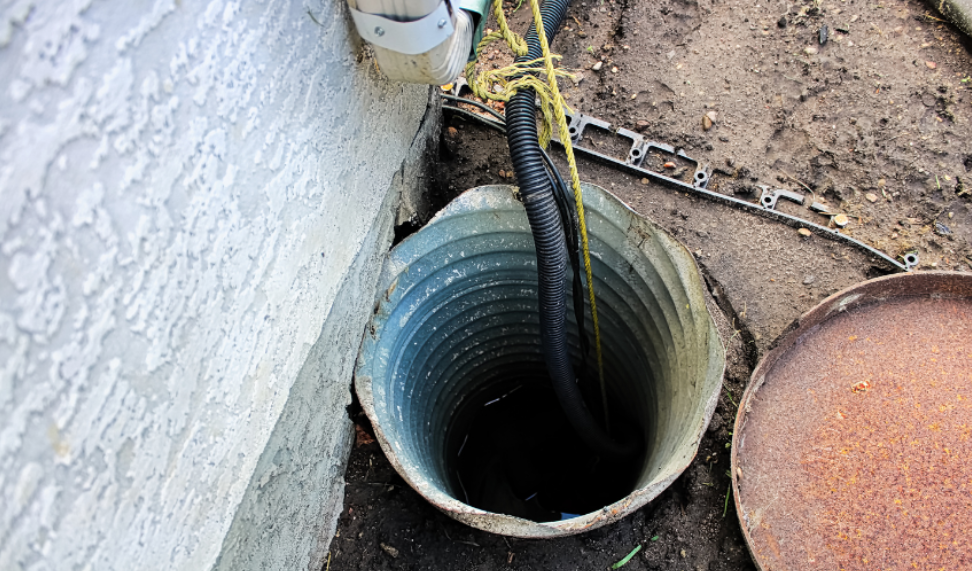
If you live in Ann Arbor and have a sump pump in your basement, there is a good chance your home's plumbing has a more interesting local history than you realize. For thousands of Ann Arbor homeowners, the sump pump is not simply a convenient appliance designed to deal with an occasionally wet basement. It can be part of a larger system connected to the city's long-running effort to reduce the amount of groundwater entering the sanitary sewer system.
In fact, Ann Arbor's Footing Drain Disconnection, or FDD, program has a fascinating history. The program began around 2002 as the city worked to address wet-weather sewer problems caused in part by footing drains connected to the sanitary sewer system. According to the Ann Arbor Observer, the program ultimately resulted in 2,744 sump pumps being installed before the city placed a moratorium on new installations in 2012. That number makes for a memorable piece of Ann Arbor plumbing history, but it also raises a very practical question for homeowners today: If your FDD-related sump pump was installed years ago, is the system still ready for another Michigan winter?
A sump pump that worked perfectly when it was installed may not be in the same condition today. Pumps wear out. Float switches can stick. Check valves can fail. Discharge piping can develop problems. Electrical components can deteriorate. And in Michigan, freezing temperatures can introduce another potential weak point into the system. Before the next major rainstorm, snowmelt event, or winter thaw puts your basement drainage system to work, it is worth understanding how Ann Arbor's FDD system works and what you can do to make sure your sump pump is ready.
What Is the Footing Drain Disconnection Program in Ann Arbor?
To understand why some Ann Arbor homes have sump systems that may look different from those in other communities, it helps to understand what a footing drain does.
Footing drains are designed to collect groundwater around a home's foundation and move that water away from the structure. In many older homes, particularly structures built before 1981, footing drains were connected directly to the sanitary sewer system. That meant groundwater and rain-related flows could enter the sanitary sewer during wet weather. The City of Ann Arbor explains that disconnecting those footing drains can reduce the amount of stormwater entering the sanitary sewer system and improve the system's flow capacity.
Ann Arbor's FDD program was developed in response to those concerns. Rather than allowing groundwater collected around a foundation to continue flowing directly into the sanitary sewer, the city redirected that water through alternative drainage arrangements. For many properties, that meant installing a sump basin and sump pump. The footing drains could send collected groundwater into the sump basin, where a pump would then move the water away from the home through a designated discharge system.
The city's own documentation describes the FDD program as being in place since approximately 2002. Later, the city undertook a Sanitary Sewer Wet Weather Evaluation Project to evaluate how well the FDD program was working, assess future basement backup risks, and consider alternatives for managing wet-weather flow.
That history is important because it means an Ann Arbor sump pump may be doing more than simply protecting a basement from an occasional puddle. For some homeowners, it is an important component of a system specifically designed to manage groundwater around the home's foundation.
The Story Behind Ann Arbor's 2,744 Sump Pumps
The number 2,744 deserves some explanation. The Ann Arbor Observer reported that the city's FDD program was intended to disconnect an estimated 20,000 footing drains from the sanitary sewer system and reconnect them to the stormwater system through basement sump pumps. The program ultimately installed 2,744 sump pumps before new installations were placed under a city moratorium in 2012.
That does not mean Ann Arbor currently has exactly 2,744 functioning FDD sump pumps. It is a historical figure associated with the city's FDD program, not a current inventory of operating equipment. That distinction matters.
A sump pump installed many years ago has had plenty of time to experience normal wear and tear. Even if the original FDD installation was completed properly, the mechanical components serving that system have not been frozen in time. The pump may have been replaced. The discharge line may have been modified. A check valve may have been changed. A backup system may have been added. Or the equipment may simply be getting old.
In other words, the history of the FDD program gives Ann Arbor homeowners an excellent reason to look at their sump system today, but it does not tell you whether your individual system is ready for the next storm. That requires an inspection.
What Is an FDD Sump Pump?
An FDD sump pump is not necessarily a special type of pump that looks completely different from other sump pumps. The term generally refers to a sump pump serving a system associated with footing drain disconnection. The important distinction is the role the pump plays. A typical sump pump collects water in a sump basin and pumps it away from the foundation. In an FDD-related installation, footing drains may contribute water to that basin after being disconnected from the sanitary sewer.
A complete system can include the sump basin, pump, float switch, check valve, discharge piping, electrical supply and other components necessary to move collected groundwater away from the structure. Benjamin Franklin Plumbing of Ann Arbor notes that the pump, basin, float switch, check valve, power supply and discharge piping all need to work together as a complete system.
That is why replacing a sump pump should not always be viewed as simply pulling one pump out and dropping another one into the pit. If the pump is being replaced because it is old, unreliable or undersized, the rest of the system deserves attention too.
Does Every Ann Arbor Home Need a Sump Pump?
No, not every Ann Arbor home requires a sump pump. However, the plumbing and drainage characteristics of individual properties vary considerably, and Ann Arbor's footing drain history means some homes have sump systems that are an important part of their overall groundwater management.
Benjamin Franklin Plumbing of Ann Arbor explains that city rules require footing drains to discharge to a sump pump system or another approved outlet rather than into the sanitary sewer. The company also notes that many newer or retrofitted homes in the area may need a sump pump as part of their drainage configuration.
For homeowners, the key takeaway is simple: do not assume that your neighbor's drainage setup tells you what your house needs. Your home's foundation, drainage configuration, groundwater conditions, plumbing history and existing FDD arrangement all matter. If you are buying an older Ann Arbor home, selling one, remodeling a basement, or dealing with recurring water problems, it is particularly worthwhile to understand exactly how your sump and footing drain system is configured.
How Long Does a Sump Pump Last?
There is no universal expiration date for every sump pump. Pump quality, installation, frequency of operation, groundwater conditions, electrical conditions, maintenance and the amount of work the pump performs can all affect its service life. However, Benjamin Franklin Plumbing of Ann Arbor recommends considering replacement for older units, with one of its recent Ann Arbor maintenance guides identifying seven to ten years as a point when homeowners should begin giving an aging sump pump serious attention. That does not mean every seven-year-old pump will fail tomorrow.
It does mean that age should become part of the conversation. A pump that runs only occasionally in a relatively dry basement may experience very different wear from a pump that operates frequently whenever groundwater levels rise. An older FDD-related system may also deserve closer attention because its pump has been performing an important job for years. If you do not know how old your sump pump is, that is useful information to find out before the next major weather event.
When Should You Replace Your Sump Pump?
One of the most important questions homeowners ask is whether they should repair an existing sump pump or replace it. Sometimes a repair is the right answer. A problem with a float switch, check valve or another component does not automatically mean the entire pump needs to be replaced.
However, replacement becomes increasingly attractive when the pump is older, repeatedly malfunctioning, running continuously, making unusual noises, cycling improperly, showing corrosion, or failing to remove water quickly enough. Benjamin Franklin Plumbing of Ann Arbor specifically identifies continuous operation, irregular cycling, unusual noises, inadequate pumping and issues such as corrosion, sticking floats, motor problems and damaged check valves as reasons to investigate the system.
Think of it this way: if your sump pump has already demonstrated that it cannot reliably handle its job, you do not want to discover the problem during a three-hour downpour. That is especially true in an Ann Arbor basement where groundwater may be entering through the same drainage system the pump was installed to manage.
How Do I Know If My Ann Arbor Sump Pump Is Failing?
Your sump pump does not always announce failure with a dramatic grinding noise. Sometimes the warning signs are much more subtle. A pump that runs longer than usual may be struggling to keep up with incoming water. A pump that turns on and off repeatedly may have an issue with the float, check valve or system configuration. Strange noises can indicate mechanical wear. Visible rust or corrosion can suggest deterioration. Water returning to the basin after the pump shuts off can point toward a check valve problem.
You may also notice something even simpler: the pump runs, but the water level in the basin does not seem to fall as quickly as it used to. That is worth investigating. The discharge line matters, too. A perfectly functional pump cannot protect your basement if the water has nowhere to go. Ann Arbor's winter temperatures make discharge piping particularly important because freezing or blockage can prevent water from leaving the home. Benjamin Franklin Plumbing's Ann Arbor guidance specifically identifies frozen discharge lines as one of the problems that can contribute to sump pump failure and basement flooding during Michigan winters.
Why Winter Creates a Special Challenge for Ann Arbor Sump Pumps
Michigan winter does not necessarily mean your sump pump gets a vacation. Groundwater can continue moving around a foundation throughout the cold season, and winter thaws can create sudden changes in water conditions. Snow accumulation followed by warmer temperatures can put additional pressure on drainage systems, while rain falling on partially frozen ground can create difficult conditions for water management.
Then there is the discharge line. If the pump successfully moves water out of the basin but the discharge piping is frozen or obstructed, the system can become compromised even though the pump motor itself is working. That is why preparing an Ann Arbor sump pump for winter involves more than simply testing whether the motor turns on. The basin, pump, float mechanism, check valve, discharge piping and power supply all deserve consideration.
Do I Need a Battery Backup Sump Pump?
For many Ann Arbor homeowners, a backup sump pump or battery backup system is a very worthwhile investment. The reason is almost painfully logical: the storms that create the greatest need for your sump pump can also create power outages. If your primary sump pump is electric and the power goes out, your pump cannot remove water unless you have an alternative power source or secondary system.
Benjamin Franklin Plumbing of Ann Arbor recommends that homeowners whose properties regularly receive groundwater consider a professionally installed battery backup or another secondary pumping option. A backup system can provide an additional layer of protection when the primary pump loses power or cannot keep up with incoming water.
For some homes, homeowners may also choose a dual-pump arrangement, where a second pump provides additional capacity and redundancy. The Ann Arbor location has even received customer feedback from a homeowner whose technician installed a dual-pump system and identified an issue with the discharge piping during the same visit. The right configuration depends on your home's drainage needs, basin, pump capacity and risk profile.
What Happens If an Ann Arbor Sump Pump Fails During a Storm?
This is the scenario homeowners hope never happens. Heavy rain increases the amount of groundwater moving around the foundation. As water enters the footing drain system and sump basin, the pump is expected to remove it quickly enough to prevent the basin from overflowing. If the pump stops working during that event, the water has nowhere to go through the normal pumping path. The result can be basement flooding.
Depending on the amount of incoming water and the layout of the home, flooding can damage flooring, drywall, stored belongings, furniture, electrical equipment and finished basement spaces. Prolonged moisture can also create conditions that encourage mold growth.
The danger is not necessarily limited to the pump motor itself. A frozen discharge line, electrical failure, stuck float, failed check valve, blocked piping or inadequate pump capacity can all interfere with the system. That is why sump pump maintenance is ultimately about more than maintaining a single appliance. You are maintaining a water management system designed to protect the lowest part of your home.
What Should Be Checked During Sump Pump Maintenance?
A basic homeowner test can tell you whether the pump activates, but a professional inspection can look at the system more comprehensively. Start by keeping the sump basin accessible and free of obvious debris. Make sure the float can move freely and is not tangled against the pump or basin. Listen for unusual noises when the pump operates. Check whether water is actually leaving through the discharge line rather than simply cycling back into the basin.
Homeowners should also pay attention to the discharge location. Water should be directed away from the foundation and discharged in a manner consistent with local requirements. Benjamin Franklin Plumbing of Ann Arbor notes the importance of approved discharge arrangements, proper check valves and appropriate electrical connections.
A professional sump pump inspection can go further by evaluating the pump's condition, electrical supply, float operation, check valve, discharge piping and overall configuration. If your system is associated with an older FDD installation, it is also reasonable to ask whether the existing equipment is still appropriate for the home.
Sump Pump Replacement Ann Arbor Homeowners Should Consider Before Winter
If your sump pump is approaching the end of its useful life, replacing it before the worst Michigan weather arrives is generally a much better strategy than waiting for the pump to fail. A planned sump pump replacement in Ann Arbor gives you time to evaluate the entire system rather than making a rushed decision while water is rising in the basement. The right replacement pump should be selected based on the home's actual drainage needs. Factors can include the amount of incoming water, basin configuration, vertical lift, discharge piping and other characteristics of the installation.
Benjamin Franklin Plumbing of Ann Arbor notes that both undersized and excessively large pumps can create problems. An undersized pump may struggle to keep up with incoming water, while an unnecessarily large pump can cycle too frequently under lighter conditions. That is why professional Ann Arbor sump pump replacement is about more than purchasing the biggest pump available. It is about matching the equipment to the home.
Your FDD System Has a History, But Your Home Has a Future
The story of Ann Arbor's 2,744 FDD-related sump pumps is a fascinating piece of local infrastructure history. The city's footing drain disconnection program addressed a legitimate problem involving groundwater entering the sanitary sewer system, and thousands of homes received sump pump systems as part of that broader effort. But the history also gives today's homeowners something important to think about.
If your FDD sump pump was installed many years ago, the question is no longer simply whether the original system worked. The question is whether it still works today. Does the pump activate properly? Is it the right size? Is the float operating freely? Is the check valve functioning? Is the discharge line clear and properly configured? Is the electrical supply reliable? Does the system have backup protection if the power fails? And if the pump is aging, would replacing it now be a smarter investment than waiting until the next major storm?
Those are the questions that can make the difference between a routine fall plumbing appointment and an emergency basement cleanup in the middle of a Michigan storm. If you are unsure about the condition of your system, Benjamin Franklin Plumbing of Ann Arbor can evaluate your sump pump and help determine whether sump pump repair in Ann Arbor, MI, maintenance, replacement or a backup system makes the most sense for your home. The local team provides sump pump installation and replacement services and offers 24/7 emergency plumbing assistance for homeowners who encounter problems when they least expect them.
Before another Ann Arbor winter arrives, take a few minutes to find out what is happening in the lowest part of your home. Because when the rain starts falling, the snow starts melting, or the power goes out, you do not want to wonder whether your sump pump is ready. You want to already know the answer.

 Your Privacy Choices