
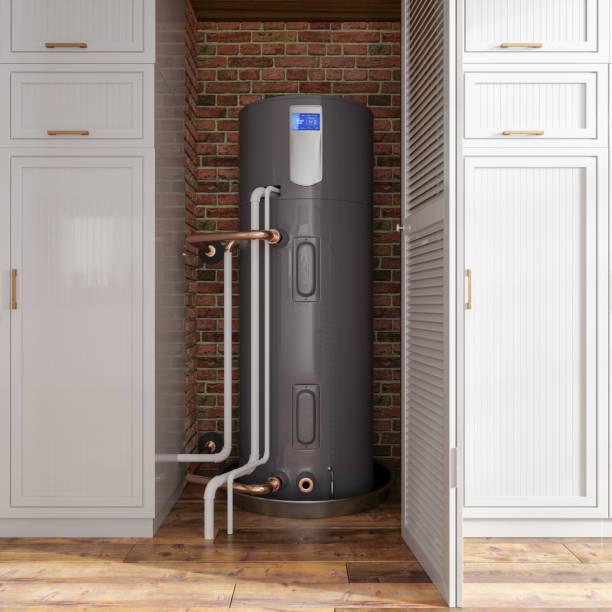
Summer in Ann Arbor brings longer days, warmer weather, and a different rhythm at home. Between extra laundry after yardwork, sports, lake days, visiting guests, and kids being home from school, hot water demand can stay surprisingly high through the season.
If your water heater is already showing signs of wear, that added use can make small issues more noticeable. You may start waiting longer for hot water, running out sooner than expected, or hearing noises from the tank. Taking a few simple steps before summer can help your water heater perform better, provide steadier hot water, and avoid unnecessary strain when your household gets busier.
Why Water Heater Efficiency Matters Before Summer
Your water heater is one of the most-used plumbing appliances in your home. Even when the weather warms up, it still supports showers, sinks, dishwashers, washing machines, and everyday cleaning. If the unit is older, poorly maintained, or dealing with sediment buildup, it may need more energy to heat the same amount of water.
Getting ahead of water heater maintenance before summer gives you a better chance of catching small problems early. It can also help your system work more reliably before minor performance issues turn into repairs.
Flush Sediment From the Tank
If you have a traditional tank water heater, sediment can collect at the bottom of the tank over time. This buildup often comes from minerals in the water supply. As sediment settles, it can make it harder for the burner or heating element to transfer heat to the water inside the tank.
When that happens, your water heater may have to run longer to do the same job. You might notice popping or rumbling sounds, slower recovery times, or less available hot water. If sediment is left alone for too long, it can also contribute to additional wear on the tank.
Flushing the tank helps remove that buildup and supports better performance. Many homeowners include this as part of annual water heater maintenance. If you are not comfortable flushing the tank yourself, or if it has been several years since the last service, a licensed plumber can handle the job safely and check the system for other concerns at the same time.
Lower the Temperature Setting
Some water heaters are set higher than they need to be. Lowering the temperature slightly can help reduce standby energy loss and limit unnecessary strain on the unit. It may also help reduce the risk of scalding at sinks and showers.
Before making changes, think about how your household uses hot water. A larger family, a home with frequent guests, or a household that runs multiple hot water appliances in a short period of time may have different needs than a smaller home. The goal is to find a setting that supports comfort without making the system work harder than necessary.
If you keep raising the thermostat because the water never feels hot enough, there may be another issue. Inconsistent temperatures can point to sediment buildup, a failing thermostat, an undersized unit, or a water heater that is nearing the end of its service life.
Insulate Exposed Hot Water Pipes
Insulating accessible hot water pipes can help reduce heat loss as water travels from the water heater to your fixtures. This can be especially helpful in basements, crawl spaces, utility rooms, and other unfinished areas found in many Michigan homes.
When hot water loses less heat on the way to the tap, it may arrive faster and stay warmer. That can reduce the amount of water wasted while you wait for a shower or sink to heat up. It can also make your plumbing system feel more responsive during busy parts of the day.
Pipe insulation is a simple improvement, but it still needs to be installed correctly. It should be placed only where appropriate and kept away from areas where heat, venting, or appliance clearances are a concern. If you are already having your water heater inspected, ask whether pipe insulation makes sense for your home.
Check for Leaks Around the Water Heater
A small leak can quickly become a bigger problem, especially if your water heater is in a basement, utility room, or finished area of the home. Before summer gets busy, take a few minutes to look around the unit. Check the floor, supply lines, fittings, valves, and nearby walls for moisture, corrosion, staining, or mineral deposits.
You should also pay attention to changes in performance. Rusty-looking water, reduced hot water, unusual noises, or water pooling near the tank are all signs that the system needs attention. Some leaks come from valves or connections that may be repairable, but a leaking tank often means replacement is needed.
In Ann Arbor homes, where basements are common, catching leaks early can help protect flooring, stored belongings, and nearby mechanical equipment. Calling a plumber at the first sign of trouble can help limit damage and give you more time to make a smart repair or replacement decision.
Schedule Professional Water Heater Maintenance
Professional maintenance is one of the best ways to improve water heater efficiency before summer. A plumber can flush the tank, check the thermostat, inspect valves and connections, look for corrosion, test performance, and identify signs of wear before they lead to bigger problems.
Tankless water heaters need maintenance, too. Over time, mineral buildup can collect inside the system and affect performance. Descaling and inspection help protect the heat exchanger and keep hot water flowing reliably.
Benjamin Franklin Plumbing® in Ann Arbor services traditional and tankless water heaters. Their team can help you understand the condition of your current unit, explain your options clearly, and recommend practical next steps based on your home, water usage, and budget.
Consider Whether It Is Time for Replacement
Maintenance can help a water heater run more efficiently, but it cannot make an old or failing unit new again. If your water heater is nearing the end of its expected lifespan, needs frequent repairs, leaks, or no longer provides enough hot water, replacement may be the better long-term choice.
A newer water heater can offer improved efficiency, stronger performance, and more reliable hot water. Depending on your home and usage needs, you may be able to choose between a conventional tank model and a tankless water heater.
A professional plumber can help you compare those options and choose a system that fits your household. That guidance is especially helpful for Ann Arbor homes with older plumbing, finished basements, growing families, or changing hot water demands.
Get Your Water Heater Ready for Summer
A more efficient water heater can help your home stay comfortable, convenient, and ready for summer routines. Start by watching for leaks, paying attention to performance changes, and scheduling maintenance before the season gets busy.
If your system needs a tune-up, repair, or replacement, Benjamin Franklin Plumbing® is ready to help. Contact the team today to schedule water heater service in Ann Arbor and enjoy dependable hot water all summer long.

 Your Privacy Choices