
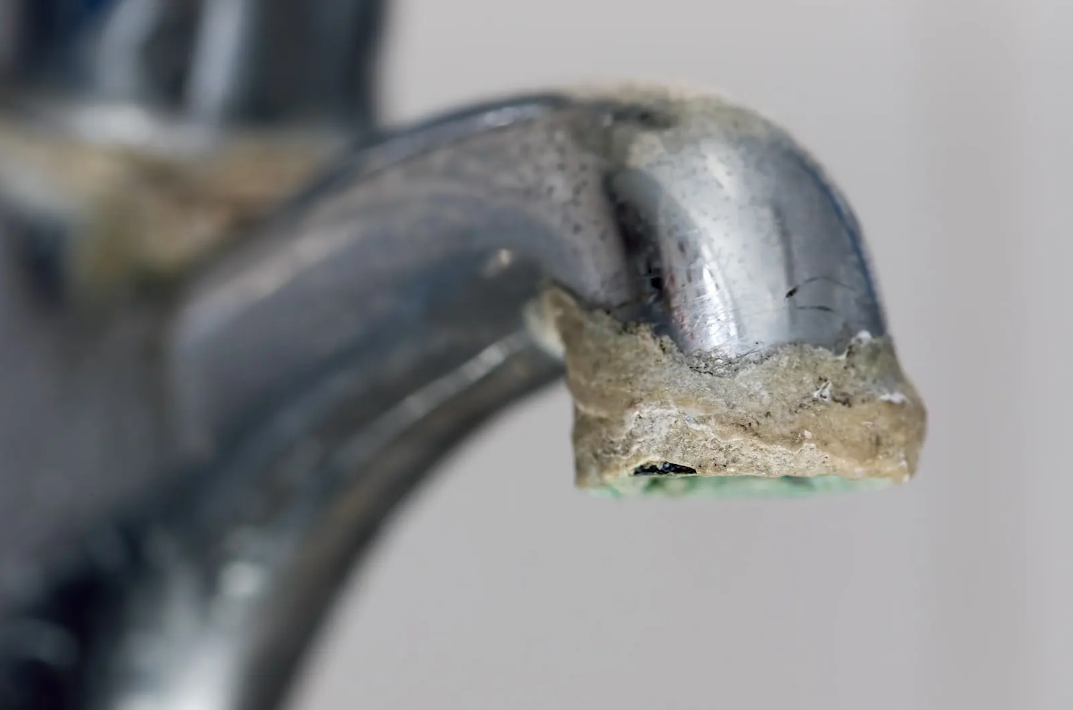
Not every Ann Arbor home needs a water softener. The city already reduces water hardness through its municipal treatment process, but some calcium and magnesium remain in the water. Depending on the home, plumbing, and time of year, those minerals may still leave scale on fixtures, contribute to sediment inside a water heater, or affect water-using appliances. The real question is not whether water softeners are useful in general. It is whether the water in your home is causing enough recurring problems to make a whole-house system worthwhile. If you regularly clean white buildup from several fixtures, deal with repeated water heater sediment, or notice mineral deposits inside appliances, testing the water is a practical next step. If the issue is limited to one faucet or your main concern is chlorine, taste, or odor, a water softener may not be the right solution.
Does Your Ann Arbor Home Need a Water Softener?
A water softener may be worth considering when hard-water symptoms affect several parts of the home rather than one isolated fixture. Signs that additional softening may help include:
- Scale that quickly returns after cleaning
- Frequently clogged faucet aerators or showerheads
- White residue around multiple sinks and fixtures
- Persistent spotting on dishes and glassware
- Heavy or recurring sediment inside the water heater
- Mineral buildup in dishwashers, washing machines, or ice makers
- Soap or detergent that does not lather easily
A small amount of residue around one faucet does not necessarily justify installing a whole-house water softener. The aerator may simply need to be cleaned or replaced. Low water pressure throughout the home may also come from a leak, corroded piping, a clogged supply line, or a pressure-regulator problem. The strongest case for a water softener is usually a pattern of mineral-related problems across several fixtures, appliances, or plumbing components.
How Hard Is Ann Arbor’s Water?
Ann Arbor softens, filters, and disinfects its municipal water before distributing it to homes and businesses. The city uses a lime-softening process to remove excess calcium and magnesium from water drawn from the Huron River and groundwater wells. According to Ann Arbor’s 2025 Water Quality Report, the city’s water averaged approximately 7.4 grains of hardness per gallon, with reported levels ranging from 4.3 to 10.5 grains per gallon during the year.
For homeowners, that means Ann Arbor’s water may feel relatively manageable at times but still contain enough calcium and magnesium to leave spots on glassware, create scale around fixtures, or contribute to sediment inside a water heater. The city’s average of 7.4 grains per gallon is also just above the level where homeowners may begin considering additional softening. A properly sized ion-exchange water softener can reduce the hardness substantially, often to around 1 grain per gallon or less, although the final level depends on the equipment, settings, and water conditions at the home.
How Does a Water Softener Protect Plumbing?
A traditional water softener reduces calcium and magnesium before those minerals move through the rest of the plumbing system. Water passes through a tank filled with resin beads that attract and hold hardness minerals. Sodium or potassium ions replace them before the water continues into the home. With fewer hardness minerals in the water, scale is less likely to collect around faucet aerators, showerheads, valves, water heater components, and appliance water lines. This can help:
- Reduce recurring buildup around fixtures
- Keep small water openings clearer
- Limit sediment inside tank-style water heaters
- Reduce scale inside tankless heat exchangers
- Decrease mineral buildup in water-using appliances
- Make routine cleaning and descaling easier
A water softener cannot reverse existing corrosion, repair a damaged water heater, or clear an unrelated blockage. Its main benefit is reducing new mineral buildup before it creates additional maintenance problems.
What Should You Do Before Installing a Water Softener?
Start with a water test and a review of the symptoms throughout the home. Citywide hardness averages provide context, but they do not show exactly what is coming through your plumbing. A professional evaluation can help determine:
- How hard the water is at your property
- Whether mineral buildup is causing the problem
- Whether a softener, filter, or plumbing repair is the better solution
- What system size matches the household’s water use
- What maintenance and operating costs to expect
Find the Right Water Treatment for Your Ann Arbor Home
Ann Arbor’s municipal treatment process already reduces water hardness, so installing an additional softener is not automatically necessary. The right choice depends on the water conditions at your property, the symptoms occurring throughout the home, and how much recurring maintenance those mineral deposits are creating.
The goal should be to identify the source of the problem before choosing equipment. Testing can help determine whether recurring scale and sediment are caused by hardness minerals or whether a plumbing repair, water heater service, or another solution would be more appropriate.
Benjamin Franklin Plumbing® of Ann Arbor can test your water, review the condition of your plumbing, and recommend a system based on your household’s actual needs. Contact our Ann Arbor plumbers to schedule an evaluation.

 Your Privacy Choices