
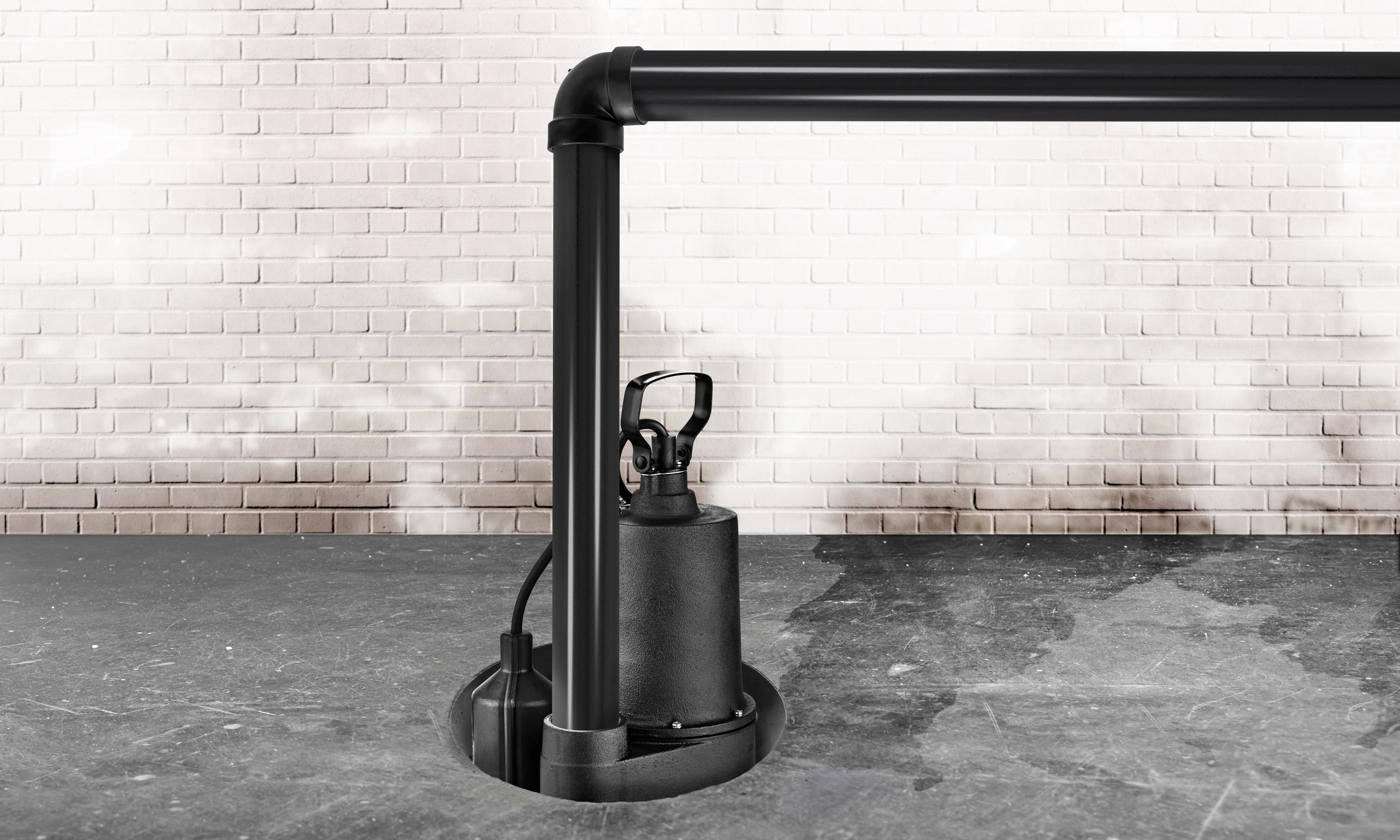
Is Your Sump Pump Ready for a Michigan Spring? A 5-Point Checklist
Michigan springs bring melting snow and frequent downpours that can overwhelm drainage systems. In Ann Arbor neighborhoods like Burns Park and Kerrytown, and across the University of Michigan campus, heavy runoff increases the risk of basement flooding. A properly functioning sump pump is essential for protecting your home. Benjamin Franklin Plumbing® recommends a quick seasonal check to catch issues early and stay ahead of spring storms.
Test the Float Switch
The float switch is the pump’s command center; it senses rising water and tells the motor when to kick on and when to stop. If the float becomes stuck, tangled, or misaligned, the pump may never activate or it may run continuously, which can lead to motor burnout, flooded basements, and costly repairs. Because floats are mechanical and exposed to grit, ice, and debris after a long winter, you should treat this component as a first priority during your spring check.
When you test the float, watch how it moves and listen to how the pump responds. Look for binding against the pit wall, snagged cords, or restricted travel that prevents the float from reaching its activation point. Float switch test steps include:
- Pour a bucket of water into the pit: Slowly add water until the float rises to its activation point; this simulates rising groundwater and triggers the pump.
- Make sure the pump turns on and off properly: Watch the full cycle. Your pump should run smoothly and stop once water drops below the float.
- Listen for unusual noises: Grinding, rattling, or a high‑pitched whine can indicate mechanical wear or debris caught in the impeller.
Doing this simple wet test helps you confirm operation and shows you how the unit behaves under load. If you’re unsure about the float’s travel or the pump’s response, note the behavior for a plumber.
Clean the Sump Pit
A tidy pit keeps the intake clear and reduces strain on the motor. Winter can leave grit, leaves, and small stones that jam the unit. To clean your pit:
- Remove debris, dirt, or gravel buildup: Use gloves and a small scoop to clear solids from the bottom and sides of the pit.
- Check for any clogs that could block the pump: Inspect the intake screen and discharge connection for obstructions.
Doing this helps to improve efficiency and lifespan. A clean pit reduces run time and lowers the chance of premature failure. Regular pit maintenance is a core part of sump pump maintenance and keeps the system ready for sudden meltwater surges.
Inspect the Discharge Line
The discharge line carries water away from your foundation. If it’s frozen, blocked, or disconnected, water can back up into the pit and your basement. To check your discharge line:
- Make sure it’s not frozen, clogged, or disconnected: Trace the pipe from the pump to the outlet and look for breaks or ice dams.
- Ensure water is draining away from your home: The outlet should direct flow downhill and away from the foundation.
- Clear any debris from the outlet: Remove leaves, mulch, or sediment that could restrict flow.
If you find a disconnected section or a frozen stretch, address it immediately; a blocked discharge is a frequent cause of emergency calls in spring.
Check Power & Backup Systems
Confirm the pump is plugged into a dedicated outlet and that the circuit is live. Test any GFCI outlet by pressing the test and reset buttons to ensure it trips and restores power correctly. If you have a battery backup or generator hookup, verify the battery charge and run a simulated power loss to confirm the backup engages.
If you rely on a battery backup, replace batteries that are weak or older than the manufacturer’s recommendation. For homes with frequent outages, consider a secondary power source to reduce the risk of failure during storms.
Look for Signs of Wear
Early detection of wear prevents sudden breakdowns. Replace or repair parts before they cause a flood. Look for signs of wear such as:
- Rust, corrosion, or loose parts: Visible deterioration can mean the pump is compromised and may fail under stress.
- Pump running constantly or not at all: Continuous cycling suggests a float or check valve issue; no activity indicates electrical or motor failure.
- Consider replacement if it’s 7 to 10 years old: Older units lose efficiency and are more likely to stop during heavy use.
Knowing why sump pumps fail in spring such as frozen discharge, stuck floats, power loss, or debris, helps you prioritize fixes that matter most.
A Quick Spring Check
A quick spring check can save you from the hassle and expense of a flooded basement. If anything seems off after your inspection, call Benjamin Franklin Plumbing® in Ann Arbor for a professional sump pump evaluation. Our plumbers are thoroughly screened and highly trained, we back our work with a 100% satisfaction guarantee, and we offer 24/7 emergency plumbing services. We’re locally owned and supported by national resources, so you get fast, reliable help when you need it most. When you’re ready, Benjamin Franklin Plumbing® can walk you through how to test a sump pump and recommend any repairs or upgrades to keep your home dry.
Schedule a professional sump pump inspection for peace of mind.
Frequently Asked Questions
How often should I have a professional check my pump?
You should schedule a licensed inspection at least once a year, ideally before the heavy melt and rainy season. A plumber will test electrical connections, verify float travel, inspect the check valve, and confirm the backup system is ready. If your unit runs frequently or is older than seven years, consider semiannual visits to catch wear before it becomes a problem.
What is a check valve and how can I tell if it’s failing?
The check valve prevents discharged water from flowing back into the pit. Signs it is malfunctioning include rapid cycling, water returning to the basin after the pump stops, or unusual vibration during operation. You can visually inspect the valve for cracks or loose fittings, but if you notice backflow or persistent cycling, have a pro replace the valve to avoid extra strain on the motor.
Can mineral deposits or sediment harm the pump and what should you do about buildup?
Yes. Sand, grit, and mineral scale can clog the intake, abrade moving parts, and reduce efficiency. During your pit cleaning, remove visible solids and flush the basin with clean water. For hard water areas, ask a plumber about descaling options or a protective screen to limit debris entry. Regular cleaning keeps the unit running cooler and extends its service life.
Are alarms or smart monitors worth installing and how do they help?
Alarms and remote monitors provide early warning when water levels rise or the pump stops working. A simple audible alarm alerts you on site, while smart sensors can send notifications to your phone so you can act even when you are away. These systems are especially valuable if you travel often or have a finished basement, since they reduce the chance of unnoticed failures turning into costly damage.

 Your Privacy Choices