Why Scheduling Rooter Service Is So Important in New Jersey
Every drain in your Beachwood, NJ, home converges onto a single sewer line. This pipe delivers all your waste and wastewater to your underground septic tank or the municipal sewer main. When invasive tree and weed roots are encroached upon residential sewer lines, homeowners can experience dangerous, whole-house backups. Fortunately, you can prevent and correct whole-house backups with professional rooter service. At Benjamin Franklin Plumbing®, we're sharing several reasons why rooter service is important in New Jersey.
Maintaining Healthy Sewer Lines Isn't Easy in the Garden State
Throughout the nation, New Jersey is known as the Garden State. This well-earned moniker is owed to the state's lush tree canopy. Nearly 44% of New Jersey is covered by this canopy, which is comprised of more than 152 million trees. The environmental benefits of having such a heavily treed terrain are impressive. New Jersey trees remove over 30,000 metric tons of air pollution and over one million metric tons of carbon each year. However, these perks come at a high cost, especially for homeowners. While the gorgeous overhead foliage is both easy on the eyes and good for the environment, the roots that sustain it wreak havoc on plumbing systems.
What to Know About Tree Roots and Your Sewer Line
Sewer lines are veritable gold mines of nutrients for fast-growing tree roots. The nutrient-dense, organic materials flowing down plumbing drains sustain local trees. Sewer lines serve as continuous sources of moisture and plant food. Worse still, they leach these things into nearby soils and attract tree roots when damaged. Tree roots gain entry through cracks, offset pipe sections, and other access points. Once they do, they can grow exponentially. Over time, invasive tree roots can completely block sewer lines so that even liquid waste struggles to get past.
Orangeburg Pipes and Terracotta Sewer Pipes
Some sewer pipes are more predisposed to encroachment than others. Irrespective of their materials, aging pipes can develop wear and stress-related cracks large enough to permit tree roots. Orangeburg and terracotta sewer pipes are most likely to develop age-related cracks over time. Comprised of wood pulp and coal tar pitch, Orangeburg pipes were popular in New Jersey from the 1940s to the late 1970s due to their lightweight, affordable, and easy-to-cut designs. However, in addition to being clog-prone, Orangeburg pipes deteriorate rapidly, especially in adverse soil conditions. They're highly permeable to tree roots. If you own an older home or have recently purchased existing construction, scheduling regular rooter service is a must. Terracotta sewer pipes are made of baked clay and are highly resistant to corrosion from sewage and chemicals. Although many states and small local municipalities have stopped using terracotta sewer pipes, they remain popular in New Jersey. As these pipes age and dry out, they develop tiny, fast-spreading cracks that provide entrance for nearby tree roots.
Lateral Tree Roots Can Easily Gain Entrance
Primary tree roots are relatively thick. Primary roots are closest to the base of trees and can measure up to 12 inches in diameter. However, these roots send out lateral or secondary roots that can measure less than one millimeter at their tips. Lateral tree roots can make their way into tiny sewer pipe cracks. As they do, they'll widen these openings to let more effluence out and allow larger roots in.
What Rooter Service Is and How It Helps
Much like its name implies, rooter service breaks down invasive roots in sewer pipes and flushes them out. Our technicians use advanced rooter machines that are equipped with multiple diagnostic tools:
- Sewer line cameras
- Wasteflow monitors
- Clog detectors
Sewer line cameras explore the interior of sewer pipes to identify cracks, areas of active encroachment, and existing tree roots. Rooters have long, flexible augers that enter sewer lines and pierce or drill through tree roots. These augers break tree roots down into small pieces that are pushed toward the municipal sewer main with low-pressure streams of water.
What Else Can Rooter Service Do?
Although originally designed to address tree root encroachment, rooter service is also an effective sewer line cleaning service. Flexible augers paired with moving water can clean out buildups of silt, sediment, sand, and trapped organic waste. During rooter service, our plumbers can get rid of trapped:
- Flushable wipes
- Grease and soap scum
- Hair
- Biofilm
These treatments open pipe interiors to create more room for waste to move through.
Invasive Weeds Are a Problem in New Jersey, Too
Even if your yard isn't heavily treed, you might still need rooter service at regular intervals. Just as tiny, lateral tree roots can enter your sewer line, the roots from many of New Jersey's invasive weed species can also cause sewer pipe obstructions. With more than 1,000 non-native plant species currently established in the region, New Jersey has a major problem with weeds. Species like Dame's Rocket, Lesser Celandine, Giant Knotweed, and Gill-over-the-Ground can enter your sewer pipe and obstruct the flow of effluence just like tree roots can.
How to Know If You Need Rooter Service
As fast-growing tree roots increasingly obstruct your sewer line, all your drains will show signs of an impending whole-house backup. These include:
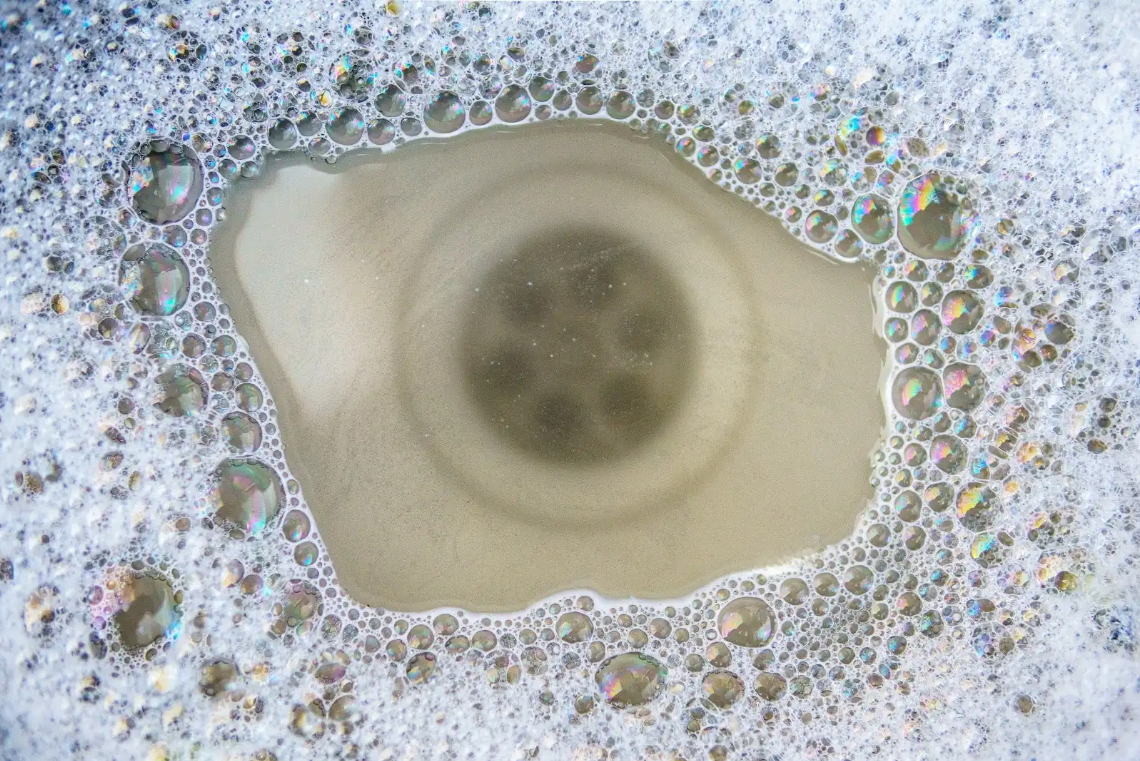
- Gurgling and bubbling sounds from drains and toilets
- Slow-moving drains
- Recurring drain clogs
- Foul drain odors
When all of your drains malfunction at once, call Benjamin Franklin Plumbing® right away.
Regular Sewer Line Inspections and Cleaning
To avoid whole-house back-ups, you should schedule sewer service every 18 to 22 months. Having your sewer line inspected and treated with a rooter machine is key to protecting your plumbing system from New Jersey's many invasive tree and weed species.
Past Problems With Tree Root Encroachment
If you've had a whole-house backup or other problems resulting from tree root encroachment, you may need to schedule rooter service more often. This is especially true if you've cut trees down but have yet to remove their stumps. Some deciduous tree species can regrow from stumps within 12 to 24 months. More importantly, stumps can maintain active root systems for many years after trees have been felled. The danger of repeated sewer line encroachment will exist until damaged sewer pipe sections are replaced or repaired or the related stumps have been ground to below-soil levels.
Why Not Hydro Jetting?
Hydro jetting is an alternative to rooter service that is perfect for relatively new pipes and certain pipe materials. Hydro jetting uses high-pressure water to break tree and weed roots down and flush through sewer lines. However, with pressure levels as high as 3,500 psi or higher, hydro jetting can cause significant damage to terracotta pipes, Orangeburg pipes, and aging pipes with significant cracks or corrosion. Our sewer line cameras and other diagnostic tools inform you that rooter service can provide similar results without further degrading the integrity of your sewer pipes. At Benjamin Franklin Plumbing®, we help homeowners in Beachwood and the surrounding cities maintain healthy, high-functioning sewer lines. We offer expert plumbing installation and repair services, repiping, leak detection, drain cleaning, and sewer line cleaning. Contact Benjamin Franklin Plumbing® for top-notch sewer service today!

 Your Privacy Choices