Leaving home for vacation requires more than locking the doors and adjusting the thermostat. A plumbing leak that would normally be noticed within minutes can continue for hours or days when no one is home. For Ocean County rental properties, frequent guest turnover creates a different concern: plumbing fixtures and drains may receive much heavier use than they do during the rest of the year.
A practical departure and turnover checklist can help homeowners and rental property managers identify leaks, drainage problems, and equipment concerns before they cause a larger disruption. The right precautions depend on how long the property will be empty and whether any plumbing-dependent equipment must continue operating.
Why Rental Properties Require Additional Preparation
Back-to-back guests may mean more showers, laundry, toilet use, cooking, and hot-water demand. That additional use does not automatically damage a plumbing system, but it can expose existing weaknesses such as worn supply hoses, slow drains, running toilets, or a water heater that is already struggling.
Check for Leaks Before Leaving
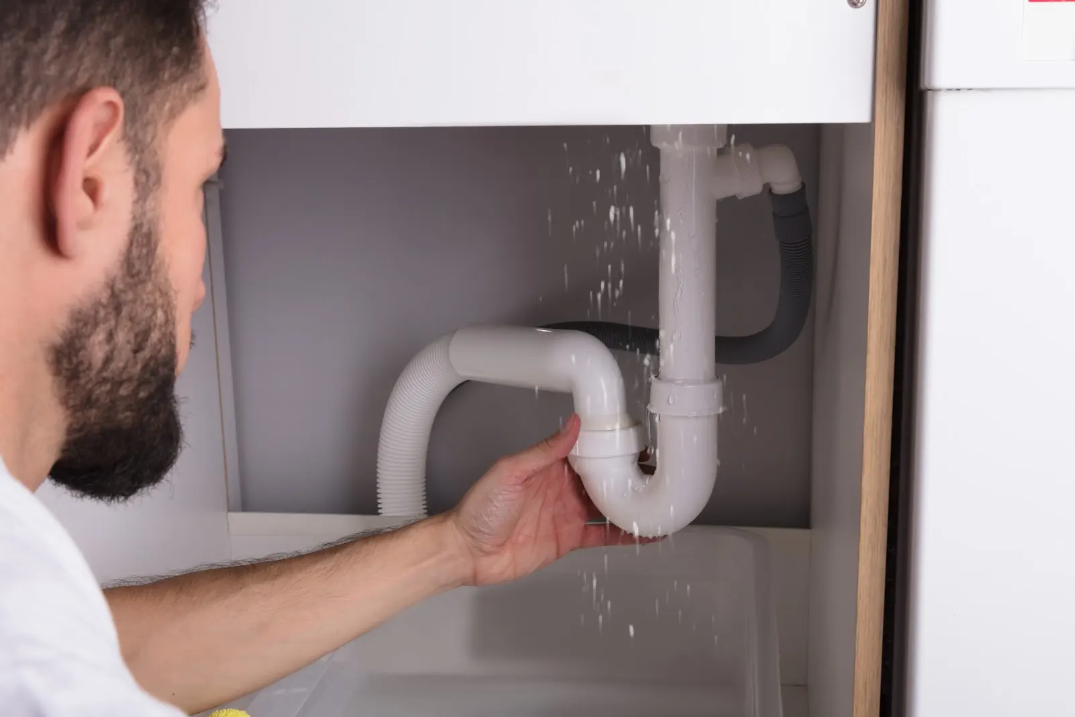
Walk through the property shortly before departure and inspect exposed plumbing connections. Look beneath sinks, around toilets, behind accessible appliances, and near the water heater.
Watch for warning signs such as:
- Water beneath a sink or appliance
- Corrosion around valves and supply connections
- Stains on ceilings, walls, or cabinet floors
- A toilet that continues running after flushing
- Dripping faucets or showerheads
- Moisture around the water heater
- An unexplained musty odor
Arrange for repairs if you find active moisture or a damaged connection.
Make Sure Drains Are Flowing Properly
Run water through sinks, tubs, and showers before leaving. Water should drain without pooling, gurgling, or producing a strong sewer odor. A slow drain may worsen with additional use, particularly in a rental property preparing for new guests.
Do not pour chemical drain cleaner into a slow or blocked drain immediately before leaving. The product may remain trapped inside the pipe if it does not clear the obstruction. Professional drain cleaning can identify and address the problem before the property becomes occupied again.
Should You Shut Off the Main Water Supply?
Shutting off the main water supply can reduce the amount of water released if a supply pipe, fixture connection, or appliance hose fails while the property is empty. However, a whole-home shutoff is not appropriate in every situation.
Some properties have fire-suppression equipment, boilers, irrigation systems, pool equipment, water treatment equipment, or other systems that may depend on an active water supply. Older shutoff valves can also leak or fail when operated after long periods without use.
Before shutting off the main valve, confirm which systems it controls and whether they must remain operational. If you are uncertain, ask a plumber to inspect the shutoff and explain the safest approach for your property.
Rental owners with only a short gap between reservations may prefer to leave the main supply on while closing the individual valves to unused appliances, provided those valves are in good condition.
Handle the Water Heater Carefully
Many water heaters have a vacation or away setting that reduces energy use while the home is unoccupied. Settings and shutdown procedures vary by system type and manufacturer.
Do not close the water supply to a tank water heater while leaving the equipment energized. An electric water heater can be damaged if its heating elements operate without a full tank. Gas equipment also requires the correct control and restart procedure.
Consult the manufacturer's instructions or ask a plumber how to prepare your specific water heater. If the unit is shut down, make sure the tank is completely refilled before restoring electrical power or normal heating operation.
Test the Sump Pump Before Traveling
If the property relies on a sump pump, confirm that the pump has power and that the pit is free of visible debris. The float should move without obstruction, and the discharge line should direct water away from the property.
A primary sump pump cannot operate during a power outage unless the property has an appropriate backup system. Homes that regularly experience water intrusion may benefit from a battery backup or another professionally installed backup option.
Do not disconnect power to the sump pump while preparing the rest of the home for an extended absence.
Use Leak Detection for an Unoccupied Property
Water sensors can provide an early warning when moisture reaches areas near sinks, washing machines, water heaters, toilets, and other vulnerable equipment. Some systems send alerts to a phone, while an automatic shutoff system may stop the water supply after detecting abnormal flow.
Technology does not replace plumbing maintenance, but it can shorten the time between a leak beginning and someone responding. Benjamin Franklin Plumbing® of Ocean County provides professional leak detection services for suspected or difficult-to-locate plumbing leaks.
Prepare a Rental Property Between Guests
A short turnover window is an opportunity to catch plumbing problems before the next reservation begins. Cleaning staff or property managers should know which warning signs need to be reported rather than cleaned up and forgotten.
During each rental turnover:
- Flush every toilet and make sure it stops running
- Confirm that tubs and showers drain normally
- Inspect washing machine and dishwasher connections
- Check for new moisture or staining
- Report recurring clogs, odors, or unusual noises
Keep a record of recurring complaints. A toilet that clogs during several stays or a shower that repeatedly drains slowly may indicate a developing problem that requires more than a temporary fix.
Help Guests Avoid Drain and Toilet Clogs
Guests may not know what the property's plumbing system can handle. Simple, clearly written instructions can reduce preventable clogs without making visitors feel unwelcome.
Ask guests to flush only toilet paper and human waste. Wipes, paper towels, makeup pads, cotton products, and hygiene products belong in the trash, even when packaging describes an item as flushable.
Provide wastebaskets in bathrooms, strainers in showers, and clear kitchen disposal instructions. Encourage guests to remove as much sand as possible before entering showers or tubs. In the kitchen, grease, coffee grounds, fibrous food, and large quantities of scraps should not go down the drain or garbage disposal.
Create a Local Emergency Plan
Vacation homeowners and rental managers should make it easy for another person to respond when they are unavailable. Give a trusted local contact access to the property and show that person where the main water shutoff is located.
Keep the plumber's contact information in the rental guide or property-management records. Guests should also know whom to contact if they notice a leak, sewage backup, overflowing toilet, loss of water, or another urgent plumbing problem.
If sewage begins backing up, occupants should stop using toilets, sinks, showers, washing machines, and dishwashers. Additional water use can worsen the overflow. Keep people and pets away from wastewater and call for professional help.
What to Check When Returning Home
Before restoring a shutoff water supply, inspect the property for visible water, stains, unusual odors, or damaged plumbing connections. If everything appears normal, open the main valve slowly rather than all at once.
Run fixtures gradually and inspect exposed connections as the plumbing system returns to normal use. Check toilets, appliance hoses, the water heater, and the areas beneath sinks. If the water heater was shut down, follow the manufacturer's restart procedure and confirm that a tank system is full before restoring power.
When to Schedule a Plumbing Inspection
Consider a professional inspection when the property will be empty for an extended period, when a seasonal rental is preparing for heavy occupancy, or when you have noticed recurring drainage or leak concerns.
A plumber can evaluate accessible pipes, supply connections, shutoff valves, fixtures, drains, the water heater, and other relevant equipment. The goal is to identify existing concerns and help you decide which repairs or preventive improvements are appropriate before the next absence or guest stay.
Prepare Your Ocean County Property Before Traveling
Benjamin Franklin Plumbing® of Ocean County provides plumbing inspections, leak detection, drain cleaning, sump pump services, water heater service, and emergency plumbing assistance throughout Ocean County and surrounding Jersey Shore communities.
Contact our team to schedule plumbing service before an extended trip or busy rental period.

 Your Privacy Choices