Maintaining good indoor air quality in your home is essential for your family's comfort and well-being. While most people connect indoor air problems to dust, allergens, or chemicals, your plumbing system also plays a major role in keeping your air clean and safe. Leaks, drainage issues, and poor ventilation can all contribute to mold, bacteria, and even harmful gases entering your home. Understanding how your plumbing impacts indoor air quality can help you prevent problems before they start.
Keeping Sewer Gases From Entering the Home
Your plumbing system is designed to safely vent sewer gases outdoors. When installed and maintained properly, it prevents gases such as methane and hydrogen sulfide from leaking into your living spaces. Hydrogen sulfide is responsible for the classic “rotten egg” odor and forms when organic materials decompose inside the drain and sewer pipes. Inhaling sewer gases can cause unpleasant symptoms such as headaches, nausea, and fatigue. In extremely high concentrations, typically only found in confined, unventilated spaces, these gases can become dangerous or even flammable. However, such conditions are rare in homes when plumbing systems are functioning correctly. Your home relies on two key components to prevent sewer gas leaks:
- Vent stacks — This vertical pipe runs through the roof and allows sewer gases to escape outside while allowing air to enter the plumbing system to maintain proper pressure.
- P-traps — Located beneath drains, P-traps hold water that creates a seal, preventing gases from rising back through the drain opening.
If a drain goes unused, the water in its P-trap can evaporate, breaking the seal and allowing odors inside. Simply running water for a few seconds restores the barrier. If vent pipes are blocked or improperly installed, negative pressure can siphon water out of P-traps, which also allows odors inside. Cracked pipes in walls, crawl spaces, or basements can also lead to gas leakage.
Preventing Mold and Mildew Growth
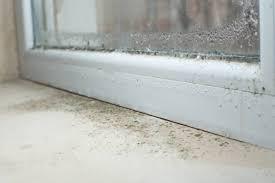
Hidden plumbing leaks are one of the most common causes of mold growth inside homes. Mold and mildew release airborne spores that reduce indoor air quality and worsen respiratory problems, especially for people with allergies or asthma. Pipes can develop leaks due to aging materials, corrosion, or loose connections. Even minor leaks inside walls, under floors, or behind cabinets can create constant moisture that supports mold growth long before you see visible signs. If sewage backs up and isn’t cleaned thoroughly right away, moisture can allow mold to begin forming within 24–48 hours. Drain line issues, loose fittings, and leaking fixtures can also contribute to damp conditions that mold thrives on.
Avoiding Harmful Pathogens
Water heaters can support bacterial growth if they’re not kept at proper operating temperatures. A standard water heater should remain set at 120°F according to safety guidelines, hot enough to reduce bacterial risk while minimizing scalding hazards. Water stored below 120°F for long periods can allow bacteria such as Legionella to multiply. Legionella thrives in warm, stagnant water and can become airborne during showers or other activities that create water mist. Inhaling contaminated droplets can lead to Legionnaires’ disease, a severe form of pneumonia. Older adults, young children, and people with compromised immune systems are at higher risk. Regular water heater maintenance helps ensure safe operation, proper temperatures, and reduced bacterial risk.
The Importance of Regular Plumbing Maintenance and Prompt Repairs
Addressing plumbing issues early is one of the best ways to protect indoor air quality. Problems like slow drains throughout the house, bubbling sounds in pipes, or toilets that gurgle frequently may indicate sewer line blockages or ventilation issues. These problems can cause odors, moisture issues, or, in severe cases, sewage backups. A strong sewage smell isolated to one area may simply indicate a dry P-trap. Running water for a few seconds typically resolves this. However, persistent odors can mean there is a leak, vent blockage, or sewer line problem that requires professional attention. Routine plumbing maintenance is essential. For newer systems with no known issues, an inspection every few years is generally sufficient. For older homes or systems prone to leaks or recurring problems, annual inspections are recommended to prevent more serious issues. From drain and sewer services to leak detection and repairs, our experienced team has the expertise to protect your home and your indoor air quality. With our 100% satisfaction guarantee and on-time promise, you can count on professional service and clear pricing every time. Contact us today to schedule an appointment.

 Your Privacy Choices