
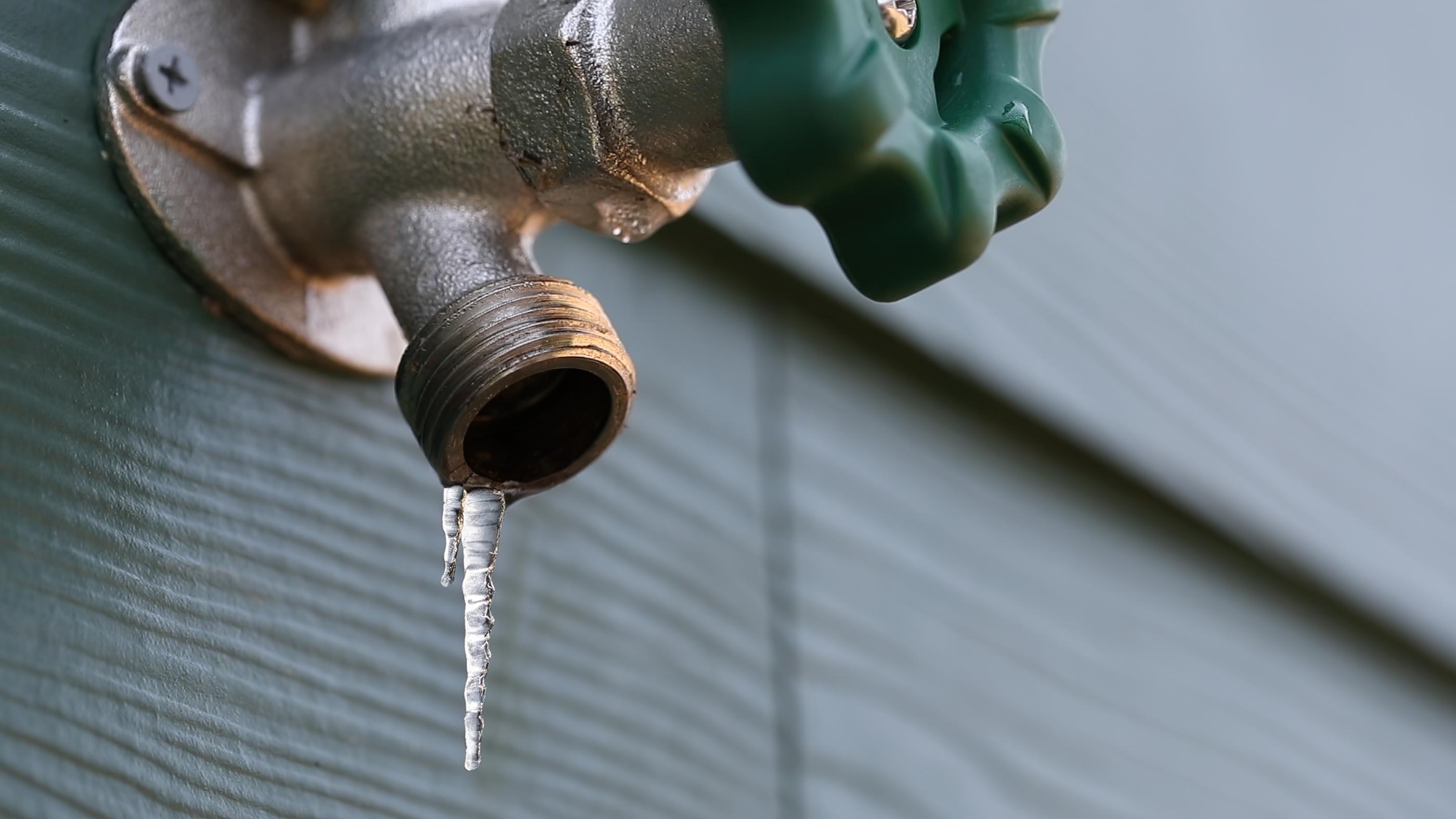
Up here in the North Metro, fall goes fast. One weekend you're raking leaves in Andover or Ham Lake, and the next you're scraping frost off the windshield. With so much going on, the garden hose and outdoor faucet are easy to forget.
That's a problem, because water left in hoses, faucets, or pipes can freeze when temperatures drop. Ice expands, and that puts pressure on fittings and on the pipes inside your walls. The good news is that a few minutes of prep now can save you from finding a leak in your basement later. Let's start with every outdoor water connection around your home.
Disconnect Every Garden Hose
Take every hose off its faucet before the cold sets in. If a hose stays attached, the water inside can freeze and keep the faucet from draining. That frozen water then pushes back on the faucet and the pipe behind it. Drain each hose all the way before you coil it up for winter.
Check each outdoor connection, including:
- Front yard hose
- Backyard hose
- Garage hose
- Short hoses attached to reels
Even a short hose or reel can hold water right against the faucet. Take a quick walk around your whole property before you put the yard gear away. It's an easy way to catch the one connection you missed during fall cleanup.
If you have an in-ground sprinkler system, it needs to be blown out before a hard freeze, too. Your irrigation company can help with that.
Check Outdoor Faucets for Drips Before Winter
If a faucet already drips, deal with it before the temperature drops below freezing. Look for steady dripping, loose handles, or moisture where the faucet goes into the wall. Also check for cracks or damage left over from last winter. Small problems tend to get worse once the cold hits.
Water around the wall opening may mean there's a leak you can't see. Watch for damp siding, moisture in your basement, or stains on the inside wall behind the faucet. Those signs can mean water is escaping somewhere past the faucet itself. A plumber can find the source before winter makes it harder to fix.
Know What Kind of Outdoor Faucet You Have
Most homes around here have one of two kinds of outdoor faucets. A standard hose faucet shuts off the water right at the outside handle. A frost-free faucet shuts off the water farther inside your home, where it's warmer. When it's installed and used correctly, the leftover water drains out on its own.
Frost-free doesn't mean freeze-proof, though. A hose left attached can keep the water from draining. A damaged faucet can also freeze during a long cold stretch. Knowing which kind you have helps you know which steps to take.
Shut Off and Drain Exterior Lines When the Home Is Set Up for It
Many North Metro homes, especially older ramblers and split-levels, have a shutoff valve in the basement for each outdoor faucet. It's usually on the pipe that runs toward the outside wall. If your home has one, close it, then go outside and open the faucet. That lets the leftover water drain out of the line.
Don't force a valve that feels stuck. Older valves can start leaking if you turn them too hard. If you're not sure which valve controls the faucet, leave it alone. One of our plumbers can find the right shutoff and make sure it's in good shape.
Do You Need a Faucet Cover?
An insulated faucet cover adds a layer of protection to an outdoor faucet. It's especially helpful on walls that face our strong winter wind. A cover works best as an extra step, though, not a replacement for the basics. Always disconnect your hoses before you put one on.
Every home is built a little differently, and some faucets sit in more sheltered spots than others. A cover can help when a faucet is still exposed after you've done everything else. Just don't count on it alone to stop a freeze.
Pay Extra Attention to Plumbing in Garages and Exterior Walls
Outdoor faucets aren't the only pipes that feel our Minnesota cold. Plumbing in garages, outside walls, and other unheated spaces can freeze, too. Check utility sinks, garage faucets, and any pipes you can see along cold walls.
Pipes that run to additions, three-season porches, or other rooms that don't get much heat may need extra care. A long cold stretch in January can reach pipes that seemed fine in November. Watch for drafts near doors, wall openings, and gaps where pipes come through. If those pipes are hard to reach, a plumber can help protect them.
What if You Forget Before the First Freeze?
It happens to all of us. If a freeze shows up before you've winterized, disconnect the hose as soon as you safely can. Don't force a frozen fitting or a hose that won't come loose. Once it warms up, turn on the faucet and check for normal flow and any leaks. Keep an eye on the wall and basement area behind it, too.
It's also smart to know where your home's main water shutoff is before you ever need it. Make sure the other adults in your home know where it is as well. If you see water inside a wall or in the basement, shut off the main supply. Then call a plumber to check for freeze damage.
Signs an Outdoor Faucet May Have Frozen
Freeze damage isn't always easy to spot while it's still cold outside. A faucet might stop working or only trickle. Leaks often show up later, once the ice melts and water starts moving again. Cracked fittings or water inside your home are stronger signs that you need a repair.
Watch for these warning signs:
- No water comes out
- Only a weak trickle comes out
- The faucet leaks after it thaws
- Water shows up in your basement or wall
- Fittings look cracked
Getting your outdoor plumbing ready for winter is just part of living in the North Metro. At Benjamin Franklin Plumbing®, we know the frozen-pipe worries our neighbors face every winter, because we face them, too. Our plumbers handle outdoor plumbing, leak detection, and 24/7 emergency plumbing. And we're The Punctual Plumber: If there's any delay, it's you we pay!®
Call Benjamin Franklin Plumbing® for outdoor faucet repair and freeze-damage help. We proudly serve Andover, Ham Lake, Forest Lake, North Branch, and communities across the North Metro.

 Your Privacy Choices