It’s important to thoroughly check your home’s plumbing system after the spring thaw. With a small amount of effort, you can catch hidden damage that freeze-thaw cycles may leave behind. Catching problems early can help keep damage to a minimum and reduce repair costs.
What Should I Be Checking Outside?
When you think about your home’s plumbing system, you probably think about indoor fixtures. While they’re a big part of the system, many components are located outside. These exterior features take the brunt of winter’s freezing temperatures and harsh conditions, so it’s not unusual for issues to appear once spring arrives.
Make sure you check these exterior areas after the spring thaw:
- Exterior spigots
- Irrigation systems
- Gutters and downspouts
- Yard drainage
Inspect Exterior Spigots
When inspecting outdoor spigots, begin with a visual check. Look for bulges, cracks, or visible damage on the faucet or the pipe leading into the wall. Next, test the flow and pressure by turning the water on. The flow should be steady. If it’s weak or sputters, it may indicate internal damage.
While the water is running, check for leaks around the spout, handle, and where the pipe enters your home. If you place your thumb over the spigot and can easily stop the flow, it may indicate a pressure issue or possible damage inside the line. It’s also a good idea to check the interior pipe in your basement or crawlspace for signs of leaks.
Check the Irrigation System
Slowly open the main water valve to your irrigation system to allow pipes to fill gradually. This helps reduce the risk of water hammer, which can stress the system. Inspect valve boxes for standing water that may indicate leaks.
Run each zone briefly to ensure proper operation. Check sprinkler heads for clogs, damage, or misalignment, and make sure they spray evenly. Watch for unusually wet or overly green patches in your yard, which can indicate an underground leak. Also confirm that your timer and any rain sensors are functioning properly.
Clean Your Gutters and Downspouts
Dirt and debris can collect in gutters and downspouts over winter. Cleaning them helps ensure that melting snow and spring rain drain properly. This can reduce the risk of water pooling near your foundation and limit excess strain on your drainage systems.
Check Your Yard Drainage
Look for standing water or consistently wet areas in your yard. While these spots can sometimes be related to poor drainage, they may also indicate a possible underground water line or sewer issue. Freeze-thaw cycles and shifting soil can place stress on buried pipes, potentially leading to cracks, misalignment, or leaks that require professional attention.
What Should I Watch for Inside?
There are several signs inside your home that may indicate a plumbing issue. Identifying these early can help prevent small problems from developing into more serious and costly repairs.
Put the following tasks on your interior plumbing checklist:
- Test the sump pump
- Look for condensation
- Schedule water heater maintenance
- Inspect sewer line performance
Test the Sump Pump
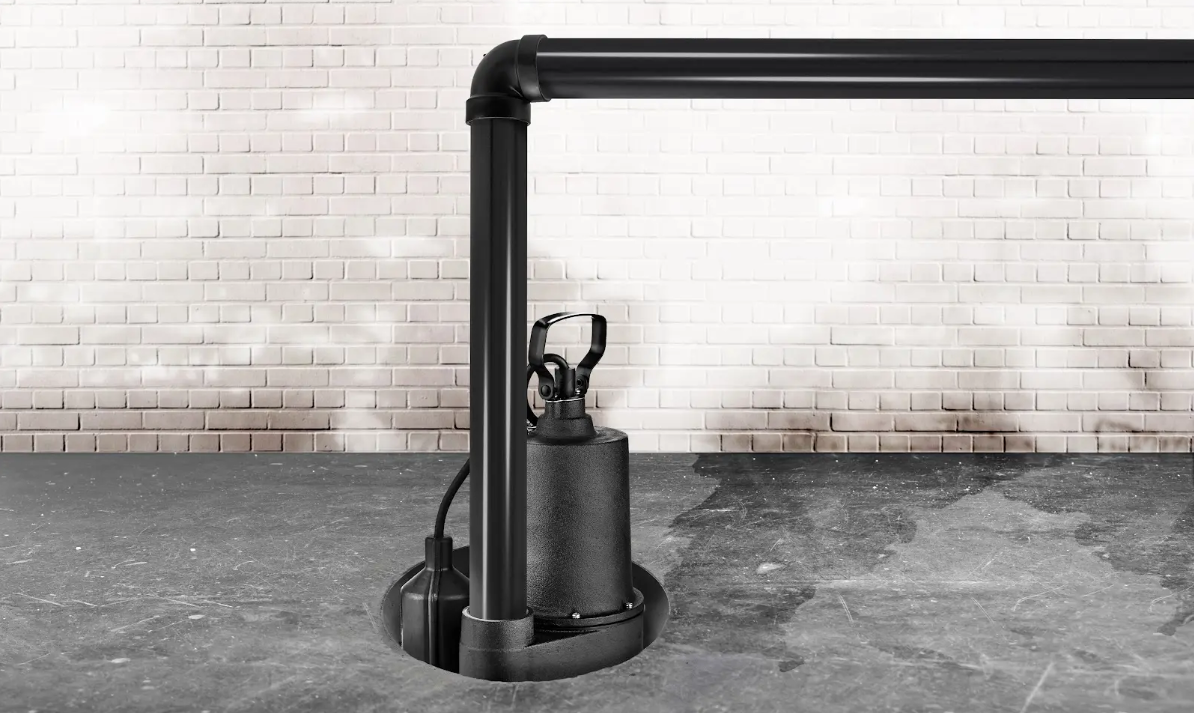
Spring thaw and seasonal rain can increase the amount of water around your home’s foundation, making a functioning sump pump essential.
To test it, pour water into the sump pit and make sure the pump activates and shuts off properly. Also check that the discharge line is clear and that any backup battery system is charged and ready in case of power outages.
Do You Have Pipe Condensation?
As temperatures rise, warm air can come into contact with cooler pipes, causing condensation. This can make pipes appear to be “sweating.” Insulating exposed pipes with foam sleeves can help reduce this effect. Managing indoor humidity with proper ventilation or a dehumidifier can also help prevent moisture-related issues.
Are You Scheduling Routine Water Heater Maintenance?
During winter, water heaters often work harder, which can lead to sediment buildup inside the tank. Over time, this can reduce efficiency and strain the system.
A professional inspection can check key components such as the pressure relief valve, thermostat, and heating elements. Flushing the tank can help remove sediment and support better performance.
Ensure Sewer Lines Are Functioning Properly
Your sewer line carries wastewater away from your home. In some cases, tree roots may enter these lines through small cracks or joints. As plants become more active in spring, root intrusion may become more noticeable.
Common warning signs include slow drains, gurgling sounds, or recurring backups. A professional inspection using a sewer camera can help identify issues and determine the appropriate solution. In some cases, trenchless repair methods may be available to reduce disruption to your yard.
Seek Professional Assistance
If you notice anything unusual during your spring plumbing checks, it’s best to contact a professional. At Benjamin Franklin Plumbing® in North Metro, MN, our team can address a wide range of plumbing concerns, from minor repairs to more complex system issues.
We provide services including drain cleaning, pipe repair, sewer line inspection, and water heater maintenance. Our goal is to help keep your plumbing system operating safely and efficiently throughout the season.
Contact Benjamin Franklin Plumbing® in North Metro, MN today to schedule service or learn more about maintaining your plumbing system this spring.

 Your Privacy Choices