Summer travel season is here, and whether you are headed out for a long weekend or a long month, your plumbing should be part of your pre-trip checklist. Shut off the water main, look under sinks and around fixtures for drips, test your sump pump, examine your water heater, and make sure your toilets and drains are functioning properly before you go. A small leak or unnoticed problem can become a much bigger issue while you're away. A bit of preparation goes a long way toward providing peace of mind and protecting your home when you are gone. Here are the essential plumbing checks every North Metro homeowner should make before traveling this summer.
Shut Off the Main Water Supply
Water damage often strikes when no one is around to notice it. Shutting off the main water valve before you leave can reduce the risk of leaks causing serious damage while your home is empty. A leaking pipe, failed supply line, or fixture problem can release a lot of water if the supply is still on. Finding the valve ahead of time also removes last-minute stress before your trip.
If you do not know the location of your water shut-off, call a licensed plumber for an evaluation. Even though it seems minor, skipping this check might lead to serious issues later on. Valves can also become stiff, corroded, or difficult to close if they have not been used in a long time. Testing yours before you travel removes uncertainty during emergencies. That brief moment spent checking could prevent extensive damage down the line.
Check Under Sinks and Around Fixtures for Leaks
Before you go, spend a few minutes checking under your kitchen and bathroom sinks. Feel for moisture, water-softened spots, or bubbled areas in the floor of your cabinet. These are often signs of a slow drip that has not caused obvious damage yet, but could if left unattended for days.
Inspect your toilet base and washing machine supply lines, as well as your water heater, for any signs of moisture. Look for corrosion, staining, puddling, or musty odors that may point to a hidden leak. Dealing with a small problem before a trip is a lot less stressful than coming home to water damage and a potential mold issue.
Inspect Your Water Heater
Most of the time, your water heater continues to maintain hot water even when no one is using it. Just before leaving the house, scan the bottom area for standing moisture, reddish marks, corrosion, or signs of metal breakdown. If you spot any of these issues, it is better to call in a professional before you leave instead of facing possible damage later. Coming back to a flooded basement or utility room is not something anyone plans for.
You can also turn your water heater down to its "vacation" setting, if it has one, or lower the thermostat manually to reduce energy use while you're away. For some systems, especially gas or tankless units, it is best to follow the manufacturer’s instructions or ask a plumber if you are unsure. A pre-trip checkup just makes sense, especially if your water heater is over 10 years old or has shown signs of wear.
Test Your Sump Pump
If your North Metro home has a basement, your sump pump is one of the most important lines of defense against water intrusion, especially during Minnesota's summer rain season. Before you leave, test your sump pump by pouring water slowly into the pit. The pump should activate quickly and clear the water without unusual sounds or delays.
If the pump hesitates, makes grinding noises, or does not activate at all, do not leave without addressing it. A failed sump pump during a heavy rain event can result in significant basement flooding and expensive damage. If your unit is aging or showing signs of wear, reaching out to a licensed plumber about repair or replacement before your trip is a much better option than coming home to a flooded basement.
Look for Running Toilets
A small sound might catch your ear as you walk past the bathroom, such as a faint hiss lingering long after the flush ends. That quiet noise could mean you are losing gallons of water each day while you are away. You can also place a few drops of food coloring in the tank and wait a few minutes without flushing. If color appears in the bowl, your flapper valve may be leaking and allowing water to pass from the tank into the bowl.
A toilet that keeps running usually needs a basic repair, but it pays to sort it out before leaving. When spotted early, arranging help from a plumber before heading off can help you avoid unnecessary water waste and a higher utility bill later.
Check Outdoor Spigots and Hose Bibs
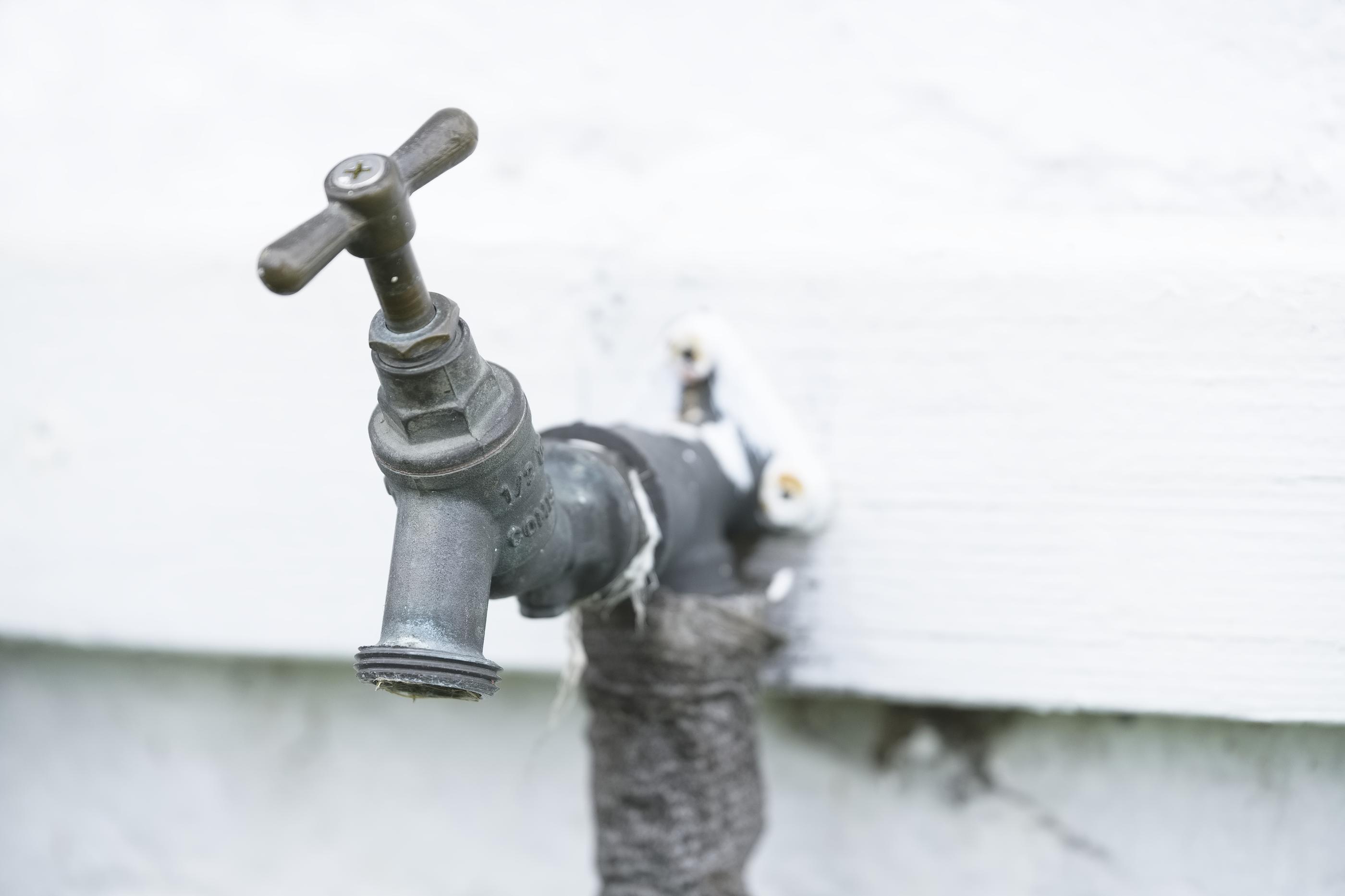
Outside, check each faucet closely where the pipe meets the siding. Then examine every connection point between the hose and spigot and make sure no hoses are still attached unnecessarily. One by one, confirm all valves are fully closed and not dripping. If overlooked, even slight leaks can continue the entire time you are gone. Water pooling near the foundation can also attract pests and contribute to excess moisture around your home.
If you notice any dripping, difficulty turning a faucet off completely, or visible corrosion around the fitting, have it repaired before you leave. Outdoor plumbing is often overlooked during pre-trip preparation, but it deserves the same attention as your indoor fixtures.
Inspect Your Drains
Water flowing slowly through a drain might seem minor at first, but slight blockages tend to worsen over time with regular use. Before leaving, test every sink, bathtub, and shower by running water and watching how quickly it drains. If flow appears delayed, taking care of it before your trip can help prevent a clogged drain from becoming a frustrating problem when you return.
For minor buildup, you can try flushing the drain with hot water. Avoid harsh chemical drain cleaners, which can damage some pipes and may not fully clear the blockage. If the slow drain persists, contact a plumber for professional drain cleaning before you leave. Coming home to a backed-up drain is an unpleasant start to post-vacation life.
Consider a Leak Detection Device
Homeowners who often leave town may find smart leak sensors useful. These devices can help detect moisture in vulnerable areas, such as under sinks, near water heaters, around washing machines, or close to sump pumps. Some whole-home systems can also monitor water flow and alert you to unusual usage that may indicate a leak. A few models can even shut off the water automatically when a serious problem is detected.
If you're interested in leak detection options for your North Metro home, a licensed plumber can walk you through available choices and recommend a solution that fits your home's setup and your travel habits. It's a worthwhile conversation to have before a long trip.
Schedule a Pre-Trip Plumbing Inspection
If you want complete confidence before you leave, the most thorough option is to schedule a professional plumbing inspection. A licensed plumber can assess key parts of your system, look for hidden concerns, and recommend repairs before small issues have a chance to become bigger problems. Because their work targets weak spots ahead of failure, your plumbing is more likely to remain stable during your absence.
This is particularly worthwhile if your house is older, if you have noticed any problems lately, or if you are going to be gone for a long time. An inspection does not take long, and the cost is minimal compared to the expense and stress of dealing with water damage after a vacation.
Leave for Your Trip With Confidence
A bit of advance preparation can protect your home and your peace of mind. From turning off the main water line to testing your sump pump, these precautions can help you avoid returning to an unwelcome plumbing problem.
If you’re a homeowner in Andover, White Bear Lake, Lino Lakes, Forest Lake, Hugo, Ham Lake, or the greater North Metro region and you’re planning a summer getaway, Benjamin Franklin Plumbing® in North Metro can help prepare your plumbing for your trip. Whether you need a fast fix, a sump pump replacement, or a complete pre-trip evaluation, call us to schedule an appointment.

 Your Privacy Choices