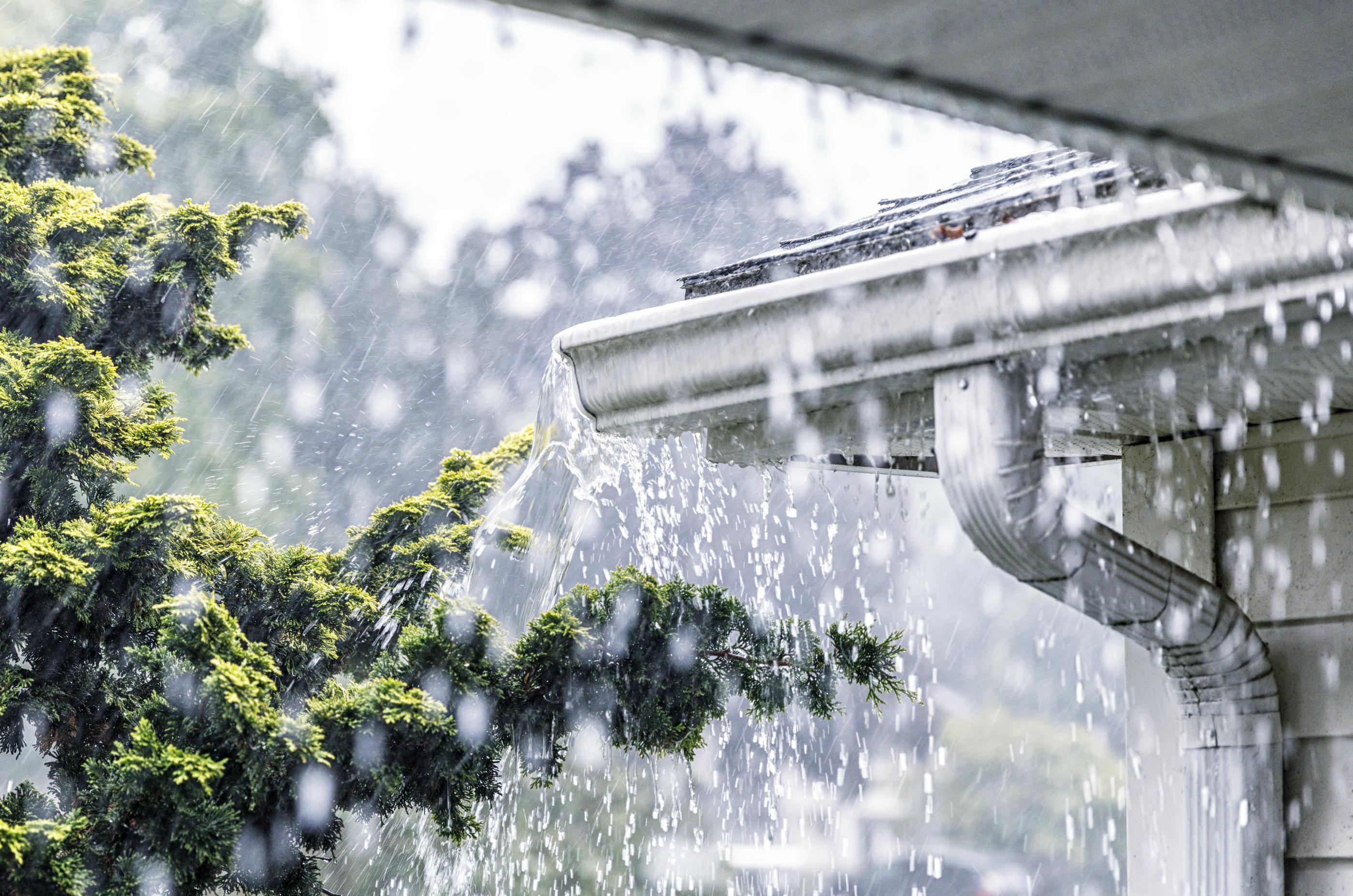
Heavy rainstorms can place significant stress on residential plumbing systems throughout the North Metro area. When large amounts of rainfall enter municipal sewer infrastructure, pipes and treatment systems must handle far more water than usual. If the system reaches capacity, wastewater can slow or reverse flow, increasing the risk of sewer backups in homes. These events can cause serious property damage and health concerns, especially in homes with basements or lower-level plumbing fixtures.
Why Rainy Season Increases Sewer Backup Risks
Municipal sewer systems move wastewater from homes through underground pipelines that lead to treatment facilities. During normal conditions, these pipes carry water efficiently away from residential neighborhoods. However, heavy rainfall introduces additional water into the system through storm drains.
When stormwater enters the sewer network quickly, the system may struggle to keep up with the increased volume. Wastewater moves more slowly through pipes as pressure builds inside the system. Additionally, some suburban areas rely on lift stations to pump wastewater to treatment plants. During a storm, these stations can temporarily reach capacity.
Homes connected to the sewer line may experience reverse flow if the pressure on the system becomes high enough. Wastewater may enter the home through basement drains, toilets, or shower drains located at the lowest points of the plumbing system. Houses with basements or lower-level plumbing fixtures face a higher risk because these fixtures are closer to the sewer line's elevation.
Tree Roots and Aging Sewer Lines
Tree root intrusion represents one of the most common causes of sewer line deterioration in North Metro neighborhoods. Trees naturally seek moisture and nutrients underground, and sewer pipes provide a consistent source for both. Even small cracks in sewer pipes allow roots to enter and grow inside the line, which can become a major problem when heavy rain increases the amount of water moving through the system.
Once roots enter the pipe, they expand and create dense networks that trap debris. Grease, paper products, and other waste materials begin to accumulate around the roots, which restricts water flow through the sewer line. During dry weather, wastewater may still move through the partially blocked pipe. However, when heavy rain hits North Metro, a partially blocked pipe may not be able to handle the added pressure, increasing the risk of wastewater backing up into the home.
Older sewer pipes made from clay, cast iron, or other aging materials often develop cracks, corrosion, or joint separation over time. These weaknesses allow roots to enter the pipe more easily and cause greater structural damage. Regular sewer inspections and preventative root removal can help homeowners keep sewer lines clear and reduce the chances of backups during heavy rain.
Stormwater Overloading the Sewer System
Many older communities still operate combined sewer systems that carry both stormwater and household wastewater in the same network of pipes. During periods of heavy rainfall, stormwater runoff from streets, driveways, and rooftops enters these systems quickly. The sudden increase in water volume places tremendous strain on the sewer infrastructure. Municipal pipes must handle both household wastewater and stormwater at the same time. When rainfall exceeds the system’s capacity, water pressure increases within the pipes.
As pressure rises, wastewater begins to move backward through branch sewer lines that connect individual homes to the main system. This reverse flow can push contaminated water into basements through drains, toilets, and other plumbing fixtures. Even homes with properly functioning sewer lines can experience problems when the municipal system becomes overloaded. For this reason, preventative plumbing solutions are essential for protecting homes during severe weather events.
Warning Signs Your Sewer Line May Be at Risk
You might notice subtle warning signs before a full sewer backup occurs. Recognizing these early indicators allows homeowners to address problems before the next heavy rainstorm arrives. Slow drains throughout the home often signal a blockage developing in the main sewer line. If sinks, tubs, and toilets begin draining slowly at the same time, the issue likely exists deeper in the plumbing system rather than in a single fixture.
Unpleasant odors coming from plumbing fixtures may also indicate sewer flow problems. Wastewater that moves slowly through pipes may release odors as it struggles to pass through a blockage. Gurgling sounds in drains or toilets may occur when air becomes trapped in the plumbing system. This often occurs when wastewater cannot move freely through the pipes.
How Backwater Valves Protect Your Home
A backwater valve offers one of the most reliable ways to protect homes from sewer backups caused by heavy rain. This device installs in the home’s sewer line and allows wastewater to flow out while preventing reverse flow from entering the house.
When water pressure increases in the municipal sewer system, the backwater valve automatically closes. This closure prevents wastewater from traveling backward through the pipe and entering the home. Once the pressure in the sewer line returns to normal levels, the valve opens again and allows wastewater to exit the home normally. This automatic function provides continuous protection during storms without requiring intervention.
Our team can typically install backwater valves either inside the basement floor or along the exterior sewer line, depending on the home’s plumbing configuration. Although installation requires professional plumbing work, the protection it provides can prevent thousands of dollars in water damage.
Routine Sewer Line Maintenance Reduces Risk
Routine maintenance remains one of the most effective ways to prevent sewer backups during the rainy season. Professional plumbers can inspect sewer lines using specialized camera equipment that travels through the pipe and captures detailed images of its interior. A sewer camera inspection allows our team to identify root intrusion, structural damage, and debris buildup that may restrict wastewater flow. This inspection process provides valuable information about the condition of the sewer system without requiring excavation.
Once we identify potential problems, we can recommend appropriate cleaning or repair solutions. Hydro-jetting is often an effective method for clearing stubborn blockages in sewer lines. This process uses high-pressure water to remove roots, grease, and debris from the pipe walls. Hydro-jetting restores the pipe’s full capacity and allows wastewater to move freely through the system.
What to Do if a Sewer Backup Occurs
If wastewater begins entering your home during a storm, immediate action can help limit damage and protect your family’s health. Avoid using sinks, toilets, washing machines, or dishwashers because additional water can worsen the backup. Keep people and pets away from affected areas, and avoid direct contact with contaminated water. If it is safe to do so, turn off electricity to affected areas to reduce the risk of electrical hazards.
After taking these initial steps, contact a professional plumber as soon as possible to inspect the problem and recommend the right solution. Fast action can help reduce property damage and address the source of the backup before conditions get worse.
Protect Your Home Before the Next Storm
Heavy rain can expose hidden sewer line problems and place extra strain on municipal systems throughout the North Metro area. Taking preventative steps now can help reduce the risk of backups, water damage, and costly repairs later. Benjamin Franklin Plumbing® can inspect your sewer line, identify developing issues, and recommend solutions that help protect your home during the rainy season.
If you want to prepare your North Metro, MN home before the next major storm, contact Benjamin Franklin Plumbing® today to schedule a professional sewer inspection.

 Your Privacy Choices