Household plumbing systems have a much bigger impact on the environment than many homeowners realize. From the amount of water we use each day to the energy required to treat, transport, and heat that water, plumbing plays a major role in overall resource consumption. Wasted water from leaks or inefficient fixtures only adds to the problem.
By making a few strategic plumbing upgrades and adopting smarter daily habits, you can significantly reduce water and energy waste. These changes not only support a more sustainable lifestyle but can also lower utility bills and extend the lifespan of your plumbing system.
Upgrade to Low-Flow Fixtures
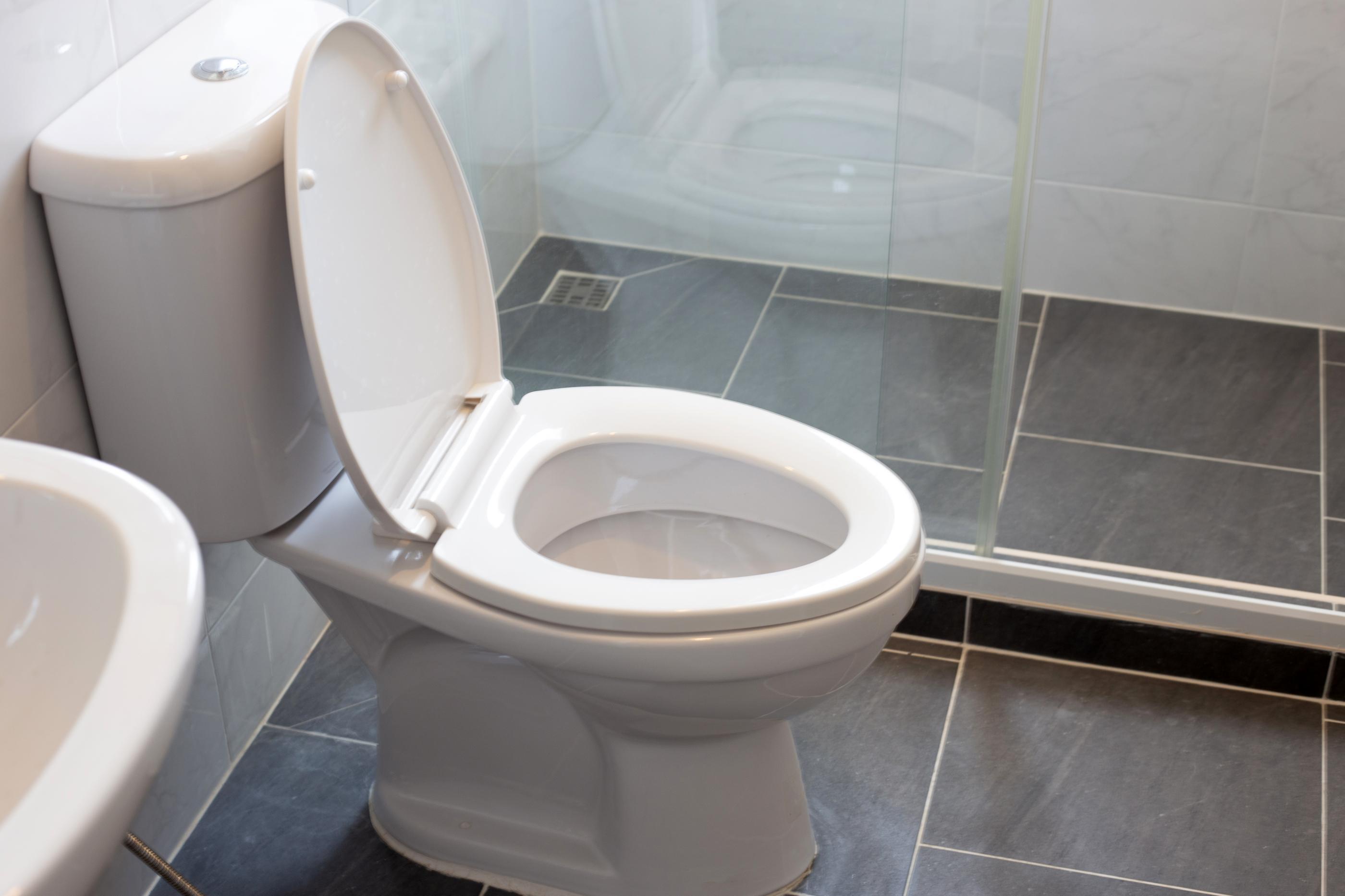
Water conservation is one of the most effective ways to reduce environmental impact at home. Replacing outdated faucets, showerheads, and toilets with low-flow fixtures can dramatically reduce water use without sacrificing performance or comfort.
Federal water-efficiency standards for residential plumbing fixtures took effect in the mid-1990s. While newer homes comply with these requirements, many older homes still have higher-flow fixtures installed. Older toilets often use around 3.5 gallons per flush, while modern toilets are limited to 1.6 gallons per flush or less. Likewise, older faucets and showerheads often use significantly more water per minute than today’s efficient models.
For even greater water savings, consider fixtures that carry the EPA’s WaterSense label. To earn this certification, toilets must use no more than 1.28 gallons per flush, faucets are limited to 1.5 gallons per minute, and showerheads are designed to use no more than 1.8 gallons per minute while maintaining strong performance.
Dual-flush toilets offer additional flexibility by providing a reduced flush for liquid waste and a standard flush for solid waste. Small habit changes also make a meaningful difference. Turning off the faucet while brushing your teeth or shaving and taking shorter showers can prevent unnecessary water waste and add up to substantial savings over time.
Install a Smart Water Monitor and Leak Detection System
Plumbing leaks are a major source of water waste in homes across the United States. Running toilets, dripping faucets, and hidden pipe leaks can waste thousands of gallons of water each year if left unaddressed.
Installing a smart water monitor or leak detection system helps homeowners catch problems early. These devices track water usage patterns throughout the home and can alert you to unusual activity that may indicate a leak. Many systems send notifications directly to your smartphone, allowing you to take action quickly.
Some models also include automatic shut-off features that can stop water flow during major leaks, helping reduce water damage and costly repairs. Access to detailed water usage data can also encourage better habits by showing exactly how much water is used for activities like showering, laundry, and irrigation.
Install a Tankless Water Heater or a Heat Pump Water Heater
Heating water requires a significant amount of energy. On average, water heating accounts for a large portion of a household’s total energy use, making it an important area to target for efficiency improvements.
Traditional tank-style water heaters are generally the least efficient option because they continuously heat and store water, even when it is not being used. Switching to a tankless or heat pump water heater can significantly reduce energy consumption.
Heat pump water heaters are among the most energy-efficient options available. Under the right conditions, they can use substantially less energy than standard electric or gas water heaters. However, their performance depends on factors such as household hot water demand, installation location, and proper sizing. Excessive hot water use over short periods can activate backup heating elements, reducing efficiency.
Tankless water heaters offer a different set of benefits. Energy savings depend on daily hot water usage, with greater savings typically seen in homes that use less hot water overall. While tankless units may not always match the efficiency of heat pump systems, they provide a longer lifespan, compact design, and an on-demand supply of hot water.
Keep the Water Heater Set Around 120°F
Many homeowners set their water heaters higher than necessary, which increases energy use and raises the risk of scalding. A temperature setting around 120°F is commonly recommended because it balances efficiency, comfort, and safety.
Maintaining this temperature helps reduce energy consumption while still providing water that is hot enough for everyday household needs. It also lowers the risk of burns, especially for children and older adults.
Insulate the Water Heater Tank and Hot Water Pipes
Insulating a standard or heat pump water heater tank helps reduce standby heat loss, especially if the unit is located in an unheated area such as a basement or utility room. By keeping stored water warmer for longer, the heater does not need to run as often.
Insulating hot water pipes also improves efficiency. Without insulation, hot water in pipes cools quickly when not in use, meaning more water and energy are wasted while waiting for hot water to reach faucets. Insulated pipes help hot water arrive faster and stay warmer, conserving both water and energy.
Install a Water Filtration System
A home water filtration system provides consistent access to clean, great-tasting drinking water while reducing reliance on bottled water. Bottled water has a significant environmental footprint due to plastic production, transportation, and disposal.
Millions of plastic water bottles are discarded each day in the United States, many of which end up in landfills or waterways. Producing plastic bottles also requires substantial amounts of oil, water, and energy. Choosing filtered tap water helps reduce plastic waste and lowers environmental impact while offering a convenient and sustainable alternative.
At Benjamin Franklin Plumbing® in North Metro, MN, we help homeowners make environmentally responsible plumbing upgrades that reduce waste and improve efficiency. From leak detection and water heater installations to fixture replacements and water filtration systems, our experienced team is here to help. Contact us today to schedule service and take the next step toward a more sustainable home.

 Your Privacy Choices