

Key Takeaways About Water Heater Repair
Water heater repair covers diagnosing and fixing leaks controls and heating components to restore safe hot water. This guide is for homeowners and property managers who need reliable repair choices when they notice symptoms or safety risks.
- Identify visible leaks unusual noises and temperature problems promptly.
- Prevent larger failures with regular flushing and anode rod checks.
- Avoid surprise costs by requesting written estimates and timelines.
- Spot electrical or gas signs and stop using the unit immediately.
- Reduce risk by choosing technicians who document tests and readings.
- Plan maintenance and warranty paperwork to support future claims.
Introduction
When a water heater starts leaking, running out of hot water, or making loud noises, homeowners face more than inconvenience. Ignoring those signs can lead to higher energy bills, water damage, and unexpected replacements. Finding water heater repair you can trust reduces downtime and limits costly damage. Homeowners in Conway, SC often notice small problems become big ones if left unchecked.
Not every plumber handles water heaters the same way, and experience matters for safe, long-lasting repairs. A professional who understands valves, thermostats, pressure reliefs, and electrical connections will diagnose problems more accurately. Clear communication about what they find and why it matters helps you decide next steps. Properties in Myrtle Beach, SC can be especially sensitive to delayed repairs because of humidity and property values.
Good repair professionals perform visible checks, use basic diagnostic tools, and explain findings before recommending parts or replacement. Expect inspections of the shutoff valve, drain pan, pressure-relief valve, and supply lines alongside temperature and pressure readings. A careful plumber will document what they tested and what the results show. That documentation gives you confidence in the recommendation and the cost estimate you receive.
Trust builds from qualifications, warranties, and written estimates that match the work done on your water heater. Ask how a technician will confirm the root cause before any major repairs or replacement. Look for clear timelines for parts, labor, and follow up work so you know when hot water returns. Choosing a pro who explains diagnostics and backs their work helps avoid repeat visits and surprise bills.
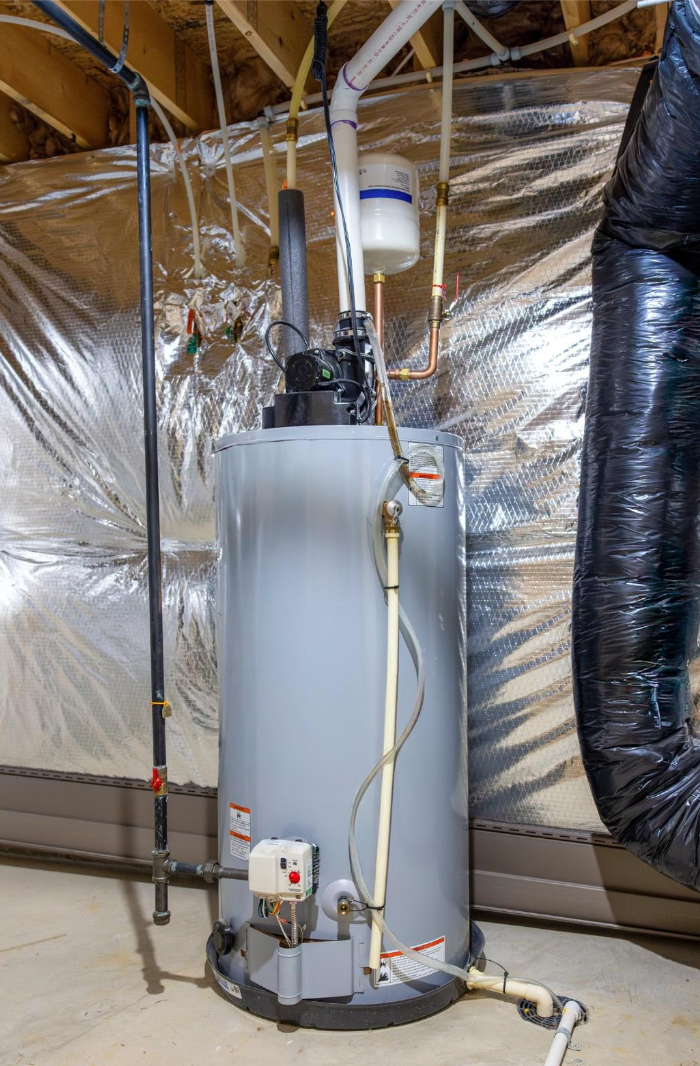
Photo from iStock - Credit: Greggory DiSalvo
How Traditional Water Heaters Work and Fail
Traditional tank-style water heaters store and heat a volume of water in an insulated tank for on-demand use. The tank contains a cold-water supply, a hot outlet, a thermostat, heating elements or a gas burner, and a temperature-pressure relief valve. Homeowners often ask how these parts cause failures, and the short answer is wear, sediment, corrosion, and faulty controls. Knowing the basic parts helps you understand why a tech inspects specific components during a repair.
- Cold-water inlet and dip tube can restrict flow.
- Thermostat and heating elements control temperature.
- Pressure-relief valve prevents overpressure incidents.
- Drain valve and anode rod affect tank longevity.
Heat source problems show different symptoms depending on whether the unit is electric or gas, and technicians check that accordingly. An electric heater will show continuity or voltage issues at the heating elements and thermostat with a multimeter. A gas heater requires checking the burner, pilot or ignition system, and proper venting to confirm safe combustion. The diagnosis often includes a temperature and pressure reading to confirm operational limits before repair recommendations.
Corrosion and sediment build-up are common long-term failure modes that reduce efficiency and cause noises like popping or rumbling. A plumber will inspect the drain valve, anode rod condition, and may examine tank thickness if leaks are suspected. Visible rust, water stains, or a soaking drain pan are clear homeowner cues that need professional attention. For properties in Conway, SC, these signs can appear sooner in older systems that never received regular flushing.
Leaks usually originate from fittings, valves, or the tank itself, and the repair path depends on the leak source and tank condition. A technician will test supply lines, shutoff valve, pressure-relief valve, and connections before recommending a repair or replacement. If the tank body leaks, replacement is generally the only safe long-term option because internal corrosion compromises integrity. Homeowners in Myrtle Beach, SC should prioritize quick action on leaks to limit water damage and mold growth.
Common Causes of Water Heater Repair Needs
Sediment buildup inside a tank can reduce heating efficiency and cause popping or rumbling noises during operation. A technician may check for sediment by draining some water and examining it for grit or discoloration. If buildup is present, the technician may recommend flushing the tank or adjusting the maintenance schedule. Tankless systems can develop mineral deposits too, so homeowners with these units can read our guide on how to prevent tankless water heater scale buildup.
Corrosion affects connections, anode rods, and the tank shell in different ways and often shows as rust-colored water or visible rust at fittings. A pro inspects the anode rod to judge remaining protection and examines threaded fittings for pinhole leaks. If corrosion has eaten through the tank wall, replacement is typically the safest option rather than patching.
Faulty controls and sensors cause temperature swings or no heat and often present as inconsistent water temperature or frequent cycling. Repair steps include testing the thermostat, heating elements, and applying a voltage or continuity test when safe. For gas units, techs check the thermocouple or ignition system and observe flame characteristics to confirm combustion issues.
Leaks often develop around valves, fittings, and supply lines before the tank itself fails. Damp flooring, water stains, or a consistently wet drain pan can signal a developing problem. A plumber can inspect the shutoff valve, temperature-pressure relief valve, drain valve, and supply connections to pinpoint the source. Homeowners interested in additional monitoring options can also read our guide on the best smart water monitors for leak detection. Early detection may help limit water damage and allow smaller problems to be addressed before they become more extensive.
Key Warning Signs You Need Professional Service
Watch for sudden loss of hot water that affects every tap in the house, since this suggests a major heating or supply failure. Another clear sign is water pooling near the heater that does not dry between cycles, indicating an active leak needing professional attention. Unusual odors from hot water, like metallic or rotten-egg smells, point to corrosion or bacterial growth and deserve testing by a technician. If you notice frequent cycling that shortens hot-water availability, have a pro evaluate the thermostat and control systems promptly.
Loud banging, popping, or rumbling noises during heating can signal heavy sediment or failing components that reduce efficiency and stress the tank. When noises start suddenly or get worse, a technician will usually inspect the drain valve, anode rod, and test for sediment by sampling the drained water. Rapidly rising energy bills combined with reduced hot-water output suggest the unit no longer heats efficiently and should be diagnosed.
Visible rust, crusting, or mineral build-up on fittings and the tank surface often precedes leakage and structural failure and should prompt immediate evaluation. A plumber will check the pressure-relief valve, supply connections, and perform pressure and temperature readings to locate weak points. Repeated short-term fixes, such as replacing the same valve multiple times, indicate a deeper issue that could require tank replacement.
Cold water mixed with hot or dramatic temperature swings during use can indicate failed thermostats, dip tubes, or cross-connection problems within plumbing lines. A technician confirms these issues by testing thermostats, performing continuity checks, and inspecting piping for cross-connections or faulty mixing valves. Any signs of electrical problems, like tripped breakers or burned wire insulation at the water heater, require immediate professional attention due to shock and fire risks. If you smell gas or see a yellow burner flame on a gas unit, evacuate and call a professional immediately.
Repeated pilot outage, delayed ignition, or visible soot on a gas burner point to combustion or venting problems that can create carbon monoxide risk and require expert service. Technicians will inspect venting, measure draft, and examine the burner and ignition components to confirm safe operation before repair. Request that the tech document test results, photos, and recommended actions so you can compare estimates and warranties accurately. Clear documentation helps you find water heater repair options you can trust and decide on timely repairs.
When to Call a Professional for Water Heater Repair
If you smell gas, see a yellow burner flame, or notice electrical burning at the heater, call a pro immediately. These conditions create immediate safety risks and need trained handling by someone certified in gas and electrical systems. Turn off the gas or power if you can safely reach the shutoff and evacuate if you smell persistent gas. Then contact a licensed plumbing technician in Myrtle Beach to evaluate combustion, venting, and wiring before using the unit again.
- Loss of all hot water across fixtures indicates major heater failure.
- Active leaking that wets floors needs prompt containment and repair.
- Repeated tripped breakers or burned wiring require electrical diagnosis.
- Loud sudden noises that start after sediment checks need tech assessment.
Call a professional when you detect water pooling that continues despite turning off inlet valves and draining the pan. A technician will pressure-test fittings and inspect the tank shell to determine if the leak comes from a connection or the tank itself. They may use a moisture meter, pressure gauge, and photos to document the failure source and recommend repair or replacement. Written findings help you compare repair scope and costs accurately.
If your heater shows temperature fluctuations after basic homeowner checks, arrange service to confirm control failures or cross-connections. A pro will test the thermostat, dip tube, and mixing valves and perform voltage or continuity checks where appropriate. They can also check hot and cold supply piping for cross-connections that cause cold water to mix in hot lines. For homeowners in Conway, SC, scheduling sooner reduces risk of further damage to nearby finishes.
When you plan replacement or major repairs, call a technician to get a clear written estimate before work begins and schedule parts delivery. A competent plumber will list parts, labor, warranty terms, and expected completion time so you can make an informed choice. Ask for documentation of diagnostics and a timeline for restoring hot water to avoid guesswork. For coastal properties, discuss corrosion-resistant parts and installation details to improve long-term performance.
What to Expect from a Clear Written Estimate
A clear written estimate should list each repair item with part names, quantities, and labor hours so you understand scope. Include specific components like thermostats, pressure-relief valves, or heating elements rather than vague phrases. Ask the technician to note whether they will test the shutoff valve, drain valve, or supply connections before starting. This level of detail helps you compare proposals from different plumbers.
The estimate should explain diagnostic findings that led to the recommendation and reference any measurements taken, such as temperature or pressure readings. Request documentation like photos, a moisture meter reading, or a pressure gauge output to back the diagnosis. A good estimate separates one-time charges from ongoing maintenance or recommended follow-ups. That clarity prevents surprise costs during or after the repair.
Look for a clear timeline on parts arrival, start date, and expected completion so you plan around hot-water downtime. The document should state warranty terms for parts and labor and who to contact if a problem recurs. Make sure taxes, permits if required, and disposal fees are explicitly listed to avoid hidden charges. If uncertainties exist, ask for conditional pricing tied to inspected findings.
Before authorizing work, confirm payment terms, accepted methods, and any deposit required and get everything in writing. For Conway, SC homeowners, note if parts need local sourcing which might affect schedule and cost. If your property requires specific corrosion-resistant parts for coastal conditions, mention that so the estimate reflects those choices. Request a final written invoice that matches the original estimate and shows any approved changes.
Qualifications and Certifications to Look for
Look for technicians with journeyman or master plumber experience and documented hours working on water heaters specifically. Ask about hands-on experience with tank and tankless systems, and which components they service regularly. Confirm they use a multimeter for electrical checks and a pressure gauge for temperature-pressure verification during diagnostics. A clear record of past repairs or a written job log shows practical exposure to common failures.
Verify licenses and trade-level credentials that are appropriate for plumbing work in your area and ask to see them before hiring. Inquire whether the tech follows codes like the IPC or UPC when replacing valves, venting, or making gas connections. Request proof of continuing education on newer systems, especially if you have a high-efficiency or hybrid heater. These steps help ensure code-aligned repairs and reduce callbacks.
Check for manufacturer or component-specific training when service involves sealed parts or warranty-sensitive components such as gas control valves or thermostats. Ask whether the technician documents diagnostics with photos, voltage or continuity readings, and a written report that you can keep. If the repair affects a warranty, clarify who files claims and what proof the installer provides. This prevents surprises when a part fails shortly after work is completed.
Confirm the company's insurance and whether a written labor and parts warranty accompanies the repair estimate before work starts. Request follow-up procedures and who you call if the issue returns within the warranty period to avoid disputes. Homeowners in Conway, SC sometimes ask for references from recent local jobs to verify consistency of service and timeliness. For coastal property owners, discuss material choices like sacrificial anode types and corrosion-resistant fittings to match South Carolina environmental demands.
Diagnostic Practices Trusted Technicians Use
Trusted plumbing technicians in Myrtle Beach follow a step-by-step diagnostic workflow that narrows down causes before recommending parts or replacement. They document each step with photos, readings, or notes so homeowners can review findings later. A clear workflow reduces unnecessary part swaps and repeat visits. Homeowners benefit when the tech records measurements to justify recommendations.
- Visual inspection of fittings and tank surfaces.
- Temperature and pressure measurement at the relief valve.
- Electrical checks with a multimeter for continuity and voltage.
- Sampling drain water to check for sediment.
- Testing the shutoff and drain valves for proper operation.
Technicians use specific tools like a multimeter, pressure gauge, and moisture meter during diagnosis to confirm symptoms. They listen for noises, smell for combustion issues, and look for leaks at threaded fittings and unions. A written report often includes the numerical readings that support the diagnosis and next steps. This factual record helps you compare repair options without unclear claims.
Professionals perform targeted tests to confirm root causes rather than guessing from symptoms alone. For electric units they test heating element continuity and thermostat operation with voltage checks. For gas units they observe burner flame, test ignition components, and verify vent draft before declaring a cause. Clear test procedures lower the chance of unnecessary replacement and focus repairs on the true fault.
For example, in a common situation a homeowner reports low hot-water output and rumbling noises during use. The technician drains a few gallons to inspect water clarity, measures outlet temperature, and checks element amperage or burner condition. If readings show sediment and reduced element efficiency, the report will recommend flushing or element replacement. This process ensures suggested repairs match measurable findings and expected performance gains.
After diagnosis, the technician explains the options, timelines, and warranty implications tied to each choice so you decide confidently. They list parts, labor hours, and which tests produced the recommendation in the final estimate package. If additional permits or manufacturer procedures affect the work, the tech notes those constraints.
Warranties, Maintenance, and Preventive Care Tips
Check warranty terms before authorizing work so you understand what parts and labor the manufacturer or installer covers. Ask whether repairs affect existing manufacturer warranty and what documentation the technician will provide for a claim. Keep photos, written tests, and the signed estimate together to support future warranty requests. For Conway, SC homeowners, having organized records speeds any local claim process.
Regular maintenance reduces unexpected failures and extends tank life when done correctly and on schedule. Schedule annual tasks like flushing the tank, testing the pressure-relief valve, and inspecting the anode rod to limit corrosion and sediment. A professional can record pressure and temperature readings during maintenance and note any abnormal findings in a service report. These readings serve as benchmarks for future diagnostics and warranty discussions.
After repairs, request a clear labor and parts warranty in writing that lists duration and coverage limits so you know recourse if issues reappear. Ask who handles follow-up service and whether there is a service fee if a covered part fails within the warranty window. Keep the final invoice and diagnostic report together with warranty papers for easy reference. Myrtle Beach, SC properties may benefit from corrosion-related warranty clarifications for seaside installations.
Preventive checks help spot problems early before major repairs become necessary, schedule them based on usage and water quality signs rather than a fixed calendar. During a preventive visit, a technician should inspect fittings, test shutoff and drain valves, and sample drain water to check for grit. Request written findings and recommended intervals for the next inspection to create a maintenance plan you can follow.

 Your Privacy Choices