
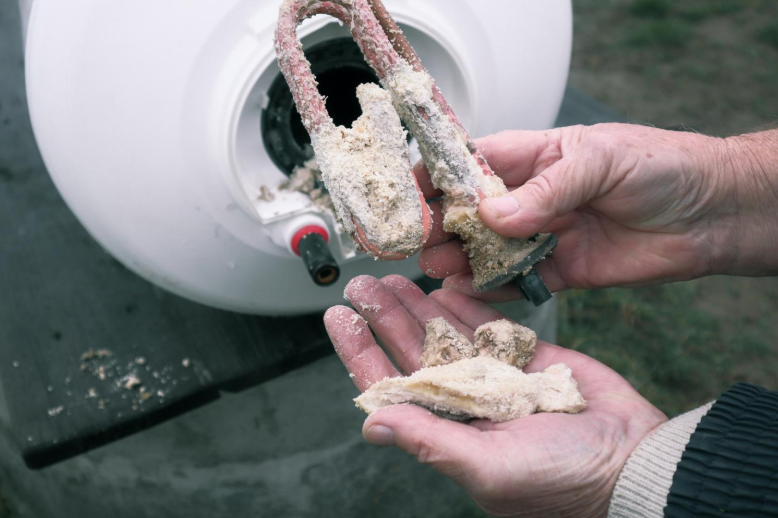
Tankless water heater scale buildup is one of the most common issues that can reduce your water heater's efficiency, increase energy use, and shorten the life of the system. Over time, naturally occurring minerals in the water can collect inside the heat exchanger, making it harder for the unit to transfer heat effectively. While this process is common, the good news is that it can often be managed with consistent maintenance and attention to water quality.
Water conditions play a significant role in how quickly mineral deposits develop. In many parts of South Carolina, hard water contains higher concentrations of calcium and magnesium, which can accelerate scale formation inside plumbing fixtures and tankless water heaters. By comparison, water conditions in Myrtle Beach, SC, and Conway, SC can vary depending on the local municipal or well water supply. Because water hardness differs from one area to another, maintenance schedules should be based on water quality rather than location alone.
Preventing mineral accumulation is about more than protecting your equipment. A well-maintained tankless water heater can provide more consistent hot water, operate more efficiently, and help reduce the likelihood of unexpected plumbing repairs. Professional inspections, routine flushing performed according to the manufacturer's recommendations, and appropriate water treatment solutions all contribute to long-term system performance.
In this guide, you'll learn what causes scale to form, the warning signs to watch for, how water quality affects your system, and the maintenance practices that help protect your investment. You'll also discover when it's time to schedule professional service from Benjamin Franklin Plumbing of Myrtle Beach, SC to help minimize tankless water heater scale buildup.
What Is Tankless Water Heater Scale Buildup?
Tankless water heater scale buildup occurs when dissolved minerals, primarily calcium and magnesium, accumulate inside the heat exchanger as water is heated. These minerals naturally exist in many water supplies and can leave behind hard deposits over time. As the layer of scale thickens, it acts as an insulating barrier, making it more difficult for the system to transfer heat efficiently.
Unlike traditional storage water heaters that keep a reserve of hot water, tankless models heat water only when a hot water fixture is in use. This on-demand process exposes the heat exchanger to a continuous cycle of heating and cooling. If the incoming water contains a high concentration of minerals, deposits may form more quickly, especially when routine maintenance is delayed.
Although mineral scaling is a common issue, it does not happen at the same rate in every home. Factors such as water hardness, household water usage, system age, and the manufacturer's maintenance recommendations all influence how quickly deposits develop. Understanding these factors helps families make informed decisions about preventive care instead of waiting until performance declines.
Understanding Mineral Deposits
Mineral deposits form when dissolved calcium and magnesium separate from the water during heating and attach to internal metal surfaces. Over time, these deposits harden into scale that can restrict water flow and reduce the efficiency of heat transfer. Because the buildup occurs inside the unit, property owners often don't notice the problem until they experience changes in hot water performance.
As scale continues to accumulate, the water heater must work harder to produce the same amount of hot water. This extra workload can increase energy consumption and place additional stress on internal components. Regular inspections and manufacturer-recommended maintenance can help identify early signs before they develop into larger plumbing concerns.
Why Scale Forms Faster in Hard Water
Hard water contains higher levels of naturally occurring minerals, making scale formation more likely. In regions where hard water is common, including many parts of South Carolina, mineral deposits may develop more rapidly without appropriate water quality management. While Myrtle Beach, SC, and Conway, SC may have different water characteristics depending on the local water source, testing your home's water hardness provides the most reliable way to determine maintenance needs.
Because every home's water quality is different, there is no universal schedule for preventing tankless water heater scale buildup. A licensed plumbing professional can evaluate your water conditions and recommend a maintenance plan that helps protect your water heater while supporting long-term efficiency.
Why Preventing Tankless Water Heater Scale Buildup Matters
Preventing tankless water heater scale buildup is one of the most effective ways to keep your water heater operating efficiently over the long term. As mineral deposits accumulate inside the heat exchanger, they create a barrier that reduces the system's ability to transfer heat. Even a thin layer of scale can force the unit to work harder to deliver the same level of hot water.
Routine maintenance not only helps preserve performance but also supports the overall health of your plumbing system. Addressing mineral buildup before it becomes severe may reduce unnecessary wear on internal components and help avoid unexpected service interruptions. While every system experiences normal wear over time, preventive care can slow the effects of mineral accumulation.
Improved Energy Efficiency
A clean heat exchanger transfers heat more effectively than one coated with mineral deposits. When scale builds up, the water heater typically requires more energy to heat water to the desired temperature. Maintaining a cleaner system helps the unit operate closer to its intended efficiency and may contribute to lower energy consumption, depending on household usage and water conditions.
Consistent Hot Water Performance
Mineral buildup can interfere with the system's ability to maintain a steady water temperature. As deposits increase, households may notice inconsistent hot water, longer wait times, or reduced performance during periods of high demand. Preventive maintenance helps keep water flowing through the heat exchanger more efficiently, supporting dependable hot water throughout the home.
Longer Equipment Lifespan
Every heating cycle places normal stress on a tankless water heater. Excessive scale adds another layer of strain by forcing components to operate under more demanding conditions. Over time, this additional workload may contribute to premature wear of the heat exchanger and other internal parts. Following the manufacturer's recommended maintenance schedule can help maximize the service life of the equipment.
Fewer Unexpected Plumbing Repairs
Ignoring mineral deposits can allow small performance issues to develop into more significant plumbing concerns. Routine inspections and professional maintenance make it easier to identify early signs of scale before they affect the system's operation. Taking a proactive approach often results in fewer unexpected repairs and greater confidence that your water heater is ready when you need it.
For homeowners in Conway, SC, understanding local water conditions and scheduling periodic maintenance with Benjamin Franklin Plumbing of Myrtle Beach, SC can help protect your investment and reduce the long-term effects of tankless water heater scale buildup.
Common Signs That Scale May Be Developing
Mineral deposits do not appear overnight. Tankless water heater scale buildup typically develops gradually, causing subtle changes in performance before more noticeable problems arise. Recognizing these early warning signs allows households to schedule professional maintenance before excessive scale affects efficiency or places unnecessary strain on the system.
It's also important to remember that many of these symptoms can have more than one cause. Water pressure issues, plumbing restrictions, or worn components may produce similar results. A qualified plumbing professional can determine whether mineral buildup is contributing to the problem and recommend the appropriate solution.
Reduced Hot Water Performance
One of the earliest signs of scale is a decline in hot water performance. You may notice that hot water takes longer to reach faucets or showers, or that the supply doesn't seem to last as expected during periods of higher demand.
As mineral deposits accumulate inside the heat exchanger, heat transfer becomes less efficient. The system may need to work harder to achieve the desired water temperature, which can affect overall performance.
Fluctuating Water Temperatures
Unexpected changes in water temperature can also indicate developing mineral deposits. If your shower alternates between hot and cool water without adjusting the controls, restricted heat transfer may be affecting the unit's ability to maintain a consistent output.
Because temperature fluctuations can result from several plumbing or appliance issues, a professional inspection is the safest way to identify the underlying cause.
Unusual Operational Noises
A tankless water heater normally operates quietly. However, excessive mineral accumulation can sometimes contribute to unusual sounds as water moves across scale-covered internal components. Clicking, rumbling, or other unfamiliar noises may indicate that the system would benefit from inspection and maintenance.
While occasional operating sounds are normal, any persistent or worsening noise deserves attention before it develops into a larger issue.
Error Codes or Warning Indicators
Modern tankless water heaters often monitor their own performance. If the unit detects conditions that interfere with normal operation, it may display an error code or warning message.
Although mineral deposits can contribute to certain error codes, electronic faults, sensors, ventilation issues, and other mechanical problems may produce similar alerts. Always consult the owner's manual and contact a qualified plumber for an accurate diagnosis rather than assuming tankless water heater scale buildup is the only cause.
Rising Utility Bills
When scale reduces heat transfer efficiency, the water heater may consume more energy to produce the same amount of hot water. Over time, property owners may notice gradually increasing utility costs without a significant change in household water usage.
An increase in energy consumption does not automatically mean mineral buildup is present, but when combined with other performance changes, it may indicate that maintenance is due.
Homeowners in Myrtle Beach, SC, and Conway, SC who notice one or more of these warning signs should consider scheduling a professional plumbing inspection and diagnosis. Identifying potential issues early can help restore efficiency and limit the long-term effects of tankless water heater scale buildup.
How Routine Flushing Helps Prevent Tankless Water Heater Scale Buildup
Routine maintenance is one of the most effective ways to reduce tankless water heater scale buildup before it affects performance. As minerals gradually collect inside the heat exchanger, they can restrict heat transfer and force the system to work harder. Following the maintenance schedule recommended by the manufacturer helps keep these deposits from becoming excessive and supports reliable operation throughout the year.
While maintenance intervals vary depending on water quality, household water usage, and the water heater model, many manufacturers recommend periodic flushing to remove mineral deposits. Homes with harder water may require more frequent service than those with softer water. A plumbing professional can evaluate your system and recommend a maintenance schedule based on your home's specific conditions.
Why Flushing Is an Important Preventive Measure
Professional flushing helps remove accumulated mineral deposits before they have an opportunity to interfere with the heat exchanger's performance. Keeping internal components cleaner allows the system to transfer heat more efficiently and maintain a more consistent supply of hot water.
Regular maintenance may also reduce unnecessary stress on internal components. By minimizing scale accumulation over time, households can help preserve the system's efficiency and potentially extend its service life.
Water Quality Influences Maintenance Frequency
Not every household requires the same flushing schedule. Water hardness, mineral content, and overall water quality are among the biggest factors affecting how quickly scale develops inside a tankless water heater.
For example, many areas of South Carolina are known for naturally hard water, which can increase the rate of mineral accumulation if left unmanaged. In Myrtle Beach, SC, and Conway, SC, water hardness can vary depending on the local water supply or whether a home uses a private well. Because of these differences, professional water testing provides a more accurate basis for maintenance planning than location alone.
Why Professional Maintenance Is Recommended
Although homeowners can monitor their system's performance and follow the maintenance guidance provided in the owner's manual, flushing a tankless water heater should be performed according to the manufacturer's instructions. Professional plumbers have the equipment and experience to inspect the system, identify developing issues, and complete maintenance without increasing the risk of damage to sensitive internal components.
During a maintenance visit, a technician may also inspect water connections, evaluate overall system performance, and identify early signs of wear that could benefit from attention before they become more costly repairs.
Benefits of Staying on Schedule
Keeping up with routine maintenance offers advantages beyond preventing tankless water heater scale buildup. A properly maintained system is more likely to provide dependable hot water, operate closer to its intended efficiency, and experience fewer unexpected interruptions.
For residential homeowners, preventive care also creates an opportunity to identify small issues before they become major plumbing concerns. Scheduling regular maintenance helps families in Myrtle Beach, SC, and Conway, SC protect their investment while supporting reliable, long-term water heater performance.
Water Quality Plays a Bigger Role Than Many Homeowners Realize
Water quality is one of the biggest factors affecting tankless water heater scale buildup. Even when water appears clean, it may contain dissolved minerals like calcium and magnesium that gradually collect inside the heat exchanger. As these deposits grow, they can reduce heating efficiency, restrict water flow, and place additional strain on the system. Understanding your home's water quality is an important step toward protecting your water heater and avoiding unnecessary plumbing problems.
The amount of mineral buildup varies from one location to another because water sources differ in hardness. Water hardness varies throughout South Carolina depending on the local water source. Homes with harder water may experience faster mineral scale buildup inside a tankless water heater. In Myrtle Beach, SC, and Conway, SC, water hardness may also vary depending on whether a home is served by a municipal water system or a private well. Rather than relying on location alone, testing your home's water provides the most accurate picture of its mineral content.
- Hard water with high calcium and magnesium levels
- Municipal water versus private well water
- Household hot water usage
- Manufacturer-recommended maintenance intervals
- Water treatment systems, such as softeners or scale reduction devices
Taking a proactive approach to water quality can help reduce tankless water heater scale buildup, improve system efficiency, and support a longer equipment lifespan. For homeowners in Myrtle Beach, SC, and Conway, SC, our plumbing technician can evaluate water conditions, recommend appropriate maintenance intervals, and help protect your investment with professional tankless water heater care.
Maintenance Habits That Help Reduce Mineral Buildup
Consistent maintenance is one of the best ways to minimize tankless water heater scale buildup and keep your system operating efficiently. Small preventive measures performed on a regular schedule can help reduce mineral accumulation before it begins affecting performance. Following the manufacturer's maintenance recommendations also helps protect important components and supports dependable hot water throughout the year.
Paying attention to changes in your water heater's performance can help identify potential problems early. If you notice inconsistent water temperatures, unusual noises, reduced water pressure, or higher utility bills, scheduling a professional inspection may help prevent minor concerns from becoming more significant repairs. Addressing these warning signs promptly can also reduce unnecessary stress on the system.
Keeping the area around your tankless water heater clean and accessible makes routine inspections and maintenance easier. Replacing accessible water filters, when applicable and recommended by the manufacturer, may also support proper system performance. While these simple maintenance habits can contribute to reliable operation, more advanced servicing should always be performed by a qualified plumbing professional.
A long-term maintenance plan provides the best defense against tankless water heater scale buildup. Residential homeowners in Myrtle Beach, SC, and Conway, SC can rely on Benjamin Franklin Plumbing for routine inspections, preventive maintenance, and expert recommendations that help extend the life of tankless water heaters while maintaining efficient performance.
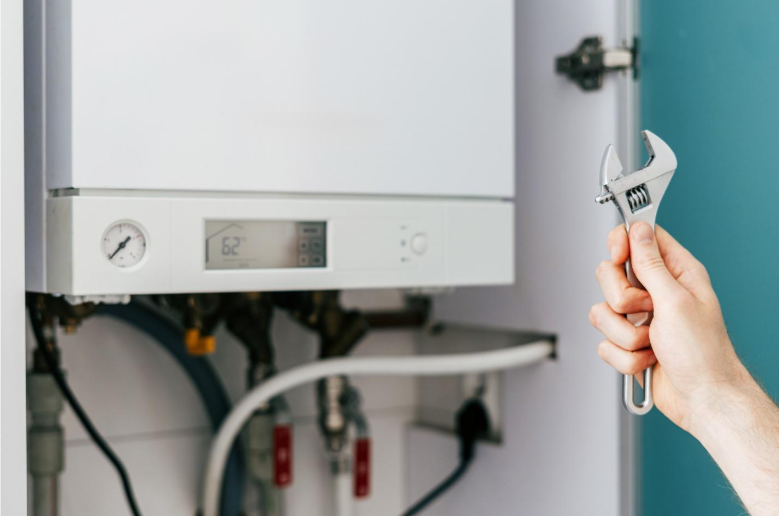
Photo from iStock - Credit: brizmaker
When to Schedule Professional Tankless Water Heater Maintenance
Regular professional maintenance helps keep a tankless water heater operating efficiently and reduces the risk of unexpected performance issues. While maintenance needs vary depending on water quality, household water usage, and the manufacturer's recommendations, scheduling routine service before problems develop is often more effective than waiting for symptoms to appear. A qualified plumber can inspect the system, identify early signs of wear, and recommend the appropriate maintenance schedule.
Homes with hard water or higher hot water demand may require more frequent inspections because mineral deposits can accumulate more quickly. Likewise, older systems or water heaters that have gone several years without maintenance may benefit from a thorough evaluation. Professional service can also help verify that the unit is operating as intended and that no hidden issues are affecting its performance.
Routine maintenance appointments typically include an inspection of the water heater's overall condition, evaluation of key components, and preventive care based on the manufacturer's guidelines. These visits also provide an opportunity to address small concerns before they develop into more extensive plumbing repairs, helping property owners maintain reliable access to hot water throughout the year.
For homeowners in Myrtle Beach, SC, and Conway, SC, our trusted technicians provide professional tankless water heater maintenance tailored to your home's water quality and system needs. Scheduling regular service is one of the most effective ways to reduce tankless water heater scale buildup, improve efficiency, and help extend the longevity of your water heater.
Why Professional Maintenance Protects Your Investment
A tankless water heater is a long-term investment, and regular professional maintenance helps protect its performance and reliability. Over time, mineral deposits, normal wear, and changing water conditions can affect how efficiently the system operates. Scheduling routine service allows a trained plumber to identify potential concerns early, helping prevent minor issues from developing into more costly repairs.
Professional maintenance goes beyond addressing tankless water heater scale buildup. During a service visit, a plumber can inspect key components, evaluate overall system performance, and confirm that the unit is operating according to the manufacturer's recommendations. This thorough approach helps improve efficiency, supports consistent hot water, and promotes dependable operation throughout the year.
Another advantage of professional service is receiving maintenance recommendations based on your home's specific water quality and usage patterns. Every household is different, so a customized maintenance plan can provide better long-term results than relying on a general schedule. This personalized approach is especially valuable in areas where water hardness varies from one property to another.
South Carolina Homeowners can count on Benjamin Franklin Plumbing of Myrtle Beach, SC for expert tankless water heater maintenance and preventive care. Whether you want to improve efficiency, extend the lifespan of your system, or reduce the risk of tankless water heater scale buildup, professional service can help keep your water heater performing at its best.
Conclusion
Preventing tankless water heater scale buildup begins with consistent maintenance, attention to water quality, and timely professional inspections. Taking proactive steps before mineral deposits become severe can help your tankless water heater operate more efficiently, deliver reliable hot water, and reduce unnecessary strain on its internal components.
Because every home's water supply is different, maintenance needs can vary based on factors such as water hardness, household hot water usage, and the manufacturer's recommendations. Monitoring your system's performance and scheduling routine service can help identify developing issues early, reducing the risk of costly plumbing repairs and unexpected interruptions.
Whether you live in Myrtle Beach, SC, or Conway, SC, investing in preventive maintenance is one of the best ways to protect your tankless water heater for years to come. Working with a qualified plumbing professional ensures your system receives the care it needs while supporting long-term efficiency and helping minimize tankless water heater scale buildup.
If you're ready to keep your tankless water heater performing at its best, Benjamin Franklin Plumbing of Myrtle Beach, SC is here to help. Our experienced team provides professional inspections, maintenance, and water heater services tailored to your home's needs. Contact us today to schedule an appointment and help protect your system from tankless water heater scale buildup.

 Your Privacy Choices