
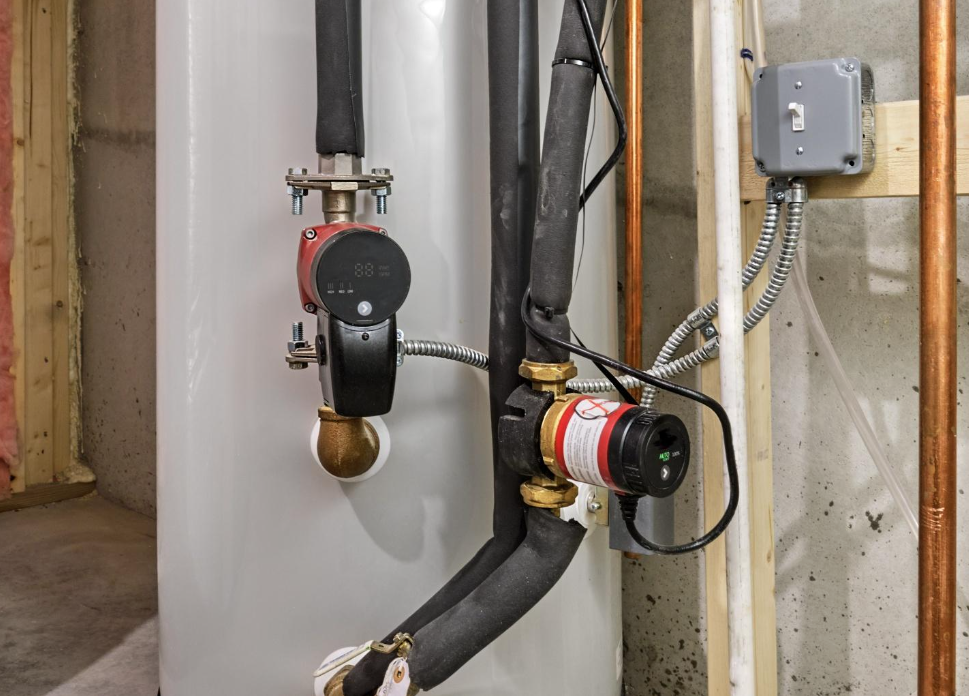
Key Takeaways About Hot Water Recirculation
A hot water recirculation system moves warm water so it reaches fixtures quickly. This guide helps homeowners and property managers decide on options and know what to expect during installation and troubleshooting
- Identify whether a dedicated return line already exists in the home
- Prevent crossflow by installing correctly sized check valves
- Avoid unnecessary runtime by choosing timers thermostats or demand controls
- Spot common issues using temperature checks pressure tests and visual inspection
- Reduce installation surprises by having piping access and shutoffs verified
- Plan maintenance including valve checks and occasional professional diagnostics
Introduction
Waiting for hot water wastes time and can signal heat loss in the plumbing system. Hot water recirculation systems cut that wait by keeping warm water near fixtures. Homeowners notice wasted water, cold shocks in showers, and long wait times at sinks. Those symptoms matter for comfort and for monthly water and energy use.
There are two common approaches to recirculation: a dedicated return line or a pump at the fixture. Each option uses check valves and controls differently to maintain flow and prevent backflow. Timers, thermostats, or demand switches control when pumps run and how long they operate. Choosing the right control affects system runtime and energy use.
Installation can be straightforward when a return line exists, but retrofits work differently. Under-sink pumps can be added without opening walls, yet they require proper check valves and fittings. Professionals inspect supply lines, valves, and hot water piping to confirm compatibility. Accurate diagnosis reduces surprises during the work visit.
Homeowners in Conway, SC often ask how long installations take and what disruptions to expect. Technicians typically check piping access, locate shutoff valves, and verify fixture operation before starting. You should expect some plumbing disassembly and careful sealing of joints during the job. If any safety concerns arise contact a licensed plumber in Myrtle Beach, SC for assessment.
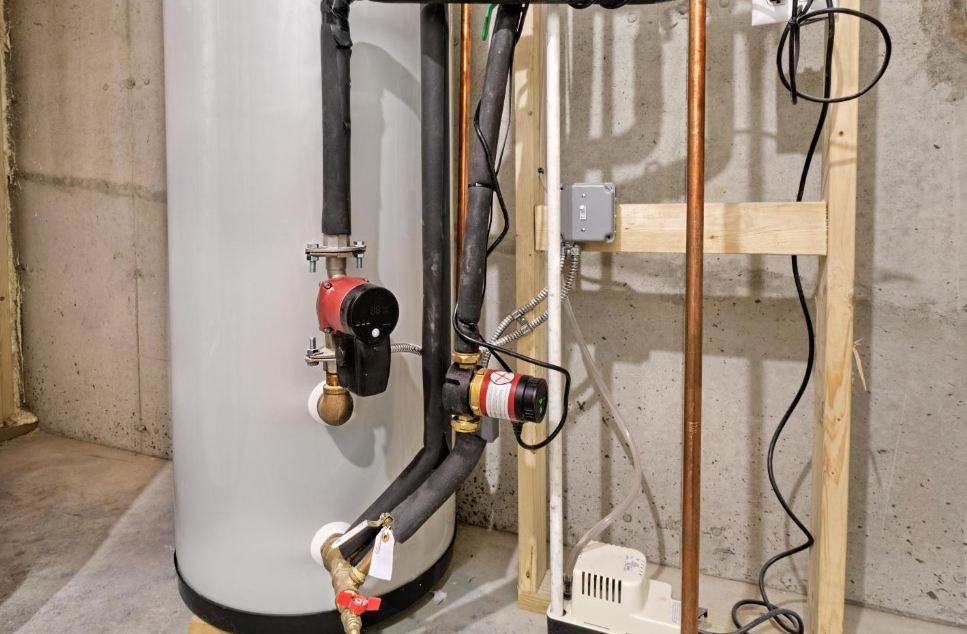
Photo from iStock - Credit: jsnover
How Hot Water Recirculation Systems Work
Hot water recirculation systems moves warm water through supply piping so hot water is available at fixtures quickly.
- The pump keeps water circulating when active.
- A dedicated return line sends cooled water back to the water heater.
- Under-sink pumps push cooler water into the cold line to return it to the heater.
- Check valves prevent crossflow between hot and cold lines.
Circulation can run on a timer, thermostat, or demand switch to reduce runtime and energy use. Homeowners often ask whether a recirculation pump runs nonstop, the short answer is no, controls limit operation. Technicians check pump flow, valve direction, and piping temperature to confirm system behavior. A clear diagnostic step is measuring temperature at the fixture before and during pump operation.
When diagnosing a recirculation need, a plumber looks for long wait times at fixtures and visible temperature changes during testing. They use modern plumbing tools for accurate diagnosis, inspect shutoff valves and supply and return piping, and install a thermometer to log temperatures. For homes in Myrtle Beach, SC, especially those with older systems, routing and access affect retrofit choices. For properties in Conway, SC, decisions often depend on wall access and existing plumbing layout.
Dedicated Return Lines Versus Under Sink Pumps
Choosing between a dedicated return line and an under-sink pump depends on existing piping and how much demolition you want to avoid. A dedicated return line requires a loop of pipe back to the water heater and works without forcing hot and cold lines to mix. Under-sink pumps sit at the fixture and push cooled hot water into the cold line until hot water arrives. Both options need a correct check valve to prevent unwanted backflow when the pump is off.
Dedicated return lines usually give faster recovery and lower pump runtimes because water circulates through a true loop. Installing that loop can require access in walls, ceilings, or crawlspaces and may increase labor time. Under-sink pumps are less invasive and fit under sinks without opening walls, but they may run longer or more frequently on larger systems. A plumber will evaluate pipe sizes and routing before recommending one approach over the other.
Professionals confirm compatibility by inspecting the water heater connections, supply lines, and shutoff valves before installing either system. They use a temperature probe to check how quickly hot water reaches a fixture with the pump off and with the pump running. Technicians also check for proper valve seating and flow direction using a pressure gauge and visual inspection. These diagnostic steps help prevent cross-connection and eliminate surprises during the job.
For South Carolina homeowners, access and wall construction often guide the choice between a loop and a point-of-use pump. Expect the installer to discuss trade-offs like noise, runtime, and where wiring or a timer will sit. If you notice unusual sounds or continuous pump running after installation, contact a licensed plumber to inspect valves and wiring. When considering options, ask for a written comparison of expected runtime and how controls will operate.
Check Valves Explained Why They Matter
Check valves keep flow moving the right way and stop hot and cold lines from mixing when pumps stop. A stuck or leaky check valve can allow warm water into the cold line, causing pressure imbalance or unwanted warm water at other fixtures. Technicians test valves by isolating the pump, applying pressure, and observing whether flow or pressure holds, that confirms one-way function. If a valve fails testing, replacement prevents cross-connection and restores proper recirculation operation quickly.
Different check valve styles fit different installs, including spring-loaded in-line valves or ball-checks that sit in fittings near the pump. Installers match valve size to the pipe diameter and expected flow to avoid added backpressure or noise. Professionals may use a pressure gauge and a simple flow test to verify the selected valve does not reduce pump performance. Selecting the correct valve type reduces wear on the pump and keeps hot water delivery consistent.
Improper check valve orientation is a common cause of system trouble and can be hard to spot without inspection by a plumber. During a visit, a technician inspects valve markings for flow direction, checks seating with a dye or pressure test, and watches temperature changes at the fixture while cycling the pump. For homeowners in Myrtle Beach, SC this kind of diagnostic confirms whether a valve or piping detail creates false symptoms. Correct orientation and secure fittings stop nuisance noises and intermittent warm spills.
When replacing or adding a check valve, expect a short shutoff of water and modest pipe work under sinks or near the heater depending on the location. A plumber will shut down supply valves, relieve pressure, remove the old valve, and fit a properly oriented replacement with thread sealant or solder as appropriate. After installation they run the pump and use a thermometer on the hot tap to confirm steady hot delivery without backflow. If you notice unusual smells, banging sounds, or continuous pump operation after work, contact a licensed professional for follow-up inspection.
Timers Thermostats and Control Options
Timers provide a simple schedule-based way to run a recirculation pump at predictable times each day, reducing unnecessary runtime. Homeowners set start and stop times to match morning and evening hot water use. Digital timers can offer multiple on/off periods and battery backup for power interruptions. A plumber will verify the timer wiring and ensure the pump turns on at the programmed times.
- Simple mechanical timers use a dial and pins.
- Digital timers offer multiple daily programs.
- Smart timers integrate with home Wi-Fi.
- Battery backup prevents lost settings during outages.
Thermostats monitor pipe or water temperature and trigger the pump when the loop cools below a set point. A common installation mounts a thermostat on the return line or near the water heater for accurate readings. Technicians check contact settings and sensor placement to avoid short cycling the pump. Properly calibrated thermostats keep the loop warm while limiting run time.
Demand switches or motion sensors activate pumps only when someone calls for hot water at a fixture, which saves energy compared with continuous schedules. These devices sense flow or button presses at a fixture and start the pump for a short interval. Installers test response time and adjust shutoff delays to prevent premature stops. For homes in Myrtle Beach, SC and Conway, SC, installers often discuss which control type fits daily routines best.
Installation Process What to Expect at Home
A technician arrives and first verifies shutoff valves, electrical supply, and access points before beginning physical work. They will relieve pressure at the nearest faucet and isolate the water heater as needed to prevent leaks. Expect modest noise from soldering, pump testing, and tool use while work proceeds. The installer records pipe temperatures and flow readings to confirm correct operation once components are in place.
If adding a dedicated return line, the plumber locates routing through walls, attic, or crawlspace and marks accessible chase points. New piping will be joined with solder, compression fittings, or PEX connections, depending on existing materials. Installers test for leaks using pressure gauges and visual inspection before restoring normal water pressure. They will also label shutoffs and document where isolation valves were installed for future maintenance.
For under-sink pumps, the technician positions the pump, installs a correctly oriented check valve, and ties electrical wiring into a timer or controller. The installer checks cold-line backflow potential with a simple pressure or dye test to confirm the check valve seats properly. After wiring, they run the pump through several cycles while measuring temperature at the tap to verify response time.
Control setup includes programming timers, calibrating thermostats, or testing demand switches to ensure start and stop behavior matches household patterns. The plumber demonstrates system operation and shows you where to adjust settings or how to reset the controller if needed. They provide a short written report of measured temperatures, valve locations, and any recommended follow-up items.
Common Problems Why They Happen and Fixes
One common problem is a pump that runs but delivers little temperature change at fixtures, often caused by an open bypass or worn check valve. A technician would first observe pump noise, check valve seating, and take temperature readings at the hot and cold taps. They may perform a pressure test and a dye check to confirm whether warm water is crossing into the cold line. If the check valve leaks, replacement and re-testing restore correct flow and temperature separation.
Another issue is short cycling where the pump switches on and off rapidly, which stresses the motor and shortens lifespan. A plumber diagnoses this by checking the thermostat or timer settings, measuring voltage at the pump, and watching control response during a demand event. Loose wiring, incorrect sensor placement, or an undersized pump can cause rapid cycling and need adjustment or component replacement. Correcting wiring and swapping to an appropriately sized pump reduces noise and extends service life.
Homeowners sometimes report unusual banging or water hammer after adding recirculation hardware, typically from trapped air or fast valve closures in the loop. The installer will inspect isolation valves, install or check an air chamber or arrestor, and bleed trapped air from high points in the piping. They may also verify that check valves and backflow preventers open and close smoothly to avoid sudden stops in flow. Proper venting and secure pipe supports remove vibration and reduce loud transient noises.
Intermittent warm water at unrelated fixtures can signal a cross-connection created during retrofit work or a misrouted line under a sink, so a careful inspection is required. A professional follows visible piping, tests each fixture while cycling the pump, and uses a thermometer to record temperature changes at multiple locations. If a cross-connection exists, rerouting or adding a correct check valve solves the problem and prevents pressure-driven mixing.
When to Call a Professional Service for Recirculation
Call a professional when you notice repeated short waits for hot water despite pump operation, indicating possible flow or valve issues. A technician will run systematic checks, including temperature logging, pressure testing, and valve isolation, to confirm the fault. They can also use a pressure gauge and a thermometer to produce a written diagnosis for you. Understanding how plumbers diagnose without demolition can help you see why these tests are useful before invasive work begins. If electrical faults or odd pump sounds appear, stop using controls and schedule service promptly.
- Visible leaks under the sink or near the heater demand immediate attention.
- Pumps that hum but do not circulate need electrical and impeller checks.
- Continuous warm water at cold taps suggests valve failure or cross-connection.
- Short cycling requires control and wiring inspection by a pro.
For retrofit installs that risk opening walls or running new piping, hire a plumber to evaluate routing and access before any demolition. A professional will check pipe size, routing options, and necessary fittings to avoid rework and hidden damage. They may also confirm compatibility with your water heater and existing shutoff valves during the pre-work inspection. Expect the inspector to note locations for isolation valves and electrical access in their report.
Homeowners in Myrtle Beach, SC or properties in Conway, SC should call a licensed plumber when odors, banging noises, or repeated control failures occur. The technician will perform dye tests, inspect check valve orientation, and verify controller programming to find the root cause. If repairs require electrical work, they will coordinate safe shutoff and grounding checks during the visit. After repairs, the pro typically documents temperature readings and provides recommendations for future maintenance.
Energy Use Water Savings and Maintenance Tips
Modern recirculation systems use electricity and some heat loss, so plan for modest energy use when estimating savings. A professional compares measured hot-water wait times and pump runtime to estimate gallons saved and kilowatt-hours used. They may record baseline temperatures and pump amp draw with a clamp meter before changes. That data helps decide if a timer, thermostat, or demand control will deliver the best trade-off for your home.
Simple maintenance keeps a recirculation system efficient and prevents wasted energy from leaks or failed components. Check visible fittings and valves every few months for moisture, tightening loose compression nuts and watching for corrosion. Replace worn check valves or failing pumps promptly because failing parts often run longer and consume more power. If you smell plumbing odors or hear constant humming, shut off the unit and schedule a professional inspection to avoid larger failures.
To confirm actual water savings, a technician will perform a diagnostic flow and temperature test at multiple fixtures and record the results in a written report. They measure time-to-hot with the pump off and then with the pump controlled to compare water volume saved during each scenario. Including pressure readings and controller runtime in the report shows how settings affect energy use. Homeowners can use that report to choose settings that balance comfort and operating cost.
Periodic tasks a homeowner can do include exercising isolation valves, cleaning debris from accessible strainers, and noting unusual sounds during pump cycles. A yearly professional check can include amp and pressure readings, thermostat calibration, and verification of check valve seating. For properties in Conway, SC or Myrtle Beach, SC this routine prevents small issues from becoming leaks that waste water and energy. When in doubt, contact a licensed plumber to perform maintenance and provide a condition report.

 Your Privacy Choices