Most homeowners never think about their Dishwasher Air Gap until a backup occurs. Learn how this small device helps prevent costly drainage problems and protects kitchens in Myrtle Beach, Conway, and throughout South Carolina.
Introduction: Why a Dishwasher Air Gap Matters
A dishwasher air gap helps protect your kitchen from unwanted wastewater contamination. Many homeowners rarely notice this small plumbing device. However, it plays an important role every day. It helps keep dirty water away from clean dishes.
When a dishwasher drains, wastewater moves through connected plumbing lines. Problems can occur if drainage systems become blocked. In some situations, contaminated water may reverse direction. That movement can create sanitation concerns inside the home.
An air gap creates a physical separation between the dishwasher and the drain system. Because of that separation, wastewater cannot easily flow backward. Plumbing professionals often view this protection as a valuable safeguard. It supports cleaner and safer kitchen operations.
Homeowners in Myrtle Beach and Conway, South Carolina, benefit from understanding this plumbing feature. Coastal homes can experience varying plumbing demands throughout the year. Knowing how backflow prevention works helps support informed maintenance decisions. Protecting against sink and dishwasher backups starts with an air gap device.
What Is a Dishwasher Air Gap?
A dishwasher air gap is a plumbing device designed to prevent wastewater from flowing back into a dishwasher. It creates a safe separation between the appliance and the drainage system. This separation helps reduce the risk of contamination. As a result, clean dishes remain protected from dirty water.
Most air gaps are installed on the countertop or sink deck near the faucet. While the device appears small, it performs an important function. Water from the dishwasher passes through the air gap before reaching the drain. This process adds an extra layer of protection to the system.
Without proper backflow prevention, a clogged drain could create unwanted problems. Wastewater may seek the path of least resistance during a blockage. In some cases, that path could lead toward the dishwasher. An air gap helps stop that scenario from occurring.
Many plumbing technicians consider drain air gaps one of the most effective methods of backflow prevention. Its design relies on a simple physical principle rather than mechanical components. Because of this, it remains a trusted solution in residential plumbing systems. Understanding an air gap for a dishwasher helps homeowners appreciate its role in maintaining kitchen hygiene.
How a Drain Air Gap Prevents Sink and Dishwasher Backups
An air gap for a dishwasher serves as a barrier between your dishwasher and the drainage system. Its primary purpose is to prevent wastewater from reversing direction. This protection becomes especially important when drain lines experience blockages. By creating an open space, the device interrupts any potential backflow.
Kitchen drains can become restricted for several reasons. Food particles, grease buildup, and other debris may slow water movement. When wastewater cannot flow normally, pressure can build within the drainage system. That pressure increases the risk of contaminated water moving where it should not.
The air gap helps stop this process before it reaches the dishwasher. Instead of allowing wastewater to travel backward, the open gap breaks the connection. As a result, dirty water cannot siphon into the appliance. This simple design provides reliable protection without complex mechanisms.
Backflow events can lead to unpleasant odors, sanitation concerns, and appliance performance issues. Homeowners may also notice water appearing in unexpected places around the sink area. Understanding how a dishwasher air gap works highlights its value in maintaining a clean kitchen environment. Proper drainage protection helps reduce the likelihood of costly plumbing problems.
Dishwasher Air Gap Code Requirements in South Carolina
A dishwasher air gap is often discussed when homeowners review plumbing code requirements. Building codes exist to protect public health and support safe plumbing practices. Requirements can vary between jurisdictions and project types. Therefore, understanding local regulations is important before any plumbing modifications occur.
Many plumbing codes address backflow prevention for dishwashers. These regulations help reduce the risk of contaminated water entering an appliance. Some jurisdictions specifically require an air gap installation. Others may allow approved alternatives under certain conditions.
Homeowners in South Carolina should remember that local enforcement may differ from one area to another. Code updates can also affect installation requirements over time. Because regulations evolve, professional guidance helps ensure compliance. Licensed plumbers in Myrtle Beach, SC, stay informed about current standards and inspection expectations.
Experienced plumbing technicians evaluate each kitchen's layout and drainage configuration. They consider applicable codes, safety requirements, and long-term system performance. This expertise helps homeowners make informed decisions while avoiding compliance concerns. A proper dishwasher air gap installation supports both reliable operation and adherence to accepted plumbing practices.
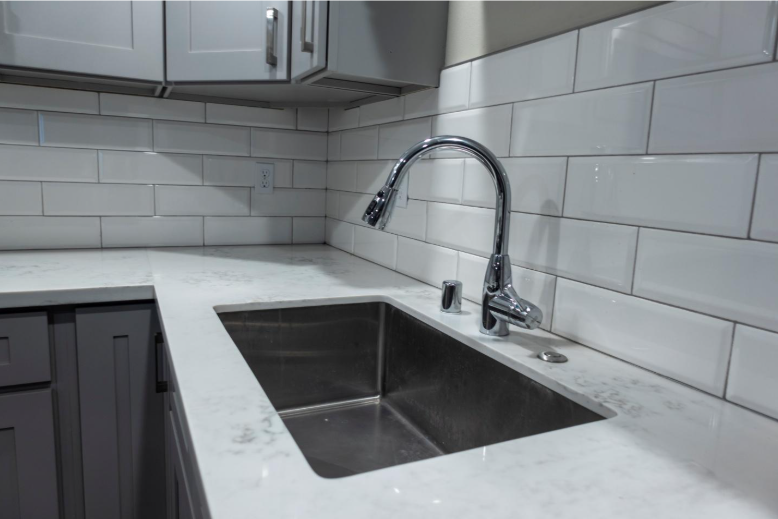
Photo from iStock - Credit: ColleenMichaels
Where a Dishwasher Air Gap Should Be Located
The location of a dishwasher air gap directly affects how well it protects your kitchen from wastewater backups. Proper placement supports reliable drainage and helps the device perform as intended. While installation requirements can vary, several key placement principles apply to most residential kitchens. Understanding these considerations can help homeowners recognize the importance of correct positioning.
- Installed on the sink deck or countertop near the kitchen faucet
- Positioned above the sink's flood level rim
- Located where it remains visible for monitoring
- Placed in an accessible area for professional inspection and maintenance
- Connected between the dishwasher drain hose and the sink drain system
- Installed according to applicable South Carolina plumbing code requirements
- Positioned to support proper drainage and backflow prevention
- Evaluated based on sink configuration, countertop layout, and plumbing design
- Located where signs of drainage issues can be identified quickly
- Installed by a licensed plumbing professional to help support proper performance and compliance
A properly located kitchen drain air gap helps provide consistent protection against contamination and drainage problems. When placement aligns with plumbing best practices and local requirements, homeowners can enjoy greater confidence in their kitchen plumbing system. Professional evaluation helps ensure the device remains effective for years to come. Proper positioning is a key part of preventing sink and dishwasher backups.
Common Signs Your Dishwasher Air Gap Needs Attention
A dishwasher air gap helps protect your kitchen from wastewater contamination, but it can develop issues over time. Recognizing early warning signs allows homeowners to address concerns before they become larger plumbing problems. Many symptoms are easy to notice during normal kitchen use. Paying attention to these indicators can help maintain proper drainage and appliance performance.
- Water leaking or spraying from the air gap during dishwasher cycles
- Slow drainage while the dishwasher is running
- Standing water in the sink after dishwasher use
- Gurgling sounds coming from the sink or drain lines
- Unpleasant odors near the sink area
- Recurring sink backups during dishwasher operation
- Water pooling around the countertop-mounted air gap
- Reduced dishwasher cleaning performance caused by drainage restrictions
- Frequent drainage issues that return after temporary improvement
- Visible debris buildup around the air gap opening
When these signs appear, they often indicate a blockage, drainage restriction, or another plumbing concern that requires attention. Prompt evaluation can help prevent wastewater from backing up into the sink or dishwasher. Professional inspection can identify the underlying cause and restore proper system function. Keeping a plumbing air gap in good condition supports a cleaner and more reliable kitchen environment.
Why Regular Dishwasher Drain Air Gap Cleaning Matters
A dishwasher air gap works best when it remains free of debris and drainage restrictions. Over time, small particles can accumulate within connected plumbing components. These obstructions may affect water flow and reduce system efficiency. Regular attention helps support reliable dishwasher performance and proper drainage.
- Helps maintain consistent wastewater flow
- Reduces the likelihood of drainage restrictions
- Supports effective backflow prevention
- Minimizes the risk of unpleasant odors near the sink
- Helps identify developing plumbing concerns early
- Promotes efficient dishwasher operation
- Reduces the chance of water escaping from the air gap
- Supports long-term performance of connected drain lines
- Helps prevent recurring sink backup issues
- Contributes to overall kitchen sanitation
Drain cleaning is an important part of protecting your kitchen plumbing system. While an air gap is a simple device, its role in preventing contamination is significant. Professional service can help ensure the system remains clean and functioning properly.
Professional Inspection and Maintenance Best Practices
A dishwasher backflow preventer is a small plumbing component, yet it plays a significant role in protecting your kitchen from wastewater contamination. Regular professional inspections help ensure the device continues to function as intended. During a service visit, plumbers evaluate the air gap along with the connected drain lines and dishwasher connections. This comprehensive approach helps identify concerns that may not be immediately visible to homeowners.
Experienced plumbing professionals look for signs of blockages, drainage restrictions, and wear within the system. They also assess whether water is flowing properly from the dishwasher to the drain. If performance issues are present, further evaluation can help determine the source of the problem. Early detection often prevents minor concerns from becoming more serious plumbing complications.
Routine maintenance also helps support long-term reliability. Drainage systems can accumulate debris over time, which may affect efficiency and increase the likelihood of backups. Professional assessments help verify that all components are operating correctly. As a result, homeowners gain added confidence in the safety and performance of their kitchen plumbing.
Preventive care is often more effective than waiting for a noticeable problem to occur. Regular inspections can help reduce the risk of unexpected disruptions and costly repairs. By keeping the system in proper working condition, homeowners can better protect their sinks, dishwashers, and overall plumbing infrastructure. A well-maintained dishwasher backflow preventer remains an important part of a healthy and dependable kitchen environment.
Dishwasher Air Gap vs. High Loop Systems
Homeowners often compare a dishwasher air gap with a high loop system when evaluating dishwasher drainage protection. Both methods help reduce the risk of wastewater flowing back toward the dishwasher. However, they work differently and may be subject to different plumbing code requirements. Understanding each option can help homeowners make informed decisions about their kitchen plumbing systems.
Dishwasher Air Gap
This drain air gap for a dishwasher is a dedicated backflow prevention device installed on the sink deck or countertop. It creates a physical separation between the dishwasher drain line and the household drainage system. This open gap prevents contaminated water from re-entering the dishwasher if a drain blockage occurs. Because it provides a direct physical barrier, many plumbing technicians consider it one of the most effective forms of backflow protection.
In addition, an air gap is visible and accessible, making it easier to identify potential drainage issues. Water escaping from the device can indicate a blockage that requires professional attention. Many local plumbing codes recognize air gaps as a reliable safeguard against contamination.
High Loop Systems
This system uses the dishwasher drain hose rather than a separate device. The hose is routed upward beneath the sink before connecting to the drain. This elevated position helps reduce the likelihood of wastewater flowing back into the appliance.
While a high loop can provide protection, it does not create the same physical separation as an air gap. Some jurisdictions allow high loops, while others require air gaps based on local plumbing regulations.
Both systems are designed to improve drainage safety. However, a dishwasher air gap generally provides a higher level of backflow protection and may be required by local code.
Plumbing Fixture Considerations for Modern Kitchens
Modern kitchens depend on well-designed plumbing systems to support daily convenience and efficiency. Every fixture, from the sink to the dishwasher, plays a role in overall performance. Selecting compatible components helps promote reliable drainage and water flow. Thoughtful planning can also help reduce future plumbing concerns.
Kitchen sinks are available in many styles and configurations. The size, depth, and placement of a sink can influence how surrounding plumbing components function. Homeowners should consider how their sink design works with existing drainage connections. Proper coordination between fixtures helps support long-term system reliability.
Dishwashers, faucets, and drainage components should also work together as part of a complete plumbing system. A backflow prevention device may be incorporated into the design to help prevent wastewater contamination. Its placement should complement the kitchen layout while supporting accessibility and performance. Professional guidance can help ensure all components function effectively as a unified system.
When planning upgrades or renovations, homeowners benefit from understanding how fixture choices affect plumbing performance. Reviewing a guide to choosing the right plumbing fixtures can provide valuable insight into important considerations. Experienced plumbing professionals can evaluate kitchen layouts and recommend suitable solutions. Careful fixture selection helps create a functional kitchen while supporting efficient drainage and long-term dependability.
Why Coastal South Carolina Homes Benefit from Proper Drainage Protection
Homeowners in Myrtle Beach and Conway face unique plumbing considerations due to the coastal environment and changing household demands throughout the year. Reliable drainage protection helps support the performance of kitchen plumbing systems during every season. Preventing wastewater backups is an important part of maintaining a clean and functional home. A properly functioning kitchen sink air gap contributes to that protection.
Many South Carolina homes experience increased water usage during holidays, family gatherings, and peak tourism seasons. Greater demand on plumbing systems can place additional stress on drains and connected appliances. When drainage issues develop, the risk of backups may increase. Proactive maintenance helps reduce the likelihood of unexpected disruptions.
Professional assessments can provide valuable insight into the condition of a home's plumbing system. Drainage mapping reveals how wastewater moves through connected pipes and can help identify areas of concern before problems become noticeable. This information allows certified plumbing professionals to evaluate system performance more accurately. Early detection often helps prevent recurring drainage issues and unexpected service interruptions.
Understanding the importance of backflow prevention is a valuable part of responsible homeownership. Whether a home is occupied year-round or seasonally, drainage reliability remains essential. Professional plumbing evaluations help ensure systems continue operating as intended. A well-maintained drain air gap helps protect kitchens throughout Myrtle Beach, Conway, and surrounding South Carolina communities.
Choosing a Trusted Plumbing Professional for Backflow Prevention Device Services
A dishwasher backflow preventer helps protect your kitchen from wastewater contamination, but proper installation and maintenance are essential for reliable performance. When plumbing concerns arise, choosing a qualified professional can make a significant difference. Experienced plumbers in Conway, SC, understand how drainage systems work and how backflow prevention devices fit into the overall plumbing network. Their knowledge helps ensure solutions are both effective and compliant with applicable requirements.
Homeowners should look for plumbing companies with licensed and trained professionals. Industry experience often provides valuable insight into diagnosing drainage issues and identifying potential risks. A reputable company will also prioritize clear communication and thorough evaluations. These qualities help homeowners make informed decisions about their plumbing systems.
Professional assessments go beyond simply inspecting the air gap itself. Plumbers evaluate connected drain lines, dishwasher connections, and overall system performance. This comprehensive approach helps uncover underlying issues that may contribute to recurring backups or drainage concerns. Early identification can help prevent more significant problems in the future.
Trust is an important factor when selecting a plumbing services provider. Companies that demonstrate experience, expertise, authoritativeness, and trustworthiness help build confidence in their recommendations. For homeowners in Myrtle Beach, Conway, and surrounding South Carolina communities, working with knowledgeable professionals supports long-term plumbing reliability. Regular attention to an air gap device and related drainage components helps keep kitchens cleaner, safer, and functioning as intended.
Need Help with a Dishwasher Air Gap?
If you have questions about a dishwasher air gap or concerns about kitchen drainage, contact Benjamin Franklin Plumbing of Myrtle Beach, SC. Our experienced team proudly serves Conway, SC, and surrounding South Carolina areas with dependable plumbing solutions and professional service.

 Your Privacy Choices