
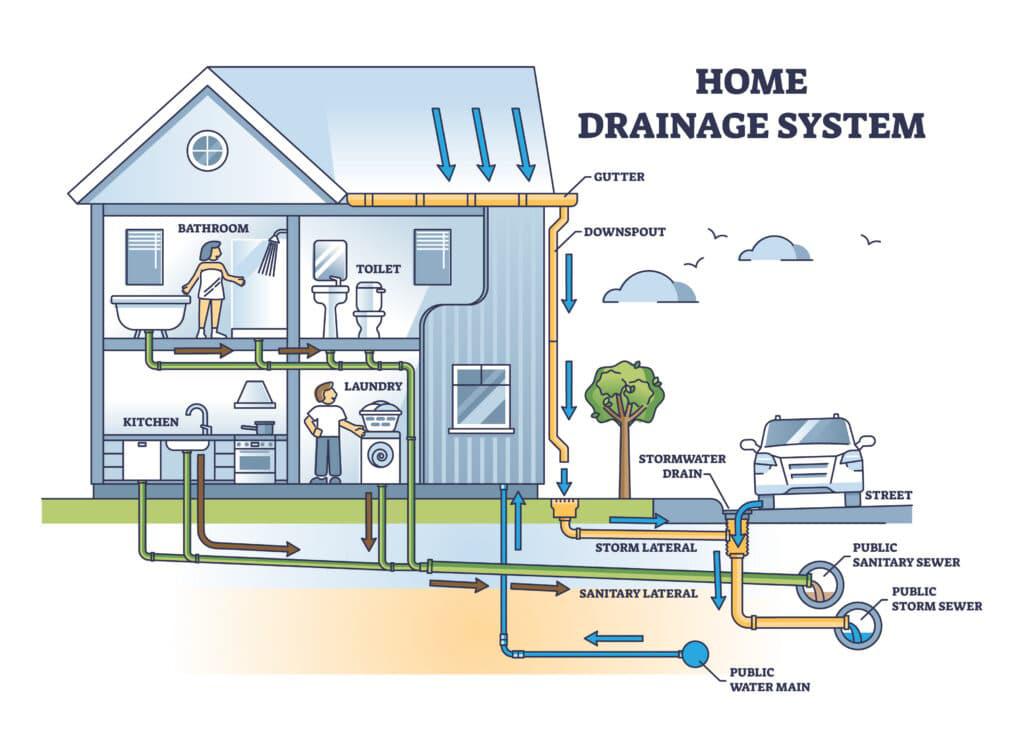
In Myrtle Beach, SC, homeowners often overlook the critical role of proper drainage in maintaining their homes’ integrity. Drainage mapping is a specialized process that reveals hidden flow issues before they become major problems. This technique allows professionals to identify blockages and misgrades that can lead to water damage or foundation issues. By understanding the path water takes around and under your home, you can prevent costly repairs down the line.
Experts in drainage mapping use advanced tools and techniques to create a detailed map of your property’s drainage system. This map is invaluable for homeowners in Conway, SC, and beyond, who are looking to protect their homes from the adverse effects of water. It’s not just about finding current issues, it’s also about predicting potential future problems. With this proactive approach, you can address minor issues before they escalate into significant concerns.
The process of drainage mapping involves a thorough assessment of both indoor and yard drainage systems. By examining how water flows through and around your property, specialists can pinpoint areas of concern. This detailed analysis is especially crucial in regions prone to heavy rains or flooding. It ensures that water is being effectively directed away from your home, safeguarding your property’s foundation and landscaping.
Benjamin Franklin Plumbing in Myrtle Beach, SC, is at the forefront of using drainage mapping to help homeowners. Their expertise not only helps in identifying existing drainage issues but also in planning effective solutions. Whether it’s rerouting water flow or improving ground grading, their professional insights make a significant difference. Embracing drainage mapping is a smart move for any homeowner looking to maintain their property’s health and value.
The Basics of Drainage Mapping
Understanding drainage mapping begins with recognizing the need for a comprehensive view of how water interacts with your property. Professionals use a variety of tools, including cameras, sensors, and sometimes drones, to capture the nuances of your drainage system. This approach allows them to see beyond what the eye can catch, uncovering hidden pipes and channels that might be contributing to drainage issues. It’s a step that ensures every aspect of water flow, both visible and invisible, is accounted for.
Once the initial assessment is complete, the next phase involves analyzing the data to identify problem areas. This might mean spotting a blockage in an underground pipe in Myrtle Beach, SC, or discovering a slope in Conway, SC, that’s directing water towards the foundation instead of away from it. The goal is to create a map that not only highlights current problems but also predicts areas that could become issues in the future. This predictive aspect of drainage mapping is what sets it apart as a proactive tool for homeowners.
With the problem areas identified, professionals then craft tailored solutions to rectify the issues. This could involve anything from simple fixes like clearing out blockages to more complex solutions like altering the landscape to improve drainage. Each recommendation is designed to ensure that water flows in the most efficient way possible, safeguarding the property from potential water damage. It’s a customized approach that addresses the unique needs of each property.
Finally, implementing the recommended changes is where the real transformation happens. Homeowners can see a significant improvement in how their property handles water, potentially saving thousands in future repair costs. By taking action based on the insights provided by drainage mapping, property owners can rest assured that their homes are better protected against the elements. It’s a smart investment in the longevity and health of your property, ensuring peace of mind regardless of the weather.
Identifying Common Drainage Issues
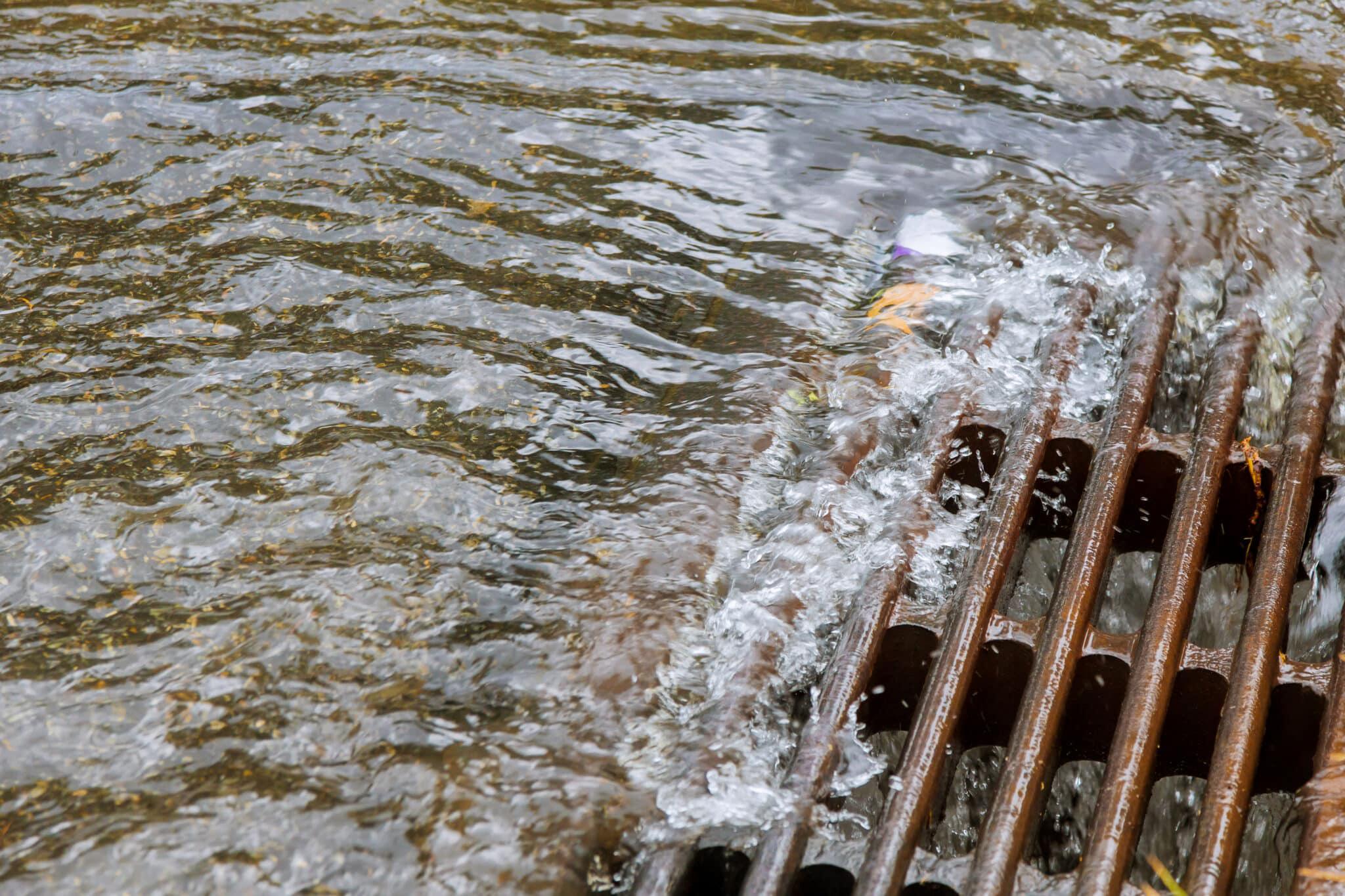
Identifying common drainage issues is a crucial step in the process of drainage mapping. In Myrtle Beach, SC, heavy rainfall can often reveal underlying problems that were not previously visible. Through drainage mapping, professionals can uncover issues such as soil erosion near the foundation or clogged gutters that contribute to water buildup. These findings are essential for preventing water damage and ensuring the longevity of your property.
Another common issue is improper slope or grading in your yard, which can direct water towards your home rather than away from it. In Conway, SC, this is a frequent concern due to the area’s topography. Drainage mapping accurately identifies these misgrades, providing a clear path for corrective measures. Addressing these issues early on can save homeowners from costly foundation repairs and landscape damage.
Blocked drainage pipes are also a prevalent problem that drainage mapping can pinpoint. Over time, pipes can become obstructed by debris, causing water to back up and create pooling in undesirable areas. Professionals use drainage mapping to locate these blockages, allowing for targeted solutions that restore proper flow. This process ensures that water is efficiently directed away from the property, safeguarding against potential flooding.
Lastly, inadequate water routing systems can be a significant issue, especially in older homes. Drainage mapping offers insights into how water moves across and beneath a property, highlighting areas where improvements are needed. By upgrading or installing additional drainage solutions, homeowners can enhance their property’s ability to handle heavy rainfalls. This proactive approach minimizes the risk of water damage and protects the home’s foundation and landscaping.
How Drainage Mapping Works
Drainage mapping starts with a detailed survey of your property, employing cutting-edge technology to trace water’s journey. Experts meticulously chart each twist and turn, ensuring no stone is left unturned. This initial step is crucial in Myrtle Beach, SC, where water paths can be complex. It sets the stage for a comprehensive understanding of your drainage landscape.
Next, the gathered data undergoes a thorough analysis to highlight trouble spots. This might reveal a hidden blockage or an area where water gathers rather than drains away. In Conway, SC, such insights are invaluable, guiding homeowners on where to focus their improvement efforts. This analysis transforms raw data into a practical plan of action.
Armed with this plan, professionals then recommend specific interventions tailored to your property’s needs. These could range from simple fixes, like removing a blockage, to more involved projects, like regrading your yard. Each recommendation aims to optimize water flow and protect your home from damage. This step turns insights into tangible solutions.
Finally, implementing these solutions marks the culmination of the drainage mapping process. As changes take effect, homeowners witness a transformation in how their property handles water. This proactive approach not only resolves current issues but also guards against future problems. It’s a strategic investment in your property’s health and resilience.
Tools and Technology Used in Drainage Mapping
Drainage mapping employs a variety of sophisticated tools and technology to ensure the accuracy of its findings. Ground-penetrating radar (GPR) is one such tool, offering a glimpse beneath the surface to detect hidden drainage issues that aren’t visible to the naked eye. This technology is especially useful in Myrtle Beach, SC, where underground water flow can be complex and difficult to trace. By using GPR, professionals can create a more accurate map of a property’s drainage system, identifying potential problems more efficiently.
Drones have also become an invaluable asset in the drainage mapping process. Equipped with high-resolution cameras, they provide a bird’s-eye view of a property, capturing details that might be missed from the ground. This aerial perspective is particularly beneficial in Conway, SC, where the topography can influence water flow in unexpected ways. The imagery captured by drones helps specialists to better understand the landscape and devise more effective drainage solutions.
In addition to GPR and drones, hydraulic modeling software plays a crucial role in drainage mapping. This advanced software simulates how water moves across and through a property, taking into account variables like rainfall intensity and soil type. Such simulations allow professionals to predict how a property will handle heavy rainfalls, guiding the development of strategies to improve drainage. This predictive capability is key to preventing future water damage and ensuring a property’s resilience.
Finally, thermal imaging technology is used to identify moisture accumulation that could indicate drainage problems. By detecting variations in temperature, thermal cameras reveal areas of moisture that could otherwise go unnoticed. This technology is particularly useful for identifying issues like slow leaks within walls or beneath the ground that could compromise a property’s structure. Together, these tools and technologies enable a comprehensive approach to drainage mapping, ensuring that homeowners can protect their properties from water-related issues.
The Role of Professionals in Effective Drainage Mapping
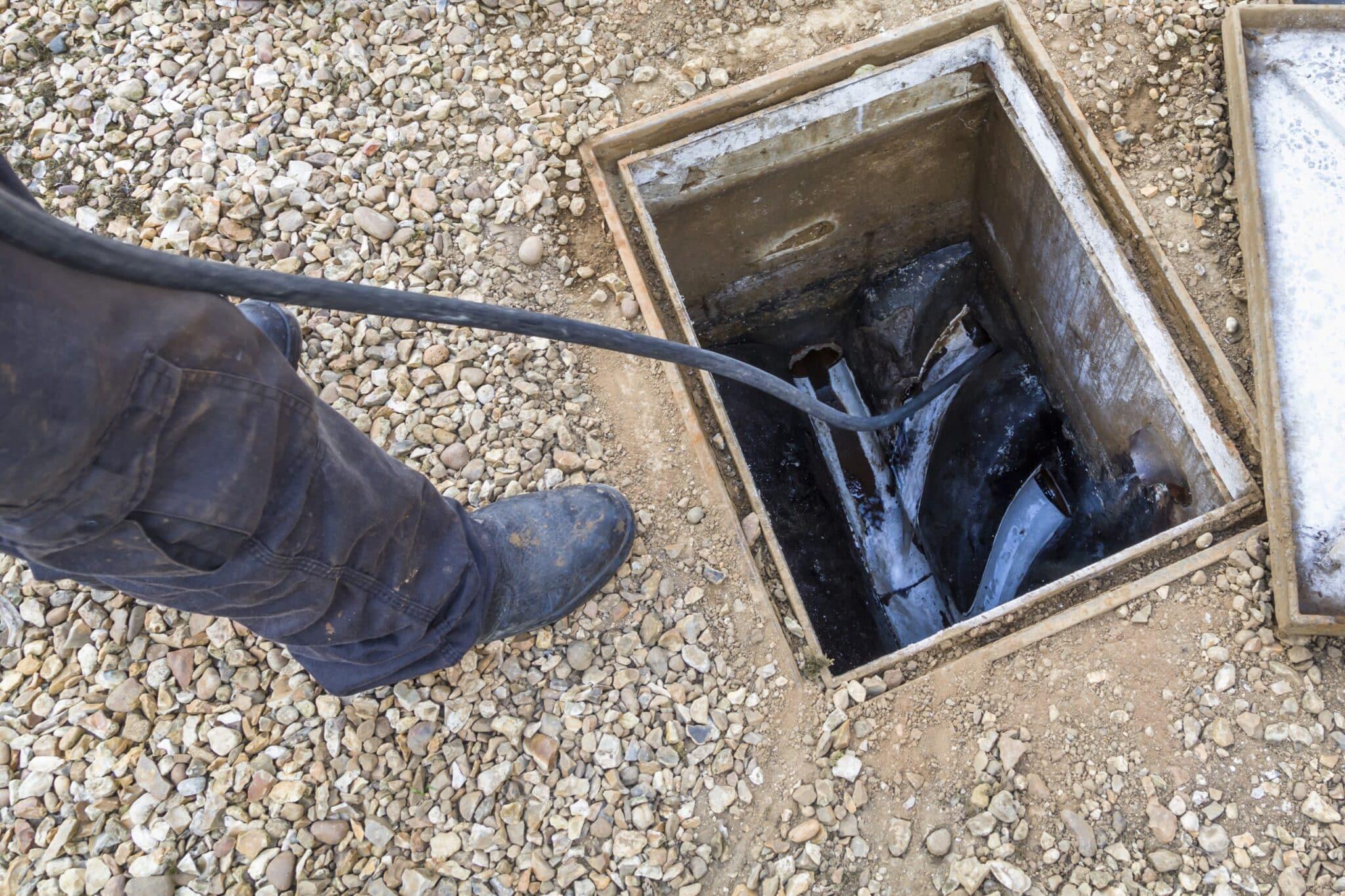
Drainage mapping is a task best left to professionals, especially in areas like Myrtle Beach, SC, where the landscape and weather patterns can present unique challenges. These experts bring a wealth of knowledge and specialized equipment to the table, ensuring that the mapping is both accurate and comprehensive. Their experience allows them to interpret the data effectively, turning complex information into actionable insights. This professional touch is crucial for identifying and resolving drainage issues before they escalate.
In Conway, SC, for instance, professionals adept at drainage mapping can spot subtle signs of misgrading or blockages that the untrained eye might miss. They understand the local environment and how it affects water flow, which is vital for creating effective drainage solutions. By employing their expertise, homeowners can avoid the trial and error that often comes with DIY attempts. This not only saves time but also ensures that the solutions are both effective and sustainable.
Moreover, professionals use their drainage mapping findings to tailor solutions specifically for your property. This customization is key because no two properties are alike, and what works for one may not work for another. They consider factors like soil type, property layout, and existing drainage infrastructure to develop targeted interventions. This approach maximizes the effectiveness of the drainage solutions, providing long-term benefits to homeowners.
Lastly, engaging professionals for drainage mapping offers peace of mind. Knowing that experts have thoroughly assessed your property and implemented the best solutions allows you to rest easy, especially during heavy rainfalls. This confidence comes from trusting in the skills and tools that professionals bring to the job, ensuring that your home is protected from potential water damage. Their role is indispensable in maintaining the health and longevity of your property through effective drainage mapping.
Drainage Mapping in Action: Real World Examples
Drainage mapping comes to life through various real-world scenarios, highlighting its significance in addressing water-related issues. For instance, in Myrtle Beach, SC, a homeowner noticed water pooling in their backyard after heavy rains, a problem that persisted for years. Through drainage mapping, professionals discovered an underground pipe was incorrectly sloped, causing water to flow back towards the house instead of away from it. The solution involved rerouting the pipe, effectively eliminating the pooling issue.
In another case, a commercial property in Conway, SC, faced frequent flooding in its parking lot, deterring customers and affecting business. Drainage mapping revealed that the existing drainage system was overwhelmed during heavy rainfall. By installing additional catch basins and connecting them to the main drainage line, the issue was resolved, showcasing how tailored solutions can address specific problems.
A residential area known for its lush landscapes was experiencing unexplained plant deaths. Drainage mapping identified that excessive water accumulation around the roots, due to poor soil grading, was the culprit. The intervention involved regrading the affected area and adding proper drainage channels, demonstrating how drainage mapping can also benefit plant health by ensuring the right water levels.
Lastly, an older neighborhood struggled with basement flooding, a common issue during the rainy season. Drainage mapping pinpointed outdated and clogged drainage systems as the main cause. Upgrading these systems and ensuring they were clear of obstructions provided a long-term solution to the flooding, illustrating drainage mapping’s role in enhancing property resilience against water damage.
Benefits of Early Detection with Drainage Mapping
Drainage mapping offers a proactive approach to managing water flow in and around properties, significantly reducing the risk of damage before it occurs. In Myrtle Beach, SC, homeowners benefit from early detection of hidden issues, such as underground pipe misalignments or blockages, that could lead to costly repairs if left unaddressed. This process not only saves money in the long run but also preserves the structural integrity of homes. By identifying potential problems early, drainage mapping ensures that water is efficiently directed away from the property, maintaining its condition and value.
In Conway, SC, the benefits of drainage mapping extend beyond just preventing water damage. This innovative process can also enhance the overall health of a yard, preventing soil erosion and protecting landscaping investments. By ensuring proper drainage, homeowners can avoid waterlogged soil that could harm plant roots, leading to healthier, more vibrant gardens. Drainage mapping thus plays a crucial role in both protecting structures and nurturing the natural environment around them.
Another significant advantage of drainage mapping is the peace of mind it offers to property owners. Knowing that their property’s drainage system has been thoroughly mapped and assessed allows homeowners to rest easy, especially during heavy rainfalls. This confidence comes from understanding that their home is equipped to handle adverse weather conditions, safeguarding against potential flooding and water damage. It’s a reassurance that the property is well-prepared to manage whatever nature throws its way.
Lastly, drainage mapping is instrumental in improving the longevity and resilience of properties. By addressing drainage issues early and implementing targeted solutions, homeowners can prevent the escalation of minor problems into major concerns. This not only protects the property in the short term but also contributes to its long-term durability and appeal. Drainage mapping, therefore, is not just about solving immediate issues but about ensuring a property remains robust and healthy for years to come.
Preparing Your Home for a Drainage Mapping Assessment
Preparing your home for a drainage mapping assessment is a crucial step in identifying and solving potential drainage issues. Before the experts arrive, clear any debris or obstructions from your property’s exterior. This simple action ensures that specialists in Myrtle Beach, SC, can easily access and accurately map your drainage system. It also helps in obtaining a clear and precise assessment, setting the stage for effective solutions.
Next, consider marking areas where you’ve noticed water pooling or soil erosion. Highlighting these spots can guide professionals to focus on specific problem areas during the assessment. In Conway, SC, where rainfall can reveal hidden drainage problems, such preliminary information is invaluable. It allows the team to tailor their investigation, ensuring a comprehensive evaluation of your property’s drainage needs.
It’s also beneficial to gather any previous drainage plans or records you may have. These documents provide a starting point for the drainage mapping process, offering insights into the existing system’s layout and potential issues. Sharing this information with the professionals saves time and enhances the accuracy of the drainage mapping. It ensures that the assessment is grounded in a thorough understanding of your property’s drainage history.
Finally, setting aside time to discuss your concerns and observations with the drainage mapping team is important. This dialogue ensures that your specific worries are addressed and that the solutions proposed will meet your needs. By actively participating in the process, homeowners play a vital role in protecting their property. Engaging with the experts not only facilitates a smoother assessment but also leads to more targeted and effective drainage solutions.

 Your Privacy Choices