
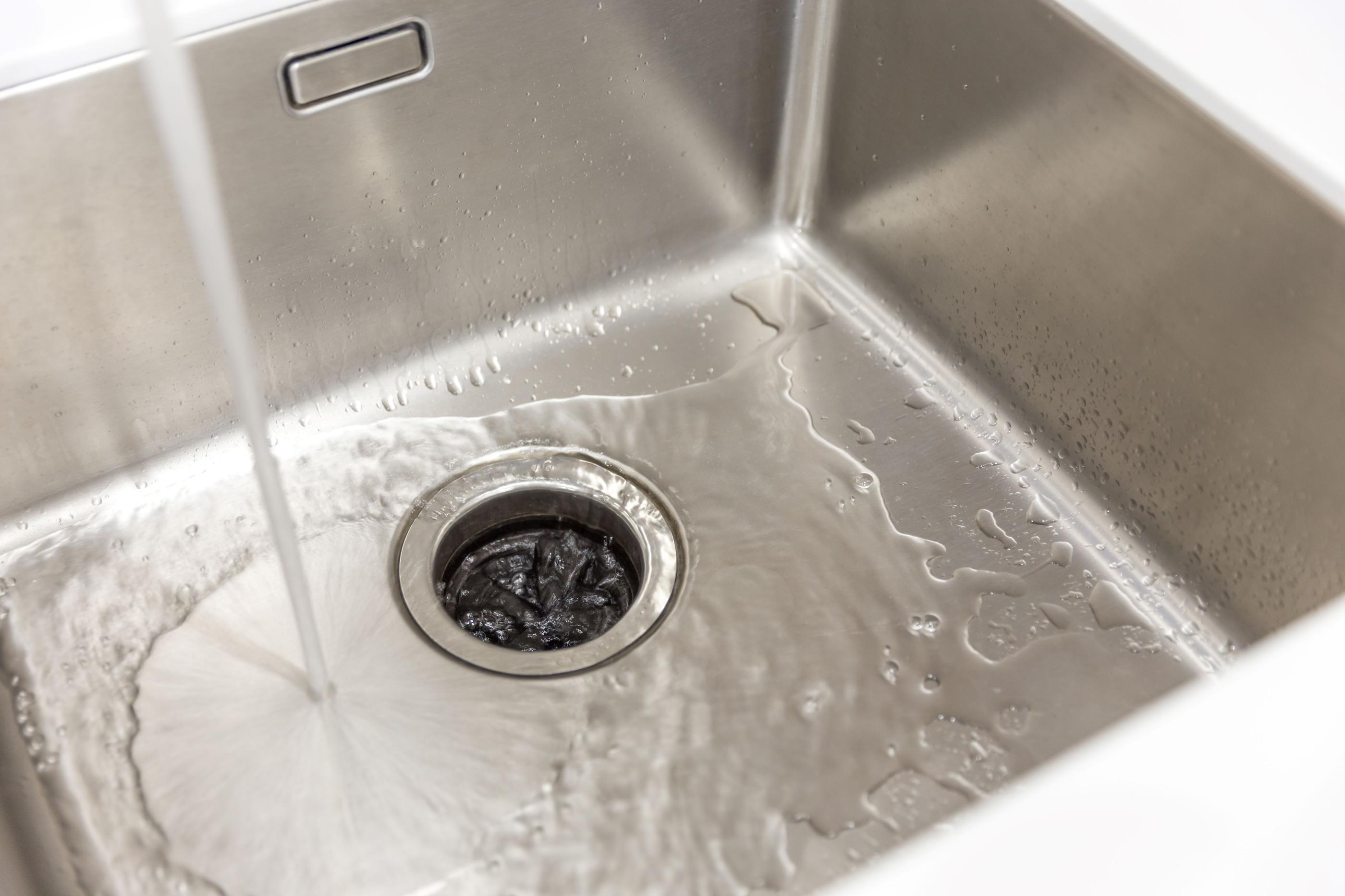
The holidays are a time for family, fun, and feasting. With guests cooking, cleaning, and rinsing dishes in your kitchen, your garbage disposal becomes one of the most heavily used appliances in your Grand Rapids, MI home. If it clogs, leaks, or breaks down, meal prep and cleanup can quickly come to a halt. To help you avoid mid-holiday plumbing emergencies, Benjamin Franklin Plumbing® is sharing the essential do’s and don’ts for safe, reliable garbage disposal care throughout the season.
The Do's of Holiday Garbage Disposal Care
With multiple people using your kitchen at once, it’s smart to establish some expectations ahead of time. These simple “do’s” can dramatically reduce strain on your disposal and prevent inconvenient breakdowns when you need your kitchen the most.
Keep the Water Running
Always run cold or lukewarm water before, during, and after using your garbage disposal. Water helps carry ground-up particles through the disposal chamber and into the drain line. Without enough water, dense foods can collect inside the disposal and create a thick, glue-like sludge that slows the system or leads to drain blockages.
Cold water is recommended because it keeps fats solid, helping them break apart rather than melting and coating your drain pipes. Let the water run for at least 10–15 seconds after turning off the disposal to fully flush the line.
Periodically Freshen Your Garbage Disposal
Even with proper use, food residue can accumulate inside the disposal and cause odors or buildup. Running a handful of ice cubes and a small amount of coarse salt briefly through the disposal helps scour the chamber and loosen stuck debris. This method cleans the interior—not by sharpening blades (disposals do not use sharp blades), but by providing a mild abrasive action that helps remove buildup.
You can finish by rinsing with running water and grinding a lemon peel for a fresh, natural scent. Avoid relying on chemical cleaners, as many are too harsh for disposal components.
Check the Under-Sink Area for Leaks
Holiday cooking puts extra strain on drain connections and disposal seals. Taking a moment every few days to look under the sink can help you catch problems early. If you notice moisture, drips, or puddles, the issue may be due to:
- A loose drain connection
- A failing disposal gasket
- A cracked disposal housing
- A clogged drain causing backflow
If you see water under the sink, turn off the disposal and water supply at the shut-off valve and call a plumber before continuing to use your kitchen sink.
Cool and Properly Dispose of Grease, Oils, and Fats
Grease, oils, and fats are among the most common causes of holiday plumbing disasters. When poured down the drain, they cool, solidify, and coat your pipes. Even if you chase them with hot water, they will eventually harden deeper in the plumbing system, forming stubborn, sticky blockages.
After cooking, allow grease to fully cool in a heat-safe container. Once solid, scrape it into the garbage. Large batches of used cooking oil from frying can often be recycled at local drop-off stations in Grand Rapids.
Use Your Disposal for Residual Food Only
A garbage disposal is not a substitute for a trash can. It is designed for small bits of food that rinse off plates, not full servings or large volumes of leftovers. When clearing holiday dishes, compost what you can and throw the rest away. This is especially important when emptying refrigerators or cleaning up after large meals.
Some common items that are better suited for composting or the trash include:
- Banana peels
- Pineapple rinds
- Potato skins
- Large seeds or pits
- Fibrous vegetable peels
Disposals work best when only small residual scraps make their way inside.
Pay Attention to Tripped GFCI Outlets
Garbage disposals are typically connected to GFCI outlets to protect against electrical hazards in moist environments. If the outlet trips once, reset it and test the disposal. If it trips repeatedly, the issue may be caused by:
- Moisture inside the wiring compartment
- A deteriorating motor
- A wiring short
- A leak dripping onto electrical components
Before resetting, look for scorch marks, burning odors, or moisture around the outlet. Repeated tripping is a sign to stop using the disposal and call a professional.
Separate Your Coffee Grounds
Brewing extra coffee for guests generates more grounds than usual. Avoid putting these in the disposal. While they won’t harm the grinding chamber, coffee grounds clump together and settle in drain pipes, contributing to dense, sludgy blockages.
Instead, toss them in the trash or compost. This simple habit can save you from unexpected slow drains during the holidays.
Practice Safety When Troubleshooting
Holiday guests may be tempted to “fix” a stubborn disposal, but safety is critical. Troubleshooting means simple steps like pressing the reset button, checking for tripped circuits, or running water to flush out the buildup. Repairs, however, require disassembly, which can be dangerous.
Always follow these rules:
- Unplug the disposal before any troubleshooting steps
- Never insert your hand into the disposal opening
- Use tongs or pliers to gently remove visible obstructions
- Avoid attempting electrical or mechanical repairs yourself
Improper repairs can void warranties or cause significant injury. When the disposal needs more than basic troubleshooting, call a licensed plumber.
The Don'ts of Holiday Garbage Disposal Care
Knowing what not to put in your disposal is just as important as using it correctly. The holidays bring foods and ingredients that can quickly overwhelm your plumbing if handled improperly.
Don't Put Nuts or Nut Butters in Your Garbage Disposal
Holiday baking often involves nuts of all kinds. Once ground, nuts form a thick, sticky paste that coats the interior of your disposal and clings to drain pipes. Nut butters, including peanut butter and almond butter, are even worse. They contribute to dense buildup that is difficult to remove without professional cleaning.
Always throw nut shells, leftover nuts, and nut-based mixtures in the trash.
Don't Grind Up Dry or Cooked Starches
Starches such as pasta, rice, oats, and bread expand when wet. Once inside your drain, they can absorb water and grow into dense, pipe-clogging masses. Flour and dough pose similar risks: when mixed with water, they form a sticky paste that can block both the disposal and the drain line.
If you're baking homemade breads or desserts, wipe down bowls, dough hooks, and utensils with paper towels before rinsing to prevent dough residue from entering the disposal.
Don't Put Bones or Eggshells in Your Garbage Disposal
Bones are too hard for disposal impellers and can cause mechanical jams or damage. Eggshells, while not dangerous to the disposal itself, contain fibrous membranes that can wrap around the impellers. The shell fragments can also contribute to drain sediment buildup over time.
During holiday meals, temporarily use a drain strainer and remind guests to scrape plates before rinsing. Once the meal cleanup rush is over, you can remove the strainer and use the disposal normally.
Avoid Holiday Plumbing Emergencies With Professional Support
Caring for your garbage disposal properly can prevent the majority of holiday-related breakdowns. However, even when you do everything right, increased holiday cooking may expose underlying issues such as worn impellers, loose seals, or aging plumbing. If your disposal is making unusual noises, draining slowly, or repeatedly jamming, professional service can help restore your system to full performance.
You can count on Benjamin Franklin Plumbing® for fast, reliable assistance with garbage disposal problems and other urgent holiday plumbing needs, including sink backups, toilet clogs, and drain repairs. We proudly serve Grand Rapids, MI, and the surrounding areas with expert garbage disposal replacement and repair services.
If you need help with your garbage disposal this holiday season, don’t wait, give Benjamin Franklin Plumbing® a call!

 Your Privacy Choices