
Key Takeaways About Sump Pump Installation
A sump pump installation removes groundwater from a basement to prevent damage. This summary is for homeowners and property managers who need clear guidance before storms or when signs of moisture appear.
- Identify the lowest collection point for optimal basin placement.
- Prevent backflow by installing a correctly sized check valve.
- Avoid undersizing by testing pump flow and expected inflow.
- Spot warning signs like unusual noises or frequent cycling.
- Reduce outage risk with battery water or dual backup options.
- Plan regular inspections monthly quarterly and an annual professional tune-up.
Introduction
Sump pump installation requires choosing the right capacity, placement, and checkup schedule to keep basements dry and damage-free. Homeowners often learn about problems only after a storm causes standing water or drywall stains. Poorly sized pumps or wrong placement can leave basements vulnerable during heavy runoff. Benjamin Franklin Plumbing of Florence, South Carolina helps homeowners make choices that reduce that risk.
Many property owners notice subtle signs like a faint mildew smell, slow floor drainage, or intermittent motor noise. Those signs often point to undersized pumps, blocked discharge lines, or failing check valves. Ignoring these clues lets small issues become costly repairs and ruined belongings. For example, a homeowner in Woodland Park, South Carolina who ignored irregular pump cycling experienced basement flooding during a weekend storm.
Choosing capacity means matching pump performance to the home and expected inflow, not guessing from pipe size or power ratings alone. Placement affects how effectively the sump captures water from low spots and foundation drains. Checkup schedules catch wear, battery failures, and float switch problems before they cause floods. Professionals use measurements, visual inspection, and basic electrical checks to confirm system readiness.
Expect practical tradeoffs when planning an installation: higher capacity can prevent backups but may need larger discharge piping and power. Accessibility for routine checks and service matters as much as pump horsepower. Regular, documented inspections extend system life and reduce emergency calls. Contact a professional if you detect water, strange noises, or repeated cycling to protect your basement investment.
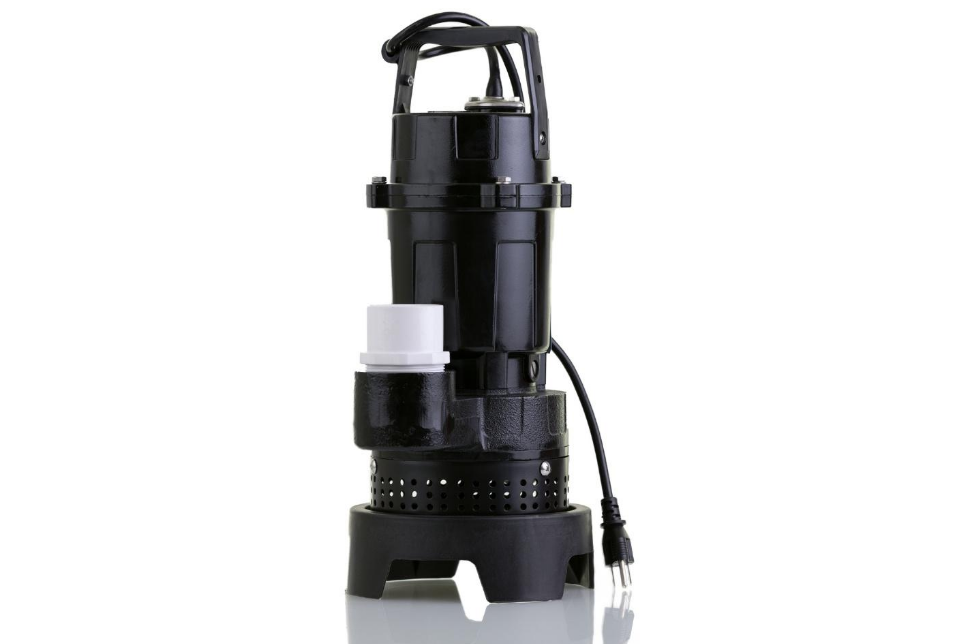
Photo from iStock - Credit: ozgurcoskun
How A Sump Pump Works and Why It Matters
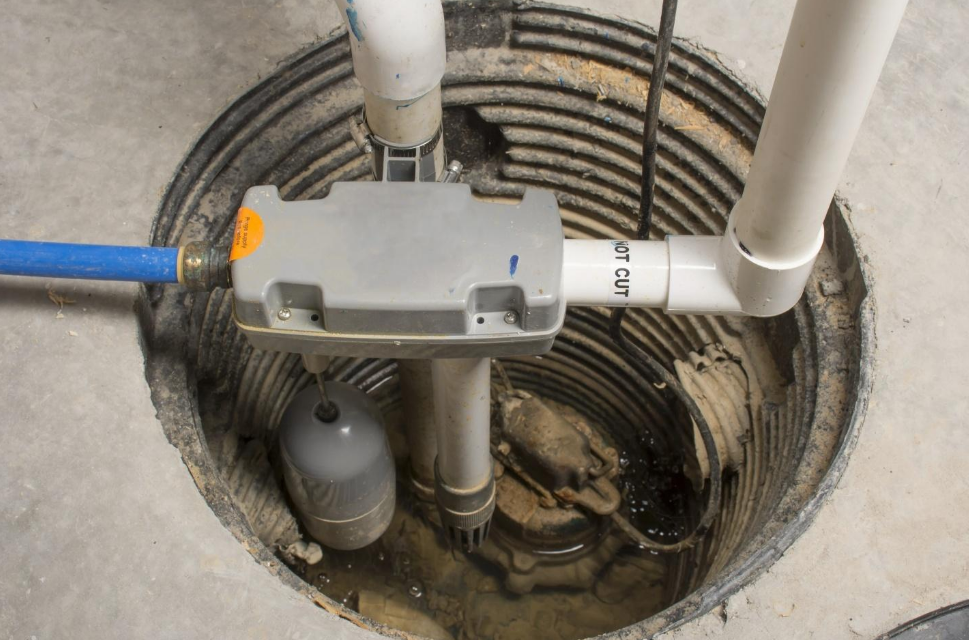
Sump pumps are basin-mounted pumps that remove groundwater before it damages a basement or foundation. It sits in a pit where water collects and activates a float switch to start the motor. Homeowners often ask whether the pump runs continuously during storms, and the short answer is it should cycle on only when water rises. If the pump runs nonstop, a professional diagnosis can find causes like a stuck float or excessive inflow.
- Motor activates when float rises.
- Pump moves water to a discharge line.
- Check valve prevents backflow.
- Backup power keeps it working during outages.
The pump moves water through a discharge pipe away from the house to reduce hydrostatic pressure against the foundation. A functioning check valve on that pipe prevents water from returning to the pit and causing rapid cycling. You might hear the motor start and stop, a normal sound when the float triggers correctly. If the pump runs in short bursts, a clogged inlet or a failing check valve could be the reason.
Professionals diagnose issues by observing float switch action, testing the motor with a voltage reading, and inspecting the discharge for obstructions. They also use a moisture meter to check surrounding concrete and record pump cycling over time. For Woodland Park, South Carolina homeowners, visible staining or recurring damp spots often guide where to inspect first. For property owners in Florence, South Carolina, confirming a secure electrical connection and proper check valve function prevents obvious failures during storms.
Signs Your Basement Needs Immediate Attention
Visible standing water is the clearest sign a sump pump installation needs immediate attention because it shows the system did not remove inflow. Look for pooling near the pit, soaked floorboards, or water tracking along baseboards as clear cues. A musty or sour odor that worsens after rain often points to persistent moisture and potential mold growth. If you notice these symptoms, document them with photos and note when they occur to help a professional diagnose the problem.
Frequent or unusually long pump cycles indicate the pump cannot keep up with incoming water and may be undersized or failing. Count cycles during a rain event or simulate inflow by pouring water into the pit in a controlled way to observe float action. Rapid on-off cycling often means a stuck or misadjusted float switch or a faulty check valve allowing water to return. Technicians will check the float, test the motor with a voltage reading, and inspect the check valve during diagnosis.
Unusual sounds like grinding, high-pitched whines, or heavy vibration point to mechanical wear or blocked inlets that reduce pump performance. Listen for these noises during normal operation and after storms, and note whether they start with the motor or float movement. Professionals may use a continuity test and visual inspection to find worn bearings, debris at the inlet, or an impeller issue.
Repeated damp spots, staining on concrete, or spongy flooring near foundation walls suggest the pump is not maintaining a low water table around the house. Measure moisture with a meter and mark affected areas to track whether conditions worsen after rain. A technician will inspect the discharge routing and may perform a dye test on drain connections to find leaks or crossflows.
Choosing the Right Pump Capacity for Home Size
Selecting pump capacity starts with estimating how much water the system must move during heavy inflow events. Professionals measure expected inflow by checking perimeter drain output, soil saturation indicators, and basement low-point volumes. They compare those observations to pump performance curves and gallons-per-minute ratings to find a match. Homeowners should avoid sizing solely by motor horsepower because pump curves give true capacity.
A common diagnostic step is a simple flow test that a technician performs during inspection to confirm capacity needs. They fill the pit with a measured volume and record the pump's run time and cycle frequency to calculate actual gallons per minute. This test reveals whether the pump can clear realistic inflow without excessive cycling. The result helps select a pump with appropriate head and flow characteristics.
Consider pump head and discharge routing when matching capacity to a home layout rather than relying only on peak flow numbers. Higher vertical lift reduces effective flow, so a pump rated for higher head may be necessary for properties with long vertical discharge runs. Check valve placement and pipe diameter also affect performance and must be part of the sizing decision.
When choosing capacity, plan for occasional surges and a margin for wear over time to avoid consistent overload. A modest safety factor prevents repeated long cycles that wear bearings and motors prematurely. Professionals document test results and recommended capacities in a written report so homeowners can compare options.
Best Placement Practices for Optimal Water Removal
Place the sump basin where the lowest basement point naturally collects water to reduce dead zones and ensure full capture. Positioning near foundation drain exits helps catch flow before it spreads under floors or into walls. Allow at least 18 inches of clear access on one side so a technician can inspect the pump and float. Ensure the pit rim sits flush with the surrounding floor to avoid tripping and to channel surface water into the basin.
- Keep the pump level on a firm base.
- Install the check valve on the discharge pipe above the pump.
- Use a rigid discharge line where practical.
- Place an alarm float for high-water alerts.
- Include access for a maintenance hose or wet-vac.
Route the discharge pipe to minimize vertical lift and sharp bends that reduce effective flow rate and strain the motor. Use pipe sizes that match pump outlet recommendations to avoid backpressure and extra cycling. Add a frost-proof break or slope the pipe away from the foundation to prevent freezing in unheated spaces. Securely fasten the pipe to the structure to reduce vibration and noisy operation.
Install the float switch so it has free movement without rubbing the pit wall or piping, avoiding false starts and stuck-on conditions. Test the float by lifting it manually and watching for consistent motor start and stop with no hesitation. If the pit collects debris, add a strainer or grate to protect the inlet and reduce clogs that cause overheating or reduced flow. Consider a battery backup stored nearby with clear access for periodic swaps and inspections.
Professionals confirm placement by measuring pit depth, checking clearance, and performing a simulated inflow test while monitoring cycle frequency. They will take voltage readings at the pump, inspect the check valve, and record run times to ensure the installation meets performance targets.
Backup Systems Options and When to Install Them
Battery backups use a sealed lead-acid or lithium battery to keep a pump running during power loss, and homeowners should pick capacity to match expected outage duration. A professional evaluates battery age, charging system, and the pump's amp draw to size an appropriate backup that will run for needed hours. Installation locations must allow ventilation and secure mounting of the battery so corrosion or tipping do not cause failures.
Water-powered backups use household water pressure to operate when electricity fails, which avoids battery maintenance but requires sufficient incoming pressure to work reliably. Technicians test line pressure and flow with a pressure gauge to confirm a water-powered unit will start and sustain flow for the expected interval. These systems may add a continuous slight flow while active, so the discharge routing needs review to avoid unintended drainage into the foundation. Discuss water-use impacts and local plumbing connections during planning to ensure compliance and functionality.
Dual-pump setups pair a primary electric pump with a secondary high-capacity pump to handle heavy inflow or equipment failure, reducing flood risk during extreme events. A professional inspects pit size and switch configuration to ensure both pumps can operate without interfering with each other's float action. They also verify separate check valves and discharge routing to prevent backflow between pumps and to maintain proper head for the backup unit. Homeowners often prefer dual pumps when past storms exceeded a single pump's capacity.
Install a high-water alarm to add an early warning when primary and backup systems are overwhelmed or fail, and place the alarm where occupants will hear or see it promptly. During a diagnostic check, a technician will simulate high-water conditions while recording float response, alarm activation, and pump start times to confirm coordinated operation. Maintenance for any backup includes periodic load testing and battery health checks, with documented results for future reference. For installations in Florence, South Carolina, permit needs or plumbing code checks may arise, so consult a professional during planning.
Routine Checkup Schedules for Reliable Performance
Establish a regular inspection rhythm based on usage and local risk, with at least quarterly checks for active systems and after heavy storms. During each check, run the pump manually to observe start-up, listen for unusual sounds, and time the run until shutoff to track performance. Record voltage at the pump and note any fluctuations that could indicate wiring or breaker problems. Keep these records to spot gradual declines before failures occur.
Monthly visual checks catch small issues such as debris in the pit, loose fittings, or a frayed power cord that worsen over time if ignored. Test the check valve by running the pump and watching for backward flow to confirm it prevents re-entry into the pit. Inspect any battery backup for corrosion, secure mounting, and a healthy charge level using manufacturer-recommended tests. Replace batteries that fail capacity checks to avoid mid-storm outages.
Schedule an annual professional tune-up that includes a full electrical continuity test, float switch calibration, and an impeller inspection to remove sediment buildup that reduces flow. A technician will also perform a simulated high-water test and document pump cycles, flow rate, and head performance in a written report. These documented results help determine if capacity changes or a second pump would improve protection.
Between professional visits, homeowners should run a brief functional test monthly and after any power loss to confirm both primary and backup systems respond correctly. If you notice faster cycling, longer run times, or audible strain, contact a technician for a diagnostic inspection before the next scheduled service. For example, a homeowner in Woodland Park, South Carolina observed increased cycling and a pro found a partially blocked discharge line. Prompt checks prevent emergency failures and reduce repair costs over time.
When to Call a Professional for Pump Service
Call a professional when you observe electrical issues like tripped breakers, burning smells, or inconsistent voltage at the pump. These signs suggest wiring problems or a failing motor that need a qualified technician to diagnose safely. A plumber will perform a continuity test and voltage reading to confirm the source before recommending repairs. Avoid DIY electrical fixes to reduce shock and fire risks.
- Water on the floor after pump runs.
- Burning or rubber smells near the pump.
- Pump runs but does not move water.
- Repeated breaker trips during operation.
Schedule service immediately if the pump cycles unusually fast or slow without visible cause to prevent premature motor failure. A technician will inspect the float switch, check valve, and impeller to identify mechanical or debris-related causes. They may run a measured flow test and inspect piping for hidden leaks that reduce discharge efficiency. Written test results help decide whether repair or replacement provides better long-term value.
If a battery backup shows low capacity, swollen casing, or failure to hold charge, contact a professional for testing and replacement guidance. The technician will perform load testing and check the charger and connections to determine battery health. Replacing batteries promptly prevents loss of protection during outages and avoids acid leaks or corrosion. For documented repairs and recommendations in Florence, South Carolina, request a written service report.
Call for service when you notice persistent odors, unusual noises, or unexplained dampness after prior maintenance checks. A professional will use a moisture meter, inspect seals, and test alarm switches to locate hidden problems. For homeowners in Woodland Park, South Carolina, early calls often prevent environmental damage and costly restorations. Keep a record of service visits and test results to track system performance over time.
Preventive Steps to Keep Basements Dry Year Round
Start with simple drainage habits like keeping gutters clean and downspouts extended away from the foundation to reduce groundwater near the house. Inspect exterior grading seasonally and add soil to redirect runoff if water pools near foundation walls. Use a moisture meter inside to spot rising damp before it becomes staining or mold. If you detect consistent moisture, call a professional to inspect exterior drains and recommend corrective grading or drainage additions.
Maintain interior routines that protect the sump basin and pump, such as removing stored items and sweeping away dust and debris from the pit cover. Check visible piping and fittings for small leaks or corrosion during monthly visual checks so minor repairs avoid bigger failures. Run the pump briefly after maintenance to confirm the float moves freely and the motor responds with no unusual sounds. Document these quick tests in a log to spot gradual performance changes over time.
Plan seasonal tasks like testing battery backups before winter and after prolonged dry spells to avoid unexpected failures during storms or outages. Replace batteries that fail a capacity test and clean battery terminals to prevent corrosion and poor connections. Schedule a professional inspection at least annually to verify electrical continuity, check valve integrity, and impeller condition using voltage and continuity tests. For Woodland Park, South Carolina homeowners, scheduling these checks before the wet season reduces emergency risk significantly.
Install passive protections such as a removable pit cover with a gasket and a tight-fitting alarm that alerts occupants to rising water or system failure. Consider adding a condensate drip pan under appliances to keep extra water from entering the pit during heavy use. Keep a record of service reports and test results to support insurance claims or future diagnostics. For properties in Florence, South Carolina, these preventive steps reduce the chance of sudden basement flooding and simplify professional interventions.

 Your Privacy Choices