Key Takeaways About Leak Detection Services
Leak detection services find and confirm hidden water leaks using inspection tools and diagnostic tests. This summary helps homeowners and property managers decide when to call and what to expect during an inspection.
- Identify hidden leaks using meters acoustic tests and infrared scans.
- Prevent structural and mold damage by catching leaks early.
- Avoid unnecessary demolition through targeted noninvasive diagnostics.
- Spot warning signs like odors stains and rising water bills.
- Reduce repair scope with documented readings photos and reports.
- Plan follow up drying mitigation and repair steps after confirmation.
Introduction
Hidden leaks can start small and become expensive fast when they soak framing, drywall, or flooring. Water damage often shows late as stains, warped wood, or mold growth that costs more than a quick repair. Leak detection services identify those hidden sources before visible damage spreads through a home. For homeowners, catching leaks early reduces repair scope and lowers long term risk.
Many leaks come from supply lines, toilet seals, hidden fittings, or failing valves that drip slowly over months. A steady small leak can raise water bills and weaken structures without obvious daily signs. Professionals use diagnostic steps and tools to pinpoint leaks without tearing open walls or floors. That precision saves time and avoids unnecessary disruption to your living space.
In Florence, South Carolina and nearby Greeleyville, South Carolina homes, moisture problems can hide behind cabinets and in crawlspaces. Early warning signs include musty smells, higher water bills, repeated mold spots, and fluctuating water pressure. Recognizing those cues helps homeowners decide when to call for expert testing and inspection. A timely professional check prevents small problems from becoming major repairs.
Benjamin Franklin Plumbing’s leak detection services combine visual checks with measurements and diagnostic testing to confirm leaks. Technicians document findings with readings and photos so homeowners see the problem clearly. When safety risks exist, a professional can shut off supplies and recommend next steps. Prompt detection protects your home and gives clear options for repair.
How Leak Detection Services Work and Why It Happens
Leak detection services locate hidden water leaks using inspection, measurement, and testing techniques to confirm a source. A technician often begins with a visual inspection, noting discoloration, stains, and moisture accumulation. They will check visible plumbing components like shutoff valves, supply lines, and toilet seals for obvious failure points. Homeowners often ask whether a running meter proves a leak, and a continuous water meter reading with all fixtures off usually does indicate one.
- Visual inspection of affected areas
- Water meter tests to confirm active leaks
- Dye testing for fixtures and traps
- Pressure checks on supply lines
- Moisture scanning of walls and floors
Next, technicians perform diagnostic checks to narrow the leak location before opening walls or floors. They may use a moisture meter to map damp areas and an infrared camera to spot temperature differences caused by wetness. For pressurized systems, a pressure gauge helps confirm whether a drop occurs when the system is isolated. These steps reduce unnecessary demolition and guide targeted repairs.
If a leak is hard to see, professionals use tests such as a dye test in a toilet tank or a controlled shutoff to isolate zones. They might close the main shutoff and read the water meter again to confirm hidden supply line leaks. For drain issues, a smoke test helps find vent or sewer leaks when safe to perform. After diagnosis, technicians record readings and photos so homeowners understand the findings and options.
In Florence, South Carolina homeowners appreciate clear documentation and practical next steps after diagnosis, including when to shut off water immediately. For properties in Greeleyville, South Carolina, technicians explain simple homeowner checks to monitor until a service visit occurs. If you smell musty odors, see unexplained water stains, or notice a sudden spike in your bill, contact a professional for testing and repair guidance. A timely diagnosis prevents further structural or mold damage and gives clear options for repair and mitigation.
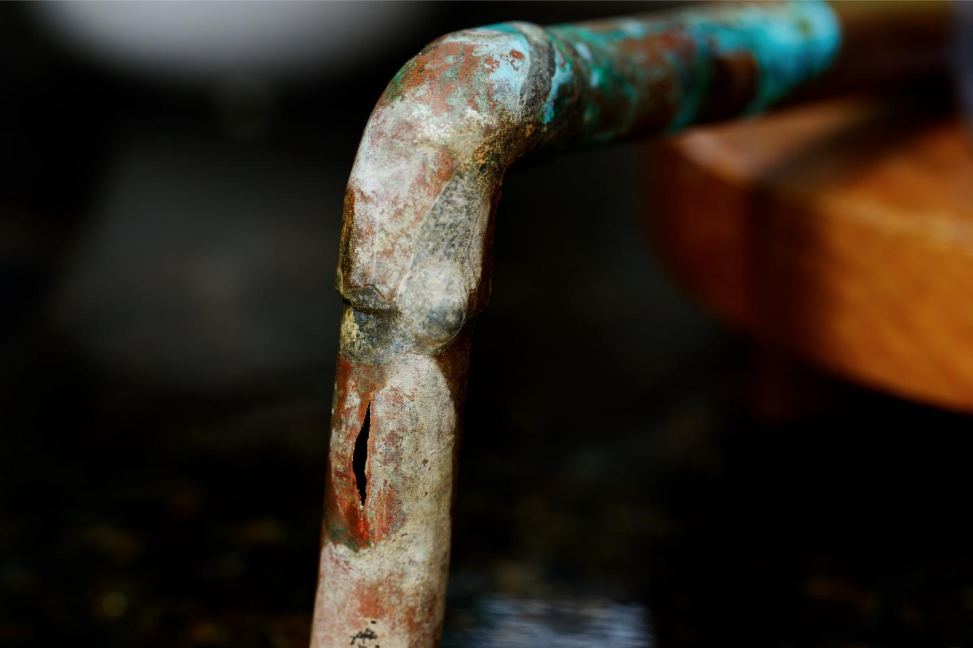
Photo from iStock - Credit: MMPhoto21
Common Causes of Hidden Household Water Leaks
Pinhole corrosion in copper or pitted spots in galvanized pipes often start as tiny leaks behind finished walls. These leaks form where minerals and water chemistry slowly eat metal, causing hairline openings that drip over months. A professional inspects accessible supply lines, valves, and the pressure-reducing valve for signs of corrosion or repeated repairs. Detecting this early can prevent widespread framing or floor damage that becomes costly to fix.
Failed seals and wax rings at toilets, plus cracked closet flanges, commonly cause hidden leaks at fixtures and floor junctures. A technician checks the toilet base and supply shutoff for movement, staining, and damp subfloor evidence during diagnosis. Loose connections at faucet supply lines and failing fill valves also allow slow drips into cabinets or vanities. These problem spots often leave faint mineral deposits or concentrated mold behind trim where homeowners might not look.
Sewer and drain leaks sometimes occur at trap connections, damaged P-traps, or deteriorated vent stacks causing water to back up into walls. Professionals perform a dye test or controlled flow inspection and may inspect cleanouts and drain fittings for hairline cracks. Underground or slab leaks often start at joints, soldered fittings, or where a supply line rubs against a fastener. For homeowners in Florence, South Carolina a slab leak that migrates under flooring can show only subtle signs at first, so timely checks matter.
Appliance supply lines and hose failures are frequent hidden leak causes, especially at washing machines and dishwashers where vibrations loosen fittings. Technicians test hoses, shutoffs, and the appliance inlet for wear, pressure leaks, or improper clamps during diagnosis. Sump pump and sump basin issues, like failed check valves or blocked float switches, allow water to accumulate unseen in basements or crawlspaces. For properties in Greeleyville, South Carolina regular inspection of those components helps homeowners avoid slow, unnoticed damage.
Early Warning Signs Homeowners Should Watch For
Look for sudden changes in your water bill that are unexplained by extra usage, as they often signal hidden leaks. Check the water meter with all fixtures off and observe for steady movement that suggests a continuous leak. Listen for persistent running water sounds behind walls, under floors, or near cabinets during quiet hours. If you notice these signs, document the time and conditions to share with a technician during scheduling.
Watch for localized warping, bulging, or soft spots on floors and baseboards that develop without an obvious cause. Small bubbles or peeling paint on walls near plumbing runs can indicate moisture trapped behind the surface. Smells that are musty or like damp cardboard often accompany long-term hidden leaks and warrant professional testing. Photograph any visible changes so technicians can compare conditions during their inspection visit.
Keep an eye on fluctuating water pressure or toilets that refill intermittently after use without visible running water. A toilet that slowly refills usually points to a flapper or fill valve issue, but it can also signal supply line or seal failure. Observe appliance areas for dampness beneath dishwashers, refrigerators, and washing machines, since slow leaks often pool where cabinets hide them. If you find pooled water, turn off the appliance water supply and call a pro for a focused check.
Notice recurring mold spots or stains that return after cleaning or repainting, as these often mean a persistent moisture source remains. Soft or discolored insulation in crawlspaces and around sump basins suggests repeated wetting that needs technical evaluation.
Noninvasive Tools Professionals Use to Locate Leaks
Technicians rely on noninvasive acoustic listening devices to find leaks behind walls and under floors without cutting into surfaces. These devices amplify water movement sounds so a technician can follow noise to a likely spot. Acoustic checks often pair with surface tapping to distinguish pipe types and locate joints. Homeowners may hear faint dripping that matches technician findings during an acoustic sweep.
- Infrared cameras show wet areas by temperature differences.
- Moisture meters measure dampness through drywall or flooring.
- Pressure gauges test isolated sections for drops.
- Dye tests reveal leaks at fixtures and trap connections.
- Smoke testing finds vent or sewer leaks in safe conditions.
Infrared imaging highlights cooler areas where evaporation lowers surface temperature from hidden moisture. A technician moves the camera over suspected zones and notes thermal anomalies for focused testing. They then confirm readings with a moisture meter to avoid false positives from drafts or insulation. This two-step check reduces unnecessary openings in ceilings or floors.
For slab or underground supply leaks, professionals use electronic leak correlators to pinpoint a location under concrete. The correlator compares sound timings between two sensors to calculate a leak position along a pipe run. After a probable spot is found, technicians mark the area and may perform a small exploratory probe to confirm results.
Technicians also use controlled isolation by shutting off zones and reading meters to verify active leaks in specific branches. They document meter and pressure readings along with photos to show evidence and support repair decisions. In crawlspaces or near appliances, visual borescopes allow inspection inside tight cavities without major demolition.
What Technicians Check and When to Act Immediately
Technicians inspect visible shutoff valves, supply lines, and fixture connections to determine leak urgency and isolation options. They check toilet bases, wax rings, and fill valve operation to find active or intermittent leaks. A pressure gauge test on isolated branches reveals drops that confirm a pressurized supply leak needing immediate action. If the inspection shows rapid pressure loss or flowing water, the tech may recommend shutting the main supply immediately.
When a technician suspects a slab or underground supply leak, they perform targeted sound correlation and small exploratory probes to confirm the exact spot. They will verify findings with recorded readings and photos so homeowners understand the evidence and next steps. If a leak sits beneath finished flooring and threatens structural framing, the technician advises urgent repair to limit timber and subfloor deterioration.
For drain and sewer concerns, professionals inspect cleanouts, trap seals, and vent connections and may run a smoke or dye test when safe and appropriate. They also check for sewer gas smells and persistent slow drains that indicate a breach requiring faster intervention. If raw sewage or strong odors are present, technicians warn homeowners to avoid occupied areas and recommend immediate service to prevent health risks.
Technicians use moisture meters and infrared verification after repairs to confirm the leak no longer wets surrounding materials and to detect any remaining damp pockets. They include simple homeowner actions in their report, such as when to keep the area ventilated and when to run dehumidifiers. If mold growth or extensive wet framing appears, the technician advises contacting a remediation specialist and stopping interior renovations until dryness is confirmed. Written reports and clear next steps help homeowners decide whether to schedule repairs immediately.
Repairs And Mitigation Steps After Leak Identification
After a leak location is confirmed, technicians outline repair options that match the pipe material and access constraints. They often recommend replacing failed components like a supply line, shutoff valve, or wax ring rather than patching temporary fixes. Repair plans include steps for isolating water, protecting nearby finishes, and scheduling an appropriate work window to reduce homeowner disruption. Homeowners receive a written scope with photos and estimated timelines so they can plan repairs confidently.
When repairs require cutting into surfaces, crews follow controlled removal techniques to limit demolition to the smallest possible area. They cut access panels or remove a short flooring section to reach the leak point, then replace the damaged pipe or fitting with approved materials. After the repair, technicians restore visible plumbing components and seal the opening to prevent future intrusion. The team documents the repair with post-repair photos and pressure readings to confirm no further loss.
If repair reveals soaked framing or insulation, mitigation steps include drying, replacing affected insulation, and treating exposed wood to prevent mold. Technicians may recommend running dehumidifiers and increasing ventilation until moisture readings return to safe levels and a follow-up moisture scan verifies dryness. For significant structural wetting, homeowners are advised to coordinate with a restoration specialist for drying and reconstruction.
After mechanical repairs, professionals check fixtures and nearby components like the pressure-reducing valve and appliance supply hoses to prevent repeat leaks. They provide practical homeowner steps such as testing shutoffs monthly and watching recent repair sites for new staining or odors. If the situation involves slab or underground lines, technicians explain excavation or pipe re-routing options and document findings for homeowner or contractor review.
Preventive Maintenance Tips to Avoid Future Damage
Schedule routine inspections of visible plumbing components and appliance connections to catch wear before it fails. Include checking supply lines, shutoff valves, and hose clamps for looseness or corrosion. Keep a log of inspection dates and any readings a technician provides during service visits. Regular checks reduce the chance that a minor drip becomes a hidden problem requiring major repair.
- Test shutoff valves for easy operation.
- Replace rubber supply hoses every five to seven years.
- Run water meter checks during quiet hours monthly.
- Inspect under-sink cabinets for dampness weekly.
Install simple monitoring tools like leak detection alarms and automatic shutoff devices where practical around appliances. These devices alert you immediately to standing water or continuous flow and limit damage until help arrives. Combine alarms with a routine for turning off local shutoffs during long trips or extended absences. Documentation of alarm triggers helps technicians diagnose intermittent leaks later.
Manage indoor humidity and ventilation to discourage mold and hidden moisture retention in wall cavities and crawlspaces. Run exhaust fans during showers and use dehumidifiers in damp basements until moisture readings return to normal. Inspect attic and crawlspace insulation periodically for compaction or staining that can hide slow leaks. When in doubt about hidden damp spots, schedule professional moisture scanning to confirm dryness.
Keep important records of repairs, pressure readings, and photos from technicians for future reference and warranty support. Share those records with any restoration or contracting teams if structural repairs become necessary.
When to Call a Professional Leak Detection Service
If you notice sudden structural shifting, widespread mold, or continuous meter movement, call a professional immediately for diagnostic testing. A trained technician can perform isolation tests, pressure checks, and targeted acoustic scans to confirm active leaks. They will document meter readings, infrared images, and moisture measurements to guide repair decisions and provide a written report. Scheduling professional help prevents worsening damage and gives clear repair options backed by measured evidence.
For intermittent sounds or odors that occur only at certain times, arrange a timed inspection so technicians can observe conditions when symptoms appear. Professionals can place data loggers or run meter checks during a homeowner-reported event to capture evidence of a transient leak. This approach reduces guesswork and helps decide whether a focused repair or follow-up monitoring is best. Homeowners benefit from appointments timed to symptom patterns for efficient diagnosis.
If you suspect a slab or underground supply leak, request an advanced leak correlation and targeted probing to avoid unnecessary demolition. Technicians use recorded acoustic data and confirmation probes to pinpoint the pipe run before any concrete is cut or excavated. Accurate localization minimizes repair scope and speeds restoration planning after repair confirmation.
Call sooner rather than later when appliances, sump equipment, or fixture bases show new staining with no clear cause. A rapid inspection can reveal failing hoses, loose clamps, or deteriorating seals before framing and insulation get saturated. Technicians also advise temporary shutoff steps and document findings with photos and readings for later contractor coordination.

 Your Privacy Choices