
Key Takeaways About Water Pipe Protection
Water pipe protection means steps to prevent pipes from freezing and bursting. This guidance is for homeowners and property managers before and during cold weather.
- Identify exposed runs and components that lose heat fastest.
- Prevent freezing with continuous insulation and sealed penetrations
- Avoid damage by shutting off and draining outdoor fixtures.
- Spot early signs like frost reduced flow or unusual sounds.
- Reduce risk using heat trace or targeted rerouting when needed.
- Plan professional inspections diagnostics and written recommendations annually.
Introduction
Freezing temperatures can crack water pipes and leave a home without water at the worst times. Homeowners in Greeleyville, SC often face burst pipes that cause water damage, mold growth, and costly repairs. Cold-related breaks can also contaminate drinking water through backflow or exposure. Recognizing vulnerable plumbing before cold hits reduces emergency risk and long repair bills.
Not all plumbing is equally at risk during cold weather. Pipes in unheated spaces, older supply lines, and outdoor fixtures face higher exposure. Small leaks often start as sounds or damp spots before a full failure, so early signs matter. Acting before visible damage limits water loss and secondary problems like warped flooring.
Protecting pipes overlaps with separate water-safety issues like lead service lines, but they are not the same problem. The EPA offers guidance on drinking water safety and lead service line replacement, which focuses on long term public health. Cold-weather pipe protection targets freeze prevention and physical pipe integrity instead of contaminant removal. Knowing the difference helps prioritize the right fixes for safety and function.
Scheduling preventive maintenance with a licensed plumber offers a practical path to lower risk. A professional can inspect shutoff valves, supply lines, and accessible piping to identify vulnerabilities. They will provide a written assessment and recommend targeted actions to reduce freeze risk. For homeowners in Florence, SC timely maintenance often avoids emergency winter calls and major property damage.
Photo from iStock - Credit: photovs
Common South Carolina Cold Weather Causes Pipe Freezing
Common South Carolina cold weather causes pipe freezing are conditions that increase heat loss and allow water inside pipes to freeze. Pipes lose heat faster when they sit in unheated spaces, when outside air reaches them, or when insulation is missing. A clear homeowner question is which areas freeze first, and the answer is where pipes are exposed to cold drafts or outside walls. Knowing these causes helps prioritize water pipe protection before a freeze event.
- Unheated attics that expose supply lines
- Exterior walls with little or no insulation
- Basement areas with drafty windows or vents
- Outdoor hose bibs and exterior spigots
Temperature drop is only one factor, airflow and humidity matter too because moving cold air removes heat from pipes quickly. Older metal pipes conduct heat away faster than some modern materials, which raises freeze risk for certain supply lines. Visible signs like frost on a pipe, reduced flow, or a gurgling sound can indicate partial freezing starting. If you see these signs, a professional can confirm the problem and recommend immediate steps.
How a plumber diagnoses freezing starts with a visual inspection and simple checks such as feeling along accessible pipe runs for cold spots. They may use an infrared camera or a temperature reading to find hidden cold areas in walls or crawlspaces. A pro will also check shutoff valves, pressure across the system, and outdoor fixtures for vulnerabilities. Those diagnostics lead to a targeted plan for insulation, heat tracing, or rerouting when needed.
Identifying Vulnerable Plumbing Areas in Homes
Start by locating pipe runs most exposed to cold air, such as those along crawlspace ceilings or inside poorly insulated exterior walls. Look for visible signs like frost, condensation, or metal piping that feels much colder than nearby surfaces. Check under sinks and behind washing machines where supply lines pass through exterior walls or sit against cold sheathing. A simple dye test at fixtures can reveal slow leaks that worsen freeze risk when temperatures fall.
Inspect shutoff valves and hose bib connections for corrosion, looseness, or drip signs that indicate older components may fail under freeze pressure. Pay attention to supply lines made of older copper or galvanized steel because they transfer heat away faster than plastic PEX. Examine vent stacks and small branch lines near attics where cold air can collect and cool pipes quickly. Note any areas where insulation is patched or missing, those spots often correlate with future trouble.
Professionals confirm vulnerable areas with targeted diagnostics like pressure checks, visual photos, and temperature readings along pipe runs using an infrared camera. They will open cabinet doors, feel for cold spots, and test pressure at fixtures to distinguish partial freezes from blockages. A plumber may also trace the supply line from the meter to the interior to find hidden risks near foundation walls. These inspection outputs create a clear action list for pipe repairs or insulation upgrades.
For homeowners in Greeleyville, SC, inspecting interior and exterior transitions matters most because those gaps let cold reach pipes quickly. In Florence, SC, older crawlspaces and detached meter locations deserve special attention during fall checks. After identifying vulnerable plumbing, a plumber can recommend targeted solutions such as adding foam insulation, replacing brittle fittings, or installing heat trace in critical runs. If you find corrosion, repeated drips, or very cold pipe readings, contact a professional for a written assessment and prioritized repairs.
How Pipe Insulation Works and Why It Matters
Pipe insulation works by reducing heat loss from the pipe surface to surrounding cold air, slowing water temperature drop inside the pipe. Common materials include foam sleeves and fiberglass wrap, which trap air and lower conductive heat transfer. Proper installation creates a continuous thermal barrier around joints and valves where heat escapes most readily. When installed correctly, insulation extends the time before water inside a pipe reaches freezing point during cold snaps.
Insulation thickness and material choice matter because R-value and fit determine protection level against freezing. Professionals assess pipe diameter, exposure, and nearby cold sources to select appropriate sleeve size and wrap type. They also check for gaps at fittings, shutoff valves, and unions because small gaps let cold bypass insulation and start a freeze. A snug fit around elbows and T-connections reduces cold spots that can form ice first.
To diagnose insulation effectiveness, a plumber will look for visual damage, compressions, or wet insulation that no longer insulates well. They may use an infrared camera or a surface temperature reading to spot cold spots along the run and at fittings. A recorded temperature profile or photos become part of a written report showing where upgrades are needed. These diagnostics guide whether to add foam, replace degraded wrap, or reroute exposed piping.
Insulation does not address water quality or lead service lines, so homeowners must separate freeze protection from EPA drinking-water concerns. For residential freeze protection in Florence, SC, focus on insulating vulnerable runs, sealing drafts, and protecting outdoor spigots. In Greeleyville, SC a professional can recommend the right insulation material and measure expected freeze-delay time. If insulation is missing, damaged, or you detect very cold pipe readings, contact a professional plumber for an inspection and written recommendations including related services like pipe replacement.
Practical Steps for Protecting Outdoor Fixtures
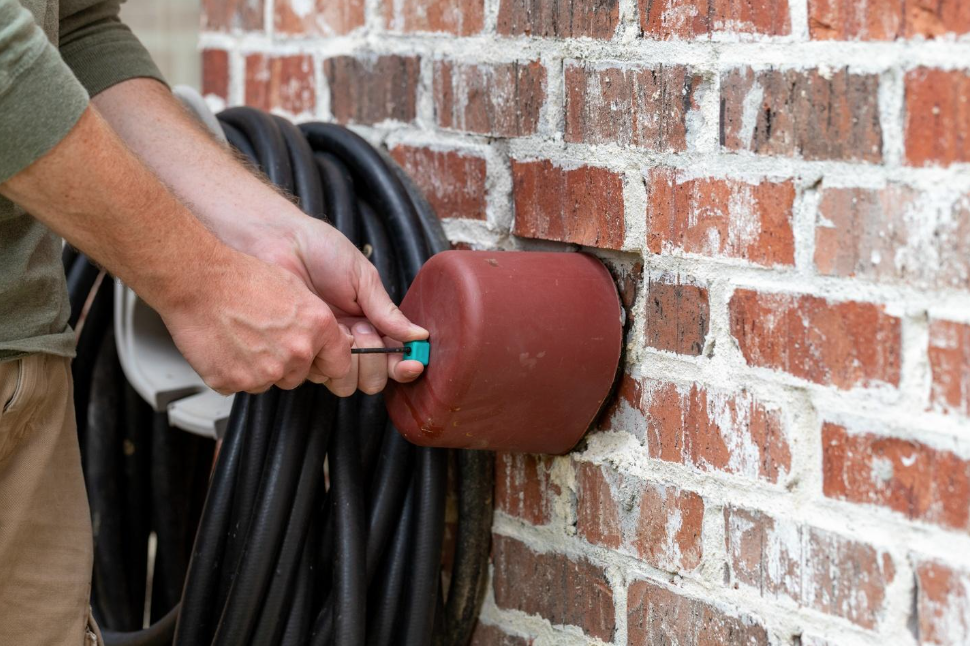
Start by shutting off and draining outdoor hose bibs before freezing weather arrives to avoid trapped water in the line. Remove hoses and open the spigot until water stops to clear the pipe. If a bib has an interior shutoff valve, close it and drain the stub. For fixtures without interior valves, cover the spigot with an insulated bib protector to add a thermal barrier.
- Disconnect and store garden hoses inside.
- Drain inline vacuum breakers when present.
- Cover spigots with insulated foam covers.
- Check for dripping or slow leaks at exterior valves.
Protect exposed backflow preventers by adding fitted insulation or a small insulated box to the device body. Avoid packing fiberglass directly against moving parts or test ports because it can interfere with maintenance. A plumber can fit a removable insulated cover that still allows access for annual testing. For more information about maintaining these devices, see our guide to backflow preventer service for safer household water. If you notice a rattle or leak, stop and call a professional for inspection.
Wrap short, exposed supply runs near exterior walls with foam pipe insulation and secure with tape or zip ties for a tight seal. Insulate bends and unions where pipes pass through sheathing or siding to stop cold spots. Consider adding a small heat source like an approved pipe heating cable for runs that stay very cold.
Check outdoor laundry or irrigation shutoffs for signs of corrosion and replace brittle hose bibs before winter to reduce freeze risk. A professional will perform a pressure test and inspect shutoff valves during a winter readiness visit. They may recommend replacing old metal fittings with PEX or modern brass to slow heat loss.
Temporary Heat Solutions and When to Use Them
Temporary heat sources can keep water moving in vulnerable runs when cold snaps threaten, but use them carefully to avoid fire or electrical risks. Electric heated tape or thermostatic heat cables are common options for short runs, follow manufacturer instructions and do not overlap heating elements. Space heaters can warm a small utility room but should never sit near insulation or flammable stored items.
Temporary solutions work best as short-term measures while you arrange permanent fixes with a professional plumber. A plumber will inspect heat-applied measures to confirm safe installation and recommend long-term options like rerouting or hard insulation. When diagnosing whether heat helped, a pro will compare flow at fixtures, take surface temperature readings, and inspect shutoff valves for stress. Recordings or photos of the temporary setup help document what was tried before service.
Use heat only where you can monitor it frequently and turn it off when temperatures moderate to prevent overlooked hazards. Never wrap a conventional extension cord or heater element directly around a pipe unless the product is rated for pipe heating. If you see melting insulation, scorch marks, or abnormal odors, cut power and call a professional. In a common situation, a homeowner hears running water but sees steady ice buildup, a plumber would check pressure, test for partial blockage, and inspect the heat cable installation next.
Certain areas should not rely on temporary heat as a long-term strategy because they remain exposed to drafts or moisture that reduce effectiveness. Crawlspaces and outdoor backflow assemblies often need permanent insulation, rerouting, or enclosed heated boxes for reliable protection. Before using any heat tape or cable, consult product instructions and consider a plumber to install a thermostat-controlled solution.
Water Pipe Protection for Interior Vulnerabilities
Interior vulnerabilities often hide where pipes pass through exterior walls, closets, or floor junctures that collect cold air and moisture. Inspect areas behind cabinets and at utility penetrations for frost, rust, or damp insulation that signal thermal loss. A professional will look for cold spots with a surface thermometer and document temperatures along the run to prioritize work. If you detect very low surface readings, schedule a plumber to evaluate options like rerouting or added barrier walls.
Small components like shutoff valves, unions, and supply flex lines need attention because they create thermal bridges that speed freezing. Check for stiff or cracked supply hoses and corroded valve stems that may fail under freeze pressure and cause leaks. A plumber diagnosing issues will test fixture flow, operate shutoffs, and perform a pressure check for hidden leaks or weakened fittings. Those checks produce a written list of parts to replace and where insulation must be continuous.
Air sealing improves protection by stopping drafts that remove heat from pipes in cabinets and crawlspaces, not just by adding insulation material. Simple steps include weatherstripping cabinet bases, sealing gaps where pipes enter walls, and installing foam grommets at penetrations to block airflow. During an inspection, a professional may use smoke testing or thermal imaging to find leakage paths and then recommend targeted sealing. These fixes reduce freeze cycles and lower the need for temporary heat during South Carolina cold weather.
For long runs through unheated zones, consider using approved heat-tracing systems controlled by a thermostat to maintain safe pipe temperatures without continuous manual monitoring. A plumber will verify circuit capacity and choose cables rated for the specific pipe material and installation, then test the system under load and provide a written operation guide. If lead service line concerns arise separately, note they require different testing and replacement processes under EPA guidance and do not substitute for freeze protection methods. After diagnostic checks, homeowners in Greeleyville, SC can make informed decisions about insulation, sealing, or heat tracing based on documented findings.
EPA Drinking Water Guidance Vs Pipe Freezing
The EPA guidance on drinking-water safety focuses on contaminant removal, sampling, and lead service line replacement, not on freeze prevention. That guidance addresses long-term health risks from metals and pathogens in distribution systems and private wells. Water pipe protection for freezing concerns the thermal integrity of pipe runs and preventing structural failure from ice expansion. Homeowners should treat these as separate priorities when planning repairs or upgrades.
- EPA guidance targets water quality and lead testing.
- Freeze protection targets insulation and heat retention.
- Lead service line replacement follows public-health protocols.
- Pipe-insulation upgrades follow building practice and installer guidance.
A professional diagnosing drinking-water issues will review sampling records, inspect service lines, and test for lead or other contaminants. For freeze-related diagnosis, a plumber checks surface temperatures, pressure readings, and visible cold spots along runs. Both inspections produce documented findings such as temperature logs, pressure test results, or sample reports to guide next steps. These outputs help homeowners decide whether to pursue water testing, lead replacement, or freeze protection work.
For residents in Florence, SC a homeowner deciding between actions should prioritize immediate risks based on evidence from inspections and tests. In Greeleyville, SC documentable cold spots or recurring freeze events make thermal upgrades urgent compared to routine water sampling. If you suspect contamination or find lead components, contact a licensed plumber or water specialist for testing and documented replacement plans. When safety risks exist, always involve a professional for definitive diagnosis and safe repairs.
When to Call a Professional Plumber for Pipes
Call a professional when you detect recurring freeze cycles that simple insulation or temporary heat cannot stop. A plumber will perform a pressure test and take surface temperature readings to confirm hidden ice pockets. They can inspect shutoff valves, unions, and supply flex lines for stress that predicts imminent failure. If you notice unusual sounds or slow recovery at fixtures, arrange a diagnostic visit promptly.
When visible corrosion, repeated small leaks, or wet insulation appear, professional intervention reduces the chance of a burst pipe. A plumber will use an infrared camera or temperature probe to map cold spots along the run and document findings. Based on those diagnostics, they will recommend repair, reroute, or targeted heat tracing for vulnerable sections. Ask for a written scope and timeline before any work begins.
Emergency signs such as sudden pressure loss, loud popping noises, or a steady drip under a cabinet justify immediate professional plumbing service. During an on-site visit the technician will close local shutoffs, test water pressure, and inspect for active freezing or splitting at joints. If replacement is needed, they can swap brittle fittings or short sections of pipe with suitable materials.
Consider a pro when complex assemblies like backflow preventers, irrigation shutoffs, or under-slab runs face freeze risk that you cannot access safely. A plumber will check electrical loads before installing heat-trace and will test any thermostatic controls after installation. They will also document what was done with photos and a written report that helps with future planning.
If water quality concerns or lead service line suspicions arise alongside freeze risk, hire a licensed plumber in Florence to separate the issues and sequence work safely. The professional will recommend testing or referral for lead service line replacement while keeping freeze protection measures distinct. Diagnosis typically includes pressure checks, recorded temperature profiles, and photos to support next steps. When in doubt about safety or scope, contact a professional rather than attempting risky repairs yourself.

 Your Privacy Choices