
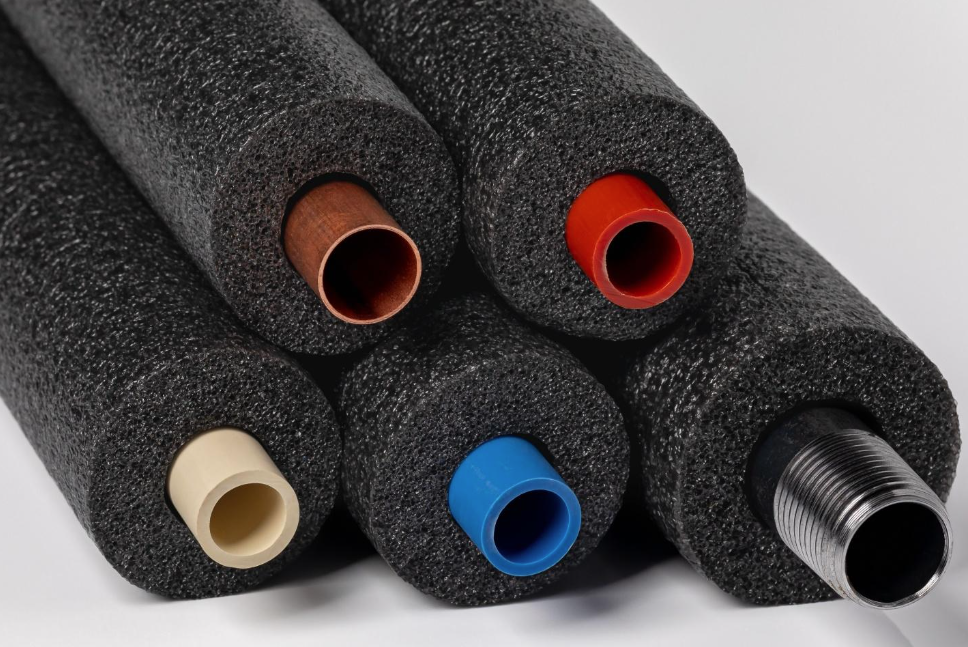
Key Takeaways About Types of Pipe Insulation
Types of pipe insulation are common materials used to slow heat loss and control condensation on plumbing pipes. This summary helps homeowners and property managers decide when to inspect or upgrade insulation to prevent damage.
- Identify material based on look and flexibility around the pipe.
- Prevent freezing by choosing appropriate thickness and closed cell types.
- Avoid moisture issues by using vapor barriers or closed cell products.
- Spot damaged sections near valves unions and exposed runs quickly.
- Reduce heat loss on hot lines with thicker or higher R materials.
- Plan inspections and professional diagnostics when signs of failure appear.
Introduction
Cold pipes that freeze or sweating pipes that drip can cause real damage to a home’s plumbing. Insulation choices affect freezing risk, condensation, heat loss, and long-term corrosion. Different materials perform better in different locations and pipe types. Homeowners often need clear reasons to replace or upgrade existing insulation.
Foam, fiberglass, rubber, and polyethylene each protect pipes in distinct ways based on material and thickness. Some materials block heat flow, while others resist moisture or compress around irregular fittings. Where the pipe runs matters for both protection and longevity. Selecting the wrong insulation can leave pipes vulnerable despite appearing covered.
Visible clues like frost, pooled water, or noisy pipes point to an insulation problem needing inspection. A plumber will check exposed supply lines, shutoff valves, and pipe fittings during a diagnosis. They may use a moisture meter or infrared camera to confirm cold spots or hidden wet spots. Those simple checks help prioritize repairs and upgrades correctly.
Homes in Florence, SC, and properties near Dillon, SC, see different risks from humidity and roof overhangs that affect pipe exposure. Matching insulation type to pipe material and location reduces burst risk and cuts heat loss from hot water lines. Decisions should weigh durability, resistance to moisture, and ease of fitting around elbows and valves. A clear, targeted choice helps prevent messy and costly plumbing problems later.
Overview of Four Common Pipe Insulation Types
Overview of four common types of pipe insulation refers to foam, fiberglass, rubber (elastomeric), and polyethylene materials used around plumbing pipes. Homeowners often ask which type prevents pipes from freezing and which controls condensation, each material answers those needs differently. This section introduces how each material protects pipes and where installers commonly use them. Read on to compare common uses and key homeowner considerations for these insulation types.
- Foam fits easily around straight pipes.
- Fiberglass resists high temperatures on hot water lines.
- Rubber handles moisture and compression well.
- Polyethylene offers a lightweight, economical option.
Foam pipe insulation typically covers exposed copper or PVC supply lines and reduces heat loss on hot water pipes. Fiberglass shows up more on large-diameter or attic plumbing because it tolerates higher temperatures. Rubber or elastomeric insulation works well around condensate lines and in humid spaces because it resists sweating and mould. Polyethylene commonly appears on interior lines where budget and easy installation matter most.
Each type protects pipes differently: foam blocks heat flow by trapping air, fiberglass uses glass fibers to slow conduction, rubber combines closed-cell structure with flexibility, and polyethylene adds a simple thermal barrier. A homeowner wondering which stops pipe sweating should choose rubber or closed-cell foam to resist moisture. Longevity and UV sensitivity vary, so placement and exposure determine the practical choice.
When diagnosing insulation problems a professional will inspect visible fittings, shutoff valves, and pipe runs for gaps and damage and may use an infrared camera to find cold spots. They will also check for pooled water, frost on pipes, or soft spots in existing insulation that indicate moisture intrusion. For properties near Florence, SC or buildings around Dillon, SC humidity and attic exposure often change which material performs best. After inspection, a plumber can recommend a replacement that matches pipe material, location, and expected wear.
Foam Pipe Insulation: How It Works and Uses
Closed-cell foam sleeves slip over pipes and form a continuous thermal barrier that reduces heat transfer. Installers cut the foam to length and seal seams with adhesive or tape to avoid gaps. Foam works well on straight runs of copper, PEX, and PVC supply lines where compression around fittings is minimal. Homeowners can often fit it themselves, but tight spaces or many elbows make professional help useful.
Foam insulation varies by thickness, which affects how much heat it keeps in or out of the pipe. Thicker foam reduces conductive heat loss on hot water lines and slows freezing on cold lines exposed to drafts. In shaded crawlspaces near Florence, SC, thicker foam can lower freeze risk during rare cold snaps. For hot water recirculation lines, foam also helps maintain temperature and reduce wait time at taps.
Not all foam performs the same with moisture or fire exposure, so selection matters for long-term performance. Closed-cell varieties resist water absorption and limit condensation, while open-cell foams trap moisture and can rot insulation over time. When foam sits near a furnace flue or other heat source, installers check clearance and fire codes to avoid hazards. A plumber will also inspect nearby valves and unions to ensure foam does not hide leaks.
Diagnosing foam failures starts with visible clues like flattened sections, dark stains, or soft spots that suggest moisture or deterioration. A professional will remove a small section, check the pipe surface, and use a moisture meter or infrared camera if hidden wet spots appear. They will also examine fittings, shutoff valves, and transition points where foam gaps commonly occur.
Fiberglass Insulation: How It Protects Pipes
Fiberglass pipe insulation uses a mineral wool or glass-fiber blanket wrapped around pipes and secured with foil or vinyl jacketing to protect hot and cold lines. Its fibers slow heat conduction and tolerate higher continuous temperatures than many foams, making it suitable for large hot water and boiler supply pipes. Because the material is porous, installers add a vapor barrier jacket to prevent moisture wicking into the fibers and avoid reduced thermal performance. Homeowners should watch for compressed or torn jacketing, which lets moisture reach the fiberglass and reduces R-value quickly.
Installers often cut and fit the fiberglass around elbows, tees, and unions, then seal seams with foil tape or cement to preserve the vapor barrier and keep insulation continuous. Proper fit prevents convective air from bypassing the fiberglass and creating cold spots that lead to sweating or heat loss. During inspections, a professional will look for exposed pipe at fittings, damaged tape, and soft spots that indicate trapped moisture or mold growth. They may use a moisture meter and visual checks to confirm wet insulation before recommending repair or replacement.
Fiberglass works well on older steel or copper mains where higher temperature resistance outweighs its moisture sensitivity, and it also suits exposed attic or basement plumbing when combined with proper jacketing. Installers emphasize intact vapor barriers and sealed seams to stop moisture intrusion that commonly shortens fiberglass life. Homeowners should avoid compressing the blanket, as reduced thickness cuts thermal resistance and creates zones prone to condensation. Replacing damaged sections promptly prevents corrosion under insulation on metal pipes and extends service life.
For diagnosis, a technician inspects the jacket, measures pipe surface temperature with an infrared thermometer, and tests suspect areas with a moisture meter to identify degraded insulation. If corrosion under insulation or mold appears, the professional documents findings in a written report and recommends either spot replacement or full run re-insulation. Homes with visible staining, dampness, or musty odors should arrange a professional inspection because hidden wet fiberglass can hide active leaks. Choosing fiberglass means planning for periodic checks of jacketing and sealing to keep the system performing as intended.
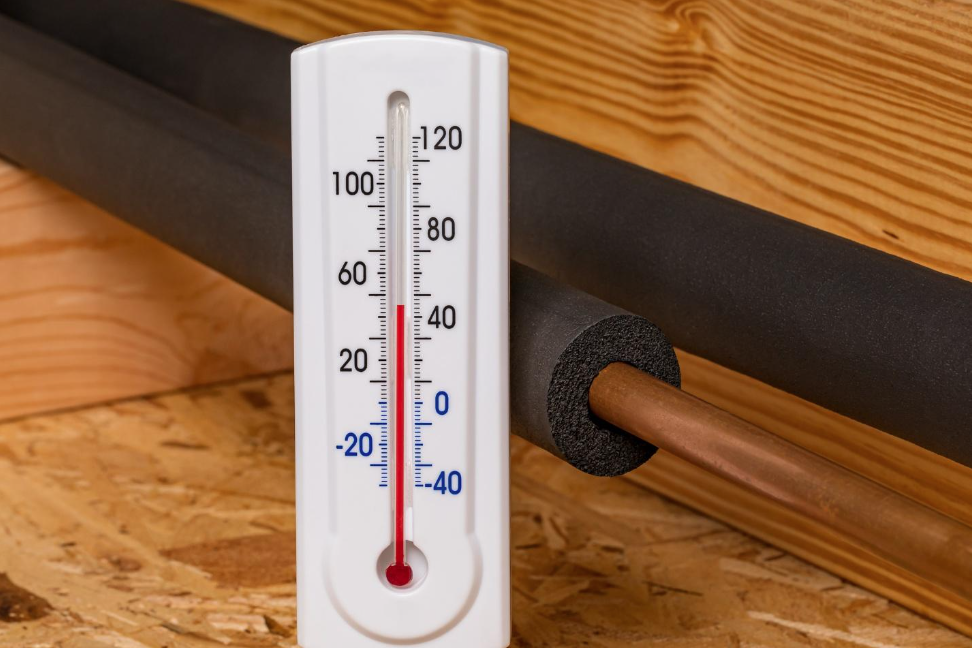
Photo from iStock - Credit: JJ Gouin
Rubber Elastomeric Insulation Benefits and Limits
Rubber or elastomeric insulation stays flexible across a wide temperature range, which helps it maintain contact around bends, valves, and unions. Its closed-cell structure resists water absorption, so the material reduces condensation and limits mold growth on wet surfaces. Installers often prefer it on condensate lines, chilled water piping, and areas where frequent handling or compression occurs. Homeowners notice less dripping and fewer musty odors when this insulation performs correctly.
- Flexible around elbows and tees.
- Closed-cell soaks up little moisture.
- Holds shape under light compression.
- Available with factory-faced vapor barriers.
Rubber insulation resists tearing during installation, which reduces gaps that let cold air contact the pipe. It also provides sound dampening, so noisy water hammer or flow sounds reduce slightly. However, exposure to direct sunlight can degrade some elastomeric surfaces unless UV-protected or covered. For outdoor or sunlit attic use in Florence, SC, choose UV-rated products or add protective jacketing to extend life.
Limitations include lower maximum temperature tolerance compared with fiberglass, so it is not ideal for very hot steam lines. Thinner elastomeric types may not provide sufficient R-value for long exterior runs without added thickness. During diagnosis, a technician checks for compressed sections, tears at fittings, and compromised seams using visual inspection and pressure or temperature readings. They may also inspect nearby shutoff valves and unions to ensure insulation does not hide leaking joints before documenting recommendations in a written report for repair or replacement in Dillon, SC.
Polyethylene Insulation Typical Applications and Care
Polyethylene pipe insulation is a closed-cell foam that offers a lightweight, low-cost thermal barrier for interior plumbing runs. Installers cut rings or slip-on sleeves to fit around straight sections of copper, PEX, or PVC supply lines. Its primary benefit is ease of handling and resistance to common household pests that might damage softer materials. Homeowners prefer it when budget and simple DIY replacement matter most.
This material resists water absorption but lacks a factory vapor barrier, so installers often add tape or a jacket where moisture risk exists. It does not perform well around high-temperature boilers or steam lines due to lower maximum temperature tolerance. For long exposed runs, polyethylene can compress and lose insulating value if people or boxes press against it in storage areas. Regular visual checks catch flattened or split sections before thermal performance drops significantly.
Care involves periodic inspection of seams, taped joints, and fittings where gaps typically appear and allow heat transfer or condensation. A homeowner can look for cold spots, visible pipe sections, or pooled water as indicators that replacement is needed soon. A professional diagnostician would measure pipe surface temperature, inspect valves and unions, and use an infrared camera to pinpoint runs with insufficient insulation. They document findings and recommend spot repair or full replacement based on measured temperature differences.
In humid basements near Florence, SC or storage areas in Dillon, SC, polyethylene works well if combined with taped seams and occasional re-checks. When pipes show frost, sweating, or inconsistent hot-water delivery, call a plumber to confirm insulation choice and coverage. Professionals will also check shutoff valves and unions to ensure insulation does not hide active leaks during the inspection. Scheduling an evaluation helps homeowners avoid burst pipes and reduce heat loss over time.
Comparing Insulation R Values and Longevity
Comparing R-values across materials helps homeowners estimate how much heat transfer each insulation type slows and how that affects energy loss. R-values for pipe insulation vary with thickness and density, so a thicker section of any material usually increases thermal resistance. Professionals often measure pipe surface temperature before and after insulation to calculate real-world R-effectiveness rather than relying solely on manufacturer numbers. Those measurements guide decisions when improving hot-water retention or protecting vulnerable cold pipes from occasional freezes.
Longevity depends on material durability, exposure conditions, and installation quality more than just R-value figures alone. Closed-cell products like rubber and polyethylene resist moisture intrusion and often last longer in humid spaces than porous materials. Fiberglass can retain good R-value when its jacketing stays intact, but damaged jacketing or moisture reduces life significantly and accelerates degradation. Inspecting seams and vapor barriers regularly prevents hidden failures and extends serviceable life.
A professional diagnosis for comparative performance includes visual inspection, infrared scans, and surface temperature checks along entire pipe runs to find cold or hot spots. Technicians may also probe seams, remove small sections of insulation at fittings, and test for moisture with a meter when condensation is suspected. They record temperatures at supply lines, unions, and shutoff valves to document gaps in coverage or compression that lower effective R-value.
Choosing insulation thickness balances thermal needs with space constraints and component access near valves and unions, where access may be required for maintenance. For hot water lines, small increases in thickness reduce heat loss noticeably and cut energy waste, while on cold lines preventing condensation may matter more than nominal R-value. Residential homeowners should account for occasional pressure on insulation that flattens softer materials and lowers performance. Adding protective jacketing or selecting denser material avoids compression and preserves both R-value and lifespan.
When comparing options, consider expected exposure, ease of repair, and whether the material will hide leaks under valves or union joints that require future access. For attic or partially exposed runs, UV or mechanical damage shortens life for some foams, so choose products rated for that exposure or add protective covering. Work with a technician who documents findings, measures temperature differences, and recommends specific thickness or material changes based on recorded readings. That process helps prevent premature failure and ensures insulation choices match the home’s real conditions and maintenance needs.
Choosing Types of Pipe Insulation for Homes
Consider where pipes run and how often you need valve access when selecting types of pipe insulation for a home. Choose materials that allow periodic inspection of shutoff valves and unions without complete removal. Match insulation flexibility to areas with many elbows so fittings remain covered and accessible. Prioritize closed-cell materials where occasional moisture or sweating might occur to limit mold and rot.
- Check clearance around valves before selecting thick insulation.
- Use closed-cell insulation in humid spaces.
- Add jacketing where UV exposure exists.
- Plan for removal at unions and serviceable fittings.
Think about pipe temperature and nearby components like a water heater or boiler when making choices. Materials with higher temperature tolerance work better near hot surfaces and heat-producing equipment. For cold lines in unheated areas, choose insulation that resists compression and keeps continuous coverage. A professional can test surface temperatures to verify the chosen material meets performance goals.
Budget and expected lifespan both affect the final decision for many homeowners and property managers. Less expensive materials may need replacement sooner in high-traffic or humid locations. Consider upfront cost versus likely years of effective service and maintenance needs. A technician can lay out options and document tradeoffs in a written report to aid decisions.
South Carolina homeowners should consider local humidity and access patterns when selecting insulation. If routine inspections are difficult, choose materials that resist moisture and compressive damage over time. When in doubt about hidden leaks or insulation effectiveness, schedule a professional inspection & diagnosis that includes infrared scanning and moisture readings. That diagnostic approach confirms coverage and helps avoid surprises during cold weather or high use.
When to Call a Professional for Insulation
If insulation shows frost, persistent dripping, or repeated heat loss despite repair attempts, call a professional to assess causes and risks. A technician will inspect accessible fittings, shutoff valves, and unions to confirm whether insulation hides active leaks. They can perform targeted diagnostics such as infrared scans and moisture meter readings to map cold spots and trapped water. Those tests reveal whether repairs, spot replacement, or a full re-insulation run best protects your plumbing.
When pipes feed a water heater or boiler and surface temperatures vary unexpectedly, a professional should verify material compatibility and thickness. The technician measures pipe surface temperature with an infrared thermometer and compares readings across the run to find inconsistent coverage. They also check mechanical access needs around valves and unions to avoid insulating parts that require frequent service. This inspection prevents insulation choices that obstruct future maintenance.
Call for help when insulation sits compressed, torn, or soft at seams because trapped moisture and corrosion can follow unseen damage. A plumber will remove small sections to inspect the pipe surface, record findings in a written report, and test for corrosion under insulation if needed. In humid basements near Dillon, SC, these checks catch hidden problems before they worsen. Early documentation helps homeowners plan repairs and budget replacements accurately.
If you notice musty odors, visible staining, or reduced hot water recovery, schedule a professional evaluation rather than attempting major rework yourself. Professionals check for condensation sources, test pipe insulation effectiveness, and verify that seals around elbows and tees remain intact. When insulation choices interact with nearby equipment or structural constraints, an installer can recommend materials and thicknesses suited to the exact conditions. Contact a licensed plumber in Florence to set up an inspection and get a written recommendation for action.

 Your Privacy Choices