
Key Takeaways About Plumbing Nightmares
Plumbing nightmares are common home system failures and warning signs that start small but can escalate. This summary is for homeowners and property managers who need quick cues to act before problems become emergencies.
- Identify unusual sounds smells or visible stains early to limit damage.
- Prevent hidden leaks by testing shutoffs and monitoring your water meter.
- Avoid chemical drain cleaners when drains gurgle or repeatedly clog.
- Spot pressure changes by using a pressure gauge at the main.
- Reduce burst risk by insulating exposed pipes and securing loose straps.
- Plan professional inspections when odors persistent clogs or sudden wet spots appear.
Introduction
Plumbing nightmares often start with small signs that homeowners ignore until damage appears. A hidden leak can stain ceilings and weaken framing in weeks. Strange smells or slow drains show a system under stress before a major failure. Noticing these early signs matters because repairs grow more complex and costly over time.
Mysterious noises, like banging or continuous dripping, usually point to pressure or valve problems. Gurgling from drains signals venting or sewer issues that can let odors back into the home. Persistent clogs indicate something more than routine buildup is blocking flow. Left unchecked, these problems can affect water quality and indoor air.
For properties in Florence, SC and Woodland Park, SC, older plumbing or long gaps between inspections make small issues more risky. Material deterioration and unseen pipe corrosion create sudden leaks that damage floors and personal items. A single repair can reveal related problems behind walls and under slabs. Acting early reduces the chance of emergency repairs and major disruption.
Recognizing warning signs helps homeowners decide when to call a professional instead of waiting. A qualified plumber will run focused checks and confirm causes before proposing repairs. Quick action prevents larger failures and protects the home and family from water and mold damage. Keeping an eye on sounds smells and water behavior turns scares into manageable fixes.
Mysterious Leaks Explained: Why It Happens
Mysterious leaks are unexpected water losses in a home that appear without an obvious source and can hide behind surfaces.
- Hairline pipe cracks often start small.
- Loose supply line fittings can drip intermittently.
- Failed wax rings leak at toilets.
- Corroded valves allow slow seepage.
Hidden leaks often happen when materials age or connections loosen, causing water to move along framing before appearing visibly.
Homeowners often ask how to tell where a leak starts, a professional looks for wet stains, moisture readings, and pressure drops.
Technicians will inspect shutoff valves, supply lines, P-traps, and cleanouts and may use a moisture meter or infrared camera to confirm the source.
Gurgling Drain Causes and When to Act
Gurgling drains often mean air is trapped where it shouldn't be, causing bubbles and delayed drainage. A common cause is a blocked vent stack that prevents sewer gases from escaping above the roof. Another frequent source is partial blockages in the drain line that let water pull air through P-traps. A plumber confirms this by observing multiple fixtures to see if gurgling moves through the system.
When vents or drains are suspect, a technician will inspect accessible vents and cleanouts before using tests. They may run a dye test to see flow patterns and identify where water pools or backs up. A smoke test can reveal vent or sewer line leaks that allow odors or air into the house. Video inspection of the drain line shows roots, scale, or collapsed sections causing the noise.
Act sooner if gurgling comes with slow drains, recurring sewer smells, or periodic backups in fixtures. Homes in Woodland Park, SC should pay attention when gurgling follows heavy rain, which can suggest a blocked roof vent or municipal connection issue. Repeated gurgling after toilet flushes often points to a shared drain or mainline issue. These combinations usually need a professional to prevent backups and sewer damage.
Simple homeowner checks include running water in multiple fixtures to see if gurgling shifts locations and testing other drains for similar behavior. If plunging a single clogged trap doesn't stop gurgling, avoid chemical drain cleaners that can harm pipes and complicate inspections. Schedule a plumber in Florence, SC to run a camera inspection, clean the vent, and provide a written report with findings and options. Early diagnosis limits the chance that a plumbing annoyance becomes a plumbing nightmares emergency.
Unusual Pipe Noises: How It Works and Response
Unusual clanking, knocking, or high-pitched whines usually stem from moving water and shifting pipe forces inside walls or under floors. A common mechanical cause is water hammer when a valve closes too quickly and the system lacks an air chamber or functioning pressure-reducing valve. Another source is loose pipe straps that let pipes vibrate against framing during flow changes, producing rhythmic bangs. A plumber checks shutoff valves and visible supply lines first to see if tightening or adding support stops the sound.
Squealing or whining often links to a failing fill valve, worn washer, or a partially closed shutoff creating turbulence at fittings. To diagnose, a technician will isolate the fixture, operate nearby valves, and watch pressure gauge readings at the PRV or main supply. They may also turn off individual fixtures to see which one silences the noise, narrowing the fault to a specific valve or appliance. Confirming the issue helps avoid unnecessary replacement of pipe sections that are actually sound.
Low-frequency knocks that follow fixture use can indicate loose straps, trapped air, or a failing check valve causing flow reversal and pressure spikes. A plumber can perform a simple pressure test and listen with a mechanic’s stethoscope on supply pipes to locate the vibration source. Video inspection isn’t helpful for inside-water noises, so focus stays on valve function, tankless unit operation, or water heater inlet fittings. For homeowners, addressing these quickly prevents stress on older fittings and reduces the chance of sudden leaks.
Intermittent humming tied to appliances may come from pump motors, sump pumps, or recirculation lines rather than plumbing lines themselves. Technicians often run appliances independently while monitoring sound and recording voltage or current draw to confirm motor strain. In a common situation, a homeowner hears a new rumble after dishwasher use and a plumber checks the dishwasher supply line, disposer, and pump for blockages or worn bearings. If vibration problems persist, installing new supports, replacing worn valves, or servicing the appliance usually resolves the plumbing nightmares without major pipe work for properties in Woodland Park, SC.
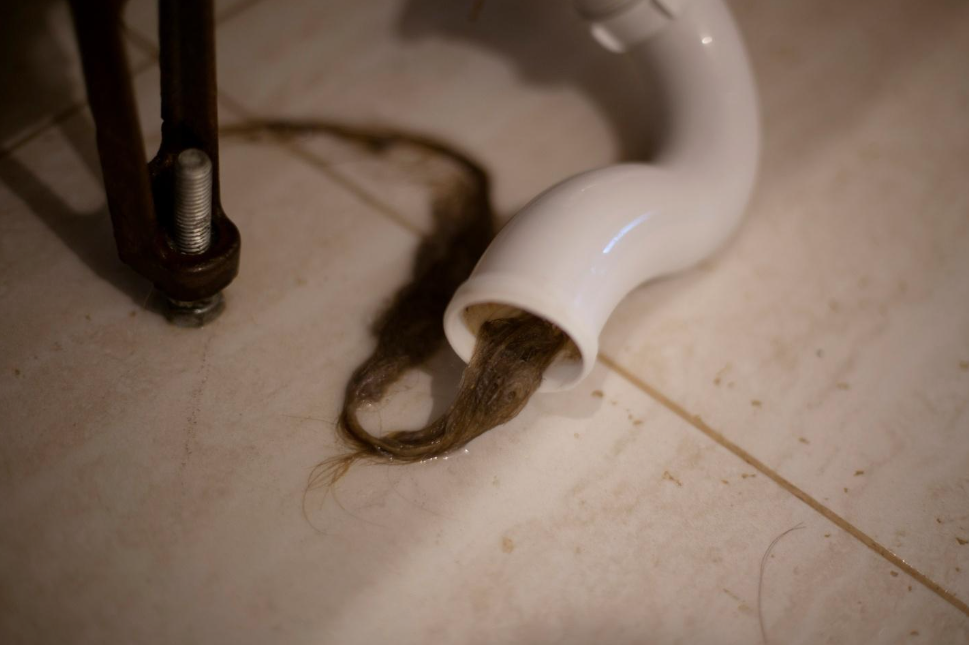
Photo from iStock - Credit: lexashka
Stubborn Clogs Root Causes and Repair Decisions
Stubborn clogs often come from more than hair and soap, they can form where a line changes direction or narrows. Roots, collapsed sections, and mineral scale all reduce flow inside older pipes. A professional inspects cleanouts and may run a camera to see the blockage location and makeup. Diagnosis guides whether to clear the line or plan a repair or section replacement.
- Hair and grease buildup in kitchen drains.
- Toilet misuse causing solid obstructions.
- Tree roots invading sewer joints.
- Mineral scale narrowing older pipes.
Homeowners can try safe first steps like using a plunger or removing the P-trap for sinks to check for visible debris. Avoid chemical drain cleaners because they can damage pipes and complicate camera inspections. If plunging and trap cleaning fail, a plumber will use an auger or hydro-jet and record footage to confirm effectiveness. That footage and a written report help decide if repeated clogs mean a larger line issue.
A technician diagnosing recurring blockages checks fixture pattern, inspects the sewer cleanout, and measures flow during a test flush. They may perform a dye test to see if two fixtures share a clogged branch line. Video inspection can reveal roots, bellied pipe, or scale that needs sectional repair or re-lining. For properties in Florence, SC, repeated backups after heavy use often point to mainline restrictions that require professional solutions.
Deciding between clearing and replacing depends on age of pipe, type of blockage, and past history of clogs and repairs. Short-term clearing may work for a one-off buildup, while frequent backups usually justify re-lining or spot replacement. A plumber will provide cost factors, life expectancy estimates, and a recommended action based on camera findings and cleanout accessibility. In Woodland Park, SC homes, owners should weigh disruption versus long-term reliability when persistent clogs recur.
Low Water Pressure: What Causes It and Solutions
Low water pressure can come from several distinct sources inside the home or from the incoming supply, each needing a different fix. Common internal causes include clogged aerators, partially closed shutoff valves, or failing pressure-reducing valves that limit flow at fixtures. A technician will first check fixture aerators and supply shutoffs because these are simple fixes and quick to confirm. If those are clear, the pro moves to measure pressure at the hose bib with a pressure gauge to see if the problem is system-wide.
A drop in pressure after certain appliances run often points to a shared supply line or a failing pressure-balancing device. To diagnose, a plumber will run multiple fixtures while watching pressure gauge readings and noting which fixtures lose flow. They may also inspect the pressure-reducing valve and supply piping for corrosion, debris, or a stuck regulator that produces variable pressure. For more context on supply-related causes, see our guide to water line problems that affect water pressure. Recording those readings helps determine whether repairs involve valve replacement or line cleaning.
Mineral buildup inside old fixtures or a clogged cartridge in a shower valve can mimic low system pressure by restricting flow at the point of use. A professional typically removes aerators, shower heads, and cartridges to visually inspect for scale and to measure flow before and after cleaning. Similar mineral deposits can also affect water heaters, so knowing the water heater sediment buildup warning signs can help property owners spot related issues. If cleaning restores normal flow, replacement parts or softening measures may reduce recurrence. For property owners, hard water deposits can recur, so documenting fixture condition supports longer-term options like installing a whole-house softener.
When pressure is low throughout the house, the main shutoff, municipal supply issues, or a failing well pump may be at fault and require deeper inspection. A technician will test pressure at the main, check the PRV, inspect visible supply lines, and review recent utility notices or well pump behavior to confirm the source. They may also look at the meter and cleanout for debris from recent work that can restrict flow. After diagnosis, a plumber provides options, from simple aerator cleaning to PRV replacement or system repairs, and explains timing and expected outcomes.
Recurring Sewer Smells: Why It Happens and Actions
Persistent sewer odors often signal a compromised trap or a dry P-trap that no longer seals sewer gases, letting smells into living spaces. Homeowners might notice the odor strongest near floor drains, rarely used sinks, or laundry tubs where water evaporates. A plumber starts diagnosis by running water into each trap and observing whether the smell returns, which identifies dry or leaking traps. If traps hold water but odors persist, the technician checks for hidden breaks or vent blockages that allow gases to bypass the system.
Another common cause is a cracked or shifted wax ring at a toilet base that lets sewer gas escape around the closet flange. Technicians inspect the toilet by rocking it gently and checking for dampness at the flange and flange bolts. They may remove the toilet to confirm flange integrity and to inspect the wax ring and closet flange for corrosion or misalignment. Replacing the wax ring and reinstalling the toilet often resolves odors if the flange and floor decking are sound.
Vent stack restrictions or roof-vent debris can cause sewer gas to pressurize the drain system and push odors into the house through small leaks. A plumber will access the roof vent when safe and clear visible debris, then use a smoke test to confirm whether gases escape where they should. Video inspection of vent risers and the mainline helps reveal partial collapses or root intrusions that alter airflow and cause recurring smells. When deeper obstructions are involved, understanding how plumbers solve tough sewer line blockages can provide useful context about the diagnostic and repair process. Repair options depend on the inspection: vent clearing, sectional pipe repair, or mainline rehabilitation may be recommended.
Sometimes sewer smells come from a failing check valve or a clogged sewer cleanout, allowing sewer air to migrate into basements and crawlspaces. A professional diagnoses this by opening the cleanout, running water through nearby fixtures, and watching for backflow or odor emissions. They may also run a dye test at a fixture and monitor the cleanout area for dye appearance, confirming flow paths. Repeated basement odors after heavy rain warrant a timely cleanout inspection to avoid mold growth and health concerns.
For a homeowner checking before a call, pour water into seldom-used drains and test toilets for wobble and dampness at the base. A technician will follow with moisture readings, a pressure test, and recorded camera footage or smoke test results to confirm the issue. If repairs are needed, the plumber provides a written report outlining causes, repair options, and expected outcomes to help homeowners decide. When sewer gas presents health or persistent odor worries, contact a licensed plumber in Florence to diagnose and correct the problem promptly.
Burst Pipe Indicators: When to Call a Plumber
Sudden wet spots, rapid pressure loss, or an active spray of water are clear signs of a significant pipe failure. If water shoots from a wall or ceiling, shut off the main supply immediately to limit damage. After shutting water off, move belongings out of the wet area and open windows if safe to reduce humidity. Contact a professional quickly because burst pipes can escalate into structural and mold issues without prompt repair.
- Visible pooling under floors or carpets.
- Rapid drop in water pressure during use.
- Cracking sounds in walls or ceilings.
- Ice or frost on exposed supply lines.
Plumbers confirm a burst by first isolating the affected zone at shutoff valves and checking pressure with a gauge. They inspect visible supply lines, fittings, and the water heater connections, and use a moisture meter on framing or drywall for hidden spread. If the source remains hidden, a technician may access a cleanout or remove a section of drywall to visually confirm a rupture. Recorded readings and photos help homeowners decide on repair scope and track drying progress after repair.
Temporary measures include closing the main valve, draining faucets, and catching water in buckets while waiting for help. Avoid using electrical systems in standing water and do not attempt to solder or tape a high-pressure burst yourself. For properties in Florence, SC and Woodland Park, SC, freezing events or aging copper and galvanized lines commonly increase burst risk. Arrange professional repair promptly, a plumber will replace damaged sections, test system pressure, and provide steps to prevent future occurrences.
Preventive Maintenance Tips to Avoid Nightmares
Schedule routine inspections of visible supply lines, shutoff valves, and the water heater to catch wear before it fails. A technician will note valve operation, pipe support condition, and signs of slow seepage during these checks. Homeowners should test each fixture shutoff annually to confirm they operate and do not leak when closed tightly. To learn more about the value of routine checks, see how seasonal plumbing inspections protect home systems yearly.
Keep drain cleanouts accessible and exercise traps and rarely used fixtures by running water weekly to maintain seals and flow. Flushing toilets and pouring water into floor drains prevents trap evaporation and reduces sewer gas entry. Use a hair catcher in showers and a strainer in sinks to limit solids reaching the mainline and creating problems later. If an appliance connects to the drain, check its tailpiece and trap for proper slope and secure fittings.
Maintain adequate pipe support and insulation where pipes run in unconditioned spaces to prevent movement and freezing risks that can cause sudden failures. Secure loose straps and add insulation around exposed supply lines to reduce thermal stress and condensation. For homes in Florence, SC, insulating vulnerable runs can lower burst risk during rare cold snaps. A plumber can advise on proper strap spacing and insulation materials for your system.
Monitor water use and meter readings to spot hidden leaks early by recording the meter when all fixtures are off and rechecking after two hours. Consider adding a pressure gauge near the main shutoff to watch for gradual pressure drops that indicate leaks or failing PRVs. When you notice unusual sounds, persistent dampness, or rising bills, schedule a professional diagnostic with camera inspection or moisture readings. A plumber will produce a written report with findings and recommended preventive repairs or maintenance steps.

 Your Privacy Choices