
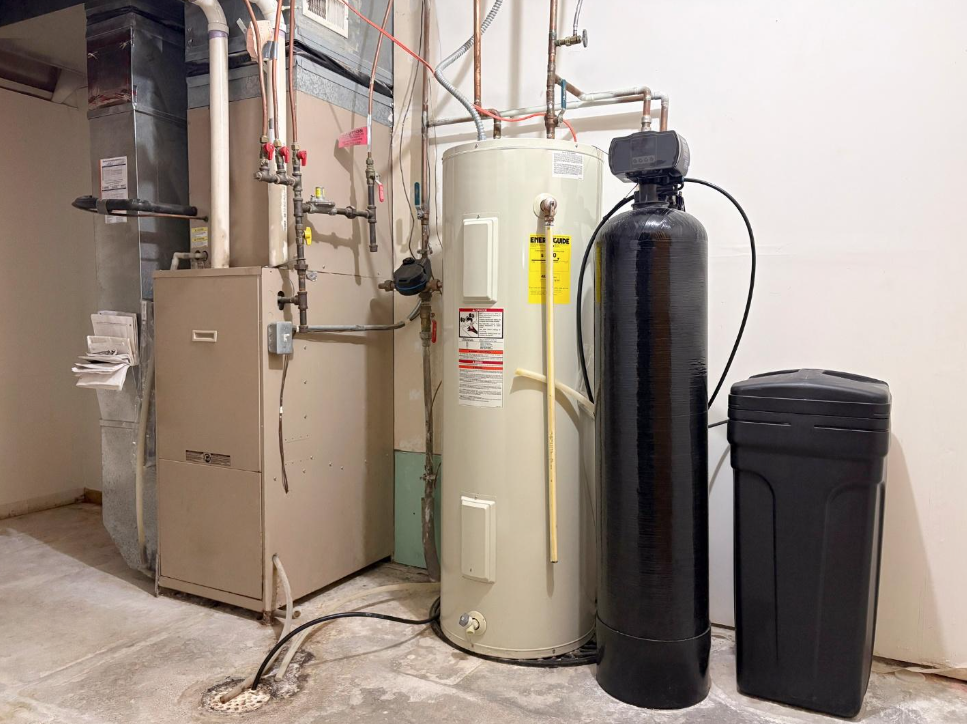
Key Takeaways About Water Softener Repair
Water softener repair covers diagnosing and fixing common failures that let hard water reach your taps. This guide is for homeowners and property managers who notice scale spotting or regeneration problems and need clear next steps.
- Identify visible salt bridging and check brine tank condition.
- Prevent resin fouling by monitoring iron and organic contamination.
- Avoid repeated salt waste by confirming proper brine draw.
- Spot valve or motor issues by listening during regeneration cycles.
- Reduce appliance damage by addressing scale before it spreads.
- Plan professional diagnostics with hardness tests and valve inspection.
Introduction
Hard water leaves mineral scale on faucets, films on dishes, and dry-looking skin after showering. When a softener stops working those signs return and worsen over time. Homeowners in Florence, SC often notice cloudy glassware and clogged showerheads first. Recognizing these changes matters because they point to repairable system problems rather than normal wear.
Common causes include a tired resin bed, a failing control valve, or issues with the salt system. Each problem affects how the unit removes calcium and magnesium from water. Left unaddressed, scale buildup shortens appliance life and raises maintenance needs. Identifying the real fault helps avoid repeated salt or water waste from ineffective cycles.
Symptoms can be subtle at first such as spotty dishes or a softener that regenerates more often. Other signs show during inspection like visible salt bridging or resin that feels hard instead of granular. A professional looks for these cues along with valve operation and brine draw performance. These checks confirm if the softener needs repair, parts replacement, or just a simple reset.
For properties near Quinby, SC small failures can become costly if ignored over months. Timely action restores water quality and prevents scale damage to water heaters and fixtures. A repair plan focuses on restoring softening performance while avoiding unnecessary parts swaps. When you see persistent spotting or scale, a diagnosis is the next sensible step.
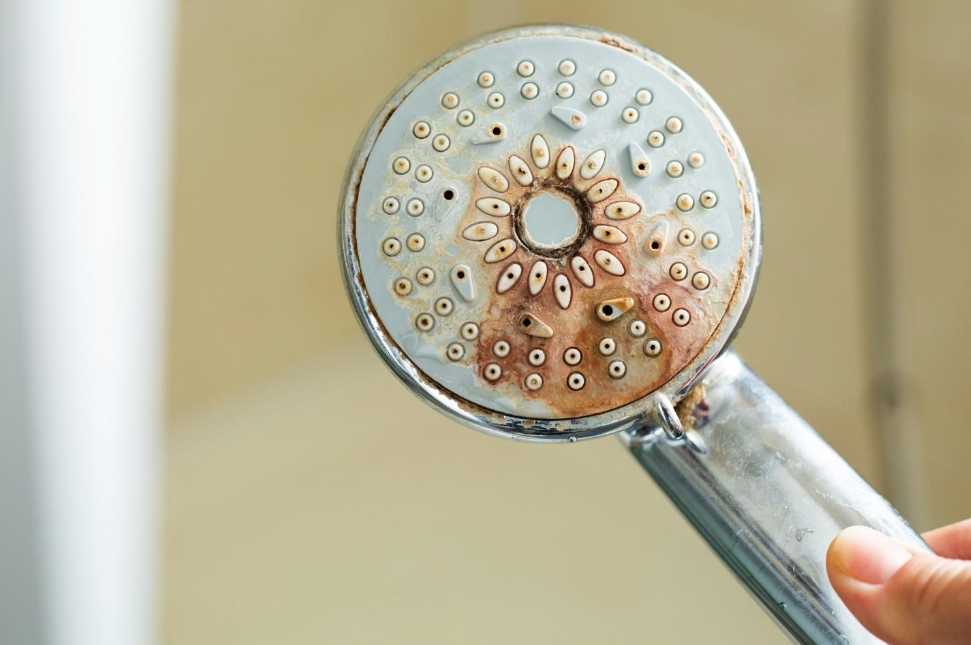
Photo from iStock - Credit: Martyna87
How Hard Water Causes Scale and Spots
Hard water forms when dissolved minerals like calcium and magnesium remain in household water instead of being removed by a softener.
- Minerals precipitate on hot surfaces.
- Thin films appear on glassware.
- Soap does not lather well.
- Showerheads clog with white deposits.
Scale builds when mineral-rich water heats or evaporates on pipes, fixtures, and appliance surfaces over time. Understanding how hard water affects pipes and fixtures can help homeowners recognize early signs of mineral buildup and address problems before they worsen.
Spotty dishes occur because minerals leave a fine residue as water evaporates, and cloudy glassware signals high mineral content.
Homeowners often ask whether scale will damage water heaters, yes, mineral buildup reduces efficiency and shortens appliance life.
Diagnosing Resin Bed Failure and How It Fails
A failing resin bed often shows through performance drops rather than visible damage. Homeowners may notice shorter soft periods and a return of scale on kettles and faucets. A technician checks the resin by sampling water hardness before and after the softener to measure removal efficiency. They also inspect the resin tank for clumping, channeling, or resin that feels brittle instead of loose and bead-like.
Resin failure can come from chemical fouling, physical damage, or exhausted beads from age. Professionals look for iron staining, chlorine damage, or high manganese levels that coat resin and block ion exchange sites. Simple checks include a hardness test kit, a brine draw observation during regeneration, and a visual inspection of the resin condition inside the tank. These steps separate resin issues from valve or brine system faults before recommending repair or replacement.
When resin beads are worn or fouled, replacement often restores softening performance more reliably than repeated cleanings. A tech will report hardness readings, brine tank salt condition, and any physical resin evidence to support the recommendation. In some cases a resin-cleaning chemical can recover performance when iron or organics coat the beads.
Confirming resin bed failure requires documenting results and ruling out valve problems that mimic resin loss. Diagnostic steps include hardness measurements, watching a regeneration cycle, and checking brine draw with the control valve in service mode. If tests show low exchange capacity and the valve performs correctly, replacing the resin bed becomes the logical repair.
Identifying Valve Malfunctions and When to Act
Start by watching the control valve during a regeneration cycle to check timing and movement of the cycle sequence. A stuck or slow-timed valve often causes incomplete brine draw and poor rinse, which shows as persistent hardness. Professionals use a pressure gauge on the inlet and an observation of the rotor or piston movement to confirm valve wear. If the valve leaks between ports, measurable flow during a backwash or brine step indicates internal seal or rotor failure.
Listen for unusual sounds during regeneration such as grinding, prolonged motor run, or absent clicks that normally indicate gear or motor issues. A failed drive motor or worn cam can prevent correct valve indexing and stop the softener from advancing steps. Technicians check electrical connections, measure voltage at the control, and manually advance the valve to test mechanical response. Many faults reveal themselves as inconsistent timing or skipped steps when these checks are run.
Inspect external valve components like the bypass, brine line, and injector for clogs, misalignment, or salt intrusion that mimic valve failure signs. A clogged brine injector reduces suction and leaves the resin insufficiently cleaned, producing the same symptoms as a faulty valve. Simple diagnostics include removing and cleaning the injector and checking the brine line for kinks while the valve runs a manual draw. If cleaning restores proper brine flow, replacement of internal valve parts may not be necessary.
When diagnostics point to valve failure, weigh repair versus replacement based on the unit age, part availability, and documented hardness results after repair attempts. For older units with multiple worn valves or electronics, full control valve replacement might be more reliable than piecemeal repairs.
Detecting Salt Bridging and What to Do Next
Salt bridging forms when compacted salt creates a hard crust above the water in the brine tank and prevents proper salt-to-water contact. You might hear hollow sounds when tapping the tank top, see a gap between the salt and water, or notice the softener fails to draw brine. A simple visual check lets you see a bridge without opening internal valve components, reducing unnecessary disassembly. If the brine tank shows a solid layer, the unit will not regenerate effectively until the bridge is addressed.
- Tap the tank top to listen for hollow sounds.
- Use a broom handle to gently probe for a gap.
- Visually inspect salt level relative to water surface.
- Check for clumped or rock-like salt formations.
To clear a bridge, carefully break the crust with a nonsharp tool and remove loose chunks by hand or with a scoop. After clearing, check salt quality and replace wet, caked salt with fresh pellets that resist clumping. Run a manual regeneration and observe brine draw to confirm the softener resumes normal brine flow and resin cleaning. If brine still does not enter the resin tank, the problem may involve the injector or brine line rather than salt alone.
A professional diagnosing persistent bridging inspects the injector, brine line, and control valve sequencing while logging a regeneration cycle. They may use a pressure gauge, record brine draw times, and test water hardness before and after regeneration to confirm recovery. For homeowners, a recorded before-and-after hardness reading helps decide if further repairs or resin treatment are needed. When the issue repeats despite correct salt and clear brine flow, consider a full service to check injector wear and valve performance.
In a common situation, a homeowner finds clumped salt after a long humid season and the softener still fails to soften water despite a manual clear. A technician would first verify brine suction during a service regeneration and then inspect the injector and brine valve for clogging. If the injector is clogged or the piston fails to index, those parts require cleaning or replacement as part of water softener repair. Repeated salt problems may signal the need for different salt type or a maintenance schedule change to prevent recurrence.
Simple DIY Checks for Water Softener Repair
Start with simple visual checks that do not require tools: inspect the brine tank for soft wet salt and any floating crusts above the water. Gently press the salt surface with a broom handle to feel for hidden hollows that indicate poor contact. Check the brine line connection and its fittings for visible cracks or dislodged tubing that can stop suction. If you see standing water inside the tank above expected levels, note it for the professional diagnosis.
Next, confirm the control is set to the correct time and regeneration schedule and that the unit shows no error lights or unusual display codes. Manually advance the control to initiate a regeneration and listen for normal valve indexing sounds such as clicks or brief motor runs. Watch for steady brine flow into the resin tank during the draw step, no flow suggests injector, line, or valve issues. Record observations about timing or absent noises to share with a technician later.
Perform a basic hardness check using a home test strip before and after a manual regeneration to see if any change occurs, which helps narrow the fault to resin or valve. If the after-regeneration reading stays the same, suspect resin decline or blocked brine suction rather than only salt problems. A professional would use measured hardness results and observe brine draw to confirm the diagnosis with pressure or flow checks. Keep these test strips and notes for any service visit to speed troubleshooting.
Inspect the drain line to ensure it is not kinked, frozen, or routed too high above the drain outlet, which can prevent proper backwash and rinse steps. Smell the drain area for rotten odors that signal organic fouling of the resin and require cleaning or resin replacement. Check electrical connections at the control for corrosion or loose wires that may interrupt regeneration cycles. For homeowners in Florence, SC make clear notes of timing, sounds, and hardness readings to discuss during scheduling of water softener repair in Quinby, SC.
When to Call a Professional Water Softener Repair
Call a professional when basic checks fail to restore softening or when you detect recurring problems during regeneration cycles. A technician will perform measured hardness tests and inspect the control valve with pressure and flow checks. They can also test brine draw using service-mode observation and a pressure gauge if needed. This level of diagnosis confirms whether repair, part replacement, or resin change is necessary.
Schedule service if you notice steady hardness after several regenerations despite correct salt and visible brine flow. The pro will check injector wear, brine line integrity, and valve seals using visual inspection and simple diagnostic tools. They will log regeneration steps and record before-and-after hardness to support a clear repair recommendation.
Contact a plumbing technician in Florence immediately when you smell rotten odors near the softener or see iron staining that cleaning cannot remove. These clues point to organic or iron fouling that may need resin cleaning or replacement and possibly pretreatment. A professional will inspect the resin tank physically and may perform a resin capacity test to confirm loss. For properties in Quinby, SC prompt diagnosis prevents further appliance damage from untreated hard water.
Also call for electrical or motor issues such as erratic indexing, absent clicks during cycles, or visible corrosion at the control board. Technicians will test voltage, continuity, and manually advance the valve to isolate electrical from mechanical faults. They can replace worn drive motors, cams, or control heads when necessary and verify function with a full service regeneration. Ask for a written diagnostic report and cost estimate before authorizing repairs.
If you prefer a professional evaluation to avoid trial-and-error repairs, arrange a service visit that includes hardness testing, brine system inspection, and valve diagnostics. You can also ask about comprehensive plumbing system checks for entire homes to identify other water-related concerns beyond the softener. This approach can reduce wasted salt and water from ineffective cycles and provide a clearer repair path. A documented service helps determine whether part repair, control replacement, or full resin change is necessary. Keep the technician's findings for future maintenance and warranty discussions.
Common Repair Options and Cost Considerations
Common repairs start with replacing worn parts like seals, pistons, injectors, or the control head to restore brine flow. Technicians may also replace the resin if capacity tests show poor ion exchange and cleaning cannot recover it. In many cases, replacing the control valve improves cycle reliability and prevents repeated failures from wasted salt and water. Homeowners should get documented hardness readings and a parts list before authorizing work.
- Replace injector or nozzle assembly when clogged or eroded.
- Swap worn seals and pistons to stop internal bypass.
- Install a new control head for electronic or timing faults.
- Replace resin if measured capacity remains low after cleaning.
Repair cost depends on the failing component, unit age, and required labor hours for access and testing. Parts like injectors and seals cost less and often fix the issue in a single visit. Resin replacement and major control head swaps raise costs because they require longer service time and disposal of old media. Ask the technician for a written estimate showing parts, labor, and expected performance improvement.
When evaluating repair versus replacement, factor in expected remaining life and the cost to restore full softening capacity. A full resin change restores capacity but is more expensive than small part repairs and may be justified for mid-life systems. For older units with multiple failing systems, a full equipment replacement might be more cost-effective over time. Homeowners in Florence, SC should consider these trade-offs when scheduling water softener repair.
Some repairs carry medium safety risk due to electrical work or heavy lifting required to remove tanks and lids. Require the technician to document voltage checks, pressure readings, and before-and-after hardness test results. For recurring problems in Quinby, SC a service agreement with scheduled inspections can reduce long-term cost and prevent emergency failures. Always request a clear scope, timeline, and warranty for parts and labor before approving work.
Preventive Maintenance to Sustain Softening Performance
Set a regular inspection schedule to catch small problems before they reduce softening performance. Check mechanical parts, salt quality, and drain routing at least twice a year. Keep a short service log noting regeneration dates, salt additions, and any unusual sounds. This record helps a technician see patterns during a diagnostic visit.
Clean the brine tank interior when salt becomes sludgy or odors develop to prevent organic fouling. Remove wet salt and rinse the tank, then refill with recommended pellets to reduce clumping. Inspect the brine line and fittings for hairline cracks that can allow air into the suction line. Replace aged tubing proactively to avoid intermittent brine draw failures.
Schedule a professional valve and resin check every one to three years depending on water use and hardness levels. A technician can measure resin capacity, test injector flow, and verify valve indexing under load. Request documented hardness readings and any pressure gauge outputs as proof of restored performance. Homeowners in Florence, SC benefit from these records when tracking long-term system health.
Use a maintenance plan that includes at least one annual full regeneration and a technician inspection to reduce emergency repairs. During service, ask the technician to test electrical connections and manually exercise the valve to find early motor or cam wear. Keep replacement parts like seals and injector kits available for quicker repairs when recommended. For properties in Quinby, SC recurring salt or iron issues may require altered maintenance intervals.
Train household members on basic checks such as listening for unusual regeneration sounds and observing salt condition after heavy use. Share the service log and any test-strip results with the technician at each visit to speed troubleshooting. Prioritize safety by leaving electrical or tank-lifting tasks to a professional to reduce injury risk. A steady maintenance routine reduces the chance of unexpected failures and extends softener life.

 Your Privacy Choices