Key Takeaways About Toilet Flange Repair
Toilet flange repair means fixing or replacing the ring that secures the toilet to the drain to stop wobbles and leaks. This guide is for homeowners and property managers who notice movement, odors, or water and need next steps.
- Identify visible cracks loose bolts and soft flooring around the base
- Prevent future leaks by setting flange height flush with finished floor
- Avoid overtightening bolts which can crack porcelain or damage flange
- Spot uneven wax ring compression that causes seepage and sewer odors
- Reduce repeat failures by repairing subfloor and using proper fasteners
- Plan professional inspection when rot corrosion or persistent leaks appear
Introduction
A rocking toilet usually signals a problem at the flange where the bowl meets the drain pipe. That wobble often leads to leaks, floor damage, and unpleasant odors if left alone. Homeowners notice loosened bolts, water stains, or a shifting base when the flange fails. In Florence, SC a small movement can hide a bigger plumbing issue under the floor.
Flange damage comes from several common causes that change how the toilet seals to the drain. Pipe misalignment, a dropped flange height, and cracked material all affect the wax ring seal. When the flange sits too low or tilts, the seal compresses unevenly and allows water to escape. These leaks usually show up as damp spots, soft flooring, or a smell near the toilet.
Professionals inspect flange height, bolt alignment, and visible cracks to decide whether to repair or replace. They lift the bowl, check the closet flange, and test for movement before recommending the next step. Diagnostics may include checking the shutoff valve, supply line, and surrounding floor condition. Clear evidence of rot or a broken flange often pushes the decision toward full replacement.
Fixing the flange prevents recurring leaks and protects subfloor and framing from water damage. In Bennettsville, SC homes with older plumbing, flange issues can return if nearby supports or seals are not addressed. A proper repair restores a solid connection and a watertight seal between the toilet and drain. Acting early reduces the chance of costly repairs and hidden mold problems later on.
What Causes Toilet Flange Repair Needs
Toilet flange repair needs arise when the ring that secures the toilet to the drain becomes damaged or misaligned. Loose closet bolts or a visibly shifting base tell homeowners there may be a problem. Another common sign is a persistent musty smell near the toilet that returns after cleaning. Homeowners often ask if a wobble always means a flange problem, and the short answer is no, but it is a likely cause.
- Age-related wear breaks the flange material.
- Improper installation leaves the flange too low.
- Floor movement or settling shifts the flange alignment.
- Corrosion attacks metal flanges near the drain.
Material matters: older cast-iron or brittle PVC flanges crack under stress and fail sooner than expected. A cracked flange often lets water seep under the wax ring and rot the subfloor. If you see water stains or soft flooring, that indicates the seal failed and the flange likely needs attention. Professionals check the flange surface and bolt holes for visible breaks during inspection.
Height issues occur when a flange sits below finished floor level and the wax ring compresses unevenly. That uneven compression lets water leak around the base during flushes and when people sit. Technicians measure flange height relative to the finished floor and test for movement by rocking the bowl after lifting it. In Florence, SC and Bennettsville, SC homes, repeated small leaks can lead to larger rot problems if ignored.
How Flange Height Affects Toilet Stability
Flange height determines how the toilet sits on the floor and how the wax ring compresses between the bowl and drain. When the flange sits too low, the wax ring must compress more, which shortens its effective life and raises leak risk. A flange too high prevents the bowl from making full contact, causing gaps that let water and sewer gases escape. Measuring flange height relative to the finished floor gives a clear benchmark for repair decisions.
Technicians use a straightedge and feeler checks to confirm how the bowl rests on the flange and floor. They also lift the toilet to inspect the wax ring compression and to see if the flange face is level. If the flange is below the finished floor, installers may add a flange extender or pile of shims to raise it. When a flange sits proud of the floor, cutting and adjusting the flange or replacing it can prevent stress on the bowl.
Material and flange design affect how much height variation the seal tolerates so professionals check toilet flanges types during inspection. Cast-iron, PVC, and ABS each behave differently when raised or lowered, and bolt hole alignment matters for stability. In Florence, SC installers often verify the closet bolts and the flange height together because misalignment can transfer stress to the flange. Correct bolt placement reduces rocking and helps the flange keep a stable seal.
For older homes in Bennettsville, SC a history of floor repairs or added flooring layers can leave the flange at the wrong level for the toilet. A professional will document flange height, bolt position, and subfloor condition before recommending either a flange repair or a full replacement. Homeowners should expect a clear explanation of options and visible measurements so they can weigh risks and benefits. Choosing the right fix reduces the chance of repeat leaks and protects the surrounding floor.
Identifying Cracks and Damage in Flange
Start by looking for hairline cracks or missing chunks around the flange rim where the closet bolts sit. Visible breaks can allow wax ring extrusion and direct water onto the subfloor during each flush. A dye test or dry tissue after a controlled flush helps confirm active leakage through those cracks. If you smell sewer gas near the base, that indicates a compromised seal or damaged flange that needs attention.
Inspect the bolt holes for elongation or cracking that prevents the bolts from securing the toilet evenly. Loose bolts let the bowl tilt and concentrate stress on one side of the flange, worsening cracks over time. A professional will note bolt condition as part of the diagnostic process and may replace corroded bolts or use longer anchors when needed. Proper bolt alignment reduces lateral movement that opens existing fractures.
Check the flange seating surface for uneven wear, gouges, or corrosion that stop the wax ring from sealing fully. Pitted or warped flange faces produce small gaps that leak slowly and promote rot under the floor. Technicians often use a straightedge and a flashlight to spot low spots or surface defects during inspection. For stubborn surface damage, they evaluate whether a flange repair plate or a full replacement will restore a flat sealing surface.
Assess nearby subfloor and flooring for soft spots, staining, or rot that indicate a long-term leak from a damaged flange. Soft flooring may hide larger flange fractures beneath the toilet and signal the need for more than a simple seal replacement. In Florence, SC properties, early detection of subfloor decay can help prevent costly framing repairs later. Homeowners interested in additional leak protection can explore the guide types of smart leak detection systems explained to understand how different devices monitor water leaks throughout the home. However, these systems may not detect concealed leaks around a toilet flange, making physical inspections necessary.
For older installations, check flange material compatibility with the drain pipe and adjacent fittings to find stress points that cause cracking. In Bennettsville, SC homes, brittle or mismatched materials sometimes fail where the flange meets the pipe, showing jagged breaks or separation. A pro confirms the flange-to-pipe connection and may perform a gentle pull test on the flange to detect hidden fractures. While these inspections help identify structural damage, learning how AI detects hidden water leaks early can provide additional insight into modern leak detection methods. These diagnostic approaches help homeowners understand when a repair may be sufficient or when replacement is the safer option.
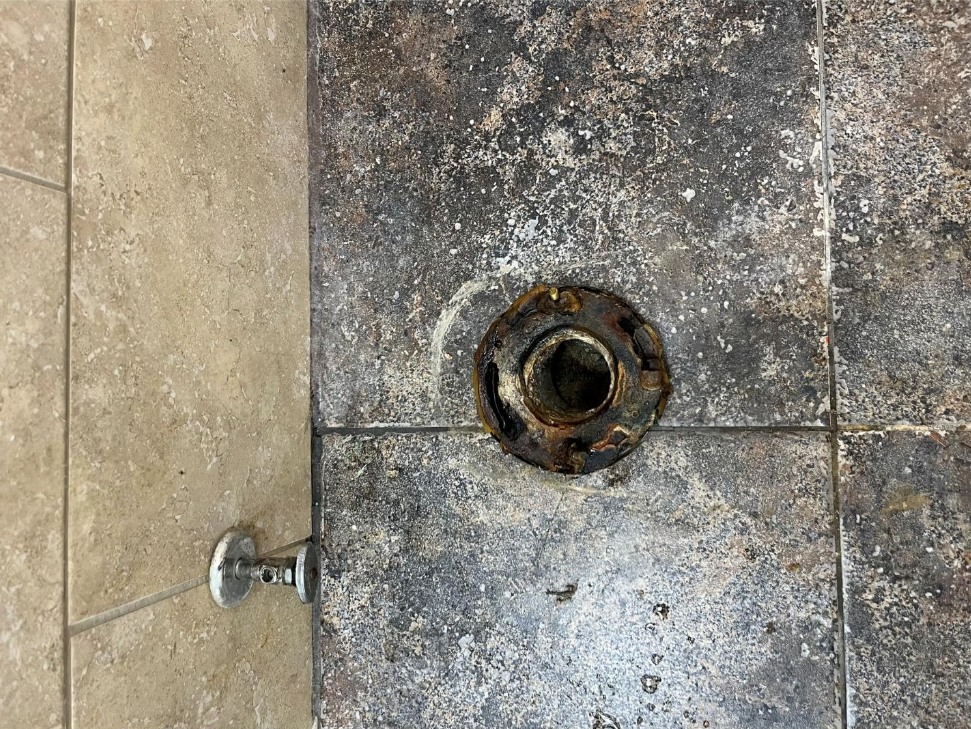
Photo from iStock - Credit: Jaclyn Vernace
When a Homeowner Should Call a Professional
If you notice sudden wobbling combined with new water on the floor, call a plumber to avoid hidden structural damage. A professional will shut off water and remove the bowl to access the flange safely. They use a flashlight and probing tools to check for subfloor rot and flange separation. Early professional action prevents a small leak from becoming a larger repair problem.
- Visible flange cracks that widen under pressure need expert evaluation.
- Soft or spongy flooring around the toilet requires a pro inspection.
- Repeated leaks despite new wax rings signal deeper flange issues.
- Corroded or seized closet bolts often need professional removal.
Call a pro when flange height is unclear after probing and measuring at the drain opening. Technicians compare flange height to the finished floor and test bolt alignment under load. They also check the supply line, shutoff valve, and toilet stability during diagnosis. This gives a clear basis for recommending repair versus replacement.
For property owners in Florence, SC, persistent odors or soft tiles under the toilet make prompt service sensible. Older plumbing connections in Bennettsville, SC homes may also hide failing flange joints that require professional attention. If you notice signs of sewer gas or ongoing leaks, schedule an inspection as soon as possible. Homeowners can also learn about priority scheduling for faster emergency plumbing service to better prepare for urgent repair needs. A technician can assess the damage, explain the repair options, and provide a written recommendation for toilet flange repair.
Step by Step Flange Repair Versus Replacement
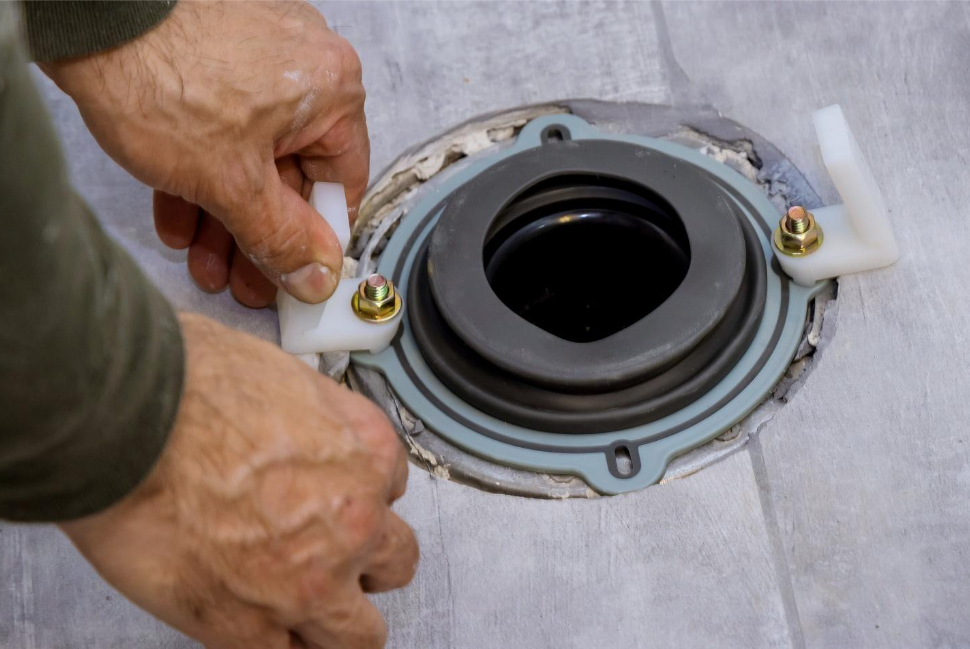
Start by removing the toilet and cleaning the flange area to reveal the full extent of damage and any hidden fasteners. A technician then measures flange height relative to the finished floor using a straightedge and depth gauges to decide on repair options. If the flange is only slightly below the floor and the ring is intact, installers often fit a flange extender and replace the wax ring for a reliable seal. This approach preserves the existing pipe connection and avoids cutting into the drain line when possible.
When cracks or broken bolt slots appear around the flange, pros assess whether a repair plate will restore secure bolt anchoring and a flat sealing surface. They dry-fit the plate, confirm bolt alignment, and torque new closet bolts to specification to prevent future movement. If the flange material is corroded or the break follows into the pipe connection, a full replacement becomes the safer, longer-lasting option. Replacing the flange can require removing a section of pipe or using a hub adapter to match the new fitting.
During a replacement, technicians inspect the subfloor and framing under the flange and remove any rotted sections before setting the new flange to the proper height. They secure the flange to a solid substrate with screws or anchors and test fit the bowl to confirm level and bolt placement. After reinstalling the toilet, they check for leaks with a controlled flush and look for any seepage at the base or supply connections. Homeowners in Florence, SC should expect clear documentation of measurements and steps taken so they understand the scope of work.
Repair versus replacement decisions also weigh long-term risk and cost factors such as material compatibility and floor condition, a short-term patch may not solve pervasive rot. For older installations common in Bennettsville, SC, professionals sometimes recommend replacement when multiple failure points exist to avoid repeat service calls. If you want a technician to evaluate options and schedule work, consider contacting a licensed plumber for a written estimate and timeline. For guidance on related services like subfloor repair or toilet reset, see the nearby service information for additional support.
Temporary Fixes to Stop Wobbles and Leaks
For a quick hold, toe bolts tightened gently can reduce movement long enough to arrange a permanent fix without stressing the flange. Use new non-corroded closet bolts and nylon washers to keep pressure even and avoid uneven torque that cracks brittle material. Place a temporary wax-free seal or rubber gasket to stop visible drips during short-term use while monitoring for seepage at the base. If you detect persistent moisture or a sewer smell, stop using the toilet and contact a professional for safety and proper repair.
Shimming under the toilet base provides a temporary stabilization method when the flange height is slightly low but the flange itself appears intact. Cut thin plastic or composite shims to fit under the bowl flange edges so the toilet sits level and the seal compresses evenly. Do not overtighten bolts after shimming, overtightening can crack porcelain or stress the flange, making the problem worse. Homeowners in Florence, SC should consider this only for short-term use while arranging a full flange repair.
A repair plate or flange brace offers a short-term solution when bolt slots have opened but the flange ring remains mostly attached to the pipe. Fit the plate so it bridges the fractured area and accept new bolts, then test for movement by gently shifting the bowl side to side. Remember this is a stopgap, a brace cannot fix underlying rot or major cracks that reach the pipe connection. For larger failures common in older installations around Bennettsville, SC, plan on a professional replacement to eliminate recurring leaks.
For active minor leaks, place absorbent towels or a shallow tray under the toilet base as a temporary measure to protect flooring until a technician arrives. Perform a controlled flush test to confirm whether the leak occurs only during flushing or is constant, and record your findings for the service call. Turn off the shutoff valve if flooding risk increases, and avoid attempting invasive repairs without experience to prevent injury or further damage. These steps help limit harm while you schedule professional toilet flange repair and subfloor assessment.
Preventing Future Problems with Proper Installation
Install the flange so its top sits flush with the finished floor to prevent future movement and maintain a solid wax ring compression. Use stainless steel or brass closet bolts and anchors that resist corrosion and hold torque without loosening over time. When setting the flange, align bolt slots precisely with the toilet base to avoid lateral stress during use. A careful dry fit of the bowl before final torque helps confirm correct placement and prevents repeat adjustments.
- Secure the flange to solid substrate with corrosion-resistant screws.
- Match flange material to the drain pipe for compatible connections.
- Raise low flanges with proper extenders sized for the floor thickness.
- Use a new wax ring or wax-free gasket sized to the flange height.
Support under the flange matters: fasten the flange to a repaired, level subfloor rather than to soft or patched material alone. Installers should check that nearby framing is sound and add blocking where needed to spread load and prevent cracking. Properly shim the toilet base only when the flange and subfloor are secure to avoid shifting over time. Documenting fastener types and torque values helps future service and avoids guesswork.
After installation, test for leaks and movement with several controlled flushes while observing both the base and supply line connections. If any seepage or rocking appears, recheck bolt torque and flange anchors immediately rather than leaving a minor issue. Homeowners should keep a record of the installation date and materials used for future maintenance. For help scheduling a professional toilet flange repair assessment, contact a licensed plumber in Florence, SC who can verify installation integrity.
Maintaining Flange Health and Routine Checks
Set a simple calendar reminder to check the toilet base and closet bolts every six months to catch early movement. Inspect for new staining, soft flooring, or a faint sewer odor around the base that suggests seal breakdown. Gently rock the bowl after shutting off and draining the tank to feel for subtle play at the flange connection. Record any findings and take a clear photo to share with a technician during a scheduled visit.
Test the shutoff valve and supply line during routine checks to spot leaks that can mask as flange problems beneath the toilet. Run two controlled flushes while watching the base and floor for any water escape or dampening of nearby flooring materials. If you use a wax-free gasket, verify it remains seated evenly and shows no signs of extrusion. Keep a small toolkit handy with replacement closet bolts and nylon washers for quick minor tightening if needed.
Look for soft spots or discoloration in the flooring around the flange to catch potential moisture damage early. If you notice localized softness, schedule a professional inspection so a plumber can lift the bowl and assess the flange and framing directly. Understanding how preventative plumbing maintenance plans save homeowners money can encourage regular inspections that help catch minor issues before they require costly repairs.
After any repair, periodically verify bolt torque and flange anchors to prevent loosening from daily use and vibrations. Set a reminder to perform a visual check six weeks after work is completed and then every six months thereafter to ensure stability. For older installations in Bennettsville, SC consider having a professional re-inspect the flange every few years to spot age-related deterioration. Keeping consistent maintenance minimizes the need for emergency toilet flange repair and protects the subfloor over time.

 Your Privacy Choices