
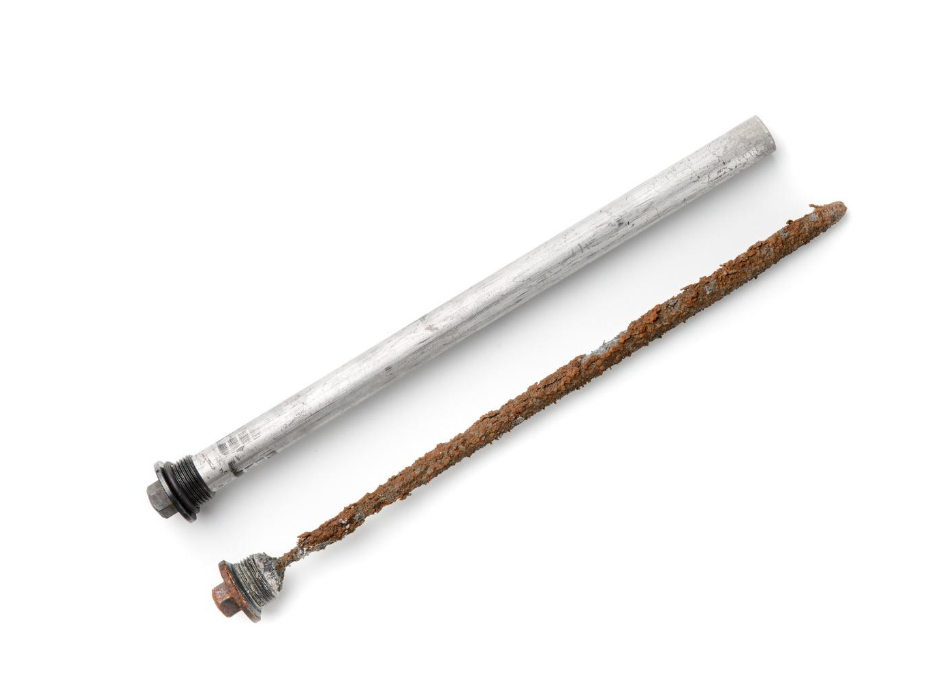
Key Takeaways About Anode Rod Replacement
An anode rod protects a water heater tank by corroding instead of the tank steel. This summary is for homeowners and property managers who need quick guidance on when action matters.
- Identify rusty or metallic tasting hot water as a warning sign.
- Prevent internal tank pitting by scheduling regular inspections.
- Avoid emergency leaks by replacing a heavily consumed rod promptly.
- Spot increased sediment or rumbling during heating cycles quickly.
- Reduce corrosion risk by checking for stray electrical currents.
- Plan replacements during routine maintenance to minimize downtime.
Introduction
An anode rod protects your water heater tank from corrosion by sacrificing itself to rust first. Over time the rod corrodes and the tank metal can start to fail faster. Homeowners often miss early signs because they focus on leaks or heating problems instead. In Florence, SC and surrounding areas, ignoring a failing anode rod can shorten the heater’s usable life significantly.
Corroded anode rods change water quality and can cause foul odors or rust-colored water that stains fixtures. You might notice sediment buildup and more frequent flushing needs as the rod wears away. Those symptoms point to internal corrosion that can lead to leaks if left unchecked. Replacing the anode rod can slow corrosion and improve water clarity and taste.
Timing a replacement depends on tank design, water chemistry, and how the system is used each day. Some rods last a few years while others can last a decade under milder conditions. A pro inspects the rod, measures corrosion, and checks associated components like the drain valve and pressure relief valve. Early action preserves the tank and reduces the chance of emergency replacements later.
Knowing how to spot corrosion and when to call a technician matters for long term savings and safety. Visible rust, metallic tastes, and recurring sediment are clear cues to have a professional inspect the water heater. For properties in Latta, SC and similar communities, small maintenance steps now avoid bigger problems later. A timely anode rod replacement often keeps the tank working well for many more years.
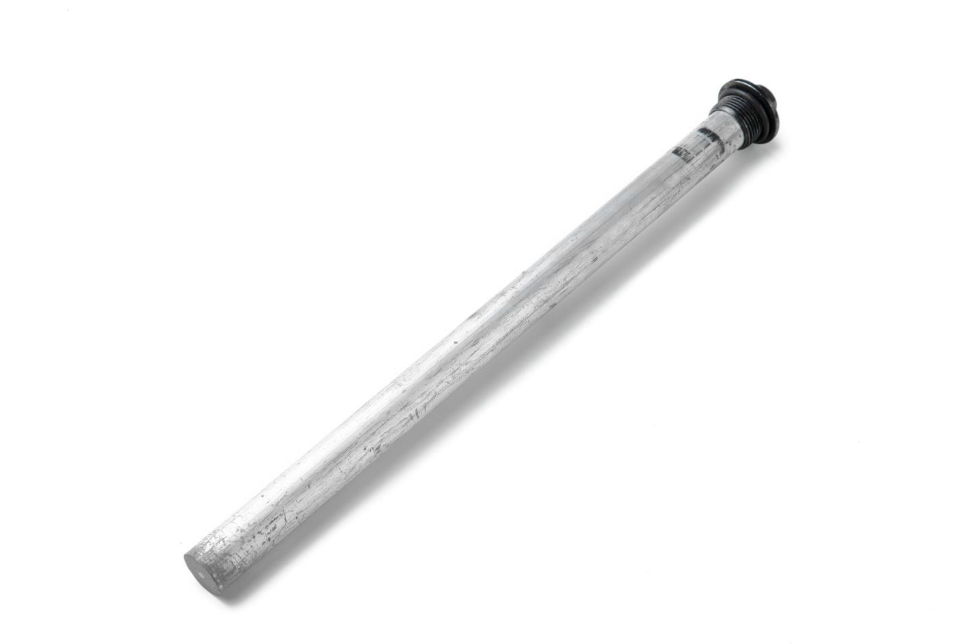
Photo from iStock - Credit: Aleksandr Uglov
What an Anode Rod Does and How It Works
An anode rod is a sacrificial metal rod that prevents tank steel from corroding. It attracts corrosive ions and corrodes instead of the tank lining. Homeowners often ask how it actually protects the tank, it does so through a process called galvanic corrosion. A clear homeowner question is whether the rod touches water directly, and yes, it must contact the water to work properly.
- It sacrifices metal to reduce tank corrosion.
- It reduces rust that would form on the tank wall.
- It helps limit metallic tastes and odors.
- It slows sediment buildup from corrosion products.
The rod works by creating an electrochemical reaction between dissimilar metals in water. Anode metals like magnesium or aluminum are more reactive than steel, so they corrode first. That reaction diverts corrosive activity away from the tank steel and pipe fittings. Professionals check the rod to see how much metal remains before deciding on replacement.
Its location matters: most rods sit under the tank’s top access or through a threaded port on the tank. When you remove the access plug, you can see the rod condition and the type of metal used. A damaged or missing rod leaves the tank vulnerable to pitting and leaks over time. In Florence, SC homeowners sometimes find rods heavily consumed when water chemistry increases corrosion rates.
Inspecting the rod gives practical clues about water quality and maintenance needs. Visible flaking, heavy depletion, or a soft core means the rod no longer protects the tank effectively. A professional will compare the rod condition to service intervals and may test water or measure rod length to confirm replacement. For properties in Latta, SC this inspection can prevent unexpected tank failure and water staining.
How Anode Rod Corrosion Happens and Why It Matters
Corrosion on an anode rod starts with the water chemistry inside the tank attacking the rod metal faster than the tank steel. Minerals, dissolved oxygen, and stray electrical currents in the plumbing increase the electrochemical reaction that consumes the rod. Galvanic action concentrates at weak points and crevices, so pits and flaking often appear first near joints or bends. Over time the rod’s protective capacity drops as its mass and length shrink, exposing more tank metal to corrosion.
Different anode materials corrode in distinct ways that affect inspection findings and replacement decisions. Magnesium rods often show heavy, irregular pitting and a soft core, while aluminum rods can form a white, powdery corrosion product. Some rods use a zinc component to help control odors and bacterial tastes in water, changing the corrosion pattern you would see. Identifying the rod type during inspection helps a professional recommend the best replacement material for local water conditions.
Electrical corrosion can accelerate rod loss even when water chemistry seems normal, and plumbers check for stray current using a simple voltage or continuity test. They may also inspect the tank interior and measure remaining rod length to estimate remaining service life. Visible signs like increased sediment, metallic tastes, or smell of rotten eggs often prompt these diagnostic checks.
When a rod is mostly consumed it can detach or break, creating loose debris that adds to sediment at the tank bottom and stresses the drain valve. A professional confirms the problem by removing the access plug, extracting the rod, and comparing its condition to expected service life.
Signs of A Failing Anode Rod and When to Act
You may first notice rusty or discolored water that appears intermittently during hot water use. Watch for a sudden increase in cloudy or brown water after using hot taps, this often signals internal rod failure. A metallic taste or faint sulfur smell that comes specifically from hot water also suggests the rod no longer protects the tank. When these water quality changes appear, schedule an inspection rather than waiting for a leak.
Listen for unusual tank noises like popping or rumbling during heating cycles that grow worse over time. These sounds often indicate sediment accumulation at the bottom of the tank, which can interfere with heating efficiency. For more details on identifying these problems, read our guide on water heater sediment buildup warning signs. A professional can inspect the drain valve and check for sediment during a controlled flush. If heavy sediment is present, the technician may also recommend inspecting the anode rod for wear.
Visible rust on plumbing fittings near the heater or staining at fixtures is another cue that corrosion is escaping the tank. Technicians will inspect the sacrificial rod, measure its remaining length, and test for stray electrical current with a continuity or voltage check. That diagnostic step confirms whether the rod failed due to chemistry or an electrical issue. For homeowners in Florence, SC, combining visual clues with these tests speeds correct diagnosis.
Frequent need to flush the tank or reduced hot water capacity can indicate advanced rod depletion and internal pitting. A plumber may remove the access plug to extract the rod and photograph its condition for a written report. In a common situation, a homeowner notices brown water and calls, the pro then inspects the rod, checks the anode length, and inspects the drain valve. For properties in Latta, SC, following these steps helps prioritize timely anode rod replacement and avoid emergency tank failure.
How to Inspect Anode Rods Step by Step
Start by turning off power or gas and closing the cold-water supply to the heater before any access work. Always open a hot tap to relieve pressure and reduce scald risk during inspection. Remove the access plug or anode port cover using the correct size socket and a breaker bar if needed. If the port resists, apply penetrating lubricant and tap gently to avoid damaging the tank fitting.
- Wear gloves and eye protection.
- Have a replacement anode ready if removal shows heavy corrosion.
- Keep a bucket and rags to catch drips and debris.
- Use a flashlight and camera for documentation.
Visually examine the exposed rod for thickness, pitting, and flaking along its length rather than only at the tip. Measure remaining rod length when possible and compare to the original or a new rod to assess usable metal. Note any soft or brittle sections that crumble under light pressure with pliers. Photograph the rod and surrounding tank interior for a later written report or comparison.
Check the drain valve and tank bottom for loose corrosion particles that indicate significant rod loss and sediment accumulation. Perform a simple continuity test between the rod and tank with a multimeter to detect stray electrical paths accelerating corrosion. If the continuity test shows unexpected readings, inspect nearby grounding and bonding on water and electrical lines.
After inspection, reinstall the port cover or new anode according to manufacturer torque recommendations to avoid leaks. Restore water supply slowly while watching the fittings for drips and then restore power or relight the pilot safely. Note inspection findings and any measurements in a maintenance log for future comparisons. If you find a heavily consumed rod or detect stray current, contact a licensed plumber in Florence, SC to confirm diagnosis and complete replacement.
Anode Rod Replacement Timeline and Decision Points
Deciding when to replace the anode rod often depends on measurable wear and recent inspection results rather than a fixed calendar interval. A professional will compare remaining rod length and mass against a new rod to estimate remaining protection. They may also record sediment volume during a brief flush to judge cumulative corrosion impact on the tank bottom. These objective checks help set a realistic replacement timeline for your heater.
Typical decision points include visible softening, more than half the rod consumed, or recurring water-quality complaints tied to hot water only. Technicians often use a simple length measurement and a photo to document that threshold during service. If stray electrical currents or grounding issues appear during testing, the urgency and replacement strategy change. Correcting electrical causes may extend the new rod’s service life significantly.
Timing also considers household use patterns and water chemistry findings from diagnostic testing performed by the pro. High hot-water demand speeds rod depletion and may justify earlier replacement even if the rod shows moderate wear. Professionals sometimes recommend switching anode materials based on test results to match local water conditions and reduce repeated service calls. Homeowners gain longer protection by aligning rod selection with measured tank conditions.
When a replacement is recommended, plan the work during scheduled maintenance to avoid emergency downtime and scald risks from unexpected leaks. A licensed plumber will document findings and include any needed tank repairs or valve replacements in the same visit for efficiency. If you're also experiencing a loss of hot water, our guide on water heater not heating explains common causes and when professional service may be needed. For homeowners in Florence, SC and Latta, SC, this coordinated approach reduces interruption and clarifies next steps. If you want to schedule an inspection and anode rod replacement, contact our water heater service team.
DIY Anode Rod Replacement Safety and Limitations
Replacing a water heater anode rod without professional assistance carries safety risks, especially if you lack the proper tools or experience. Water heaters contain hot, pressurized water that can cause serious burns if handled incorrectly. Removing a tightly secured rod can also damage the tank's connections or threads. If you are unfamiliar with water heater maintenance, hiring a licensed plumber is the safer option.
Corroded anode rods can become difficult to remove, particularly after years of exposure to water and minerals. Applying excessive force may damage the tank's threaded opening or surrounding connections, potentially causing leaks. Severely deteriorated rods may also break during removal and require specialized tools. A plumber can assess the rod's condition and determine whether removal or replacement is appropriate.
Electrical problems can create additional safety concerns, particularly if the water heater has damaged wiring or improper grounding. These issues require evaluation by a qualified professional rather than routine anode rod maintenance. Attempting electrical repairs without proper training can expose homeowners to shock or equipment damage. A plumber may recommend involving a qualified electrician if electrical concerns arise during an inspection.
Choosing the correct replacement rod is also important because different materials respond differently to water conditions. Magnesium, aluminum, and aluminum-zinc alloy rods have different characteristics and may not suit every water heater. Unlike traditional tank water heaters, tankless models generally do not use sacrificial anode rods. If you have a tankless system, our guide on how to extend tankless water heater lifespan explains maintenance practices that can help protect your equipment. For traditional tank models, a professional can review the manufacturer's recommendations and assess water quality before selecting a replacement.
When to Call a Professional for Anode Rod Replacement
If you encounter a stuck or broken anode during removal, call a professional rather than forcing extraction yourself. A plumber can safely drain part of the tank and use proper extraction tools without damaging the port. They will also inspect the drain valve and surrounding fittings for damage created during DIY attempts. This reduces the chance of creating a leak that requires emergency tank replacement.
- Heavy corrosion visible on the removed rod.
- Rod breaks inside the tank and cannot be retrieved.
- Suspected stray electrical current affecting corrosion.
- Signs of internal pitting or persistent brown water.
If hot water smells like sulfur or shows persistent discoloration after a DIY attempt, schedule a professional diagnostic visit. Technicians perform continuity and voltage checks plus visual tank inspection to confirm internal damage causes. They can recommend switching to a more suitable anode material based on testing and tank condition. A written report with photos helps plan any further repairs or replacements.
When access ports are corroded or threads are damaged, call a licensed plumber to repair or replace the fitting correctly. Proper sealing and torque prevent slow leaks that develop over months and cause hidden water damage. For homeowners in Florence, SC and owners in Latta, SC, coordinating anode work with valve or fitting repairs avoids repeat visits. Ask the technician to document findings and next steps before work begins.
Benefits of Replacing Anode Rods for Tank Longevity
Replacing the sacrificial rod slows the chemical attack on the tank steel and reduces the chance of pinhole leaks developing prematurely. A fresh rod restores active protection, which lowers internal rust formation and keeps the tank lining intact longer. Over time this preservation delays the need for full tank replacement and spreads capital expense across more years. Homeowners notice longer intervals between major water heater projects after timely anode rod replacement.
When the rod is renewed, water clarity and smell often improve because fewer corrosion particles enter the hot water lines. This can reduce staining on fixtures and lower the frequency of tank flushing required to remove sediment. Improved water quality also eases stress on the drain valve and temperature-pressure parts that wear faster with heavy sediment. Technicians use these outcome observations to justify replacement during routine service visits.
A proactive replacement reduces emergency repairs that occur when a tank suddenly develops a leak from internal pitting. Repairing or replacing a water heater under emergency conditions often costs more and risks property damage from unexpected leaks. Scheduling anode rod replacement during maintenance avoids those risks and provides time to choose the right replacement material for local water conditions.
Professionals confirm the benefit by documenting rod condition, sediment amount, and tank wall soundness before and after replacement with photos and simple measurements. They may record continuity or voltage checks to show reduced electrical corrosion risk after corrective action. That diagnostic trail gives homeowners evidence the work extended the tank life and improved water quality.

 Your Privacy Choices