
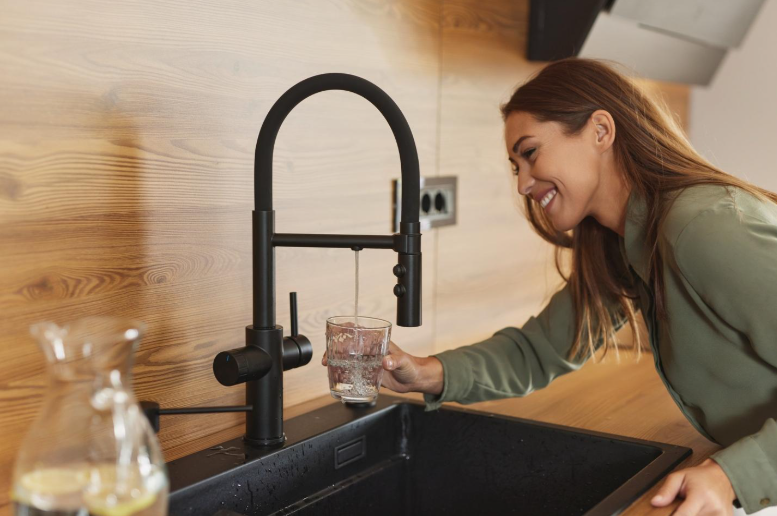
Discover practical water quality solutions for modern homes. Learn about common water problems, treatment options, and filtration systems that help protect your family's health and plumbing.
Introduction
Water quality solutions can make a noticeable difference in your home's comfort, plumbing, and everyday routines. From the water you drink and cook with to the water flowing through your appliances, its quality affects far more than taste alone. Common issues like hard water, unpleasant odors, sediment, or excess minerals may lead to plumbing problems, reduce appliance efficiency, and leave you wondering whether your home water is as clean as it should be.
Homes connected to municipal water systems and private wells can experience different water quality challenges, and even neighboring properties may have different water conditions. For homeowners in areas such as Dillon, SC, and Darlington, SC, understanding what's in your water is the first step toward choosing the right treatment system. Rather than relying on guesswork, professional water testing helps identify the specific issues affecting your home's water supply.
This guide explains the most common residential water safety concerns, explores effective treatment options, and highlights how filtration and water treatment systems can help protect your family's health, preserve plumbing, extend appliance life, and improve the taste and quality of your household water. By understanding your options, you'll be better prepared to select the water quality solutions that best fit your home's needs.
Why Water Quality Matters in Every Home
Water is part of nearly every daily activity, from preparing meals and making coffee to showering, washing clothes, and cleaning dishes. When water contains excess minerals, sediment, or other unwanted substances, those everyday tasks may become less effective or less enjoyable. Clean, properly treated water supports a healthier and more comfortable living environment.
Water quality also plays a significant role in protecting your home's plumbing system. Hard water can leave mineral deposits inside pipes and on fixtures over time, while sediment may contribute to wear in valves, faucets, and water-using appliances. Although these issues often develop gradually, they can reduce efficiency and increase the need for maintenance if left unaddressed.
Household appliances rely on a dependable water supply to perform at their best. Water heaters, dishwashers, washing machines, and ice makers can all be affected by mineral buildup or debris circulating through the system. Improving water quality may help these appliances operate more efficiently and reduce unnecessary strain on their components.
Another important benefit is the overall experience of using your home's water. Cleaner water can improve the taste of drinking water, reduce unpleasant odors, and help keep sinks, tubs, and glassware looking cleaner. While every home has unique water conditions, identifying potential concerns early makes it easier to choose a treatment solution that fits your household's specific needs.
Common Water Quality Problems Homeowners Face in Dillon and Darlington, SC
Water quality issues are not always easy to recognize at first. Some develop gradually, while others become noticeable through changes in taste, appearance, or the way water interacts with plumbing fixtures and appliances. Understanding the most common concerns can help homeowners in Dillon and Darlington, SC, recognize when it's time to consider a professional water evaluation.
Hard Water
Hard water contains elevated levels of naturally occurring minerals, primarily calcium and magnesium. While these minerals are not typically considered a health concern, they can leave scale deposits on faucets, showerheads, and water-using appliances. Soap may also be more difficult to rinse away, leaving spots on dishes and making laundry feel less clean.
Chlorine Taste and Odor
Many municipal water systems use chlorine or chloramine as part of the disinfection process. Although these treatments help maintain water safety during distribution, they may leave an unpleasant taste or smell that affects drinking water, beverages, and meals prepared with tap water.
Sediment and Cloudy Water
Sand, silt, rust, and other fine particles can sometimes enter a home's water supply. Sediment may cause water to appear cloudy, reduce the efficiency of certain fixtures, and contribute to wear on appliances over time. The source of sediment can vary depending on the water supply and the condition of the plumbing system.
Iron and Manganese
Iron and manganese are naturally occurring minerals that may be present in groundwater. Even small amounts can leave reddish-brown or dark stains on sinks, tubs, toilets, and laundry. These minerals may also create a metallic taste that affects the overall quality of water.
Sulfur Odors
Water that has a rotten egg smell is often associated with hydrogen sulfide gas or naturally occurring sulfur compounds. Persistent odors can make drinking water less appealing and may affect cooking, bathing, and other daily activities. Identifying the source is essential because similar odors can have different causes.
Other Potential Contaminants
Depending on the water source, home water may contain additional substances that require attention. These can include excess minerals, naturally occurring contaminants, or other water quality concerns that are not visible to the naked eye. Since water conditions vary from one property to another, professional testing provides the most reliable way to determine what is present and which treatment options are appropriate.
How Water Testing Helps Identify the Right Water Quality Solutions
Choosing a treatment system without understanding your water's condition can lead to disappointing results and unnecessary expenses. Professional water testing provides a clear picture of your water by identifying the specific characteristics that may be affecting its quality. Instead of relying on visible signs alone, testing helps ensure that any recommendations are based on accurate information.
Water conditions often differ depending on the source. Municipal water is treated before it reaches homes, but it may still contain minerals or disinfectant residuals that influence taste, odor, or hardness. Private well water can have its own set of naturally occurring minerals and other water quality concerns. Because every property is unique, testing removes the guesswork from selecting an appropriate treatment system.
A comprehensive water analysis may evaluate factors such as hardness, pH, iron, manganese, sediment, total dissolved solids, and other characteristics that influence water safety. The specific tests performed will depend on the property's water source and any concerns the homeowner has noticed. Reviewing these results allows treatment recommendations to focus on the issues that are actually present rather than applying a one-size-fits-all approach.
Accurate testing also helps homeowners avoid investing in equipment that addresses the wrong problem. A filtration system designed to improve taste, for example, may not resolve hard water, while a water softener serves a different purpose than a drinking water filter. Understanding the results makes it easier to choose water quality solutions that align with your home's specific needs and long-term goals.
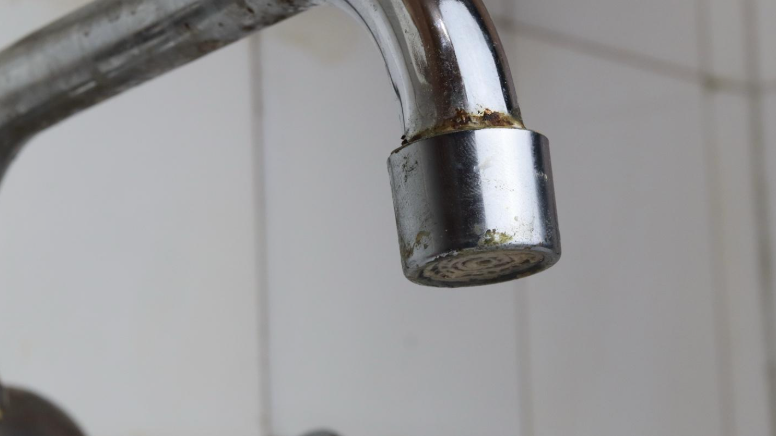
Photo from iStock - Credit: cem celik
Water Quality Solutions for Hard Water Problems
Hard water is one of the most common water quality concerns in residential properties. It contains elevated levels of naturally occurring minerals, primarily calcium and magnesium, that can leave scale deposits inside plumbing and on water-using appliances. While hard water is generally considered safe for everyday use, mineral buildup can gradually affect plumbing fixtures and reduce the efficiency of equipment that relies on a steady water supply.
Homeowners may notice signs such as white residue on faucets, spots on glassware, soap that doesn't rinse away easily, or mineral deposits around sinks and showerheads. Over time, these issues can make routine cleaning more difficult and place additional strain on appliances like water heaters, dishwashers, and washing machines. Recognizing these symptoms early can help prevent unnecessary wear on your home's plumbing system.
Common Water Quality Solutions
The right treatment depends on the results of a professional water analysis. Common options include:
- Water softeners to reduce calcium and magnesium that cause hard water.
- Whole-house filtration systems to improve water quality throughout the home.
- Salt-free water conditioners to help reduce scale buildup in certain applications.
- Sediment filters to capture sand, silt, and other particles before they reach plumbing fixtures and appliances.
- Combination treatment systems that address multiple water safety concerns, including hardness, sediment, and taste or odor issues.
Choosing the right system starts with understanding your home's water conditions. A professional evaluation can determine the level of hardness and identify any additional concerns that may require treatment. Matching the system to your water quality helps improve long-term performance, protect plumbing, and support the efficient operation of household appliances.
Water Filtration Systems for Cleaner Drinking Water
Water filtration systems help improve the quality of home water by reducing substances that affect its taste, odor, and overall appearance. Because every home's water is different, the most suitable filtration system depends on the specific conditions identified through professional testing. Choosing the right system helps ensure your water treatment is focused on the issues that actually need to be addressed.
Several filtration technologies are available for residential use, each serving a different purpose. Whole-house filtration systems treat water as it enters the home, helping improve water quality for drinking, cooking, bathing, and cleaning. Activated carbon filters are commonly used to reduce chlorine taste and odors, while sediment filters capture sand, silt, rust, and other suspended particles before they circulate through the plumbing system.
For homeowners seeking additional treatment for drinking water, reverse osmosis systems provide another level of filtration at a dedicated faucet. Multi-stage systems combine two or more treatment methods to address multiple water supply concerns at the same time. The most appropriate option depends on the water source and the results of a comprehensive water analysis rather than a one-size-fits-all approach.
Selecting the right filtration system is about matching the equipment to your household's unique water conditions. A professional evaluation can determine which treatment methods are appropriate, helping improve water quality while supporting the long-term performance of your plumbing fixtures and water-using appliances.
Choosing the Right Water Quality Solutions for Your Home
Selecting the right water treatment system starts with understanding your home's unique water conditions. Factors such as your water source, household size, daily water usage, and the specific issues identified through testing all influence which solution will provide the best results. Taking these factors into account helps ensure the system is designed to address your home's actual needs rather than relying on a generic recommendation.
Your water source is one of the most important considerations. Homes connected to a municipal water supply may experience concerns related to chlorine, hardness, or sediment, while private wells can present different water quality challenges depending on local conditions. Because water characteristics vary from one property to another, two neighboring homes may require different treatment approaches.
It's also important to consider how the system will fit into your household over time. Some treatment systems are designed to improve water quality throughout the entire home, while others focus on drinking water at a single location. Maintenance requirements, filter replacement schedules, and long-term operating costs should all be part of the decision-making process to help ensure the system continues performing as intended.
Professional water testing provides the information needed to make a confident decision. By identifying the specific characteristics of your water, a qualified specialist can recommend water quality solutions that address current concerns while supporting the long-term performance of your plumbing, fixtures, and home appliances.
Benefits of Investing in Water Quality Solutions
Improving your home's water quality offers benefits that go beyond better-tasting drinking water. The right treatment system can enhance many everyday activities, from preparing meals and making beverages to bathing and cleaning. By addressing specific water supply concerns, homeowners can enjoy a more consistent and comfortable water supply throughout the home.
Cleaner water also helps protect the plumbing system and the appliances that rely on it. Reducing mineral buildup and sediment can minimize unnecessary strain on water heaters, dishwashers, washing machines, and other water-using equipment. Over time, this may help maintain their efficiency and support a longer service life, depending on the condition of the system and the quality of the incoming water.
Another advantage is improved cleaning performance. Water with fewer minerals and impurities can help reduce spots on dishes, minimize soap residue on sinks and shower doors, and leave clothing looking and feeling cleaner after washing. Many homeowners also notice fresher-tasting water and fewer unpleasant odors, making it easier to enjoy water straight from the tap.
Every home's water is different, which is why the benefits of treatment vary from one household to another. A professional water assessment in Dillon, South Carolina helps identify the issues affecting your water and recommends water quality solutions that provide meaningful improvements based on your home's specific needs.
Maintaining Your Water Treatment System
A water treatment system performs best when it receives routine maintenance. Over time, filters, softening media, and other treatment components naturally wear as they process residential water. Following the manufacturer's recommended service schedule helps the system continue operating effectively and supports consistent purer water throughout the home.
Maintenance needs vary depending on the type of equipment installed and the quality of the incoming water. Some systems require periodic filter replacements, while others may need routine inspections or servicing to ensure all components are functioning properly. Staying current with these maintenance requirements helps prevent reduced performance and allows the system to address the water quality issues it was designed to treat.
Homeowners should also pay attention to changes in their water. A noticeable difference in taste, odor, appearance, or water pressure may indicate that the treatment system needs inspection or maintenance. Addressing these changes promptly can help prevent small issues from affecting the overall performance of the system.
Scheduling regular service with a qualified water treatment professional in Darlington, South Carolina helps keep equipment operating as intended. Routine inspections can identify worn components, verify that the system is functioning efficiently, and ensure your home's water treatment continues to meet your household's changing needs.
When to Consider Professional Water Treatment Services
While some water quality concerns are easy to notice, others develop gradually and may not become apparent until they begin affecting your home's plumbing, appliances, or daily water use. Changes in taste, odor, discoloration, staining, or persistent mineral buildup are all signs that it's time to have your water professionally evaluated. Identifying the cause early helps ensure the right treatment solution is selected.
Professional water treatment services are also worth considering after moving into a new home or if your home water source changes. Since water quality can vary from one property to another, previous experiences with water treatment may not reflect your current needs. A comprehensive water analysis provides accurate information about your water and helps determine whether treatment is necessary.
For property owners in Dillon, SC, and Darlington, SC, local water conditions can differ depending on the property's location and water source. Whether your home is connected to a municipal water system or relies on a private well, professional testing can identify the specific characteristics of your water and guide appropriate treatment recommendations.
Working with a qualified water treatment professional takes the guesswork out of selecting a system. Based on the test results, they can recommend water quality solutions that address your home's specific concerns while helping protect your plumbing, support appliance performance, and improve the quality of your everyday water.
Schedule Your Professional Water Assessment
Ready to improve your home's water quality? Benjamin Franklin Plumbing of Florence provides professional water testing and customized treatment recommendations based on your household's unique needs. Contact their team today to schedule a water assessment and discover water quality solutions that help protect your plumbing, extend appliance life, and improve the quality of your everyday water.

 Your Privacy Choices