Key Takeaways About Trenchless Pipe Repair
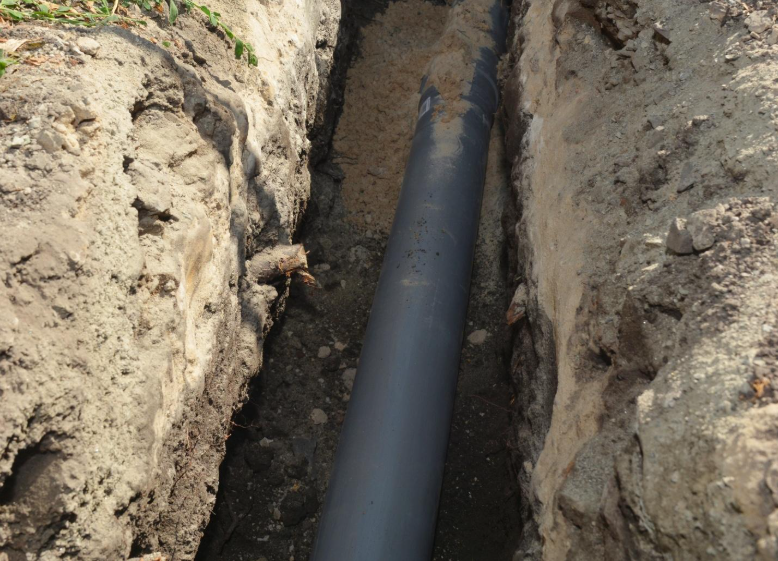
Trenchless pipe repair uses lining or bursting to fix underground pipes with minimal digging. This summary is for homeowners and property managers deciding when less-invasive options make sense during a plumbing issue.
- Identify visible signs like soggy spots smells or low pressure.
- Prevent major yard or hardscape disruption with small access pits.
- Avoid trenchless when pipes are collapsed or have many laterals.
- Spot root intrusion cracks or offsets with a camera inspection.
- Reduce project time and restoration compared with full excavation.
- Plan diagnosis using pressure tests recorded footage and measurements.
Introduction
Broken or leaking underground pipes can stall a renovation, foul a yard, and send repair costs higher. Trenchless pipe repair offers a different way to fix many of these problems without full excavation. Homeowners often confuse minimal digging with a blanket solution. Knowing when trenchless methods actually suit the issue matters for time and property impact.
Surface signs like soggy spots, sewage smells, or sudden drops in water pressure can point to a failing pipe. A professional inspection often finds the cause rather than guess based on symptoms alone. Video camera footage through a cleanout reveals cracks, root intrusion, or offset joints in the line. Those findings guide whether trenchless tools can reach and remedy the damaged section.
Some pipe problems lie too close to foundations or cross under driveways where open digging causes major disruption. In those cases, trenchless lining or pipe bursting may avoid tearing up landscaping or pavement. But not every material or layout allows a trenchless fix. Soil access, pipe diameter, and existing cleanouts affect what a technician can do on site.
For homeowners in Winona, SC and for properties in Florence, SC, the choice affects daily life and project timelines. A timely accurate diagnosis reduces the chance of repeated failures or partial repairs. When professionals confirm a trenchless option, most of the disturbance happens at small access points. If the method is unsuitable, plans shift to targeted excavation with clear tradeoffs for repair durability and access.
What Trenchless Pipe Repair Actually Is and How It Works
Trenchless pipe repair is a set of techniques that fix underground pipes with little or no open excavation. Technicians use two main approaches: lining an existing pipe or replacing it by bursting the old pipe. These methods focus repair work at small access pits rather than long trenches. Homeowners often ask if trenchless repairs stop future leaks, and the answer depends on the underlying cause and pipe condition.
- Lining creates a new inner pipe inside the old pipe.
- Pipe bursting pulls a new pipe through while fracturing the old one.
- Spot repairs use cured-in-place patches for localized damage.
- Access points usually use existing cleanouts or small entry pits.
Video camera inspection usually precedes any trenchless job to confirm suitability. A camera shows cracks, root intrusion, offset joints, and scale buildup along the pipe run. Technicians will measure diameter and assess bends and fittings that could block lining tools. This visual evidence answers whether trenchless methods can reach and fix the damaged section.
Equipment for trenchless work includes inversion drums, resin-saturated liners, winches, and pulling rigs for bursting. Professionals also use cleanouts, pressure tests, and recorded footage to verify the repair. For homeowners in Winona, SC a camera report and measured dimensions guide the final recommendation. When trenchless is feasible, disruption stays limited to small entry points rather than wide open trenches.
Common Causes of Underground Pipe Damage and Why It Happens
Soil movement and shifting loads strain joints and pipe sections until a weak spot fails. Freeze-thaw cycles and heavy vehicle traffic change soil support around buried lines and cause misalignment. Corrosion slowly thins metal pipes and creates small leaks that grow over months. When technicians inspect, they note pipe material, wall thickness, and deformation to judge repair options.
Tree roots seek moisture and can wedge into small cracks or open joints, often enlarging damage over seasons. Roots and fine root hairs can cause recurring blockages that lead to backups and added pressure on the line. A professional looks for root balls on video footage and may run a mechanical snake or camera to confirm intrusion extent. Those findings determine whether a liner will bridge the area or if replacement is necessary.
Chemical attack from acidic soil or aggressive water can degrade certain pipe materials and quicken failure compared to normal wear. Older clay or cast iron systems may suffer from joint separation and infiltration of surrounding material. Technicians use a pressure test and recorded footage to see if leaks are active or intermittent during wet conditions. Repair choice depends on whether damage is continuous along a length or concentrated in a single spot.
Installation problems and prior repairs sometimes cause later failures through poor slope, offset joints, or incompatible fittings. Misaligned or crushed sections can show as dips or irregular flow on camera review and during a dye test. For homeowners in Winona, SC and property managers in Florence, SC this history matters when deciding between a cured-in-place lining and pipe replacement. A clear diagnosis, camera footage, and pressure readings guide the recommendation and next steps.
Early Warning Signs Homeowners Should Never Ignore
Slow drains that suddenly smell like sewage often signal a partially blocked or damaged sewer line requiring prompt attention. Gurgling noises from drains when other fixtures run point to trapped air from irregular flow or partial collapse. Visible wet patches in the yard or sinkholes near where a pipe runs suggest an active leak that can worsen quickly. If you notice these signs, call a professional to start diagnosis rather than waiting for a full failure.
Repeated backups that occur at predictable times, such as after heavy rain, indicate possible infiltration or root-related obstruction inside the pipe. A technician will run a camera inspection through a cleanout to record footage and locate the obstruction or break. They may also perform a dye test or a pressure test to confirm whether the leak moves under load or stays constant. Those test results help decide if trenchless options can reach and fix the damage.
If you smell sewage inside the home near a floor drain or basement wall, that odor shows sewer gas is escaping from a compromised line or trap system. Professionals check traps, vent stacks, and closet flanges first, then inspect the main sewer line with a camera to find cracks or offset joints. Evidence of localized damage on video supports a cured-in-place liner or spot repair, while widespread collapse points toward replacement. Homeowners in Winona, SC should treat indoor sewer odors as a medium-risk sign and seek inspection promptly.
Sudden drops in water pressure across multiple fixtures can come from a main supply leak underground rather than a single fixture or valve. A plumber will isolate zones, read pressure gauges, and inspect accessible shutoff valves to rule out internal supply issues. Recorded pressure readings and camera footage provide concrete data for the repair plan and cost estimate. For properties in Florence, SC early reporting of pressure loss shortens diagnosis time and reduces the risk of further pipe damage.
Comparing Trenchless Methods with Full Excavation Repairs
Trenchless pipe repair often wins when the pipe run is continuous with accessible cleanouts and the damage is internal rather than collapsed. Technicians favor lining when the pipe retains its basic shape and the interior surface can bond to a resin liner. Pipe bursting can replace a brittle or heavily scaled line if there is room for a new pipe to displace the old one. Excavation becomes necessary when bends, multiple service connections, or collapsed sections block trenchless tools from passing through.
- Trenchless lining preserves the existing pipe path.
- Pipe bursting replaces the pipe without long open trenches.
- Spot cured-in-place patches treat isolated defects.
- Excavation allows full access for complex repairs.
To decide between methods, professionals inspect with a camera and take measurements of diameter and bend severity. They also perform pressure or dye tests to confirm active leaks and note the location relative to structures. Recorded footage and dimensional readings tell whether a liner will seat correctly or a bursting head can pass. Homeowners in Winona, SC may find a camera report removes guesswork and clarifies options quickly.
Excavation gives direct access to joints, service connections, and severely crushed pipe sections when trenchless options cannot address them. It also allows replacement of nearby damaged bedding and correction of slope problems that trenchless methods cannot fix. For properties in Florence, SC with multiple lateral connections, open repair can prevent future separation at those junctions. After diagnosis, a technician should explain the expected scope, visible footage, and the tradeoffs between property disturbance and long-term durability.
When Trenchless Pipe Repair is the Better Choice
When the damaged section is continuous and has few lateral connections, trenchless pipe repair often becomes the practical choice. A professional will confirm line straightness and usable access before recommending lining or bursting. If surface features like patios or mature landscaping would suffer from open digging, trenchless methods limit that impact. Homeowners should weigh reduced surface restoration against any limitations the method may have for future access.
Technicians favor trenchless fixes when a camera shows intact pipe alignment and the defect does not include severe collapse. They will also check for nearby service tees that prevent pulling equipment through the run. If video footage and dimensional readings confirm clear passage, technicians can plan a resin cure schedule or select an appropriate bursting head. That documented evidence reduces surprises during the work.
Trenchless lining makes sense when the goal is to seal cracks and stop infiltration while keeping the existing route in place. Professionals use recorded footage, pressure checks, and measurements to choose a liner thickness that matches pipe diameter and expected stresses. A successful liner restores flow and slows corrosion without moving service connections. For a property in Florence, SC this approach can shorten project time while preserving hardscape.
Pipe bursting becomes preferable when the old pipe is brittle or too deteriorated to accept a liner safely. The method requires room for the new pipe material to displace surrounding soil, so technicians review site access and nearby utilities first. During diagnosis, they document cleanout positions and record footage to plan the pull path and avoid unseen obstacles. Homeowners in Winona, SC should ask for the inspection report and footage to understand why bursting is recommended.
How To Prepare Your Home for Trenchless Service Visits
Clear access to the cleanout and small entry pits speeds a trenchless crew and reduces on-site delays. Move potted plants, outdoor furniture, and vehicles away from the work zone so equipment can sit close to access points. Trim low branches that obstruct rigs and mark sprinkler heads or hose lines to prevent accidental damage during setup. If you have a generator or indoor access, let the crew know in case they need temporary power for curing lights or fans.
Locate and label your main shutoff valve and any local fixture shutoffs the technician might use to isolate lines during testing. Photograph or note visible yard features and utility markers to help crews plan a safe pull path around buried services. Share the layout of outdoor faucets, sump pump discharge, and irrigation connection points before work starts so technicians avoid disrupting active systems. If you suspect tree roots, point them out so the team can plan root removal without unnecessary digging.
During a diagnostic visit expect a camera run, pressure checks, and possibly a dye test to confirm leak location and severity before any trenchless repair. A professional will record footage and measurements to select liner thickness or choose a bursting head size that matches the pipe diameter. Ask for the recorded footage and a written explanation of the recommended method so you understand repair limits and restoration needs. For homeowners in Winona, SC, keeping pets and children away from access pits during inspection reduces safety risks.
Prepare a clear area indoors where the crew can place tools, mix resin, or store small equipment if work enters through a basement or crawlspace. Remove stored items from under sinks and clear the route from the entry point to the working area to allow unobstructed movement. Discuss expected curing times, possible temporary fixture restrictions, and cleanup responsibilities before the job begins. For properties in Florence, SC, agree on a start time and a contact person for daily updates to reduce miscommunication.
What Professionals Check During a Trenchless Inspection
A technician starts by running a camera through the line and recording clear footage for later review and measurement. They look for exact defect locations, lengths, and nearby service tees that could block trenchless tools. Next, the pro measures pipe diameter, bend angles, and any irregular offsets to choose liner size or bursting head. They also note cleanout condition and whether additional access pits will be required during work.
- Check camera footage for cracks and infiltration.
- Measure diameter and bend severity.
- Test cleanouts for accessibility.
- Run pressure or flow checks if needed.
- Document findings with photos and notes.
Technicians perform pressure or dye tests when footage shows potential leaks but not active flow during inspection. These tests confirm whether water moves under load and if leaks are intermittent or continuous. A pro may isolate sections using shutoff valves or test plugs to localize the problem precisely. Recorded test results inform whether a cured-in-place liner will bond under expected stresses.
Inspectors also check nearby utilities and site access to avoid damaging buried services during bursting or pulling operations. They verify surface space for rigs and confirm routes for pulling a new pipe without crossing restricted areas. A documented plan lists required entry pits, equipment staging, and expected disruption to landscaping. Homeowners in Winona, SC should ask for this plan and a copy of the inspection report before agreeing to work.
Before any repair begins, technicians evaluate pipe material and wall condition to predict liner adhesion or bursting feasibility. They note corrosion, wall thinning, and scale deposits that could affect long-term results and choose resin type or replacement material accordingly. Inspectors may collect photos, recorded footage, and written measurements as a formal record. For complex jobs on properties in Florence, SC, this documentation helps coordinate with other trades and local restoration efforts.
Preventive Maintenance Tips to Extend Pipe Lifespan
Schedule periodic camera inspections to catch slow-developing issues before they require major work. A routine video check every few years or after major landscaping changes helps track pipe condition. Technicians can compare recorded footage to spot new cracks, root growth, or shifting joints. Early detection often lets crews use targeted spot repairs instead of full replacements later.
Keep tree roots away from sewer lines by maintaining a buffer and avoiding planting large trees near pipe runs. If roots appear on camera footage, a professional can perform mechanical root cutting and advise on long-term root management. Chemical treatments exist but require careful use and professional recommendation to avoid pipe or soil damage. For homeowners in Winona, SC follow professional guidance to balance yard plans and pipe protection.
Control what goes down drains to reduce internal corrosion and blockages that shorten pipe life. Install strainers and avoid pouring grease, fibrous materials, or harsh chemicals that erode pipe linings and invite clogs. Periodic professional flushing removes grease and sediment buildup that could undermine a future liner bond. Documented maintenance records and footage from these services support repair planning if trenchless options become necessary.
Keep accurate records of past repairs, camera reports, and pressure test results to guide future decisions efficiently. When a technician reviews previous footage and written measurements, they make faster, more precise recommendations for lining or bursting. Share these documents before scheduling work so crews arrive prepared with the correct liner size and equipment. For property managers in Florence, SC this record-keeping reduces downtime and avoids redundant inspections.

 Your Privacy Choices