
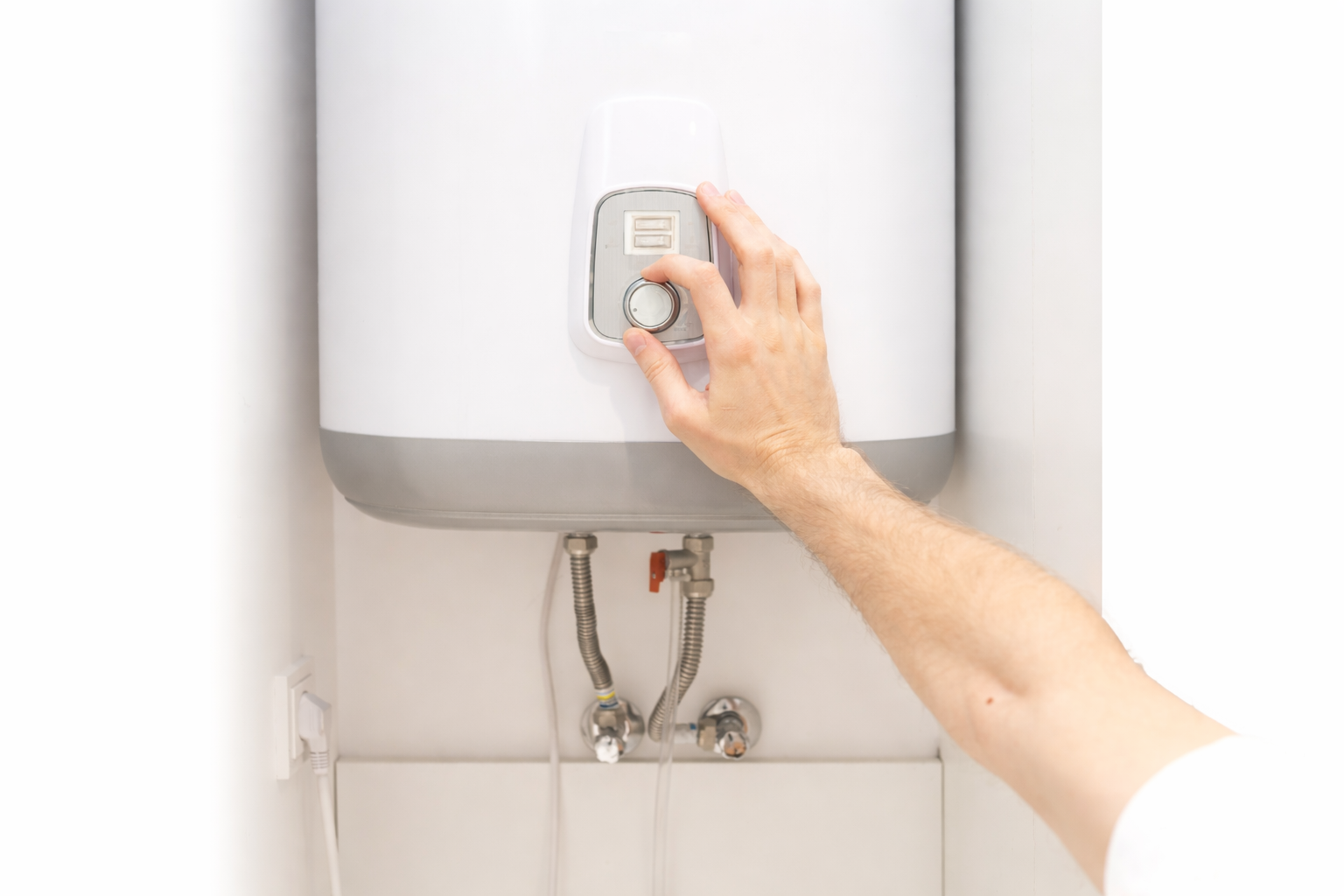
A water heater that shows signs of trouble may need repair or replacement, depending on the severity of the issue. Understanding common warning signs can help homeowners make smarter decisions for their homes and budgets.
The Age of Your Water Heater Is Important
Over time, water heaters naturally lose efficiency as minerals build up, parts corrode, and internal components wear down. Even minor wear can increase energy use and raise the risk of unexpected failure.
The average tank-style water heater lasts between 8 and 12 years. Some units may last longer with proper maintenance. Tankless water heaters typically have a longer lifespan and can last up to 20 years.
As the system ages, you may notice patterns such as slower heating, inconsistent temperatures, or small leaks that occur more often. When a water heater nears the end of its lifespan, a complete failure becomes more likely. Knowing the age of your system helps you make informed repair versus replacement decisions. With that information, it is easier to choose the best option for your home.
When a Repair Makes the Most Sense
Many water heater problems are minor and can be resolved with professional repairs. In these cases, repairs can restore efficiency and extend the life of the system. The key is knowing when a repair is practical and when it simply delays a larger issue.
If your water heater is relatively new and suddenly stops producing hot water, the issue may be limited to a single component. Faulty heating elements, malfunctioning thermostats, or a tripped breaker can interrupt hot water production. These repairs are typically quick and affordable, allowing a well-maintained system to return to normal operation.
Sediment buildup is another common issue, especially in areas with hard water. As minerals settle inside the tank, they form a barrier between the heating element and the water. This forces the system to work harder and reduces efficiency. Flushing the tank can resolve the problem, restore heating performance, and extend the lifespan of the unit.
Unusual noises such as popping or rumbling often result from sediment buildup. As mineral deposits heat up, they trap and release steam. While the sounds may be alarming, this issue can usually be corrected with maintenance rather than replacement.
Small leaks can also cause concern, but they do not always mean the tank is failing. A loose connection or worn valve may allow water to drip. In many cases, a plumber can tighten fittings or replace a minor part and return the system to service. When the issue is isolated and affordable to fix, repair is usually the most economical choice. Minor repairs are faster, safer, and less disruptive than full replacement.
The Red Flags That Mean It's Time to Replace
While repairs can extend the life of a water heater, some signs point to more serious problems. In these situations, repairs may only postpone an inevitable failure rather than resolve the underlying issue.
One of the biggest warning signs is age. Once a tank-style water heater reaches around ten years old, major repairs often stop being cost effective. Even if the unit still functions, the risk of sudden failure increases. If an older water heater shows declining performance, replacement is often the smarter long-term solution.
Persistent leaks are another serious concern. A leaking tank cannot be repaired. In most cases, corrosion has weakened the internal steel. Once water escapes the tank, the risk of rupture increases significantly. Tank leaks are unfixable and can lead to extensive water damage if ignored.
Rusty, discolored, or metallic tasting water may indicate internal corrosion. While plumbing materials or groundwater can sometimes cause discoloration, corrosion inside the tank threatens the heater’s structural integrity. This is one of the clearest signs that the system is nearing the end of its life.
If your water heater frequently runs out of hot water, it may be losing efficiency due to internal wear or severe sediment buildup. When performance continues to decline, replacement becomes the most practical option.
Frequent service calls are another indicator. If repairs are needed every few months, the system is likely reaching the end of its useful life. Repeated failures are often a sign that replacement is overdue.
Rising energy bills can also point to a failing water heater. As efficiency drops, the system uses more energy to maintain temperature. Replacing an inefficient unit can lower monthly costs and improve overall performance.
Repair vs. Replacement Math
Replacement becomes the better financial option when the cost of major repairs approaches the price of a new water heater. Modern systems offer improved efficiency and come with warranties that provide long-term value.
A commonly used guideline is the 50 percent rule. If a repair costs more than half the price of a new system, replacement is usually the better investment. For older units, even lower repair costs may justify replacement.
A new water heater can deliver energy savings, stronger performance, consistent temperatures, and warranty coverage. These benefits often outweigh the cost of continuing to repair an aging system.
Get Advice From a Professional Plumber
When a plumber inspects your water heater, they look beyond the immediate issue. They assess the unit’s age, tank condition, component performance, and potential safety concerns. If the problem is minor, repairs may restore normal operation.
Plumbers also check water pressure, valve function, sediment levels, and corrosion. This thorough evaluation helps determine the overall health of the system. They can also recommend maintenance schedules and preventive steps to extend the life of the water heater.
If the system is aging or no longer meeting your household’s needs, a plumber can recommend replacement. Instead of guessing based on symptoms, you receive clear information about what is failing, repair costs, and how long those repairs may last.
If your water heater is running out of hot water or showing other signs of trouble, you can rely on Ben Franklin Plumbing in Kansas City, MO. Our plumbers carefully diagnose the issue and explain your repair and replacement options. We provide clear information to help you choose the right solution for your home.
Schedule a consultation with Ben Franklin Plumbing for dependable service and expert guidance on water heater repairs and replacements in Kansas City, MO.















 Your Privacy Choices