More than one in five U.S. households (about 60 million people) depend on septic systems to treat wastewater from toilets, showers, and laundry. According to the EPA, New England states have among the highest rates of septic use, with roughly half of all homes in New Hampshire and Maine on private systems.
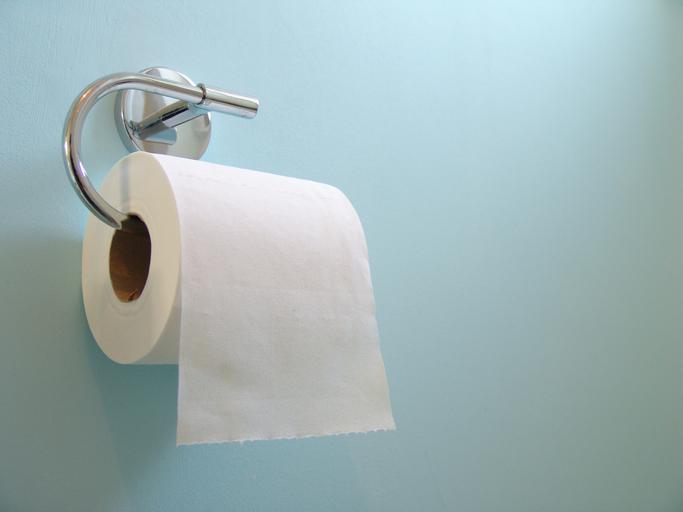
If your home has a septic system, the toilet paper you choose matters more than most people realize. Unlike a municipal sewer, where powerful mechanical processes handle waste treatment, your septic tank depends on a living bacterial ecosystem to break down solid material. Toilet paper that does not dissolve quickly enough accumulates in the tank, accelerates sludge buildup, and can clog the drain field, leading to more frequent pump-outs and potentially costly repairs.
The good news: choosing the right toilet paper is a simple, inexpensive decision that protects your system every day.
READ MORE: What Is a Septic System and How Does It Work?
Why Toilet Paper Choice Matters for Septic Systems
When you flush, solid waste and toilet paper enter the septic tank. Liquid effluent flows out through the outlet baffle into the drain field. But solid material stays in the tank. Bacteria break down the organic solids, but paper that does not dissolve quickly enough accumulates faster than bacteria can process it.
The consequences of slow-dissolving toilet paper over time include:
- Faster sludge accumulation at the bottom of the tank
- More frequent pump-out requirements
- Clogged pipes between the house and the tank
- Stress on the drain field as solids escape the tank prematurely
- Disruption of the bacterial balance if the paper contains harsh chemicals
Our full guide on septic tank care covers the full range of habits that affect how long your system runs efficiently between service visits.
What to Look for in Septic-Safe Toilet Paper
1. Fast Dissolvability
The most important quality is how quickly the paper breaks apart in water. Toilet paper designed for septic systems, RVs, and boats is specifically engineered to disintegrate rapidly, rather than the minutes it can take for thick, quilted varieties.
Look for labels that say "septic-safe," "rapid-dissolving," or "biodegradable." These terms indicate the paper has been tested or formulated for quick breakdown. The difference between a rapid-dissolving paper and a thick plush variety is significant: standard quilted paper can take many times longer to break apart, and some reinforced varieties barely dissolve at all.
2. Biodegradable Composition
Biodegradable toilet paper is made with shorter fibers that lose their structure quickly in water. This is a direct benefit for septic systems. Shorter fibers dissolve into smaller particles that bacteria can process efficiently, rather than clumping together and settling as solid waste.
Biodegradable options are often made from:
- Recycled paper fibers - already-processed, shorter fibers that break down faster than virgin wood pulp
- Bamboo fiber - naturally biodegradable and increasingly popular; dissolves quickly and is gentle on the bacterial ecosystem
- Sugarcane fiber - similar fast-dissolving properties to bamboo
3. Free of Harsh Chemicals
Many conventional toilet papers contain additives that can harm the bacterial ecosystem your septic tank depends on:
- Chlorine bleach - whitens paper but can kill beneficial bacteria in the tank
- Artificial fragrances - chemical compounds that disrupt microbial activity
- Dyes and colorants - unnecessary for function and potentially harmful to bacterial balance
- Lotions and moisturizers - coat fibers and slow breakdown
- Parabens - preservative chemicals that do not belong in a septic environment
Look for paper labeled chlorine-free, fragrance-free, dye-free, and paraben-free. Plain, unscented toilet paper supports the microbial health of your tank. Scented, dyed, or ultra-moisturizing varieties add chemical stress to a system that relies entirely on natural biological processes.
4. NSF or FSC Certification
The National Sanitation Foundation (NSF) tests and certifies plumbing products, including toilet paper, for safety in plumbing and septic systems. NSF certification is a reliable third-party indicator that the paper performs as labeled. The Forest Stewardship Council (FSC) certification indicates the paper was sourced responsibly, which often correlates with cleaner, simpler fiber formulations.
One-Ply vs. Two-Ply: Which Is Better for Septic Systems?
One-ply is the safest choice for septic systems because it is thinner, uses fewer fibers per sheet, and dissolves faster than two-ply. For older systems, smaller tanks, or households that have experienced septic problems in the past, one-ply is the most conservative and protective option.
Two-ply is acceptable in most well-maintained, properly sized septic systems if the paper is specifically labeled septic-safe. Many modern two-ply brands now use shorter fibers and lighter bonding agents that allow them to break down nearly as efficiently as one-ply. The key is choosing a two-ply product that is certified or clearly labeled for septic use, not a thick, quilted, ultra-absorbent variety.
Three-ply and ultra-plush varieties are rarely recommended for septic systems. Their thickness, reinforced bonding, and high absorbency slow breakdown significantly, which increases sludge accumulation and the risk of clogs in both the pipes and the tank.
The bottom line: if you prefer two-ply for comfort, choose one that is labeled septic-safe and biodegradable. If your system is older or smaller, or if you have experienced issues before, switching to one-ply is a low-cost protective measure.
Types of Toilet Paper: A Quick Comparison
| Type | Dissolves Quickly? | Safe for Septic? | Notes |
|---|---|---|---|
| 1-ply, unscented | Yes | Best option | Thinnest, fastest breakdown |
| 2-ply, septic-safe | Usually | Yes, with caveats | Check for rapid-dissolve labeling |
| Recycled fiber | Yes | Excellent | Shorter fibers break down fast |
| Bamboo/sugarcane | Yes | Excellent | Fast breakdown, no harsh chemicals |
| Ultra-plush/quilted | No | Avoid | Slow to dissolve, can clog system |
| 3-ply | No | Avoid | Thickest, slowest breakdown |
| Scented/dyed | Varies | Avoid | Chemicals harm beneficial bacteria |
| "Flushable" wipes | No | Never | Do not dissolve; a top clog cause |
The last category deserves special emphasis. Flushable wipes, regardless of what the packaging says, do not dissolve in water the way toilet paper does. They accumulate at the bottom of the septic tank's sludge layer and are one of the most common causes of premature pump-outs and drain field problems. Our septic tank care guide details what never to flush in a home on septic.
The Jar Test: How to Check Your Toilet Paper at Home
If you are not sure whether your current toilet paper is dissolving quickly enough, this simple home test takes about two minutes and requires only a lidded jar and water:
- Fill a lidded jar or container about three-quarters full with water.
- Drop two or three squares of your toilet paper into the water.
- Close the lid tightly and shake vigorously for 10 to 15 seconds.
- Set the jar down and observe the paper for one to two minutes.
Good result: The paper breaks into small particles or loose fibers quickly. This indicates it will dissolve efficiently in your septic tank and pipes.
Concerning result: The paper remains largely intact, holds its shape, or takes a long time to show any breakdown. This paper adds solid material to your tank that will accumulate faster than it degrades.
You can use this test to compare multiple brands side by side, a quick and practical way to make a better-informed choice at the store.
The Bigger Picture: Toilet Paper and Septic Health
Choosing the right toilet paper is one of several habits that collectively determine how well your septic system functions between professional service visits. It connects directly to your water bill too. A septic system under stress from the wrong materials requires more water to flush and more frequent maintenance.
The EPA recommends most household septic systems be inspected every three years and pumped every three to five years, depending on household size and usage. Using fast-dissolving, chemical-free toilet paper is one of the simplest ways to push toward the longer end of that interval rather than the shorter.
If you are experiencing slow drains, sewage odors, or signs that your system needs attention, our septic services team is here to help. And if you are dealing with early warning signs of a broader plumbing issue, connecting those dots early is always less expensive than addressing them after the fact.
Call us at (888) 977-8450 or book an appointment online. You can also find a location near you.
Your Privacy Choices