
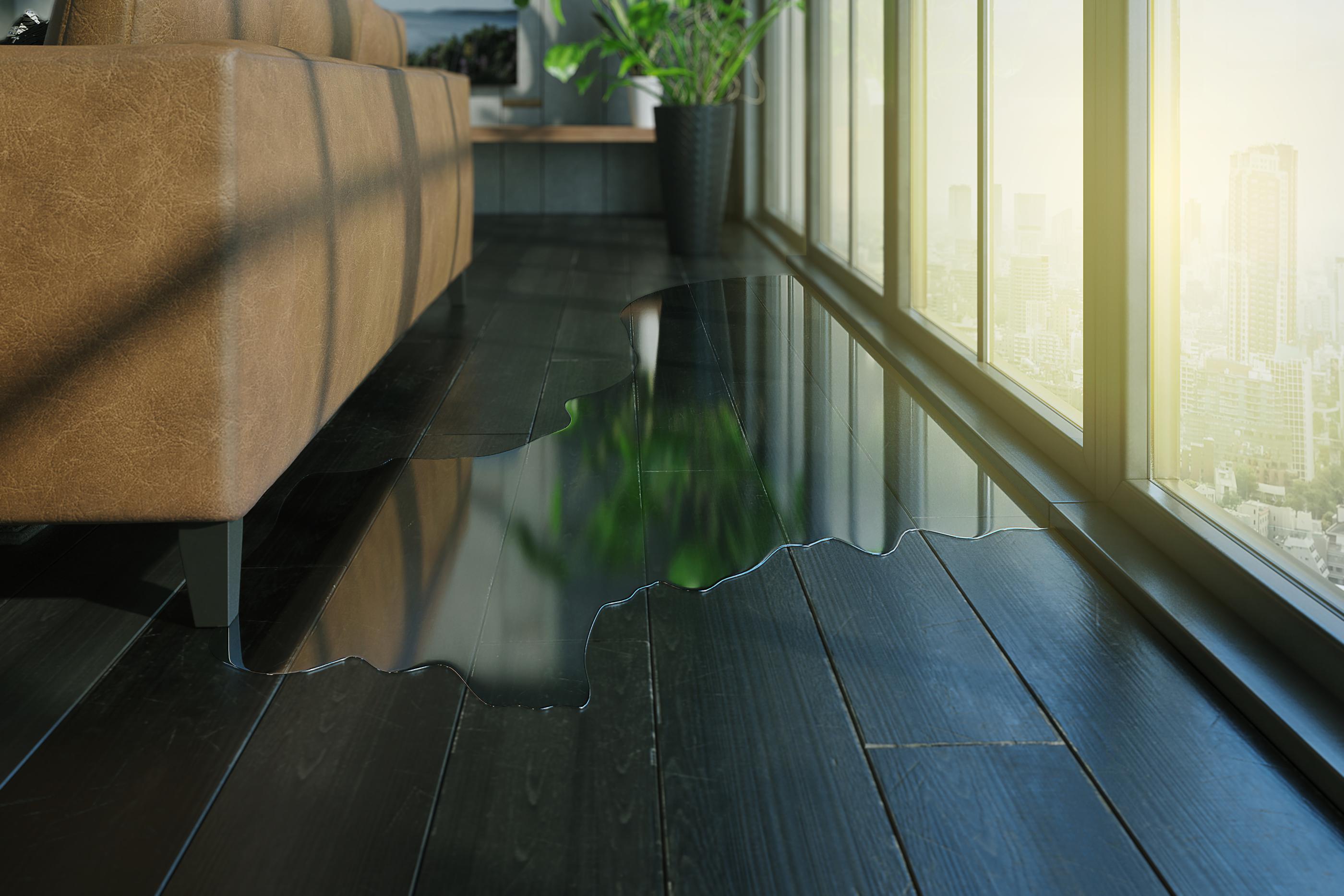
Water leaks often start in your home unnoticed. A small drip behind a wall or a slow leak beneath a sink may go overlooked for months. Over time, these leaks can cause serious damage to flooring, drywall, and the cabinetry below sinks. An ongoing leak can even cause structural damage to your home. Early leak detection helps to prevent costly repairs, conserve water, and maintain a safe living environment. Learning to detect water leaks lets you act before minor plumbing problems escalate.
Why Early Leak Detection Matters
Even a small water leak in your home will waste large amounts of water and increase your utility bills. A small, slow leak can waste hundreds of gallons of water each month. In addition to financial costs, leaks can also create conditions that encourage mold growth.
Moisture that seeps into walls, floors, and ceilings weakens building materials and creates long-term damage. Wood framing in your living space can warp, drywall can crumble, and flooring can become permanently stained or warped. When you notice a problem early, our plumbers can locate leaks quickly and make fast repairs. This prevents minor plumbing issues from escalating into major household repairs.
Watch Your Water Bill for Unexpected Changes
One of the simplest ways to detect water leaks involves monitoring your water bill. If your household water use remains consistent month to month but your bill suddenly increases, a hidden leak may be the culprit. Unexpected increases in water consumption often indicate leaks that are not easily visible. These leaks may occur behind walls, under floors, or even beneath your lawn. When you notice a sudden increase in the water bill, a professional inspection can identify the cause.
Use Your Water Meter to Detect Leaks
A water meter test can help you determine whether your plumbing system has a hidden leak. This simple process involves checking the meter when no water is being used anywhere in the house. Most meters are located outside near the curb or inside a basement or utility area. Many include a small leak indicator dial that moves even when very small amounts of water flow through the system.
Start by turning off all faucets, appliances, and irrigation systems. Make sure no one in your home uses water during the test. Then locate the meter and record the current reading. Many meters have a small triangle or star-shaped dial that spins when water is moving through the line. Wait about an hour without using any water and check the meter again. If the reading has changed or the leak indicator has moved, you likely have a leak. Our plumbers can help you find the source and recommend a solution.
Inspect Common Leak Locations Around the Home
Certain areas of your home are more prone to water leaks. This is because plumbing fixtures and appliances rely on connections, seals, and valves that wear out over time. Regularly checking these locations can help homeowners catch small issues before they cause water damage. As a general rule, it’s a good idea to inspect these areas every few months. You should also have a professional inspect your plumbing system as part of routine maintenance.
Kitchen sinks are a common source of leaks, especially around supply lines, drain pipes, and faucet connections inside the cabinet. Bathroom sinks and vanities may also develop leaks at shutoff valves and P-traps. Toilets should be checked for water pooling around the base, which may indicate a failed wax ring. Inside the tank, a worn flapper valve can allow water to continuously run from the tank into the bowl, wasting water and increasing utility bills.
Water heaters can develop leaks near the temperature and pressure relief valve, pipe connections, or from the tank itself as it ages. Washing machines and dishwashers also rely on flexible supply hoses that may crack, bulge, or loosen over time. Periodically checking these hoses and connections can help prevent sudden leaks and water damage. If you notice moisture, corrosion, or water stains around any of these fixtures, it’s best to have a professional inspection before the problem becomes more extensive.
Look for Visible Signs of Hidden Water Damage
Many water leaks occur behind walls or beneath floors where you cannot see them directly. However, these hidden leaks often leave visible clues that signal trouble. Discoloration on walls or ceilings may indicate moisture buildup from leaking pipes. Paint may begin to bubble, peel, or crack when moisture penetrates drywall. Warped flooring, soft spots in wood, or loose tiles may also indicate hidden plumbing leaks. These issues develop when water seeps into flooring materials.
A musty odor inside the home can also signal hidden moisture problems. Mold and mildew thrive in damp environments created by leaking pipes.
Listen for Unusual Plumbing Sounds
Plumbing leaks sometimes produce subtle sounds that you can detect in quiet conditions. For instance, you may hear dripping noises at night when no one is using water. Hissing sounds near pipes or fixtures may indicate water escaping through small cracks or loose connections. If your house has a slab foundation, running water sounds may indicate a leak under your home. You may also notice warm spots on the floor if a hot water line is damaged. Paying attention to unusual sounds can help you find issues before visible damage appears.
Monitor Water Pressure Changes
Changes in water pressure can sometimes indicate a plumbing leak. When water escapes through damaged pipes or loose fittings, pressure inside the system may drop. You may also notice weaker water flow from faucets or showerheads. While several issues can affect water pressure, leaks often contribute to sudden pressure changes. Our team can evaluate the system and determine whether leaks cause the pressure drop.
Professional Leak Detection
While homeowners can detect many leaks through visual inspection and simple tests, some plumbing leaks remain difficult to locate without specialized equipment. Our professional plumbers use advanced tools to quickly and accurately identify hidden leaks. Acoustic leak detection equipment allows us to hear water escaping from pipes behind walls or underground. Thermal imaging cameras can detect temperature differences indicative of a plumbing problem.
Video inspections and pressure testing also help our plumbers pinpoint leaks within complex plumbing systems. These tools will help our team locate leaks without cutting into your walls and floors or excavating your lawn. Instead, our team performs targeted repairs for a quick solution.
Protect Your Home With Professional Plumbing Services
Even small leaks can lead to significant damage if you ignore them for too long. Early detection helps prevent structural damage and excessive water waste. At Benjamin Franklin Plumbing®, we provide expert plumbing services to detect and repair leaks quickly in the Nashville, TN area. We can inspect your plumbing system, identify hidden leaks, and recommend reliable solutions to protect your home. Contact us today to schedule an appointment with one of our experienced plumbers.















 Your Privacy Choices