
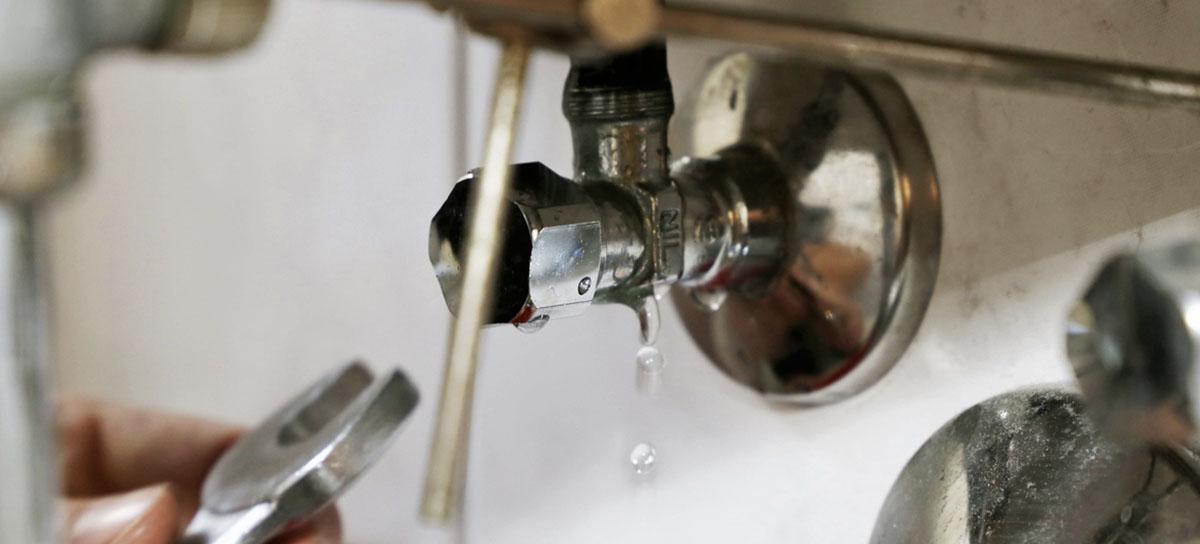
Household leaks waste a significant amount of water every year. The average home loses nearly 10,000 gallons annually due to these issues, with 10% of homes wasting over 90 gallons each day. Common causes of household plumbing leaks include dripping faucets, worn toilet flappers, and leaking valves. Fixing these leaks can save homeowners on their water bills and prevent further property damage.
Professional plumbers locate leaks using specialized tools, pressure tests, and visual inspections. However, there are several early signs that you can identify without the use of fancy tools and equipment.
1. Corroded Pipes
Corrosion affects pipes made from galvanized steel, cast iron, brass, or copper. It creates cracks within your plumbing, leading to leaks that worsen as the pipe material continues to degrade.
How to spot it:
- Discolored water with a metallic taste
- Clanking or gurgling sounds within your pipes
- Copper pipes turn greenish, or steel pipes appear red
2. Excessively High Water Pressure
Standard residential water pressure ranges from 40 to 80 PSI. When it exceeds that level, the force causes pipes, fixtures, and appliances to shake, leading to breaks and costly leaks.
How to detect it:
- Loud banging or shuddering noises in your pipes
- Faucets sputter when turned on at full blast
- Hot water is limited or inconsistent
- Faucet aerators dislodge from their fixtures
- Appliances like washing machines leak or wear out quickly
- Unexpectedly higher water bills can also signal a problem
3. Damaged Pipe Joints
Pipe joints are highly susceptible to corrosion, aging, and general wear and tear. Their smaller surface area also makes them vulnerable to damage from high temperatures or excess water pressure.
What to watch for:
- Clanging, creaking, ticking, or banging noises when you turn on the water
- Ticking or dripping sounds from inside your walls
- Moisture or small puddles under sinks
4. Clogged Drains
Blockages from hair, soap scum, food waste, or debris create significant pressure, which can cause pipes to crack or even burst.
Key indicators:
- Slow drains
- Gurgling sounds from your drains
- Foul odors from your sink or floor drain
Avoid using harsh commercial drain cleaners, as their abrasive acids can strip and weaken your pipes. Always contact a plumber to remove clogs safely.
5. Intruding Tree Roots
Roots gravitate toward moisture and nutrients inside sewer and water lines. They can infiltrate small cracks, expand, and eventually block or break the pipe.
Signs to look for:
- Patches of unusually green or lush grass in your yard
- Water patches or sinkholes in your yard
- Soft, damp spots in your lawn or garden areas
6. Shifting Foundation or Ground
Significant shifts in the ground or your home's foundation can put stress on hidden water lines, causing pipes to bend, crack, or separate. These leaks are hard to detect and can continue for a while before you realize there is a problem.
Clues to a leak:
- Skyrocketing water bills
- Puddles on your floors
- Rushing water sounds in the walls
- Wall cracks or doors that don't close properly
- A warm spot on your floor can indicate a slab leak
7. Worn-Out Seals and Gaskets
Dishwashers, washing machines, faucets, and toilets rely on rubber seals to create watertight connections. Over time, these seals can dry out, crack, or dislodge, leading to leaks that might go unnoticed at first.
How to recognize it:
- Small, consistent drips from a faucet spout or its base
- Puddles of water around the base of your toilet or dishwasher
- "Ghost flushing" or constant running sounds from your toilet
Tip: For toilets, add a few drops of food coloring to the tank and wait 10-15 minutes without flushing. If color appears in the bowl, the flapper seal is leaking.
8. Loose Water Connectors
Vibrations and thermal expansion can loosen joints, fittings, and valves. Hoses supplying appliances, such as washing machines, ice makers, and dishwashers, are especially vulnerable.
Spotting the problem:
- Inspect the braided steel hoses behind your washing machine
- Check under your sink for any visible drips from connections
- Gently check if the connections at both the appliance and the wall valve are tight
- Look for puddles behind or underneath an appliance
9. Extreme Temperature Changes
Rapid temperature drops can cause the water inside your pipes, located in basements, crawl spaces, or exterior walls, to freeze. Frozen water expands and puts pressure on the pipe walls, causing the pipe to crack or burst.
Recognizing the signs:
- A complete lack of water or only a small trickle from a faucet during a cold spell
- A visible bulge or crack in a pipe after a freeze
- Dripping or hissing sounds when temperatures rise
10. Damaged or Old Water Heater

As the water heater tank ages, it is prone to corrosion, sediment buildup, and faulty pressure relief valves. These valves typically drain into a nearby floor drain.
What to check for:
- Puddles or water trails around the base of your water heater
- Rust on the tank itself and connection points
- Popping or rumbling sounds from the tank
- A sudden rush of water from the tank
How Do I Find the Source of a Plumbing Leak?
Finding a plumbing leak quickly can prevent costly damage to your home. While some leaks are easy to spot, for others, you may need to call in a professional. Licensed plumbers bring tools to locate hidden leaks, assess the full extent of the damage, and fix the problem safely. Some things you can do while you wait for a professional evaluation include:
- Visual inspection: Look for obvious signs of leaks, such as dripping water, puddles, water stains, peeling paint, warped flooring, and mold growth.
- Observe the water meter: Turn off all water inside your home. If your water meter continues to move, there is a leak. Fast movement indicates a significant leak, while slower movement indicates a minor one.
- Watch for patches of greener grass: We all love a lush lawn, but if you notice particular areas growing faster and greener, it could mean a leaking underground pipe.
- Monitor your water bill: A sudden increase in your water bill can signal an “invisible leak" in the underground pipes. Call a professional to inspect further.
What to Do When You Identify a Water Leak
After discovering a leak, act promptly to prevent further damage to your property.
- Shut off the water: If the leak is at a fixture, turn off the valve underneath it. For larger leaks or if you cannot find the fixture valve, locate your home's main water supply valve, turn it off, and contact a plumber.
- Temporary fixes: For a small pinhole leak, a pipe clamp or repair tape can slow the leak until a plumber arrives.
- Document the issue: Take photos or videos of the leak and any damage for potential insurance claims.
- Call a professional: For anything beyond a simple loose connection, always call a professional plumber to ensure a correct and lasting repair.
Don't Let a Small Leak Become a Big Problem. Call Benjamin Franklin Plumbing!

Don't wait for a small drip to become a major disaster. Benjamin Franklin Plumbing is your trusted expert for leak detection and repair. Our skilled plumbers use advanced diagnostic tools to find the exact source of your leak. We often use trenchless technology and no-dig solutions, avoiding unnecessary damage to your home.
We can repair problems with your main line, sewer lines, and water heaters. We provide straightforward pricing and stand by our work with industry-leading guarantees. As The Punctual Plumber®, we respect your time and your home.
Learn more about our leak detection and repair services and call 844-810-0209 for peace of mind and professional repairs! Financing options available.
















 Your Privacy Choices