
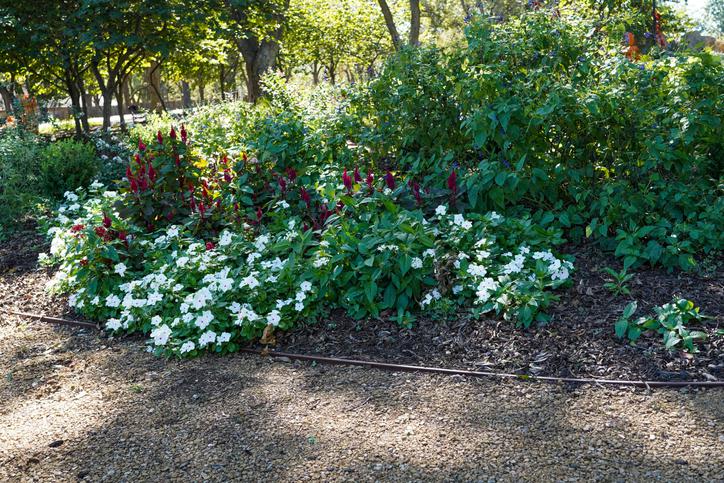
Gardening season is upon us. Summer heat can make keeping a yard green and lush feel like a full-time job, and for many homeowners, the water bill that comes with it is a rude awakening. If you are looking for a smarter way to maintain a beautiful outdoor space without watching your water usage skyrocket, xeriscaping is worth a serious look.
Applying xeriscaping principles can substantially reduce outdoor water use, but the actual savings depend on your climate, plant choices, irrigation system, and the condition of your existing landscape. Other potential benefits include less mowing, reduced need for fertilizers and weed-control products, and lower maintenance once plants are established. Whether you are starting fresh or gradually converting an existing landscape, this guide covers what you need to know to get started.
What Is Xeriscaping?
The word "xeriscape" comes from the Greek word "xeros," meaning dry, combined with the word landscaping. Coined in Colorado in 1980, it refers to a landscaping philosophy that works in harmony with your local climate rather than against it. The goal is to create an attractive, functional yard that uses drought-tolerant and native plants, smart design, and efficient irrigation to minimize the need for supplemental watering.
Despite what many people assume, a xeriscaped yard does not have to look like a dusty field of rocks and cacti. A well-designed xeriscape can be every bit as colorful and inviting as a traditional lawn, filled with flowering plants, ornamental grasses, shrubs, and groundcovers that thrive with minimal care. The key difference is that the plants are chosen and arranged to work with your natural environment rather than demanding constant intervention to survive in it.
The Seven Principles of Xeriscaping
Most xeriscaping guides are built around seven core principles. Applying all of them together is what makes the approach so effective at reducing both water use and maintenance.
1. Planning and Design
Before you dig anything up or buy a single plant, map out your yard and take stock of what you have. Note areas of full sun, partial shade, and deep shade. Identify slopes where water runs off quickly and low spots where it tends to pool. Group areas by how much water they will need. This planning phase is what separates a thoughtful xeriscape from a patchwork of drought-tolerant plants that still manage to waste water.
2. Soil Improvement
Healthy soil supports a water-efficient garden, but amendments should match the soil and the plants you plan to grow. Sandy soils drain quickly, while compacted or clay-rich soils may absorb water slowly and create runoff if irrigation is applied too fast. A soil test can help determine whether compost or another amendment is appropriate. Avoid routinely adding sand to clay soil, because the mixture can become dense and difficult for roots and water to penetrate.
3. Appropriate Plant Selection
This is where xeriscaping really shines. Choosing plants that are native to your region or naturally adapted to similar climates means they can thrive on the water your local environment naturally provides. Native plants are already acclimated to local temperature extremes, soil conditions, and rainfall patterns, which makes them dramatically more resilient than non-native species that need constant coaxing. Talk to your local nursery or county extension office for region-specific recommendations.
4. Practical Lawn Areas
Turfgrass is one of the biggest consumers of water and maintenance in a traditional yard. Xeriscaping does not require you to eliminate your lawn entirely, but it does encourage you to minimize it. Consider replacing large sections of turf with groundcovers, ornamental grasses, native perennials, or hardscaping elements like gravel paths and patios. Where you do keep lawn, choose drought-tolerant grass varieties suited to your region.
5. Efficient Irrigation
When irrigation is needed, especially while new plants are becoming established, apply only the amount the plants and soil can absorb. Drip irrigation and soaker hoses can deliver water directly to the root zone when they are designed and maintained correctly. If you use sprinklers, water during the cooler part of the day and follow local watering rules and utility guidance. Avoid watering during windy or very hot conditions, use cycle-and-soak scheduling on slopes or clay-rich soils, and install a rain or soil-moisture shutoff where appropriate.
6. Mulching
Mulch is one of the most powerful tools in a xeriscaper's kit. A two-to-four-inch layer of organic mulch around your plants keeps the soil cooler, slows evaporation dramatically, suppresses weed growth, and gradually improves soil health as it breaks down. Bark chips, shredded leaves, and wood mulch are all effective. Inorganic mulches like gravel or decomposed granite work well in more arid designs and do not need to be replaced as frequently.
7. Appropriate Maintenance
One of the biggest selling points of xeriscaping is that it is genuinely low maintenance once established. That said, periodic attention keeps it looking its best. Prune plants to maintain healthy airflow, pull weeds before they spread and compete for water, check irrigation systems at the start of each season for leaks or clogged emitters, and replenish mulch as needed.
Water Zones: How to Group Your Plants
One of the most practical planning strategies in xeriscaping is dividing your yard into water use zones. The concept is simple: group plants with similar water needs together so your irrigation can be targeted and efficient rather than applied broadly across the whole yard.
A common approach uses three zones. The high-water zone is kept small and placed where higher-water plants are most useful or visible, such as near an entry or patio. The moderate-water zone includes plants that need occasional supplemental watering but can tolerate dry periods. The low-water zone uses drought-adapted plants that may need little supplemental irrigation after establishment. Even drought-tolerant and native plants usually need regular watering while their root systems develop, and some may still need supplemental water during extended heat or drought.
This zoning approach eliminates the inefficiency of watering everything equally and lets you concentrate your effort and resources where they make the most difference.
The Plumbing Connection: Outdoor Water Efficiency
Xeriscaping addresses how much water your yard needs, but making sure that water is delivered efficiently from your home's plumbing is equally important. Leaky outdoor faucets, worn hose connections, and poorly calibrated sprinkler systems can waste enormous amounts of water even in the most carefully planned xeriscape.
If you notice outdoor plumbing issues like dripping spigots, inconsistent water pressure at your hose bib, or wet spots in the yard that appear when your irrigation is not running, those are signs worth investigating. A plumbing inspection can identify leaks and inefficiencies that undermine your conservation efforts and quietly drive up your water bill.
If your irrigation water has high mineral or salt levels, testing the water can help you choose suitable plants and protect the irrigation system. Dissolved minerals can build up in small drip emitters, while excess salts can damage salt-sensitive plants and accumulate in soil. A water-quality professional or local extension office can help interpret test results and recommend filtration, maintenance, or treatment when needed.
Getting Started: Resources and Next Steps
There are a number of resources available online to learn more about xeriscaping and get tips on choosing plants for various areas of the country. Check out the information and advice on Sustainablesources.com, Eartheasy.com, and the Colorado State University Extension website for more region-specific ideas and plant lists.
A few practical starting points to keep in mind as you plan:
- Start small if the idea of a full yard conversion feels overwhelming. Converting one section of lawn at a time is a perfectly valid approach and lets you learn as you go.
- Autumn and spring are the best seasons to plant in most climate zones, as cooler temperatures reduce transplant stress and give roots time to establish before summer heat arrives.
- Check with your local government about turf replacement rebate programs. Some states and municipalities, particularly in drought-prone regions, offer financial incentives for homeowners who replace traditional lawns with water-wise landscaping.
- If you are unsure which plants are native or best adapted to your specific region, your local county extension office is an excellent free resource.
Let Benjamin Franklin Plumbing Help You Save Water
Xeriscaping is one of the smartest investments you can make in your home's long-term water efficiency. Paired with a well-maintained outdoor plumbing system, it can significantly reduce your monthly water bills and the amount of time you spend maintaining your yard.
If outdoor plumbing problems are standing between you and a more water-efficient home, the team at Benjamin Franklin Plumbing is ready to help. From fixing leaking pipes to installing water-saving fixtures, our licensed plumbers can make sure your home's plumbing is working as efficiently as your xeriscape.
Call us anytime at (844) 719-1607 or book an appointment online to get started. You can also find a location near you to connect with your local team today.















 Your Privacy Choices