
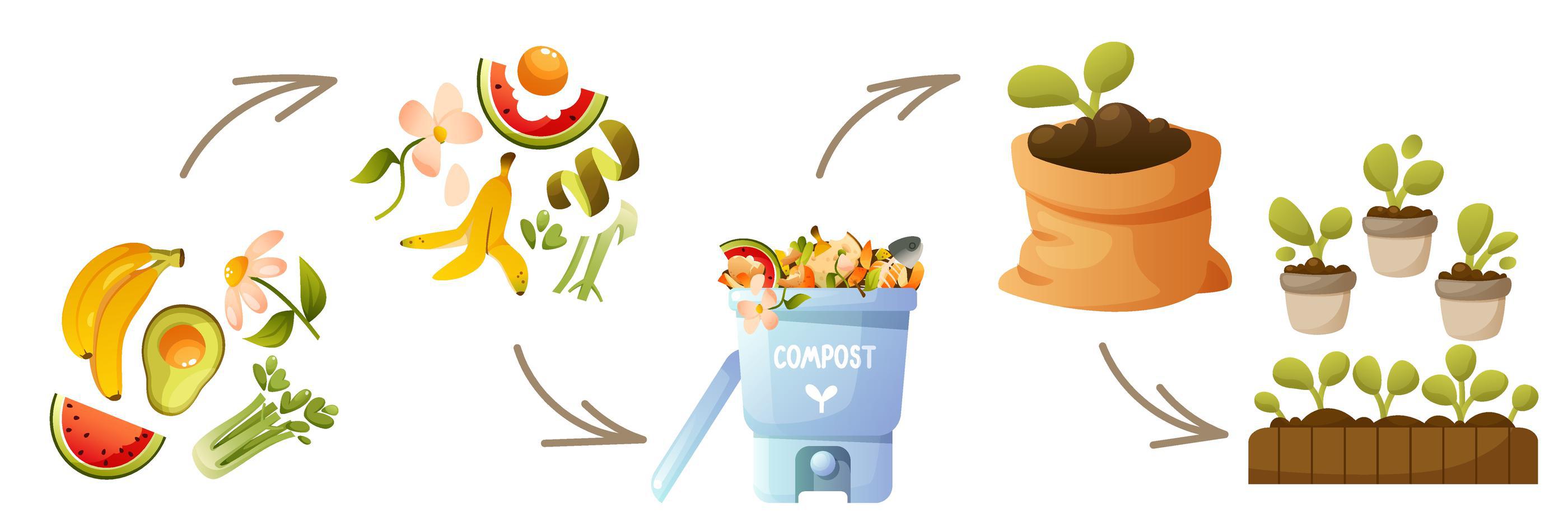
Here's a novel idea for people into sustainable living: How about installing a bio-digestor in your plumbing? A bio-digestor will collect all the waste from your kitchen and bathroom alike and transform it into two useful substances: compost for the garden and methane gas for your appliances. That's about as good as it gets when it comes to reducing, reusing, and recycling. Read on to learn more about these devices and how you can put them to work in your home.
What Is a Bio-Digestor?
A bio-digestor is basically a personal sewage treatment plant. It's installed in place of a septic tank, so it collects all the food scraps, human waste, and all the other solid matter that gets flushed down the pipes in your house. Instead of simply filling up a tank until you need to have it pumped out, however, the bio-digestor takes all that waste and transforms it into useful material.
The process works because bio-digestors let air flow into the waste, which allows aerobic bacteria to break down the sewage into less offensive and more useful forms. A good bio-digestor can transform waste to the point where it can be safely discharged into the environment. A conservation-minded homeowner, though, will take full advantage of the materials it produces and put them to good use rather than letting them go to waste.
What Does a Bio-Digestor Produce?
The output from a bio-digestor comes in two forms, and both offer real, practical value for your home and property.
Compost for your garden. The solid byproduct of the digestion process is a rich, nutrient-dense compost that can be used to enrich the soil for the non-edible plants you grow in your yard. All those bits of food from the kitchen contain powerful nutrients that will help your garden thrive. However, because the mix contains human waste as well, you should not use it in a vegetable garden due to health and safety risks. Stick to flower beds, ornamental shrubs, lawns, and non-edible landscaping.
Methane gas for your appliances. As the waste breaks down in the bio-digestor, methane gas rises to the top and can be piped into your house to power a clothes dryer, stove, or grill. This can save you money on your fuel bill by supplementing or even replacing the gas or electricity you would otherwise purchase from the grid. This is not a DIY project. Make sure you have an expert assist with the installation if you decide to harvest gas, so you avoid potentially dangerous safety hazards. A licensed plumber experienced with residential gas lines should handle any work involving gas piping to ensure the setup is safe and up to code.
How Does a Bio-Digestor Connect to Your Plumbing?
Because a bio-digestor is installed in place of a traditional septic system, it requires professional plumbing work to integrate properly into your home's waste lines. All the drain pipes that would normally route waste to a septic tank are instead directed into the bio-digestor unit, which is typically installed underground or in a dedicated outdoor space on your property.
The installation involves modifying your existing drain and waste system, connecting the unit to your home's plumbing, and in cases where you want to harvest methane, running gas lines from the unit back into the home. This type of work requires a licensed plumber who understands both the plumbing and the local permitting requirements that apply to your area. Our team can assess your home's current setup and walk you through what a proper plumbing installation would involve before any work begins.
Bio-Digestor vs. Traditional Septic Tank
If your home already uses a septic system, you may be wondering how a bio-digestor stacks up against what you currently have. Here's a quick comparison:
A traditional septic tank separates solids from liquids and allows partially treated wastewater to drain into a leach field. It requires periodic pumping to remove the accumulated solids, typically every three to five years, depending on household size and usage. It produces no usable byproducts, and pumping and maintenance costs add up over time.
A bio-digestor, by contrast, continuously processes waste rather than simply storing it, and it produces both compost and methane gas as usable outputs. It generally requires less pumping than a conventional septic tank and can reduce your household's environmental footprint significantly. For homeowners who are already thinking about plumbing upgrades or who are building new, a bio-digestor is worth a serious look.
Pairing a Bio-Digestor with a Garbage Disposal
One of the best ways to get more out of a bio-digestor is to pair it with a garbage disposal. A disposal grinds food scraps into fine particles that travel easily through your drain pipes, which means more organic material reaches the bio-digestor to fuel the bacterial breakdown process. The more consistent and nutrient-rich the feedstock, the more compost and methane the unit can produce.
If you don't currently have a garbage disposal, or if your existing unit is old and struggling, it's worth considering an upgrade at the same time as your bio-digestor installation. Our plumbers can handle both the disposal installation and the broader plumbing work required to connect everything correctly.
Is a Bio-Digestor Right for Your Home?
Bio-digestors are popular in off-the-grid communities in developing countries and are often powered with animal manure to create enough methane gas to fuel stoves and other burning appliances. They can also provide real benefits to North American households looking for sustainability, waste elimination, and alternative energy sources.
That said, bio-digestors are not a one-size-fits-all solution. A few things to consider before moving forward:
- Property size and layout. The unit typically needs to be installed underground or in a dedicated outdoor area. Smaller urban properties may have limitations on available space.
- Local building codes. Regulations around alternative waste treatment systems vary significantly by city, county, and state. You'll need to confirm that a bio-digestor is permitted in your area and what inspections or approvals are required.
- Household waste volume. The more organic waste your household produces, the more efficiently the system will operate. Households with consistent food waste and higher occupancy tend to see the best results.
- Climate. Bacterial activity slows in cold temperatures, so homes in colder climates may see reduced output during winter months without additional insulation or heating around the unit.
A qualified plumber can help you evaluate whether your home and property are a good fit and ensure that your setup complies with all local building code regulations.
Get Expert Help from Benjamin Franklin Plumbing
If you're interested in installing a bio-digestor, don't go it alone. The plumbing, gas, and permitting considerations involved make this a project that truly calls for professional expertise. Our licensed plumbers can assess your current system, discuss the right setup for your home and property, and make sure every aspect of the installation is done safely and correctly.
Contact us to get started, or find a location near you to speak with a local plumber today. You can also call us anytime at (844) 745-5011














 Your Privacy Choices