Outdoor plumbing problems in Texas can begin with a slow hose bib drip, one soggy strip of lawn, or a yard drain that holds water longer after each storm. Those small changes matter because exterior pipes and drains often run through soil, landscaping, walls, and other areas where water can spread before the source becomes obvious.
For homeowners in Conroe, outdoor plumbing works through long periods of heat, heavy landscape use, sudden downpours, and occasional cold weather. The equipment is varied too. Hose bibs, irrigation valves, sprinkler lines, backflow components, drain inlets, underground piping, and connections at the house can all create different symptoms.
Good outdoor plumbing maintenance starts with knowing what normal looks like. A dry wall around the hose bib, evenly operating irrigation zones, firm soil, and yard drains that clear after rainfall give you a baseline for recognizing a change.
In this article, you will learn about:
- Hose bib leaks rarely stay outside for long
- Irrigation problems can waste water before the lawn shows it
- Yard drains reveal problems through the way water moves
- A careful inspection separates simple repairs from underground work
Keep reading to spot the warning signs early and understand which part of the outdoor system needs attention.
Hose bib leaks rarely stay outside for long
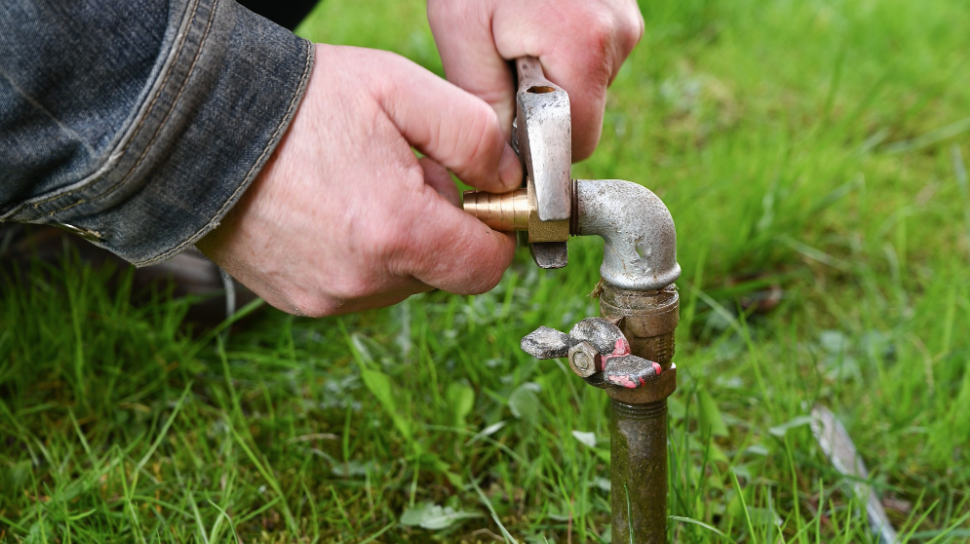
An outdoor faucet sits in plain view, but the pipe and connection behind it usually do not. Water at the spout may be a fixture repair, while moisture at the siding, brick, wall penetration, or ground below can point to a leak farther back.
Observe the faucet both while it is off and while water is running through an attached hose. Remove accessories before testing so a leaking nozzle, timer, splitter, or hose washer does not hide the condition of the hose bib itself.
A steady spout drip often starts with a worn sealing part
Water dripping from the outlet after the handle is closed commonly indicates that an internal washer, cartridge, stem, or sealing surface is no longer closing completely. Tightening the handle harder may briefly slow the drip, but excessive force can damage the stem or make the valve more difficult to repair.
Packing around the handle can leak only while the faucet is open. Vacuum breakers and threaded accessories can also release water during use. Drying the entire fixture before each test helps show whether the first drop appears at the spout, handle, accessory, or wall connection.
Do not mistake a few drops of water draining from a hose after use for a faucet that never closes. Watch the bare spout after the hose is removed and the remaining water has had time to drain. A new drop that continues forming points back to the valve.
A small drip still adds to metered household use. EPA WaterSense reports that outdoor use accounts for more than 30% of household water use nationwide, or nearly 8 billion gallons per day, and can reach 60% of household use in arid regions.
That national context does not diagnose one Texas property, but it shows why exterior losses deserve the same attention as indoor leaks. An unexplained high water bill may be the first clue when the water disappears into soil instead of a sink cabinet.
Moisture at the wall changes the urgency
Water collecting where the hose bib meets the building may come from a loose mounting point, cracked faucet body, failed threaded connection, or damaged pipe behind the exterior surface. A leak inside the wall can wet insulation, framing, sheathing, or interior finishes without producing a large exterior puddle.
Watch the area while the faucet is off, while it runs freely, and while a hose is attached. A leak that appears only when pressure builds against a nozzle or closed sprayer can indicate a connection that fails under use.
Fresh caulk around the opening may hide the symptom without repairing the pipe. Sealant is not a substitute for correcting a loose, cracked, or leaking plumbing connection, and trapped water may move toward the interior instead of draining outside.
The warning signs extend beyond visible dripping.
- The faucet moves when the handle or hose is touched.
- Siding, brick, or sealant around the penetration stays damp.
- Paint bubbles or interior drywall stains appear near the connection.
- Water runs from the wall instead of the spout.
- Soil beside the foundation remains wet when the faucet is unused.
These observations help identify the area, but they do not show how far water has traveled. Moisture can follow the pipe or wall materials before it becomes visible.
Turn off the appropriate supply if water is actively entering the wall and the shutoff can be operated safely. Targeted leak detection can help distinguish a failed hose bib from a concealed connection or pipe leak.
High pressure and poor support can shorten fixture life
A hose pulling sideways on a loose faucet places stress on the mounting point and pipe behind it. Heavy splitters, timers, and accessories can add more leverage, especially when the fixture is not firmly supported.
Water pressure matters as well. Forceful flow, banging pipes, repeated seal failures, or leaks at several fixtures may justify a system-level test for high water pressure rather than another isolated washer replacement.
Do not try to diagnose pressure by how far water sprays from an open hose. Nozzle design, hose diameter, hose length, elevation, and simultaneous water use all affect the result. A gauge reading under controlled conditions gives a plumber better evidence.
Support matters even when pressure is normal. Coiling the hose nearby, lifting it before moving across the yard, and avoiding sharp pulls reduce strain at the wall. A faucet that already moves should be inspected rather than stabilized with improvised wedges or sealant.
Seasonal habits protect the connection too. Disconnect hoses before cold weather, avoid leaving heavy accessories unsupported, and include exterior fixtures in routine leak prevention checks.
Irrigation problems can waste water before the lawn shows it
Irrigation systems contain buried supply lines, zone piping, valves, fittings, risers, and sprinkler heads. A failure in any one of them can change pressure, create runoff, or send water below the surface.
The pattern often appears only when a particular zone operates. Run zones individually when permitted and safe, then note where pressure drops, heads fail to rise, water bubbles from the soil, or runoff crosses pavement.
Soft soil and green strips can map a buried leak
A leaking irrigation line may create a soft patch, sunken area, unusually green strip, or repeated puddle along the buried route. The sign may fade between watering cycles, which makes timing important.
Do not assume every green patch is a broken pipe. Shade, grading, soil conditions, and sprinkler coverage also affect plant growth. The combination of persistent moisture, reduced zone performance, and unexpected water use makes a leak more likely.
The edges of the wet area can be informative. A narrow line may follow a lateral pipe, while water concentrated around one head may come from a riser or fitting. Surface patterns guide testing, but water can migrate underground and appear away from the break.
Use a simple observation sequence before digging.
- Turn off hoses and unrelated outdoor water use.
- Run one irrigation zone at a time if the system can be operated safely.
- Note weak heads, bubbling soil, runoff, and delayed pooling.
- Mark the wet area without driving stakes into the ground.
- Record whether meter activity changes when irrigation stops.
This sequence helps connect the symptom to one zone, but it does not identify the exact pipe depth or safe excavation area. Underground utilities and nearby lines make blind digging risky.
Persistent wet soil away from sprinkler heads may involve an underground water-line leak rather than irrigation alone. A plumber can isolate systems and test which line is losing water.
Uneven sprinkler performance is not always a broken pipe
One weak head may be clogged, damaged, tilted, or set too low. An entire weak zone can point toward a valve problem, supply restriction, broken fitting, or leak that reduces available flow.
Mixed spray patterns and mismatched nozzles can also create dry areas beside oversaturated ones. Water may be available, but poor distribution sends too much to pavement and too little to the intended landscape.
Compare heads within the same zone rather than across the entire property. One head that sputters beside several normal heads suggests a local issue. Several weak heads that rise and fall together point toward a shared valve, restriction, or water-loss problem.
EPA WaterSense estimates that replacing older sprinkler bodies with pressure-regulating models can save an average home more than 5,600 gallons per year. The figure applies to qualifying equipment under the program, not to every irrigation repair.
Pressure regulation at sprinkler bodies addresses misting and uneven delivery at the head. It will not repair a cracked underground line, stuck zone valve, or connection that is releasing water below grade.
Controller settings can mimic a plumbing failure
Too many start times, overlapping programs, incorrect seasonal settings, and watering after rainfall can create puddles even when the piping is intact. A controller problem changes when and how long water runs, while a pipe or valve failure changes where the water goes.
Check the programmed days, start times, zone duration, rain sensor, and recent manual changes before assuming the yard needs excavation. Document the settings before adjusting them so the original pattern can be reviewed.
A valve that fails to close can keep one zone seeping even when the controller appears off. Look for heads that remain damp long after the scheduled cycle ends. The controller sends the instruction, but the valve and piping still have to respond correctly.
According to EPA WaterSense, replacing a standard clock-based controller with a labeled weather-based model can save an average home nearly 7,600 gallons of water annually. Smart scheduling can reduce unnecessary irrigation, but it cannot compensate for leaking valves, broken fittings, or damaged heads.
Irrigation demand is easier to evaluate when other exterior use is controlled. Practical outdoor plumbing habits include checking hose connections, coordinating watering times, and watching for runoff before it becomes routine.
Yard drains reveal problems through the way water moves
Yard drains manage surface water, not pressurized household supply. They depend on open inlets, a clear pipe, adequate slope, a usable outlet, and grading that directs water toward the drain.
Standing water can result from a clogged inlet, blocked pipe, crushed section, root intrusion, overwhelmed capacity, poor grading, or saturated ground. The location and timing of the ponding provide better clues than water depth alone.
The puddle location points toward the next inspection step
Water that pools around a drain inlet may indicate debris on the grate, a blockage just inside the pipe, or grading that leaves a low spot beside the opening. Water surfacing farther along the route may suggest a damaged or separated underground section.
Observe where water enters, how long it takes to recede, and whether the outlet discharges. Do not place hands or tools into a drain during a storm, and never enter a flooded area where electrical or sanitation hazards may be present.
Leaves, mulch, roof debris, grass clippings, soil, and sediment can cover an inlet gradually. Removing loose surface debris is different from pushing a tool deep into an unknown pipe, where it can damage the line or become stuck.
The outlet deserves the same attention as the inlet. A clear grate cannot move water through a blocked discharge point. If the outlet is known and safely accessible, note whether it releases water during the same period that the inlet is ponding.
When water remains after the inlet is clear, professional yard drain service can determine whether the restriction is local or farther along the drain route.
A slow yard drain is different from a sewer backup
Yard drainage and sanitary sewer piping serve different purposes. A yard drain collects rain and surface water, while a sanitary line carries wastewater from plumbing fixtures.
Odor, wastewater, indoor drain changes, or sewage at a cleanout should not be treated as ordinary stormwater ponding. Those signs may require a separate sewer repair evaluation.
The distinction affects how the system is inspected and cleaned. Sending the wrong equipment or treatment into an unidentified pipe can damage components or create a health hazard.
Color and odor alone should not be used to declare water sanitary. If ponding contains wastewater, toilet paper, strong sewage odor, or material returning from a cleanout, keep people and pets away and arrange appropriate service.
If multiple indoor drains slow at the same time, the problem extends beyond an exterior grate covered with leaves. A professional plumbing drain evaluation can separate fixture, branch, sewer, and stormwater symptoms.
Heavy rain exposes weaknesses that dry weather hides
A partially blocked yard drain may appear normal during light watering but fail during a downpour. Intense inflow can reveal restricted capacity, poor grading, an obstructed outlet, or a damaged pipe that cannot move water fast enough.
Not every overwhelmed drain is clogged. A system may be clear but unable to accept the volume directed toward it, especially after changes to roofs, patios, walkways, or landscaping. Capacity and grading questions may require drainage design expertise in addition to pipe cleaning.
Inspect the property after rainfall only when conditions are safe. Note water direction, inlet performance, overflow points, erosion, and how long ponding remains after the rain stops.
The most useful observations include several parts of the drainage path.
- Roof runoff reaches the intended discharge area.
- Downspouts and extensions remain connected.
- Drain grates are visible and free of surface debris.
- Water moves toward inlets instead of the foundation.
- Outlets are open and do not send water toward neighboring structures.
These checks show how the surface system behaves as a whole. One clean grate cannot compensate for a blocked outlet or a low area that directs water away from the drain.
Do not wait for severe flooding to document recurring ponding. Photos taken from a safe location during and after rainfall can help a plumber or drainage professional understand the volume and direction of water.
A careful inspection separates simple repairs from underground work
Outdoor plumbing symptoms overlap. Wet soil can come from irrigation, a water-service line, a hose bib connection, or drainage that has nowhere to go. Low sprinkler pressure can come from a leak, clogged head, valve issue, or controller setting.
Diagnosis should isolate one system at a time and connect the repair to evidence. That approach reduces unnecessary digging and avoids replacing a visible component while a concealed failure continues.
Safe homeowner checks create a useful symptom map
Homeowners can inspect visible components, remove loose debris from accessible grates, photograph wet areas, and record when symptoms appear. These steps create a timeline without opening pressurized piping or excavating near utilities.
Check meter behavior only after confirming that toilets, appliances, treatment equipment, irrigation, and every known fixture are off. Meter movement shows that water is passing through, but it does not identify which pipe or component is responsible.
Photos become more useful when they include a fixed reference point and the same view over time. Label irrigation zones, mark when the controller ran, and record recent rainfall so the technician can connect the visual change to a specific event.
Before scheduling service, gather a concise set of details.
- The first date the problem appeared.
- Whether it occurs constantly, during irrigation, or after rain.
- Which irrigation zone or hose bib is involved.
- Whether water use or the bill changed unexpectedly.
- Any recent landscaping, fence, utility, or plumbing work.
This information helps the technician plan the inspection. It also reduces reliance on a dry-day snapshot when the symptom happens only under specific conditions.
Avoid probing the soil, cutting roots, opening backflow components, or forcing corroded valves. A licensed plumber can determine which parts fall within the plumbing system and which require coordination with irrigation or drainage specialists.
Professional testing follows the water path
The service visit begins with the symptom pattern, visible conditions, fixture operation, and meter or pressure observations. The plumber may isolate branches, operate specific zones, test pressure, inspect valves, or use locating methods appropriate to the suspected line.
A structured plumbing diagnosis should answer where the water is coming from, when the failure occurs, and which component needs repair. The proposed work should follow those findings.
No single test solves every exterior problem. Pressure readings help with pressurized supply, zone isolation helps with irrigation, and flow observations help with gravity drains. The technician should choose the method that matches the system instead of applying one tool to every wet spot.
Repair paths vary with the confirmed cause.
- Rebuild or replace a leaking hose bib.
- Secure or repair the connection behind an exterior wall.
- Repair a broken irrigation fitting, valve, riser, or line section.
- Correct a clogged or damaged yard drain segment.
- Address abnormal pressure that contributes to repeated failures.
The plumber should retest the affected system after the repair. A dry hose bib under no demand is not enough if the original leak appeared only with a closed nozzle, and one operating sprinkler head does not prove the entire zone is sound.
When symptoms involve several systems, dependable residential plumbing service helps establish which repair belongs first and whether another trade should address grading, irrigation design, or landscape restoration.
Seasonal maintenance reduces surprises without promising perfection
No maintenance plan prevents every buried pipe break, root intrusion, storm, or component failure. Regular checks still make it easier to catch drips, loose fixtures, controller errors, blocked grates, and soft soil before they become routine property damage.
Prepare exterior plumbing for changing demand, not only for one season. A seasonal plumbing check can account for heavier irrigation and hose use, while cold-weather preparation should include disconnecting hoses and protecting exposed components as appropriate.
Recheck the exterior after landscaping, fence installation, utility work, major storms, or an unusually hard freeze. A new symptom following one of these events gives the plumber a more useful starting point than the home's age alone.
Build the inspection around a repeatable rhythm.
- Walk the exterior and check hose bibs, wall penetrations, and visible piping.
- Run irrigation zones separately and record uneven performance.
- Clear loose surface debris from yard drain grates and outlets.
- Review controller settings after weather or schedule changes.
- Compare current conditions with earlier photos and water use.
This routine is useful because it creates a baseline, not because every finding needs immediate replacement. A stable stain from an old repair is different from fresh moisture that expands between checks.
A plumbing membership may make recurring inspections easier to schedule, depending on the plan's scope. Active leaks, sewage, or water entering a wall still require prompt attention rather than waiting for routine maintenance.
Conclusion
Hose bibs, irrigation lines, and yard drains fail in different ways, but each problem leaves a pattern. The timing, water location, meter behavior, irrigation zone, and response after rainfall help narrow down what needs inspection.
Small exterior symptoms deserve attention because water can travel through soil and building materials before damage becomes obvious. Safe observations are useful, but forcing valves, opening protected components, or digging near buried utilities can make the situation worse.
Benjamin Franklin Plumbing can evaluate exterior plumbing symptoms, isolate pressurized water leaks, test system conditions, and explain which repair fits the findings at your property.
For professional outdoor plumbing support and ongoing maintenance options, visit the Benjamin Franklin Plumbing Club Membership Program.

 Your Privacy Choices