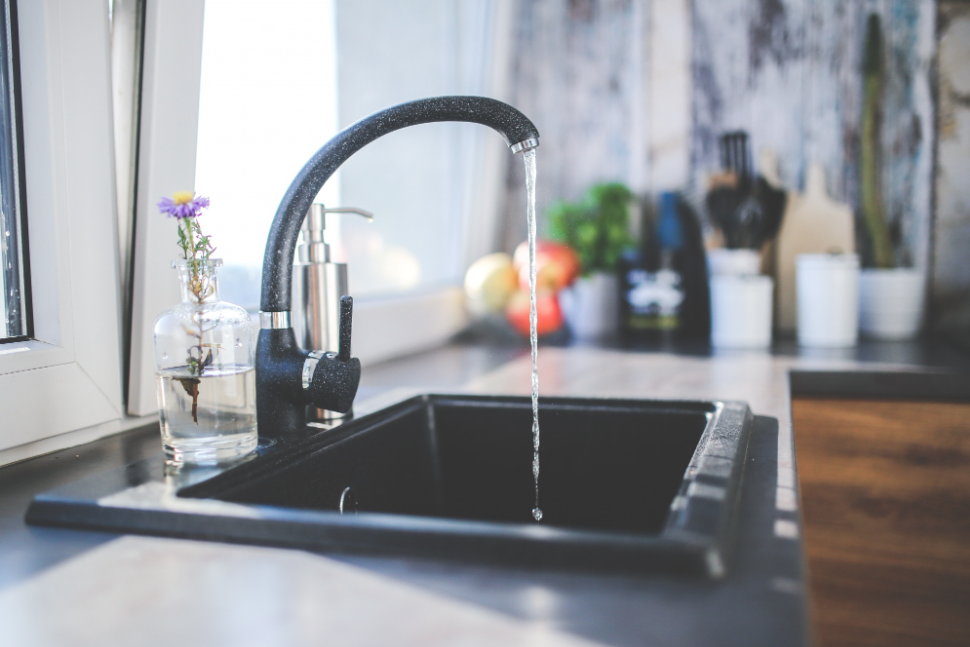
Low water pressure in Conroe, TX can show up as a shower that barely rinses, a washing machine that fills too slowly, or a faucet that fades as soon as someone uses water elsewhere. Sometimes the fix is as simple as clearing a clogged aerator. Other times, weak flow is the first visible sign of a failing pressure regulator, restricted pipe, or hidden leak.
The fastest way to narrow down the cause is to pay attention to the pattern. Is one faucet weak or every fixture? Did the change happen overnight or build gradually? Does it affect hot water, cold water, or both? Those answers tell a plumber where to begin and can prevent unnecessary repairs.
You can safely make several observations before booking service, but pressure problems should not be diagnosed by guesswork. A thorough plumbing diagnosis compares fixtures, measures the incoming pressure, checks how the system behaves under demand, and looks for water loss that may not be visible.
In this article, you will learn about:
- Is it low water pressure or just one clogged fixture?
- Why did the whole house suddenly lose water pressure?
- Can you troubleshoot weak water pressure yourself?
- How does a plumber find the real cause of low water pressure?
- What do Conroe homeowners ask about water pressure problems?
Keep reading to recognize the pattern, avoid risky DIY adjustments, and get the right part of your plumbing system tested.
Is it low water pressure or just one clogged fixture?
Not every weak stream means the entire home has a pressure problem. Homeowners often use "water pressure" to describe how forcefully water leaves a fixture, but the experience at the faucet is also affected by the fixture's flow rate, small openings, mineral deposits, and debris.
Start with comparison, not disassembly. Check another fixture in the same room, then one farther away. Test hot and cold water separately. A problem that stays with one outlet usually has a more localized cause than weak flow throughout the house.
Why is only one faucet running slowly?
When every other fixture works normally, the affected faucet may have a clogged aerator, restricted cartridge, kinked supply tube, or partly closed stop valve. Debris sometimes appears after nearby plumbing work or a temporary interruption in the water supply.
Remove an aerator only if the manufacturer designed it for easy cleaning and you can do so without damaging the finish. If the screen clogs again soon, treat that recurrence as useful evidence. Repeated debris may point to a deteriorating component or buildup elsewhere rather than a one-time dirty screen.
Why does my shower lose pressure when another faucet turns on?
A small change can be normal when two fixtures share the available supply. A dramatic drop, however, may mean the plumbing cannot deliver enough water under demand because of a restricted pipe, partly closed valve, malfunctioning regulator, or leak.
Fixture design matters too. The U.S. Environmental Protection Agency limits WaterSense-labeled showerheads to no more than 2.0 gallons per minute, compared with 2.5 gallons per minute for standard showerheads. That efficiency rating can change how a shower feels, but it does not explain a sudden decline from the shower's usual performance.
Why is the hot water pressure low when cold water is fine?
If cold flow remains strong at the same faucet, the problem is probably not the incoming municipal supply. A restricted hot-side valve, faucet cartridge, supply connector, or issue along the hot-water piping may be limiting delivery.
Low hot-water flow is also different from sudden temperature changes in the shower. One describes how much water reaches you, while the other describes how consistently the system controls temperature. A plumber may test both when the symptoms occur together.
Could a slow drain make the faucet pressure seem weak?
A slow drain and a weak faucet can happen at the same sink, but they involve different sides of the plumbing system. Water pressure concerns the supply bringing water to the fixture. A drainage problem affects how wastewater leaves it.
If water arrives normally but collects in the basin, the problem is more likely to require drain repair than a pressure adjustment. Making that distinction keeps drain cleaners and supply-side repairs from being used for the wrong symptom.
Why did the whole house suddenly lose water pressure?
Weak flow at every sink, shower, toilet, and appliance shifts the investigation toward a shared component. The cause may be inside the home, along the service line, or on the public supply side.
Timing provides another clue. A sudden change after plumbing work suggests a valve position or debris issue. A gradual decline may fit accumulating scale, corrosion, or a regulator that is losing performance. A change accompanied by unexplained water use raises concern about leakage.
Could a city water issue be causing low pressure?
Utility maintenance, a water-main problem, hydrant use, or an emergency can temporarily affect more than one property. If the entire house changed at once, check official utility notices and ask a nearby neighbor whether the same problem began at the same time.
A neighborhood symptom does not automatically clear your home's plumbing. If nearby service returns to normal but yours does not, the restriction may still be between the meter and your fixtures. A local evaluation in Conroe can document what pressure reaches the property and what happens after water enters the home.
Is the main shutoff valve partly closed?
A main valve that was not fully reopened after service can restrict the entire house. The handle position may offer a clue, but an old or damaged valve can fail internally even when it appears open.
Do not force a stuck, corroded, or leaking valve. Turning it aggressively can create an active leak or leave the home without a reliable shutoff. A plumber can verify whether the valve is passing water correctly and replace it if necessary.
Is the water pressure regulator failing?
Some homes use a pressure-reducing valve to control incoming pressure. A failing regulator can cause pressure that is too low, too high, or inconsistent from one moment to the next.
Adjustment should follow a gauge test, not a turn of the screw based on how the shower feels. Setting pressure without knowing the incoming and downstream readings can stress fixtures and pipes. Homes that alternate between weak and forceful flow may also need evaluation for high water pressure.
Could a hidden leak be stealing water pressure?
Yes, a significant leak can divert water before it reaches your fixtures. Low pressure alone does not prove a leak, but the combination of weak flow, meter activity, moisture, and higher water use deserves prompt attention.
The EPA estimates that average household leaks waste nearly 10,000 gallons each year. It also reports that 10% of homes have leaks wasting at least 90 gallons per day. Look for a pattern instead of waiting for one dramatic sign.
- The water meter changes while every known fixture and water-using appliance is off.
- Your bill rises without more guests, irrigation, or another clear change in use.
- A wall, cabinet, ceiling, or floor develops a stain, soft spot, or musty odor.
- One area of the floor feels unusually warm, damp, or cool.
- The yard develops pooling, a depression, or a strip of unusually green growth.
These clues can show that water is going somewhere it should not, but they cannot pinpoint the break. Water may travel along framing, flooring, soil, or a utility trench before becoming visible.
Targeted leak detection can narrow the search before large areas are disturbed. Warm flooring, foundation-area moisture, and running-water sounds may also be slab leak warning signs that require specialized testing.
What if the pressure has been getting weaker for months?
A slow decline often points toward increasing resistance in the system. Mineral scale, corrosion, aging valves, a clogged treatment device, or a narrowing section of pipe can reduce delivery more noticeably over time.
Underground piping can develop both restrictions and leaks. Persistent wet soil, meter movement, or a soft area near the water-service path may indicate an underground water-line leak rather than a fixture problem inside the house.
Can you troubleshoot weak water pressure yourself?
You can collect useful evidence without taking apart the plumbing system. The goal is to describe the scope and timing of the problem, not to make a high-risk repair without measurements.
Limit DIY checks to accessible fixtures, visible leaks, utility notices, and meter observations that follow the utility's instructions. Leave pressure-regulator adjustment, water-heater work, excavation, and concealed piping to a qualified professional.
How can I test the pattern without a pressure gauge?
Use the same fixtures in the same order so your comparison means something. Make sure irrigation, washing machines, dishwashers, and other water-using equipment are not starting in the middle of the test.
Write down the results instead of relying on memory. A short record helps reveal whether the issue follows one fixture, one branch, hot water, or whole-house demand.
- Run cold water at one faucet and note the strength of the stream.
- Test hot water at that same faucet after the temperature stabilizes.
- Repeat the comparison in another room.
- Open a second fixture and note whether the first stream drops sharply.
- Repeat at a different time if the problem comes and goes.
This check does not produce a pressure reading, but it gives a plumber a useful map of the symptoms. Mention whether the change is sudden, gradual, constant, or tied to another fixture.
If the entire house weakens under modest demand, stop buying replacement aerators. The next step should be measured testing of the shared supply, valves, and regulator.
What can the water meter tell me?
First confirm that faucets, toilets, irrigation, ice makers, water treatment equipment, and appliances are not using water. Then follow your utility's instructions for reading the meter. Continued movement can indicate water is passing through the system, but it does not reveal the leak location.
Compare the observation with your recent usage history. An unexplained high water bill is especially relevant when it appears with weak pressure, damp materials, or wet soil.
Should I clean the aerator or replace the fixture?
Cleaning a removable aerator is reasonable when one faucet is affected and the component is designed for homeowner access. Protect the finish, keep track of the parts, and follow the fixture manufacturer's guidance.
Do not assume a lower flow rate means a defect. EPA WaterSense caps qualifying bathroom faucets and aerators at 1.5 gallons per minute, at least 30% below the standard flow of 2.2 gallons per minute. The agency estimates that replacing inefficient bathroom fixtures can save an average family about 700 gallons per year.
When should I stop troubleshooting and call a plumber?
Stop when the problem affects the whole house, a valve will not move safely, the meter indicates unexplained use, or moisture appears near walls, floors, cabinets, or the foundation. A sudden severe loss of pressure also deserves professional attention.
The following combinations are stronger warning signs than weak flow by itself.
- Low pressure and unexplained meter movement.
- Low pressure and a sudden increase in water use.
- Low pressure and water stains, warm flooring, or damp soil.
- Pressure that switches between unusually weak and unusually forceful.
- Weak hot water throughout the home while cold flow remains normal.
These patterns involve shared components or possible water loss, so replacing a faucet is unlikely to solve them. Shut off water if an active leak is causing damage and you can do so safely.
For urgent or widespread symptoms, a local plumber can test the system and explain whether the issue is at a fixture, inside the home, underground, or upstream of the property.
How does a plumber find the real cause of low water pressure?
A good diagnosis follows the water path. The plumber compares what enters the property with what reaches fixtures, then tests the points where flow or pressure may be lost.
That sequence matters because two homes with the same weak shower can need completely different repairs. One may have a clogged cartridge. Another may have a regulator problem or service-line leak.
What do pressure readings actually reveal?
The plumber may measure static pressure when no water is running and compare it with pressure under demand. A major change when fixtures open can point toward a restriction, inadequate delivery, or a component that cannot maintain performance as flow increases.
Testing may continue at an exterior connection, interior fixture, hot-water branch, or other accessible point. A professional plumbing evaluation ties the recommendation to observed system behavior.
How does a plumber look for a leak that cannot be seen?
The method depends on the suspected location, pipe material, property layout, and evidence already available. A plumber may isolate sections, compare meter behavior, inspect accessible piping, and use specialized locating equipment when appropriate.
The goal is to narrow the area before opening finished surfaces or digging. Recent outdoor plumbing maintenance can reveal changes to irrigation lines, hose connections, and exterior fixtures that help focus the inspection.
Will the plumber repair a fixture, regulator, or pipe?
The test results should determine the repair. A local restriction may call for a cartridge, supply tube, valve, aerator, or showerhead service. Whole-house symptoms may require work on the main shutoff, pressure regulator, water-treatment equipment, service line, or restricted piping.
Common solutions fall into several categories.
- Clear or replace a restricted fixture component.
- Repair or replace a valve that no longer opens fully.
- Adjust or replace a pressure regulator based on measured readings.
- Locate and repair a hidden supply-pipe or service-line leak.
- Replace a badly restricted or damaged section of piping.
- Document a utility-side condition and coordinate the appropriate next step.
Ask which test identified the problem and how the completed repair will be verified. The explanation should connect the recommended work to the symptoms and readings, not simply promise "better pressure."
After repair, the plumber should repeat the relevant comparison under similar demand. A brief improvement at one faucet is not enough when the original complaint affected the whole house.
Can maintenance keep low pressure from coming back?
Maintenance cannot prevent every pipe failure or utility issue, but it can catch leaks, corrosion, valve problems, and abnormal pressure sooner. Keep records of plumbing work and pay attention to changes in your home's normal fixture performance.
Summer plumbing maintenance should account for heavier irrigation and outdoor water use. Consistent leak prevention can identify small warning signs before high-use periods make them more disruptive.
What do Conroe homeowners ask about water pressure problems?
The same core questions come up because low pressure can feel unpredictable. These answers help you decide what information matters before a service visit.
Your street or neighborhood does not diagnose the plumbing by itself. Pipe layout, fixture condition, valves, regulators, previous repairs, and the location of any leak still have to be evaluated at the home.
Does living near Lake Conroe change the likely cause?
Location can affect who supplies the water and how the property is configured, but it does not replace testing. Two nearby homes can have different pressure because their valves, pipes, fixtures, regulators, and private plumbing conditions are different.
Outdoor demand can also change what you notice during warm weather. Irrigation, hose use, and other outdoor plumbing demands should be turned off before indoor fixtures are compared.
Why is my water pressure worse in the morning or evening?
Time-based changes may follow simultaneous demand inside the home, irrigation schedules, water-treatment cycles, or conditions outside the property. Record the time and what equipment was running so the pattern can be reproduced.
EPA WaterSense reports that the average American family uses more than 300 gallons of water per day at home and that roughly 70% of that use occurs indoors. High-use periods can make an existing restriction more obvious, but ordinary demand should not be used to dismiss a severe or newly developed pressure loss.
Can low water pressure damage appliances?
Low pressure can make water-using appliances fill slowly or perform poorly, depending on the equipment and the severity of the problem. Follow the appliance manufacturer's requirements instead of assuming one pressure level suits every model.
The greater concern is often the cause behind the symptom. A hidden leak, unstable regulator, or deteriorating pipe can create damage even if the first thing you notice is a slow-filling washer.
Is a plumbing membership useful for pressure problems?
Membership value depends on the specific services, inspection scope, scheduling terms, and benefits included. Review the details rather than assuming every plan covers the same tests or repairs.
A plumbing membership can make routine inspections easier to schedule, depending on the services included. An active leak or severe pressure loss still calls for timely diagnosis.
Conclusion
Low water pressure is a clue, not a diagnosis. The most useful first step is to identify whether the problem affects one fixture, one side of a faucet, one plumbing branch, or the whole house.
Simple comparisons can help, but widespread weakness, unexplained meter movement, damp materials, wet soil, or pressure that swings from low to high requires measured testing. A plumber can isolate the restriction and recommend a repair that matches the evidence.
Benjamin Franklin Plumbing can inspect your water supply, valves, fixtures, pressure regulator, and accessible piping to determine why performance has changed. You will have a clearer explanation of the cause and the appropriate next step for your home.
For professional plumbing care and ongoing maintenance options, visit the Benjamin Franklin Plumbing Club Membership Program.

 Your Privacy Choices