Leaky Faucets and Water Waste: What Every Homeowner Should Know
A dripping faucet may seem like a minor inconvenience, especially if the leak is slow and the sink still works as expected. Yet each drop represents treated water that required energy, chemicals, and infrastructure to deliver to your home. Small plumbing issues often carry larger consequences than they appear at first glance. In Ann Arbor, where water conservation and environmental awareness are important community values, even small inefficiencies can add up. At Benjamin Franklin Plumbing® in Ann Arbor, MI, we help homeowners understand how everyday plumbing concerns connect to broader environmental impacts.
How Much Water Does a Dripping Faucet Really Waste?
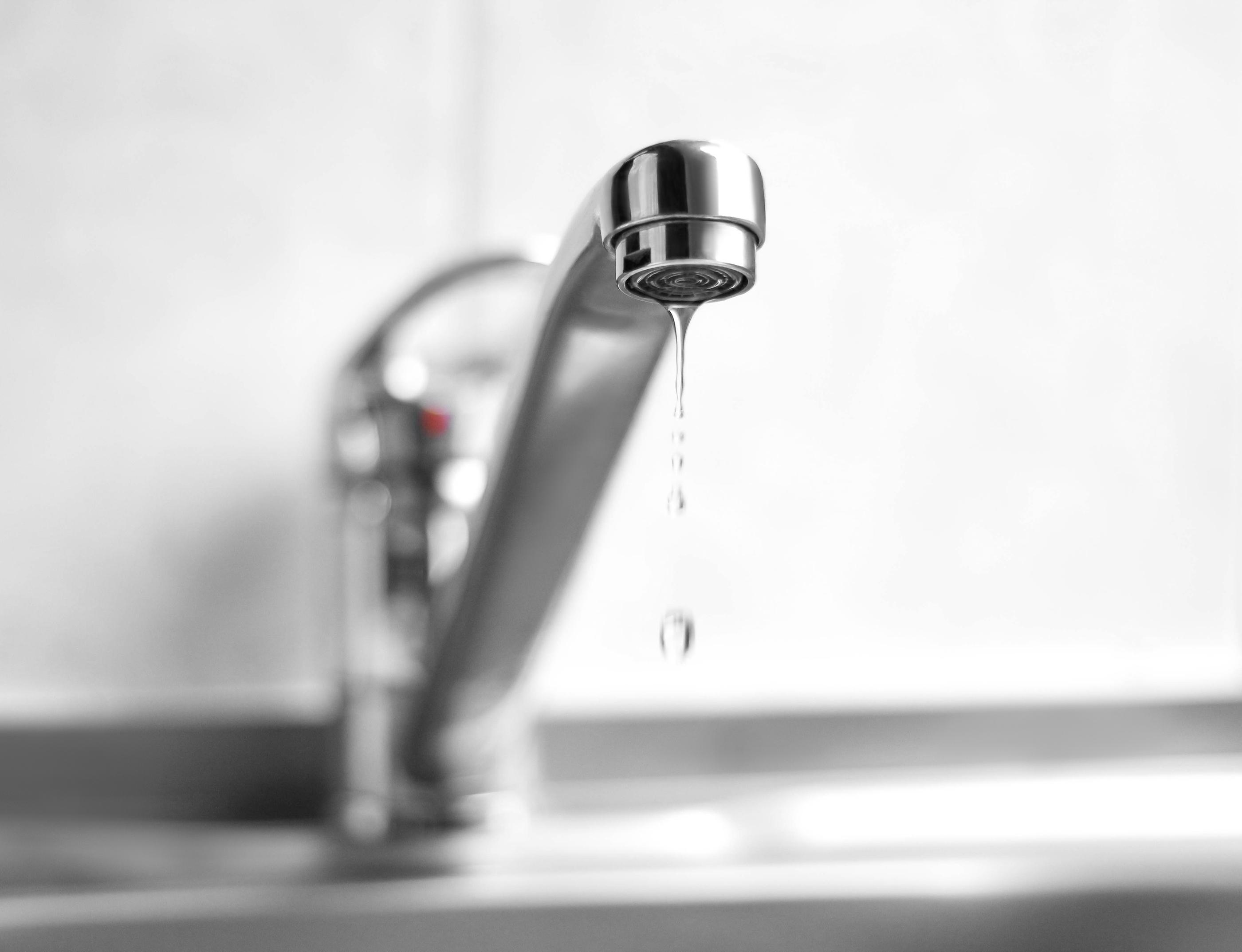
The steady rhythm of a drip can feel harmless, but the numbers tell a different story. A faucet that leaks once per second can waste thousands of gallons of water in a year. That is water that has already been pumped, filtered, disinfected, and transported through municipal systems before reaching your sink.
Even slower leaks add up over time. What feels like a minor trickle can translate into hundreds of gallons lost each month. When multiplied across households, the environmental impact becomes significant. The waste extends beyond your utility bill. Every gallon lost increases demand on water treatment systems and local water supplies.
Why Does Water Waste Matter Environmentally?
Freshwater resources must be carefully managed, even in regions like Michigan that are surrounded by the Great Lakes. Treated water still requires energy and infrastructure to deliver safely to homes. When that water is wasted, more must be processed and distributed to meet demand.
Water treatment and distribution systems rely on electricity to pump, filter, and move water. Wastewater facilities must also process everything that enters the sewer system. A leaking faucet contributes to both sides of that cycle, increasing energy use, chemical treatment needs, and overall system demand.
Reducing unnecessary water waste helps support long-term sustainability and reduces strain on municipal infrastructure.
How Leaky Faucets Affect Local Water Supplies and Ecosystems
Water used in your home comes from managed sources that support both communities and natural ecosystems. In Ann Arbor, water is drawn from local sources and treated before distribution. When treated water is wasted through leaks, additional withdrawals are required to meet demand.
While a single faucet may seem insignificant, cumulative waste across a community can influence how water resources are managed. Maintaining balanced water use helps protect aquatic ecosystems, maintain stable water levels, and support long-term resource planning.
Fixing a leaking faucet is a simple way to reduce strain on shared water systems that both residents and local environments depend on.
What Energy Costs Are Tied to Leaky Faucets?
Water delivery is an energy-intensive process. Pumps move water from the source to treatment facilities and then through distribution systems into homes. When hot water leaks, the environmental impact increases further because energy was used to heat that water.
Consider the ripple effect of a leaking hot water faucet. Energy heats the water inside your water heater, that heated water escapes unused, and the system must work again to replace it. Over time, this repeated cycle increases energy consumption.
The environmental cost of a hot water leak includes:
- Increased electricity or fuel use to reheat water
- Additional strain on your water heater
- Higher emissions associated with energy production
- Greater demand on municipal water systems
How Do Small Household Leaks Affect Larger Water Systems?
Municipal water systems are designed to meet both average and peak demand. When water waste increases across many homes, overall demand rises. Treatment facilities must operate longer and pump more water to maintain supply.
Over time, increased demand can contribute to infrastructure strain and the need for system upgrades. While individual leaks may seem minor, widespread inefficiency can create measurable pressure on local systems.
What Are the Common Causes of Faucet Leaks?
Most leaky faucets result from normal wear and tear on internal components. Washers, O-rings, and cartridges degrade over time with repeated use. In some cases, mineral buildup from hard water can prevent proper sealing. High water pressure may also accelerate wear.
Recognizing early warning signs can help prevent ongoing water waste. Watch for:
- Dripping after the handle is fully turned off
- Water pooling around the base of the faucet
- Squeaking or grinding when operating the handle
- Visible corrosion on faucet components
Can Leaks Contribute to Indoor Environmental Issues?
Yes. In addition to water waste, persistent leaks can affect indoor conditions. Even slow drips under sinks can create damp environments that encourage mold growth and material deterioration.
Over time, hidden moisture can damage cabinets, flooring, and nearby surfaces. Preventing leaks helps protect both your home and indoor air quality while reducing the need for additional repairs and materials.
What Steps Can You Take to Reduce Environmental Impact?
Start by checking faucets throughout your home, including kitchens, bathrooms, laundry areas, and outdoor spigots. Pay attention to dripping sounds and monitor your water bill for unexpected increases.
Professional inspections can identify worn components and ensure fixtures are functioning properly. Addressing small issues early helps prevent ongoing waste and supports more efficient water use.
Every Drop Has an Impact
A leaking faucet represents more than a minor plumbing inconvenience. It contributes to unnecessary water use, added energy consumption, and increased demand on local systems. Services such as faucet repair, leak detection, pressure evaluation, and routine plumbing inspections all play a role in conservation.
Our team helps homeowners address plumbing issues early and maintain efficient, reliable systems. Schedule your service today and take a simple step toward reducing water waste in your home.

 Your Privacy Choices