
Key Takeaways About Whole House Water Filtration
Whole house water filtration means treating all incoming water through media to remove particles and contaminants. This summary is for homeowners and property managers deciding system size placement and maintenance timing when water quality or pressure problems appear.
- Identify peak flow and match it to media surface area requirements.
- Prevent channeling by choosing correct grain size and bed depth.
- Avoid pressure loss by sizing tanks and monitoring headloss regularly.
- Spot media breakthrough with taste odor staining and pressure tests.
- Reduce maintenance needs with pre-filters and proper backwash scheduling.
- Plan placement for access drainage and clear valve isolation during service.
Introduction
Choosing the right whole house water filtration setup often comes down to three things: media type, system size, and placement. Homeowners notice issues like cloudy water, metallic taste, and staining long before they connect those symptoms to filter choice. Sizing the media correctly affects how long a filter removes contaminants without causing pressure loss. Improper placement can spread treated water unevenly to fixtures and appliances.
Some systems use sand, carbon, or catalytic media and each reacts differently to flow and load. A tank that is too small can force more frequent backwashing and shorten media life. Placing the system near the main shutoff or water heater changes access and plumbing complexity. These choices directly affect maintenance time and the frequency of cartridge or media replacement.
Routine maintenance schedules often vary by media type and household water use patterns. Properties in Conway, SC that draw water from private wells will face different replacement rhythms than municipal customers. Tracking pressure gauge readings and visual water quality gives early warning before performance drops. A planned maintenance rhythm prevents the sudden return of odors, scale, or reduced flow.
Diagnosing whether a system needs resizing or repositioning starts with observable symptoms and basic checks. A technician inspects the inlet pressure, measures flow rates, and examines media condition during a service visit. For homeowners in Myrtle Beach, SC noticing intermittent taste or pressure loss, a professional evaluation is the safe next step. That inspection produces clear options for changing media size, swapping media types, or relocating the unit for better performance.
How Whole House Water Filtration Works Mechanically
Whole house water filtration works by forcing all incoming water through physical and chemical media to remove particles and contaminants.
Mechanically, systems start at the inlet shutoff and use a sequence of components to protect flow and pressure. Homeowners often ask if filtration causes low water pressure, a common answer is that undersized tanks or clogged media cause pressure loss. A professional inspects inlet pressure with a pressure gauge and measures flow rate to confirm whether the filter or plumbing causes the issue. Technicians also check valves, union fittings, and the condition of the media during a service visit.
- Inlet shutoff isolates the system for service.
- Pre-filters trap large sediment first.
- Main media tanks perform contaminant reduction.
- Backwash lines restore media cleanliness when needed.
- Bypasses allow plumbing work without cutting water.
Different media types require different flow management and backwash cycles to work properly. The tank size and grain or pellet size affect how long the media captures contaminants before channeling occurs. Professionals use flowmeter readings and visual inspections to decide if media is compacted or needs replacement. For Conway, SC homeowners with private wells, these checks help separate well problems from filter wear.
Cartridge systems operate differently and rely on pressure differentials across the filter to indicate service needs. A rising pressure drop measured across the cartridge warns that the element is clogged and needs replacing. During diagnosis, a technician may perform a dye test or simple water sampling to confirm media performance. If sampling shows breakthrough of contaminants, the system either needs larger media, different media type, or more frequent maintenance for Myrtle Beach, SC properties.

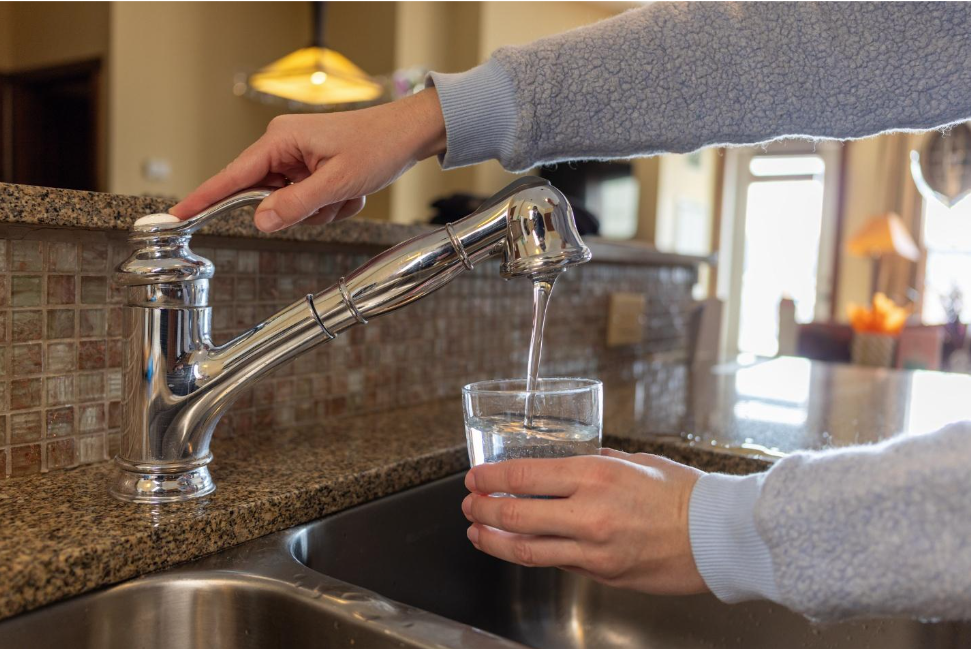
Photo from iStock - Credit: Greggory DiSalvo
Common Contaminants and How They Form
Iron and manganese commonly appear as rusty or black staining on fixtures and laundry. They form when groundwater moves through iron-bearing minerals or old pipes and oxidizes on contact with air. A simple taste or metallic odor may accompany higher levels and indicate a need for filtration that targets these metals. A technician uses a sample and basic field reagents or lab tests to confirm the metal type and concentration.
Hardness minerals like calcium and magnesium cause scale buildup on water heaters and faucets over time. These minerals precipitate when water heats or evaporates, leaving white or chalky deposits that reduce appliance efficiency. A hardness test strip or titration during an inspection gives a clear reading for system design. When levels are high, a professional may recommend a media that either removes or conditions hardness to prevent scaling.
Chlorine and chloramine from municipal disinfection often produce noticeable tastes and smells in tap water. These disinfectants form when treatment plants add chemicals to control pathogens, and they persist through the distribution system. Granular activated carbon or catalytic carbon media can reduce these compounds, but a technician will verify breakthrough with test strips or smell tests during commissioning.
Bacterial and organic contamination can create cloudiness, slime, or earthy tastes in water, especially when source water is surface-fed. These contaminants grow in warm storage or in compromised distribution lines and can pass through poorly maintained filters. Professionals check for bacterial presence using samples sent to a lab and inspect pre-filters and O-rings that may harbor biofilm.
Sizing Systems for Different Home Water Demands
Start by matching flow rate needs to media surface area and grain size to prevent channeling during peak draws. Measure typical peak flow by running multiple fixtures simultaneously and record liters per minute or gallons per minute. Professionals compare that number to the manufacturer’s recommended service flow to choose tank diameter and media depth. Correct sizing keeps pressure stable and extends time between backwashes.
Household size and appliance load drive media volume decisions because dishwashers and irrigation create short high-flow bursts. A tech will perform a flow test with a pressure gauge and stopwatch to confirm peak demands. They also inspect the pressure-reducing valve and main shutoff to ensure plumbing limits won’t mask filter restrictions. This diagnostic step clarifies whether larger media or multiple parallel tanks are necessary.
Water quality also affects media amount: higher sediment or iron loads require greater bed depth and coarser grain to avoid rapid fouling. During diagnosis, a professional often runs a turbidity check and sends a sample for iron and manganese testing to confirm loading rates. If tests show heavy particulate load, designers may add a pre-sediment tank with larger media to protect the main carbon or catalytic bed. That layered approach reduces maintenance frequency and prevents premature breakthrough.
Consider family routines and seasonal variations when sizing regenerative softeners or backwashing carbon systems to avoid frequent service trips. Technicians set regeneration cycles based on measured hardness, household water use, and available brine or backwash volumes. For properties in Conway, SC where sudden high use can occur, adding a safety margin to media volume prevents surprise pressure drops. A clear written service plan helps homeowners track when the next media check or backwash should happen.
Parallel or duplex systems can divide flow for very large demands and allow maintenance without downtime while preserving effective contact time for contaminant removal. During inspection, a pro will check valve arrangements and run a dye or pressure test to ensure equal flow distribution between tanks. For Myrtle Beach, SC homes with high irrigation or pool fills, installing two smaller tanks often works better than one oversized unit. That choice simplifies media replacement and keeps treated water available during service.
Best Placement Options for Filtration Components
Place pre-filters where they are easiest to access for routine cartridge changes and visual checks, near the main inlet but after the shutoff. Positioning a bypass valve next to the pre-filter makes service faster and avoids cutting water. For homes with private wells, a technician can add a sediment tank slightly upstream to protect finer media. In Conway, SC homeowners often prefer easy-access placement to reduce service time during busy seasons.
- Mount tanks on level pads for stable operation.
- Keep backwash drains clearly visible and accessible.
- Install pressure gauges upstream and downstream of media tanks.
- Place control valves where you can reach them safely.
Place carbon or catalytic media tanks after any softener if the softener protects media from hardness damage. Avoid locating tanks inside small closets without ventilation to reduce humidity and odor buildup. Position control heads at comfortable reach height for programming and manual regen initiation. For Myrtle Beach, SC properties near coastal humidity, ventilation helps prevent corrosion and keeps valves working longer.
When multiple tanks share flow, arrange them in parallel with accessible isolation valves for each unit to simplify repairs. Keep at least 12 inches clearance around tanks for inspection and media removal during replacement. Run visible labeled piping so a technician can trace inlet and outlet paths quickly during a diagnostic visit. Clear labeling and access reduce diagnostic time when measuring pressure with a gauge or inspecting valves.
Filtration Media Types: Their Lifespan Differences
Granular activated carbon helps reduce chlorine and unwanted tastes or odors, but its useful life depends on contaminant levels, water use, and contact time. Homeowners comparing this option can read our guide on the pros and cons of activated carbon water filtration systems in Myrtle Beach, SC. A technician can test water before and after filtration and check system pressure to determine whether the carbon media is losing effectiveness.
Kinetic degradation fluxion (catalytic) carbon lasts longer for chloramine and difficult-to-oxidize compounds because it promotes faster reactions at lower contact times. Professionals confirm catalytic carbon function by performing smell and chemical tests during commissioning and service visits. If catalytic beds load with iron or manganese, backwashing frequency increases and effective life shortens. A service tech may recommend adding a sediment trap upstream to protect catalytic media from particulate fouling.
Ion-exchange resin removes hardness and certain dissolved metals but its lifespan ties to regeneration quality and water composition. Resin beads degrade from chlorine exposure and mechanical attrition, so technicians inspect resin condition during tank opening or when pressure drops increase. A pro diagnoses resin health using hardness test strips and observing regeneration cycle efficiency during a controlled backwash. For Myrtle Beach, SC properties with seasonal high use, monitoring regeneration counts helps predict when to replace resin.
Sand, garnet, or other granular media used for sediment control wear slowly but can compact, leading to channeling and reduced capture efficiency. Professionals monitor headloss across the bed with pressure gauges and perform visual checks during media removal to detect fines and compaction. Pulse or regular backwashing restores bed porosity but cannot reverse physical breakdown of grains over many years. Technicians combine flow measurements and observed turbidity to decide when to replace granular media.
Catalytic, carbon, resin, and granular choices each present different maintenance rhythms based on water chemistry and household demand. During diagnosis, a technician will collect samples, measure pressure, and run simple field tests to confirm which media shows breakthrough. That inspection produces a written recommendation indicating expected remaining life and suggested replacement timing. Homeowners benefit from service records and pressure gauge readings to track media condition between professional visits.
Maintenance Schedules: When to Replace Media
Establish a clear maintenance interval based on measured performance rather than a fixed calendar date to avoid unnecessary media changes. Track inlet and outlet pressure with a pressure gauge during peak use to spot rising headloss early. Record turbidity and taste checks monthly to detect gradual breakthrough before odors return. For Conway, SC homeowners, these simple checks help time media replacement around seasonal usage patterns.
Different media require different inspection actions between replacements to extend useful life and keep flow steady. Check control valve cycles and backwash duration during a manual regeneration to confirm the system completes its cleaning steps. Open tank access ports occasionally to inspect resin or carbon visually for compaction, fines, or discoloration. Technicians often measure residual chlorine or hardness after service to verify restored performance.
Use a diagnosis routine when performance symptoms appear instead of replacing media immediately to save cost and avoid unnecessary waste. A professional will compare flowmeter readings, pressure drops, and simple water samples to confirm media breakthrough before recommending replacement. They may also run a dye test or take photos of media condition to include in a written service report. In Myrtle Beach, SC properties with salt exposure, inspecting seals and valve corrosion during this routine proves helpful.
Create a replacement timeline based on documented water quality, household demand, and previous replacement intervals to predict future needs. Note the number of backwashes, regeneration cycles, and any unusual events like construction or heavy sediment inflow. Plan media replacement during low-demand periods and prepare isolation valves and a bypass to keep water available while work occurs. When safety or complex diagnostics are needed, contact a professional for hands-on inspection and media handling.
Warning Signs You Need System Servicing Now
If your water suddenly smells or tastes odd after normal use, act quickly to diagnose the cause. A technician will check inlet and outlet pressure with a pressure gauge and take water samples for basic field tests. Visible discoloration or staining that appears across multiple fixtures often signals media breakthrough or channeling in the tank. For Conway, SC homeowners noticing sudden changes, arrange an inspection rather than guessing at replacement timing.
- Reduced flow at several taps can indicate headloss.
- Gurgling sounds near the treatment tank need attention.
- Persistent cloudiness after backwash suggests media wear.
- Return of metallic taste often shows contaminant breakthrough.
Frequent unexplained regenerations or shortened backwash cycles point to incorrect sizing or fouled media requiring service. A pro will record flowmeter readings during a typical peak draw to compare with original sizing specs and identify mismatches. Leaks or dampness around fittings and control heads can hide corrosion or failed seals that reduce system performance.
Pressure drops that worsen when multiple fixtures run suggest internal clogging or channeling needing immediate attention. During diagnosis, a technician will isolate the pre-filter, measure pressure differential, and inspect the main media visually when safe. If sampling shows contaminant levels above acceptable thresholds, the pro will recommend media replacement or upsizing based on measured flow and load. When in doubt, schedule professional servicing to prevent appliance damage or water quality decline.
When to Call a Professional for Filtration Help
Call a professional when basic checks leave uncertainty about the root cause of performance change. A technician will perform pressure gauge comparisons and flowmeter tests to isolate whether plumbing or media needs adjustment. They can also collect water for lab analysis when field tests cannot identify unusual contaminants. If you notice repeated performance loss after simple maintenance, schedule a pro to avoid wasted parts and time.
Contact a technician if you suspect incorrect sizing despite acceptable immediate water quality results. A pro will run simultaneous fixture flow tests and compare results to the installed media surface area and tank diameter. They may recommend upsizing, adding a parallel unit, or changing media grain to restore contact time and reduce headloss. These decisions rely on measured flow and documented demand patterns rather than guesswork.
Professional help may also be appropriate when system relocation or plumbing changes are needed to improve access. A plumber can inspect shutoffs, unions, drainage connections, and nearby plumbing before recommending a suitable location. Homeowners considering professional filtration options can also learn more about BritaPRO® water filtration services. During relocation or system upgrades, technicians can identify deteriorated fittings or valves that may need attention.
Call for service when diagnostic checks indicate media breakthrough or when sampling shows elevated contaminants requiring media change. Technicians will remove access ports, inspect media condition visually, and perform replacement or re-bed steps following safe handling practices. They document findings with readings and photos and provide a written plan for maintenance schedules that match household demand. If you live in Myrtle Beach, SC and smell persistent odors after home checks, arrange a professional inspection promptly.

 Your Privacy Choices