
Key Takeaways About Blocked Vent Pipes
Blocked vent pipes let air movement through your plumbing stack become restricted causing pressure and odor problems. This summary is for homeowners and property managers who notice gurgling drains slow drainage or changing toilet levels and need quick guidance.
- Identify gurgling sounds at sinks tubs or floor drains during use.
- Prevent debris and nests by checking vent caps after storms
- Avoid roof access yourself if strong sewer gas or ice is present.
- Spot slow drainage that affects multiple fixtures or floors at once.
- Reduce persistent sewer odors by confirming trap seals and vent flow.
- Plan a professional smoke or camera inspection when symptoms persist.
Introduction
Blocked vent pipes can cause subtle and sudden plumbing problems that homeowners often miss. Gurgling drains, slow sinks, and strange toilet water levels point to trapped air in the vent system. Left unaddressed, these issues can lead to sewer gas odors and fixture damage. For properties near Conway, SC, early attention prevents more disruptive repairs.
When a vent stack is partially or fully blocked, air cannot move freely through the drain system. That restriction changes how water and waste flow through traps and pipes. You might notice odd sounds when fixtures drain or toilets refill unevenly after flushing. These signs matter because they often indicate pressure problems inside the plumbing system.
Unpleasant odors from drains or near roof vents usually mean sewer gas is escaping where it should not. Smells can vary with wind, temperature, and recent rainfall. Persistent odors are more than a nuisance because they point to a compromised vent or trap. Homeowners in Myrtle Beach, SC should take lingering sewer smells seriously to avoid health concerns.
Not every odd drain symptom means a blocked vent, and pinning down the cause takes inspection and testing. A professional can observe gurgling, check roof vents, and use simple diagnostic checks to confirm a blockage. Acting when you first notice symptoms limits water damage and reduces repair complexity. Clear signs and timely diagnosis help protect your plumbing and home.
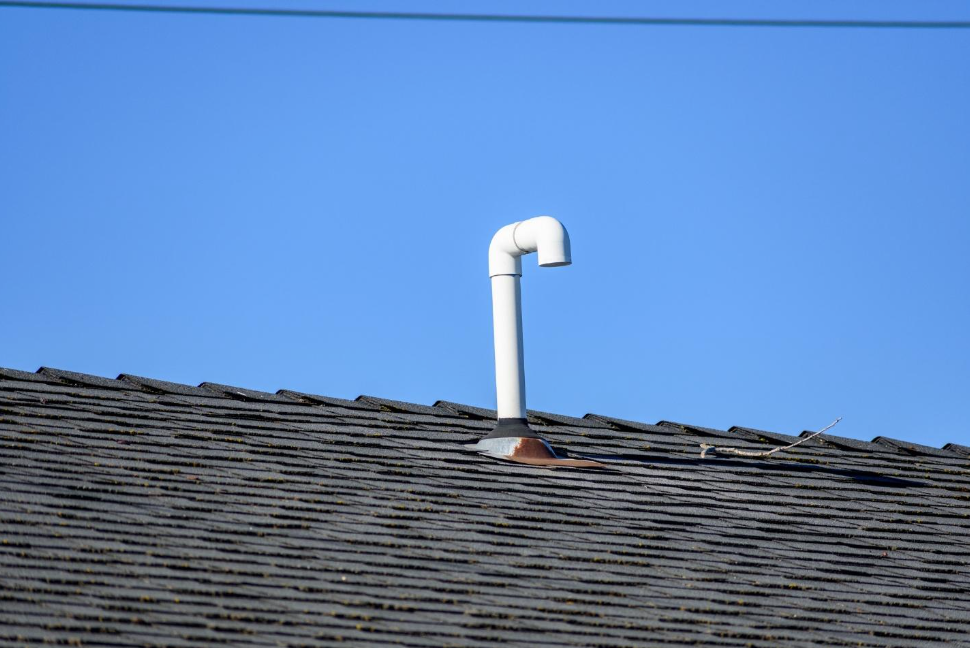
Photo from iStock - Credit: Michael Vi
How Plumbing Vents Work and Why It Happens
Plumbing vents are vertical pipes that let air enter and leave the drain system to balance pressure and prevent trap siphoning.
- They connect to the waste stack near fixtures.
- They extend through the roof as vent stacks.
- They equalize air pressure during drainage.
- They keep sewer gas out of living spaces.
When vents work, water flows smoothly and traps stay sealed with water to block sewer gas. Homeowners often ask whether a blocked vent causes gurgling, the answer is yes, because trapped air creates suction and bubbles. A simple home check is to run multiple fixtures and listen for odd sounds that point to airflow problems. If sounds change when you open a roof vent, that suggests the vent path is restricted.
Vents can become partially blocked by debris, animal nests, or ice, which reduces airflow and raises or lowers pressure in lines. That pressure imbalance can pull water out of a P-trap or push sewer gas past a seal. Professionals diagnose this by inspecting the roof vent, testing fixture behavior, and using a smoke test or camera to confirm blockages. For properties near Conway, SC, addressing vent issues quickly reduces the chance of trap damage and recurring odors.
Technicians will also check related components like the vent stack, cleanout, and P-trap while noting recorded footage or test results for recommendations. A clear diagnostic step homeowners can expect is isolating fixtures to see which ones show symptoms and tracking pressure behavior during a flush. This process helps distinguish blocked vent pipes from clogged drains or failing trap seals.
Common Causes of Blocked Vent Pipes in Homes
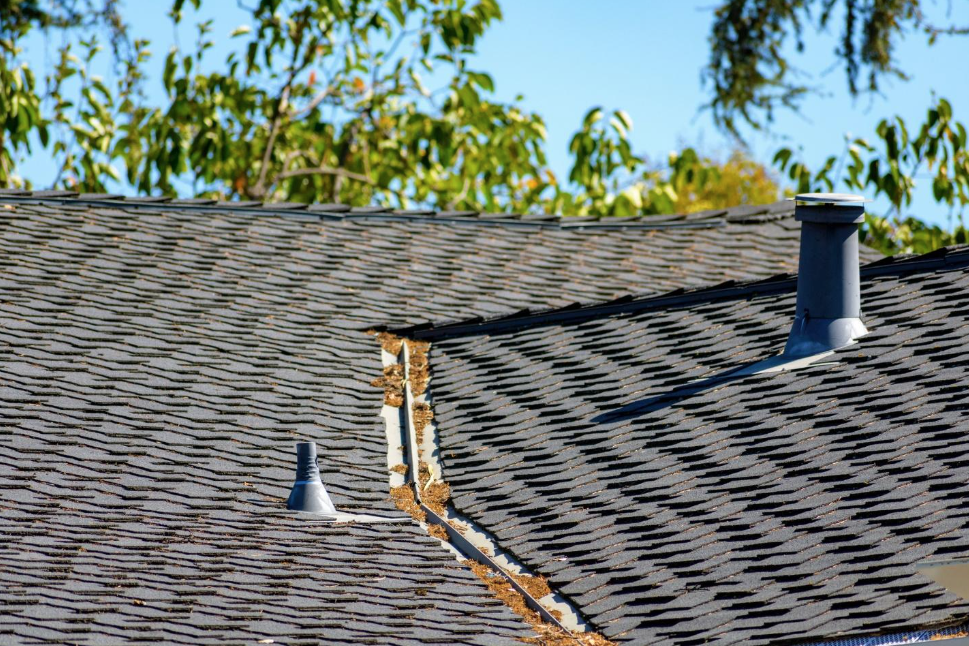
Dropped leaves, roof debris, and built-up soot commonly clog vent openings and reduce airflow over time. Birds and small animals may nest inside a vent stack, creating a near-complete seal that stops pressure equalization. Tree branches rubbing on a pipe or loose flashing can allow material to enter while hiding the problem from plain sight. In Conway, SC, homeowners sometimes find nesting material after roof work exposes the vent cap.
Mineral buildup and corrosion inside older metal vents can narrow the passage and restrict air movement. Sediment from irregular roof drainage may wash into the vent during heavy storms and settle where the stack narrows. Condensation and rust flakes can combine with soot and form a stubborn plug that resists simple clearing. A visual roof inspection often reveals rusted collars or displaced vent caps that signal this issue.
During cold months, ice can form over vent tops and seal the stack until temperatures rise and melt the blockage. Ice jams occur when warm air from inside meets cold outdoor air, producing frost that accumulates and hardens around the vent opening. In coastal areas like Myrtle Beach, SC, rapid temperature shifts after rain can make freeze or frost formation more likely on exposed vent caps. Clearing ice safely usually requires a technician with roof access and proper fall protection.
Accidental construction damage and improper vent connections inside attic spaces can create partial blockages too. Debris left from reroofing, insulation work, or plumbing repairs can enter the vent path if caps are removed and not reinstalled. Pitched or kinked vent runs in cramped attic spaces may trap debris and reduce airflow even without a full obstruction. A professional inspection can locate these hidden issues and recommend targeted repairs or cap replacement.
Gurgling Drains as A Warning Sign Explained
Air trapped in the drain line often causes a bubbling or gurgling noise when water moves past it. That sound happens when air pockets try to escape through standing water in a P-trap. You may hear gurgles at sinks, tubs, or floor drains when another fixture runs. Noticing the specific fixture that gurgles helps narrow where the airflow is restricted.
Gurgling that follows short, sharp intervals usually points to pressure shifts during a flush or a heavy drain flow. Longer, continuous gurgles can indicate a partial vent blockage farther down the stack. A fixture that only gurgles when an upstairs neighbor uses water suggests the vent connection shared between stories. Recording when sounds occur gives useful clues to a professional during diagnosis.
During an inspection, a technician will listen to affected fixtures while running water at controlled rates to reproduce gurgles. They may open an accessible cleanout or roof vent to compare sounds and airflow, then use a camera to inspect the vent stack interior. Simple tests include isolating fixtures, performing a smoke test, and checking trap water levels to rule out trap failure. These steps confirm whether blocked vent pipes or another issue causes the noise.
For homeowners in Conway, SC and elsewhere, gurgling is an early warning that should not be ignored. If sounds persist after basic checks, call a professional to avoid trap siphoning and sewer gas entry. A trained technician will provide recorded footage or written findings and recommend clearing, replacing, or repairing vent components.
Slow Drainage and What Homeowners Should Check
Slow drainage can occur when airflow is restricted or a partial blockage limits water movement through the plumbing system. Check whether one fixture drains slowly or several fixtures are affected at once to help narrow down the problem. Running water in one fixture while observing another may also reveal changes in flow or unusual sounds. These observations can help a plumber distinguish between a venting problem and a blockage in a trap or drain line.
- Check accessible areas for visible signs of debris.
- Note signs of blockage near accessible cleanouts.
- Listen for gurgling at other fixtures while water runs.
- Note whether slow drainage becomes worse after heavy rain.
- Check whether fixtures on multiple floors have the same problem.
Minor debris in an accessible sink trap may explain a single slow drain, while several affected fixtures can point to a problem farther along the plumbing system. Homeowners dealing with persistent drainage problems can learn more in our guide on drain cleaning in Conway, SC for stubborn slow drains. If basic measures do not restore normal drainage, further diagnostic testing may be needed to determine whether the problem involves a vent restriction or a deeper blockage.
Professionals can diagnose slow drainage by isolating affected fixtures and inspecting the drain and vent system. Depending on the symptoms, they may use a sewer camera or other diagnostic methods to locate an obstruction or damaged section. A recorded camera inspection or written report can document the problem location and help determine the appropriate next step.
Unpleasant Odors and What a Pro Will Inspect
Unpleasant sewer or rotten-egg smells near drains often indicate sewer gas escaping from a compromised trap or vent stack connection. A pro will first inspect accessible P-traps, looking for dry traps, loose slip nuts, or cracked trap arms that let gas through. They will also test fixture seals like the wax ring and closet flange to ensure toilets keep a proper water seal. Documented observations during this check help pinpoint whether the issue is trap failure or a vent airflow problem.
If traps and seals check out, the technician will examine the roof vent opening for visible debris, nests, or displaced vent caps that block airflow. They may use a smoke test to force harmless smoke into the vent system and watch where it escapes, which reveals leaks or closed paths without invasive work. A camera inspection inside the vent stack can show corrosion, mineral buildup, or obstructions that are not visible from the roof. These steps distinguish between trapped sewer gas caused by vent blockages and gas coming from damaged fixtures.
Professionals often perform simple pressure and flow checks at fixtures to confirm the vent issue, such as running multiple fixtures while observing trap behavior and odors. They may also isolate sections using cleanouts and monitor whether smells intensify or subside when certain fixtures run. Recorded footage or a written report helps homeowners compare pre- and post-repair conditions and plan follow-up steps.
After diagnosis, a technician will recommend remedies like clearing the vent, replacing a damaged vent cap, or repairing failing trap components based on findings. For tougher obstructions, professionals use manual rodding or a camera-guided cleanout to remove nests or sediment without damaging the stack. They will also advise homeowners about routine roof-vent checks and trap maintenance to prevent recurring odors in Myrtle Beach, SC. Scheduling a professional inspection is wise when odors persist despite simple homeowner checks.
Changing Toilet Water Levels and Underlying Mechanics
Toilets can show changing water levels when vent pressure shifts during drain events, causing water in the bowl to rise or fall unexpectedly. A common mechanical reason is air trying to escape or enter the drain line through the trap, which alters the bowl seal temporarily. Observing whether the water level drops slowly after flushing helps indicate if suction from a vent restriction is present. In Conway, SC homeowners may notice this behavior more when multiple fixtures run at once.
Another underlying factor is partial blockage in the vent stack that creates alternating pressure pulses, pushing water up into the bowl then pulling it back. Toilet fill components like the fill valve and flapper still work, but fluctuating vent pressure changes how the bowl refills after a flush. A running tank that refills fully yet the bowl level varies suggests an air-pressure issue rather than a tank problem. Noting when the change happens gives a professional clues about the vent path involved.
During diagnosis, a technician will watch the toilet while running other fixtures to reproduce shifting water levels and locate the pressure source. They may open an accessible cleanout or roof vent to compare sounds and airflow while photographing any visible obstruction. A camera inspection inside the vent stack helps confirm whether debris, nests, or mineral buildup cause the alternating pressure readings.
If simple home checks do not isolate the issue, professional testing can include a smoke test or temporary pressure monitoring at the vent to see how the system reacts during typical use. These tests avoid invasive work and produce concrete evidence for targeted clearing or replacement of damaged vent parts. After repair, a follow-up observation verifies that bowl levels remain steady during multi-fixture use in homes. Scheduling a professional inspection is a practical next step when shifting toilet water levels persist.
When to Call a Professional for Blocked Vent Pipes
If you notice persistent symptoms that resist simple fixes, call a licensed plumber in Myrtle Beach to evaluate blocked vent pipes. A pro will perform controlled tests and can access roof vents safely to check for obstructions. They will also inspect related components like the P-trap and cleanout to rule out other causes. Early professional involvement limits damage and narrows the repair needed for reliable results.
- Schedule an inspection when multiple fixtures show the same symptom.
- Request a camera inspection of the vent stack.
- Ask for a smoke test if odors persist.
- Verify written findings and recommended repairs.
A technician diagnosing the issue will recreate the problem under normal use to observe pressure behavior and sounds. They may run toilets and sinks together while monitoring trap water levels and airflow at the roof vent. Camera footage or smoke-test results provide concrete evidence to locate a blockage or leak in the vent stack. These diagnostic steps help avoid unnecessary work and ensure targeted repairs.
Call a professional immediately if you detect strong sewer gas smells, repeated trap siphoning, or changing toilet levels after home checks. Homes in Conway, SC often benefit from documented inspections that show the exact problem before repair. Roof access and safety are part of proper vent assessment and clearing. Ask for a written report and clear next steps before agreeing to repair work.
Preventive Steps to Avoid Future Vent Blockages
Keep roof vents clear by scheduling a visual check after heavy storms and seasonal roof work to catch debris early. Use a safe ladder and binoculars for a simple inspection without walking on the roof. If you find loose vent caps or visible nests, secure the area and plan a professional follow-up.
Protect vent openings with mesh guards sized to allow airflow while blocking small animals and leaves from entering the stack. Ensure attic vent runs remain straight and free of insulation or loose materials that could fall into the pipe. Replace damaged or corroded vent caps promptly to avoid gradual buildup that reduces airflow over time. These preventative fixes reduce the chance of blocked vent pipes forming unnoticed.
Maintain interior traps and fixture seals so they keep water barriers intact and reduce pressure-related symptoms before they worsen. Periodically pour water down rarely used drains to keep P-traps filled and prevent dry-trap odors that mask vent problems. During annual plumbing inspections, request a brief vent airflow check and ask the technician to document visible vent conditions. Recording these checks helps spot trends that point to future vent stack issues.
When landscaping or roof work happens, coordinate with contractors to protect vent openings and reinstall any removed caps immediately after work completes. If you experience repeat vent symptoms despite preventive steps, schedule a camera inspection to confirm internal buildup or damage. A documented camera report guides targeted cleaning, which avoids unnecessary replacement and restores proper vent function. For properties in Myrtle Beach, SC, planned maintenance helps limit costly emergency repairs.

 Your Privacy Choices