

Key Takeaways About Drainage Problems
Drainage problems occur when coastal flooding forces water and debris into home drain systems disrupting flow. This summary is for homeowners and property managers preparing before high tides or storm surge.
- Identify slow drains gurgling toilets and unusual odors early.
- Prevent backflow with backwater valves check valves and proper caps.
- Avoid debris entry by sealing cleanouts and protecting downspouts temporarily.
- Spot sump pump and check valve failures before storm season arrives.
- Reduce risk by raising discharge lines and adding battery backup pumps.
- Plan professional inspections camera tests and written reports after events.
Introduction
Coastal flooding can overwhelm home drainage systems and cause serious plumbing issues when storm surge or high tides push water into drains. When external water levels rise, sewer lines and yard drains can back up into basements, garages, and low-lying rooms. That backup leads to contaminated water, foul odors, and soaked finishes that are costly to repair. Homeowners should recognize drainage problems as an urgent risk to property and health.
Many drainage failures start outside the house where stormwater and tidal water block outlets and raise pressure in sewer mains. Roof drains, gutter downspouts, yard drains, and street inlets can all transmit floodwater toward house plumbing. Floodwater can also carry debris that clogs cleanouts and P-traps, increasing backup risk. Understanding how external water reaches indoor drains helps prioritize preventive steps.
Indoor symptoms often appear before visible flooding, so watch for slow sinks, gurgling toilets, and unexpected toilet overflows during heavy coastal flooding. Those sounds can mean house vents or sewer lines are under pressure and air is moving through P-traps. A musty smell or unexplained dampness near floor drains also signals trouble. Acting early can limit contamination and structural damage.
Homeowners in Conway, SC and properties in Myrtle Beach, SC face unique exposure when coastal flooding coincides with heavy rain or high tides. Local elevation and timing of tides affect how quickly drainage problems develop around a house. A professional inspection can confirm cause and recommend targeted steps for protection. If you notice sewage odors or repeated backups, contact a licensed plumber to evaluate the system and risks.
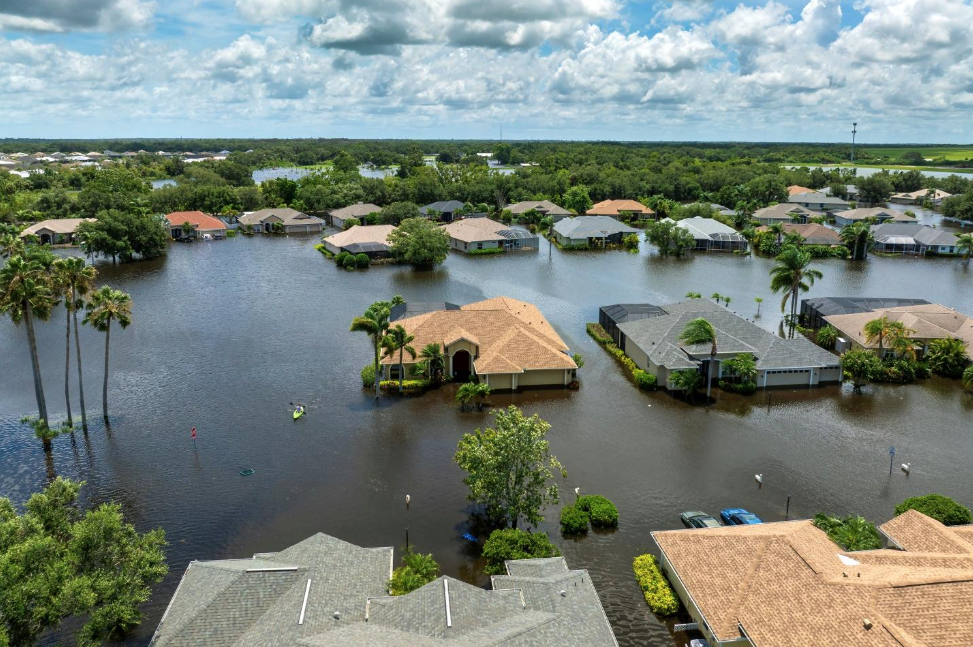
Photo from iStock - Credit: Bilanol
How Coastal Flooding Causes Drainage Problems
How coastal flooding causes drainage problems refers to external water raising pressure in drains and forcing sewage or stormwater back into homes. Rising floodwater can submerge outlet pipes and reverse flow in sewer lines, which increases backup risk and contaminates interior spaces. Homeowners often ask whether floodwater can enter through floor drains, and yes, it can when external levels exceed the downstream pipe elevation. A quick answer to this common question is to stop drainage flow from outside by blocking or sealing vulnerable outlets before water rises.
- Floodwater raises sewer main pressure.
- Debris carried by tides clogs cleanouts.
- Backflow can bypass P-traps and enter rooms.
- Sump pumps can be overwhelmed without power.
Coastal flooding increases the chance that outside drains will push water toward house plumbing instead of away from it. When a storm surge elevates street or yard water, the pressure gradient flips and forces water into any connected pipe, including gutter downspouts and floor drains. Debris and sand in floodwater can lodge in the vent stack or cleanout and create a physical blockage. A blocked vent stack prevents air flow and can cause gurgling or slow-draining fixtures inside the house.
Floodwater exposure can also damage components like sewer cleanouts, backwater valves, and sump pump systems if not properly maintained. A backwater valve can prevent reverse flow, but it may fail if debris jams the flap or if grease buildup prevents a seal. Sump pumps clear basement water but require a functioning check valve and reliable power source to operate during storms. For persistent or unclear issues, a professional inspection using a camera and written report can confirm whether external flooding caused the drainage problems.
Typical Household Drainage Failure Points Explained
Basement floor drains and garage drain channels are common failure points because their openings sit at the lowest house elevation. Sediment and sand carried by coastal flooding can settle in the trap and block water flow, causing backups inside low rooms. A damaged or missing cleanout cap lets debris enter the lateral line and create clogs that spread upstream. Homeowners should note visible sediment around these drains after a tide or storm.
Sewer cleanouts and access caps often take the first direct hit from floodwater and debris, which can jam a backwater valve or prevent a clean seal. A stuck backwater valve or broken check valve stops one-way flow and allows sewer contents to reverse into the house. Inspectors often check the cleanout cap tightness and valve operation during a diagnostic camera inspection to confirm cause.
Downspouts, gutter outlets, and yard drains can redirect floodwater toward foundation drains when disconnected or broken. If French drains or footing drains tie into municipal lines, high external pressure can force water into the collection pipe and overwhelm the interior drain system. Professionals test these lines by running water and using a camera to locate standing water, blockages, or structural damage. In Conway, SC properties with low grades, homeowners watch these components closely when tides and rain coincide.
Sump pump systems, check valves, and power reliability determine whether indoor water clears during flooding events or continues to back up. A failed check valve can let pumped water return to the pit and cause continuous cycling or overflow. Technicians verify pump capacity, float switch operation, and discharge line elevation during inspections to diagnose recurring drainage problems. For coastal homes in Myrtle Beach, SC, ensuring a battery backup and accessible cleanout reduces emergency risk.
Warning Signs Homeowners Should Watch For
Watch for sudden changes in drainage behavior like multiple fixtures slowing at once or toilets bubbling when unrelated drains run. These symptoms often mean pressure in the main line or vent stack is changing and can precede a full backup. A persistent sulfur or sewage smell near floor drains that gets worse during high tides deserves immediate attention.
Unusual sounds such as continuous gurgling, hissing from vents, or water hammer noises suggest trapped air or partial blockages in the drainage network. Check visible cleanouts for wetness or fresh debris as a quick sign of reverse flow into the lateral. Photographing and noting when noises occur helps a technician correlate the events with camera inspection findings. Technicians often use a camera and written report to confirm whether standing water or structural defects cause the issue.
Look for moisture stains, efflorescence, or new mold near walls and baseboards adjacent to drain runs, these can indicate slow leaks or seepage from overloaded drains. A simple moisture meter reading on suspect spots gives immediate data to track changes over time. If a sump pit cycles more often than normal without lowering water levels, the check valve or discharge may be failing under backpressure. A professional will inspect the pump, test float switch operation, and verify discharge elevation during diagnosis.
Visible sediment, sand, or debris around external cleanouts and downspout exits warns that marine material is entering the system and may jam valves or traps. Temporary visible obstructions can hide deeper debris farther down the pipe that only camera inspection will reveal. If you notice repeated backups after coastal events in Myrtle Beach, SC, schedule a licensed plumber to run diagnostic tests and provide remediation options. Acting before a major storm reduces contamination and repair scope later.
Temporary Measures to Prevent Backup Damage
If external water threatens to enter plumbing, temporarily seal low-lying fixtures with removable covers or weighted plugs to slow inflow. Use a cleanout cap rated for temporary use and wrap its threads with a heavy-duty rubber gasket to create a better seal. Keep a handful of disposable gloves, towels, and plastic sheeting nearby to contain any contaminated water when removing plugs. For Conway, SC residents, secure these measures before tide peaks or the forecasted storm window.
- Close interior shutoff valves to unused fixtures.
- Place weighted plugs in floor drains temporarily.
- Elevate small valuables off basement floors.
- Disconnect exterior downspout extensions temporarily.
Install a temporary backflow prevention device at a cleanout or drain when available and rated for your pipe diameter. Ensure the device seats cleanly and remains monitored for debris buildup during the event. If you cannot install a device, at least close internal fixture valves and monitor for gurgling or seepage. Myrtle Beach, SC homeowners should test any temporary device ahead of predicted coastal flooding to confirm fit and function.
Power loss often disables sump pumps, so prepare a temporary backup like a battery-powered pump or generator when safe to operate. Position a sump cover or plug that allows controlled pumping without letting floodwater push back into the pit. Check the pump check valve and discharge line for visible obstructions before the storm arrives. If unsure about safe generator use or pump wiring, contact a licensed electrician or plumber for guidance.
Document temporary measures with photos and notes showing time and locations of seals, plugs, and devices used during the event. Take photos of any water intrusion, sediment, or valve positions to share with a professional later for diagnosis. A plumber will use those images plus inspection steps like camera checks, smoke tests, or pressure readings when diagnosing drainage problems after the flood. Keep all receipts for temporary supplies to support insurance or repair discussions.
Long-Term Upgrades to Reduce Flood Risk
Investing in a permanent backwater valve or check valve on the building lateral reduces risk of sewage reversal during high external pressure. A qualified plumber will size the valve for the pipe and confirm access for routine maintenance. During installation, technicians often test operation with controlled water flow and inspect the cleanout for alignment. This upgrade lowers the chance of sewage entering low rooms during coastal surge events.
Raising or rerouting discharge lines for sump pumps and sewage ejectors prevents pumped water from returning when downstream water is high. Contractors may add a vertical loop or increase discharge elevation above expected flood levels. They also install accessible check valves and an above-grade discharge point to simplify inspections. Myrtle Beach, SC homeowners often pair this work with a battery backup to maintain operation during power loss.
Hardening vulnerable cleanouts and outdoor drain openings with tamper-resistant sealed caps and protective housings keeps debris from jamming valves or entering the lateral. Installations should allow quick access for inspection while providing a watertight barrier against sand and organic matter. A professional will verify thread compatibility and test seals under low pressure to confirm performance. Properly sealed access points reduce repair needs after repeated tidal events.
Consider replacing older clay or corrugated pipes with modern PVC or SDR materials to improve flow and reduce infiltration points. Newer pipe materials resist root intrusion, collapse, and sand abrasion that increase blockage risk during coastal flooding. A camera inspection before replacement produces a written report showing defects and supports targeted pipe sections for repair. In Conway, SC properties, upgrading segments identified in that report can prevent recurring drainage problems.
How to Prepare External Drains and Yard Grading
Inspect external drain grates and remove visible debris before a coastal event to keep outlets clear and flowing. Use a garden hose to run water through surface drains and watch for slow discharge or backup at the nearest cleanout. If flow stalls or returns to the cleanout, note the location for a professional camera inspection later. Doing this test while dry helps identify buried obstructions before floodwater hides them.
Check yard grading around foundations and low spots to ensure surface water moves away from the house rather than toward it. Add soil to low areas and compact it to form a gentle slope that directs runoff toward street drains or landscaped retention zones. Avoid piling soil against foundation walls, and add topsoil in thin lifts to prevent settlement and washout. A level or simple string line gives a quick way to confirm consistent slope away from the building.
Protect external cleanouts and uncovered lateral access with temporary watertight covers designed for storm use instead of improvised plugs that can wash out. Secure covers with straps or concrete blocks so rising water cannot dislodge them and introduce sand or debris. For a more durable option, fit a removable enclosure that still allows access for inspection and pumping. Homeowners in Conway, SC often find a tested temporary cover gives useful time until professionals can perform permanent upgrades.
Keep downspout extensions and gutter outlets clear and direct discharge to pervious areas or splash blocks to reduce concentrated flow near the foundation. Consider adding a short swale or rock-lined channel to carry concentrated runoff away from the home when heavy coastal flooding threatens. Ensure any added channels tie into existing storm drains rather than private sewer connections to avoid overloading the lateral. For difficult sites in Myrtle Beach, SC, consult a drainage contractor to design a controlled path for overflow that limits pressure on household drains.
When to Call a Professional for Drainage Problems
If you see repeated backups despite temporary actions, call a licensed plumber in Myrtle Beach, SC, to diagnose persistent drainage problems quickly. A professional will verify visible symptoms and perform controlled tests such as dye or pressure checks. They can inspect the cleanout, backwater valve, and sump pump function to locate failure points. Early professional involvement reduces the chance of contaminated water causing structural or health damage.
- Schedule an inspection when backups recur.
- Ask for a camera inspection of the lateral.
- Request written findings and repair options.
- Confirm access and maintenance plans for installed valves.
When damage is unclear, a technician will run a camera through the line to record blockages or breaks. They also test sump pump float switches and check valve seating under simulated backpressure. The plumber may perform a smoke test or use a moisture meter to find leaks and seepage paths. These diagnostic steps produce a written report to guide repairs and upgrades.
Call for help immediately if you detect sewage odors, repeated overflows, or a non-functioning sump pump during coastal conditions. For Conway, SC homeowners, mention recent tidal events when scheduling the visit to help prioritize inspections. With low elevations, ask the plumber about permanent backflow solutions and pump discharge changes. If electric work or structural changes are needed, the professional can coordinate with qualified trades.
Seasonal Maintenance Checklist to Avoid Backups
Schedule seasonal checks before the rainy and high-tide months to reduce the chance of backups during coastal events. Inspect cleanout caps, backwater valve operation, and sump pump float action under normal conditions. Note any slow-reaction or sticking parts and plan replacement before storm season arrives. A professional can add scheduled service to catch wear that homeowners might miss.
Run functional tests that mimic heavy flow to reveal weak points in the system without waiting for a real flood. Pour water into multiple fixtures simultaneously to see if drains slow or gurgling begins, and observe the nearest cleanout for return flow. Test the sump pump with a controlled fill and watch the check valve for backflow when the pump stops. Record results to share with a plumber during follow-up diagnostics.
Clean and maintain related components such as gutter downspouts, area drain grates, and accessible discharge lines to keep pathways clear. Remove sediment and vegetation from exposed cleanouts and verify caps seal properly after cleaning. Check battery backups and portable generator connections so pumps continue to operate during outages.
Have a professional perform an annual camera inspection and written report to confirm pipe integrity and locate hidden obstructions early. Technicians will check for root intrusion, offsets, and degraded joints that small routine checks cannot detect. Use that report to prioritize repairs and select durable materials that resist future coastal stress.

 Your Privacy Choices