Key Takeaways About Toilet Flange Repair
A toilet flange connects the toilet to the drain and seals the fixture to prevent leaks. This summary is for homeowners and property managers who spot wobble odors or damp floors and need quick guidance on when action matters.
- Identify wobble stains or sewer odors near the toilet base quickly.
- Prevent small leaks from becoming hidden subfloor rot with inspections.
- Avoid DIY fixes when bolts or flange material show visible damage.
- Spot moisture readings or soft spots during a focused professional check.
- Reduce repeat problems by addressing flange height and bolt integrity.
- Plan repairs or replacement based on flange material and subfloor condition.
Introduction
When a toilet wobbles or leaves a dark stain at its base, the problem often starts at the toilet flange. A failed flange can let water escape under the fixture and soak the subfloor. Homeowners tend to notice odors, soft flooring, or rocking when flange problems worsen. Ignoring these signs increases repair scope and cost over time.
The toilet flanges connect the toilet to the drain and seals it with a wax ring or rubber gasket. Corrosion, cracked flooring, or pipe movement can break the seal and cause leaks. A leaking flange can allow sewage gases into the room and damage structural materials. Early attention helps prevent mold and costly subfloor replacement.
Properties in Myrtle Beach, SC and Conway, SC face typical flange wear from age and normal household use. Older cast-iron or corroded closet flanges fail more often than newer materials. Plumbing vibrations and loose bolts also contribute to flange breakdown. Detecting issues early reduces disruption and limits hidden water damage behind flooring.
Professional inspection verifies whether a flange can be repaired or needs replacement, and it protects surrounding components like the shutoff valve and supply line. Technicians check flange alignment, bolt integrity, and the condition of the wax ring or gasket. They document visible damage and moisture readings before recommending work. When water has reached the subfloor, prompt professional action reduces long term risks.
Common Toilet Flange Problems and Why They Happen
The term refers to the flange that anchors the toilet to the drain and helps create a watertight connection. Common problems include corrosion of metal flanges and cracks in plastic or cast-iron parts. These failures often begin at the flange bolts or the flange-to-pipe connection. A leak at the toilet base does not always mean flange damage, as worn wax rings or loose bolts can cause similar problems. In some cases, a toilet wax ring upgrade may help restore the seal without requiring a complete flange replacement.
- Corroded flange metal weakens the seal.
- Loose or broken closet bolts let the toilet rock.
- Warped or rotted subfloor pulls the flange loose.
- Misaligned piping prevents a proper seal.
Corrosion happens when older cast-iron or thin metals sit in moist environments and slowly lose strength. Bolts shear or strip when a toilet rocks repeatedly or during installation mistakes. Rotted wood under the flange changes the flange height and breaks the wax ring seal. In Myrtle Beach, SC coastal humidity can accelerate wood or metal deterioration near bathroom drains.
Plastic flanges can crack from over-tightening bolts or from impact during repairs or remodeling. Pipe movement from freeze-thaw cycles or settling shifts the flange alignment and breaks the seal. If the flange sits below finished floor level, the wax ring may compress unevenly and fail. For properties in Conway, SC with older plumbing, flange wear often correlates with long service life rather than a single event.
Early Warning Signs of Flange Failure for Homeowners
Watch for small, recurring puddles near the toilet base that appear after each flush. A steady damp ring at the floor line often precedes larger leaks and hidden rot. Unusual, sewer-like odors that return despite cleaning suggest a failing flange seal or venting problem. When odors occur alongside moisture, contact a professional for a focused inspection and diagnosis.
A toilet that rocks or shifts when sat on shows mechanical failure at the connection point more than a surface issue. Listen for loose hardware when you press the bowl gently side to side, it can indicate stripped closet bolts or a cracked flange. Cracks in grout or tile around the base can form from movement and signal flange instability below. If tiles shift or gaps appear, postpone cosmetic repairs until the flange is checked and stabilized.
Staining or discoloration of the floor material around the toilet can mean slow leaks soaked the subfloor and underlayment. Use a moisture meter or visual probe access during an inspection to confirm dampness below the finish floor. Warping or soft spots under your feet when you step near the toilet point to hidden wood decay that needs timely attention. In Myrtle Beach, SC coastal homes, humidity can make these signs develop faster and mask the source.
Flushing problems such as gurgling sounds or slow drain performance sometimes accompany flange issues when the seal lets air into the trap. A technician will perform a dye test or temporary seal check to see if water leaks at the base during flushing. In a common situation, a homeowner notices wobble and odor, a pro then checks bolt tightness, flange height, and wax ring condition to confirm flange failure. For properties in Conway, SC, documenting these observable cues helps prioritize repair steps and avoid repeated service visits.
How A Broken Flange Causes Toilet Leaks
A broken flange can compromise the seal between the toilet outlet and the drain pipe, allowing water to escape with each flush. That opening may let water seep beneath the toilet base and soak the flooring over time. Escaping water can also travel through subfloor seams, causing damage beyond the visible stain. Homeowners in Myrtle Beach, SC, should understand that repeated flushing can worsen leaks around a damaged flange.
When bolts or the flange lip crack, the toilet can shift slightly during use and further damage the wax ring seal. Each movement may compress or tear the wax ring or rubber gasket, turning a minor leak into a more persistent problem. Repeated rocking can also enlarge bolt holes and fracture plastic flanges near the bolt slots. A technician will inspect the bolts and mounting hardware to determine whether loose connections contribute to seal failure.
Cracked or misaligned flanges can allow sewer gas to escape along with wastewater, producing intermittent odors around the toilet. Pressure changes during flushing may push odors through an imperfect seal even when visible water leakage is minimal. Moisture trapped beneath flooring can encourage wood rot and mold growth if the problem remains unresolved. For more information about identifying and addressing these problems, read our guide on toilet leak repair solutions for myrtle beach homes.
To confirm a flange-related leak, a professional performs targeted inspections to distinguish it from other plumbing problems. They may remove the toilet to examine the closet flange, wax ring, and flange-to-pipe connection for cracks, corrosion, or improper positioning. Diagnostic methods may include dye testing during flushing, checking closet bolt stability, and measuring moisture levels in the surrounding subfloor. These findings help determine whether the toilet needs a new seal, flange repair, or complete flange replacement.
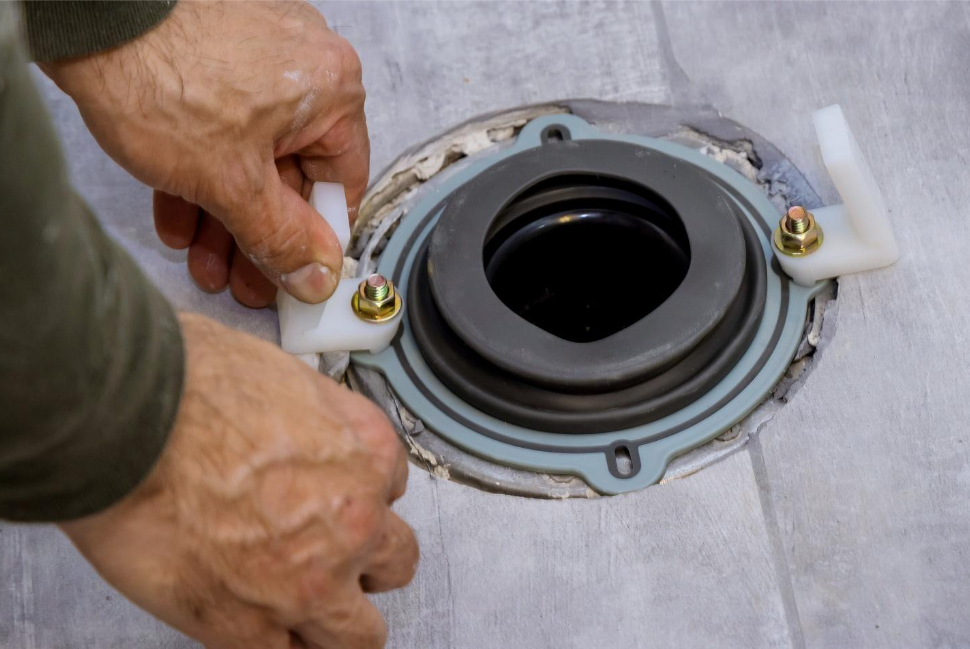
Photo from iStock - Credit: photovs
Toilet Flange Repair Options and Decision Factors
When choosing a repair path, consider flange material, the extent of subfloor damage, and access to the drain pipe during work. A partial repair can fix bolt slots or raise a slightly low flange with an extender ring when the surrounding wood is sound. Full replacement becomes necessary if the flange is cracked through, badly corroded, or if the subfloor requires removal and replacement. Homeowners in Myrtle Beach, SC should weigh humidity effects on remaining wood when deciding between repair or replacement.
- Repair preserves the original flange when damage is limited.
- Replacement installs a new flange and restores proper alignment.
- Extender rings raise a low flange above finished flooring.
- Flange repair kits can tighten cracked bolt slots temporarily.
- Subfloor repair may accompany flange replacement for lasting stability.
Assess the toilet's age and future plans for the bathroom before committing to an option to reduce repeat work. If you plan a remodel, replacement now avoids removing the fixture twice later. A professional will check flange-to-pipe fit, bolt integrity, and confirm flange height relative to finished flooring before recommending an approach. For properties in Conway, SC, coordinating flange work with planned flooring changes often saves time and materials.
A technician diagnoses which option fits best by removing the toilet and visually inspecting the flange, wax ring, and subfloor condition. They may use a moisture meter to read dampness levels and a straightedge to confirm flange flatness and height. The inspection report should list repair steps, parts needed and expected risks such as hidden rot or brittle cast-iron. Ask for a written estimate that clearly notes whether a repair or full replacement is recommended.
When To Replace Versus Repair Your Flange
Deciding between repair and replacement depends largely on structural integrity around the flange and visible fracture patterns. If the flange has hairline cracks but the subfloor is solid, a targeted repair with a reinforced ring may restore function. When bolt holes are elongated but the flange material still anchors securely, a repair kit and stainless bolts often provide a durable fix. A technician will verify repair suitability by testing mechanical stability and leak tightness after the work.
Full replacement becomes necessary when the flange shows through-cracks, significant corrosion, or loss of mounting surface due to rot. If the flange sits significantly below finished floor height and an extender would still compromise seal geometry, replacing the flange and adjusting the floor is safer. Visible mold growth under the flange often indicates replacement plus subfloor remediation to prevent recurring leaks. Professionals check for these conditions before recommending removal and replacement of the flange assembly.
Another factor is the drain pipe material and access to it during work, since cast-iron connections may need different fittings than modern PVC. If the existing pipe has fractures or the flange-to-pipe joint shows movement, replacement that includes a proper coupling gives a more reliable result. Homeowners in Myrtle Beach, SC should consider material compatibility and expected service life when weighing options. A clear scope of work prevents partial fixes that require revisits later.
Cost-effectiveness and future plans also guide the choice between repair and replace, especially when a bathroom remodel is imminent. When owners plan flooring replacement, simultaneous flange replacement avoids doing the job twice and reduces total disruption. In Conway, SC properties with older fixtures, technicians often recommend replacement to match updated drain fittings and prevent repeated service calls. Ask for a written comparison that lists risks, expected lifespan, and recommended next steps before authorizing work.
When to Call a Professional for Flange Repair
If you notice persistent leaks, worsening wobble, or soft flooring near the toilet, call a professional promptly to limit damage. A trained plumber can shut off the water, remove the fixture safely, and inspect the flange-to-pipe connection without causing extra harm. Early professional action often prevents hidden rot from spreading beneath finished floors and reduces the chance of mold growth. For homeowners, quick response matters when salt air and humidity may accelerate deterioration.
Call for service when DIY checks, like tightening bolts or replacing a wax ring, do not stop the leak or movement. Technicians bring diagnostic tools such as moisture meters, a straightedge, and flashlight inspection to confirm flange condition and subfloor integrity. They will also test mechanical stability by torquing closet bolts and observing for movement during a controlled flush. If problems persist after informal fixes, professional assessment avoids repeated unsuccessful attempts.
Schedule a professional visit when floor repairs, flange replacement, or pipe coupling work seems likely, since these tasks require carpentry and plumbing coordination. Pros can remove damaged subfloor sections, fit a new flange at the correct height, and reinstall the toilet with proper gaskets and stainless fasteners. They document findings and provide a written plan so homeowners understand scope and risks before work begins.
If you smell sewer gas, see spreading stains, or detect a soft spot underfoot, do not delay contacting a licensed plumber in Myrtle Beach for diagnosis and repair. The technician will perform dye tests and visually inspect the flange seam and pipe joint to isolate the leak source. Professionals can recommend repair versus replacement based on measured moisture levels and visible flange damage. Prompt scheduling limits structural costs and restores a tight, sanitary seal around the toilet.
Preventing Recurring Problems with Flange Maintenance
Regular maintenance reduces the chance of repeat flange failures by addressing small problems before they worsen. Schedule periodic checks of closet bolts, flange alignment, and the condition of the wax ring or gasket. During routine visits, technicians can lubricate bolts, replace corroded hardware, and verify that the flange sits flush with the finished floor. Consistent upkeep lowers the risk of hidden water damage and keeps the seal working as intended.
- Check bolt tightness every six months.
- Inspect for minor cracks and surface corrosion.
- Replace wax rings during any toilet removal.
- Confirm flange height after flooring changes.
Proper ventilation and humidity control in bathrooms help protect flange-adjacent materials from accelerated decay. Use exhaust fans during and after showers to reduce moisture buildup that can affect wood subfloor and metal parts. If you notice persistent condensation or dampness, have a professional evaluate whether environmental changes contributed to flange wear. Addressing moisture sources supports long-term flange stability and reduces repeat repairs.
When performing maintenance, document findings with simple photos and moisture readings for later comparison. A short maintenance log helps a technician see trends and choose the most durable repair options. For homes in Myrtle Beach, SC or condominiums in Conway, SC, having records helps tailor maintenance frequency to local conditions. Keep notes about any recurring wobble or odors so future service visits target the right components.
What Technicians Check During Flange Service Visits
Technicians begin with a visual inspection of the flange area, noting cracks, corrosion, and previous repair evidence to plan work steps. They remove the toilet carefully to expose the flange and check the wax ring or gasket for compression or tears. A moisture meter reading of the subfloor near the flange gives objective data about hidden dampness and decay risk. Photos and written notes document findings so homeowners have a clear record for decisions.
Next they verify mechanical fit and alignment by placing a straightedge and measuring flange height relative to finished flooring, confirming proper sealing geometry. Closet bolt condition and bolt slot integrity receive hands-on testing to detect stripped or elongated holes that cause rocking. Technicians also inspect the nearby shutoff valve and supply line for leaks or strain that could affect reinstallation. If the drain pipe is visible, they check the pipe connection for movement or loose couplings.
During diagnostic flushing, a dye test or controlled water run reveals whether water or air escapes at the base under pressure, isolating flange-origin leaks. The technician will torque the bolts to a specified feel and observe any movement, which helps decide between a repair kit or full flange replacement. If subfloor decay appears, they probe the wood with a handheld tool to gauge rot extent and plan required carpentry work. For properties in Myrtle Beach, SC they factor in potential moisture exposure when assessing repair longevity.
When present, technicians record any sewer odor patterns and trace them to the flange seal or nearby venting issues, then recommend targeted fixes to stop gas migration. They prepare a clear scope of work that lists parts, steps, and expected results, so homeowners can authorize necessary repairs. If additional trades are required, the plan notes the sequence to avoid rework and extra costs. For clients in Conway, SC the written plan supports coordination with other contractors when floor repair is needed.

 Your Privacy Choices