
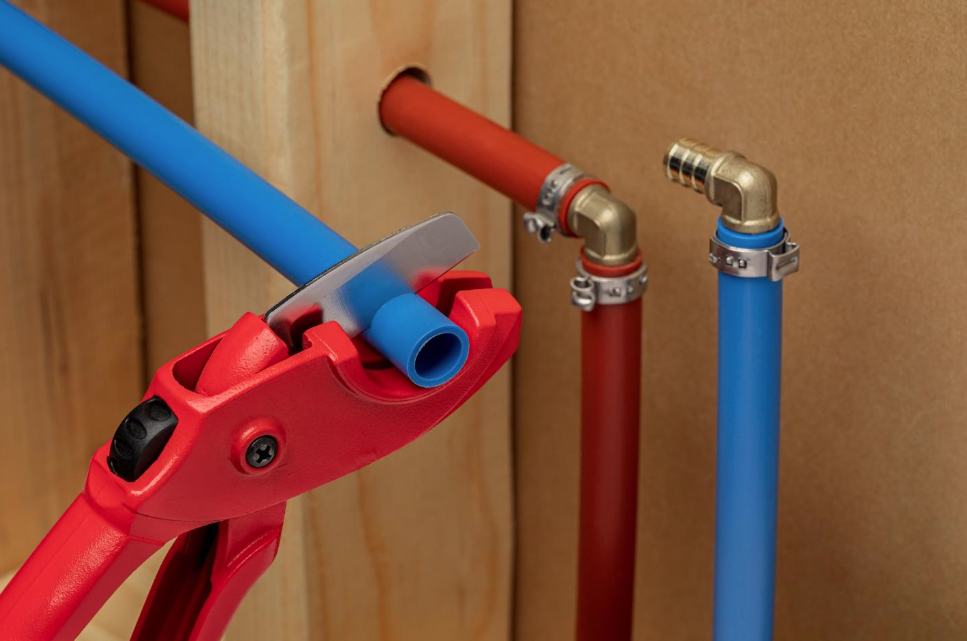
Key Takeaways About PEX Repiping Options
PEX repiping options refers to replacing or rerouting household water supply with flexible cross linked polyethylene tubing. This guide is for homeowners and property managers deciding when to repipe and which layout fits during repairs or renovations.
- Identify visible leaks and staining behind walls or ceilings.
- Prevent future corrosion by replacing old metal supply lines.
- Avoid repeated spot repairs when multiple branches show failure.
- Spot flow problems by testing static and dynamic water pressure.
- Reduce leak risk by choosing fewer fittings and proper transitions.
- Plan access and manifold placement before starting wall work.
Introduction
Older metal and polybutylene pipes can cause pinhole leaks, low pressure, and rusty water that disrupt daily life. Homeowners notice stains on ceilings, slow-filling tubs, or a sudden spike in water usage on a bill. Those symptoms often point to failing supply lines or hidden corrosion inside walls and crawlspaces. Recognizing those signs matters because small leaks become major damage over time.
PEX repiping options offer a modern alternative to aging systems by resisting corrosion and flexing around obstacles. Replacing whole runs of supply piping can improve flow to fixtures and reduce joint failure risk. Many homeowners see steadier pressure at sinks and showers after upgrading their branches and manifolds. Choosing the right layout matters for long term access and serviceability.
Diagnosing whether a full repipe is necessary starts with visible clues and measured tests from a professional. A plumber will check shutoff valves, supply lines, pressure readings, and look for active damp spots with moisture meters. They may inspect under sinks, at the water heater connections, and at the main shutoff for weak points. Confirming hidden leaks requires experience and basic diagnostic tools.
For properties in Myrtle Beach, SC and nearby Conway, SC, salt air and older construction raise concern about metal pipe longevity. Upgrading to PEX can reduce the chance of leaks that lead to mold, rot, or costly ceiling repairs. Homeowners planning a renovation or selling a home often treat repiping as a long term investment. Contacting a licensed plumber early helps match the right PEX repiping options to your property and goals.
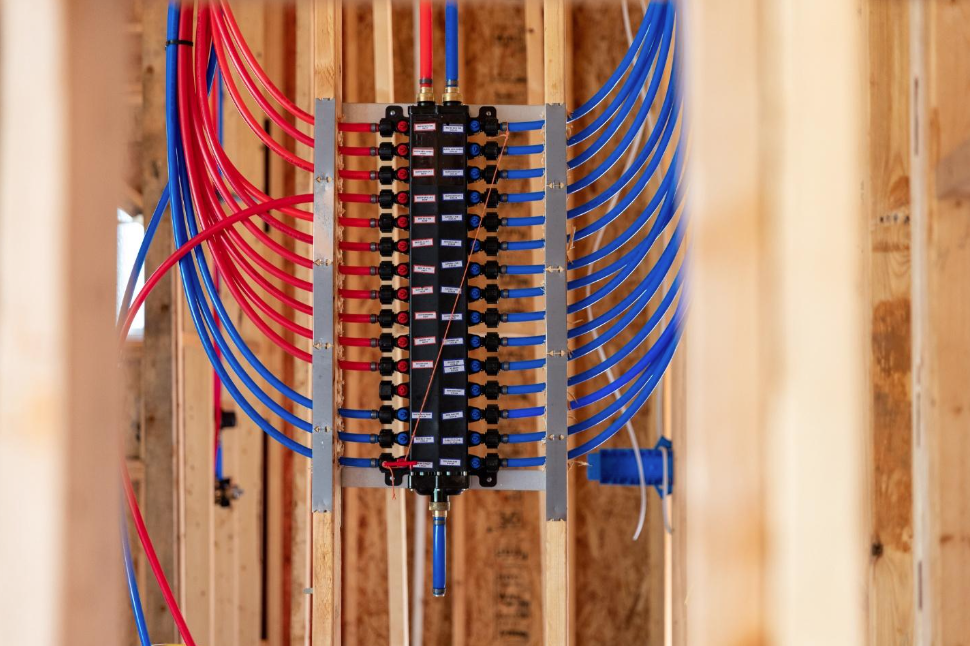
Photo from iStock - Credit: CRobertson
What PEX Repiping Options Are Available Today
PEX repiping options are the different PEX piping layouts and connection styles homeowners can choose for supply lines and fixtures. Homeowners often ask which option gives the best balance of cost, access, and leak resistance, and the answer depends on house layout and goals. Common choices include using manifolds, home-run runs, or trunk-and-branch layouts to route water. Each option changes how many fittings are needed and how easy future repairs will be.
- Home-run (manifold) layout sends a dedicated line to each fixture.
- Trunk-and-branch uses a main line with short branches to fixtures.
- Parallel runs reduce pressure drop and balance flow.
- Cold expansion or crimp fittings connect PEX to fixtures.
- PEX-to-metal transition fittings handle water heater or valves.
A PEX manifold or home-run layout often suits owners who want individual shutoffs and balanced pressure at fixtures. A common homeowner question asks whether manifolds improve shower pressure, and the short answer is yes when runs are sized correctly. Professionals confirm this by measuring pressure at fixtures and by checking run lengths and diameter. Material compatibility and space for a manifold cabinet also affect the choice.
Connection style matters as much as layout because fitting failure is a common leak source. Plumbers diagnose choices by inspecting shutoff valves, testing water pressure with a gauge, and verifying proper crimp or expansion tool usage. For aging homes in Conway, SC and coastal properties in Myrtle Beach, SC, minimizing metal-to-metal joints reduces corrosion risk. Discussing expected fixture count and access needs helps pick the right PEX approach before work begins.
How PEX Pipe Works and Why It Corrodes Less
PEX piping is flexible tubing made from cross-linked polyethylene that carries hot and cold water without metal corrosion. Its chemistry resists the electrochemical reactions that eat away at copper and galvanized steel. Because PEX lacks metallic surfaces, it doesn't develop the rust flakes that discolor water and clog aerators. Homeowners often notice clearer water and fewer fixture clogs after switching to PEX.
PEX expands slightly under pressure and returns to shape when pressure drops, which helps avoid stress fractures. Installers use expansion or crimp fittings that create a secure, sealed connection without soldering. Fewer soldered joints means fewer opportunities for corrosion where dissimilar metals meet. A plumber will inspect fittings and transition connections during a diagnostic to confirm there are no loose crimps or signs of wear.
PEX also tolerates minor freezing better than rigid metal because it can stretch instead of cracking immediately. That does not eliminate freeze risk, so insulation and proper routing remain important, especially in crawlspaces near Myrtle Beach, SC. Professionals check supply lines, shutoff valves, and visible manifolds during an inspection to identify vulnerable runs. They may use a pressure gauge and moisture meter to verify integrity after any repair or replacement.
The material resists scale buildup from hard water more than some metals, helping preserve flow through small-diameter lines and P-traps. When diagnosing low flow, a plumber will test pressure, examine aerators, and look inside supply lines for sediment or pinhole leaks. For homes in Conway, SC, inspectors often document readings and photos in a written report before recommending repiping. Choosing PEX repiping options reduces long-term leak risk and simplifies future maintenance for many homeowners.
When Aging Pipes Warrant a Full Replacement
When signs point to widespread failure, a full replacement becomes the safest choice to avoid repeated spot repairs. Visible corrosion on multiple supply lines or mineral buildup inside fittings often indicates the system has reached the end of useful life. A professional inspects the main shutoff, water heater connections, and visible branches to map affected runs and risks. They also check pressure readings with a gauge and document moisture with a meter before recommending replacement.
Homes with frequent pinhole leaks or recurring repairs often pay more over time than the cost of a full repipe. Replacing all supply lines removes hidden weak points that cause unpredictable leaks behind walls or under floors. Technicians test shutoff valves and perform dye or pressure tests to confirm which sections leak and whether valves hold. That diagnostic evidence helps homeowners make an informed decision about replacing entire systems.
Certain conditions make whole-house repiping more practical, such as incompatible materials or multiple transition joints between old metal and new pipe. A full replacement simplifies future maintenance by providing uniform components like manifolds and standard shutoffs at fixtures. During the assessment, a plumber will examine fixture shutoff valves, P-traps, and transition fittings to plan routing and access points. Clear documentation of pipe routes and photos support warranty and resale conversations.
For coastal properties in Myrtle Beach, SC, exposure to salt air can accelerate metal failure, making replacement sooner rather than later reasonable for some owners. Understanding how older Conway neighborhoods face pipe deterioration can also help homeowners recognize when aging plumbing systems need closer inspection. Older homes with mixed pipe types may show both corrosion and brittle fittings requiring replacement across the system. If a homeowner plans renovations that open walls or ceilings, combining those projects with a full repipe reduces overall disruption. Discussing timelines, material choices, and a written scope with a licensed plumber helps ensure the selected PEX repiping options match long-term needs.
Common Causes of Pipe Failure and Leak Risks
Age, material defects, and mechanical damage commonly start small and then accelerate into leaks over time. Understanding how aging pipes often lead to hidden leaks helps homeowners recognize problems before visible damage becomes severe. Galvanic corrosion appears where dissimilar metals contact without proper dielectric fittings, weakening pipes at joints. Physical stresses from settling floors or renovations can kink or crack supply lines behind cabinets or walls. A professional looks for visible bulges, soft spots, and recent drywall stains during an initial inspection.
- Corrosion around threaded fittings causes slow leaks.
- High water pressure stresses joints and seals.
- Frozen lines can split if uninsulated in cold spots.
- Improperly supported runs sag and wear at hangers.
Hard water and mineral buildup reduce flow and create stress points inside narrow pipes over years. Repeated thermal cycling near the water heater weakens older metal at the outlet and inlet unions. To confirm a failure source, a plumber will use a pressure gauge and a moisture meter during diagnosis. They may perform a controlled isolation test that narrows down which branch holds pressure or shows a leak.
Faulty shutoff valves and worn supply connectors at fixtures can cause recurring leaks that homeowners may mistake for hidden mainline problems. A technician inspects P-traps, shutoff valves, and appliance connections before recommending broader repairs. Hidden leaks can also create damp conditions that encourage mildew growth and musty odors. Learning why mildew smells often starts with undetected pipe leaks can help property owners recognize moisture problems that aren't immediately visible. In Conway, SC, concealed leaks in crawlspaces may require careful inspection and documentation. When leaks continue to develop in different areas, a full repipe may be more practical than repeated repairs.
How Upgrading Pipes Improves Water Flow Performance
Upgrading supply lines to PEX often reduces friction and pressure drop because larger continuous runs replace corroded, narrowed metal sections. Technicians size runs and manifold ports to match fixture demand and measure expected flow with a pressure gauge. They may swap multiple small-diameter branches for a single properly-sized PEX trunk to improve simultaneous fixture performance. Improved flow reduces wait time for hot water and helps appliances fill faster.
Professionals diagnose flow problems by checking fixture aerators, testing static and dynamic pressure, and performing a dye or isolation test on branches. They inspect supply shutoff valves, P-traps, and visible fittings for constrictions or partial blockages before repiping. A recorded pressure reading and photos become part of the decision record used to choose between partial fixes and full repipes. This diagnostic evidence helps homeowners see the performance gap clearly.
Replacing old supply piping also removes hidden sediment and mineral buildup that limits interior diameter and raises head loss across the system. Installers commonly connect a pressure gauge at the water heater and at distant fixtures to quantify improvements after switching to PEX. In a common situation, a homeowner notices slow shower flow during peak use, and a plumber checks manifold balance and run lengths next. After replacing bottlenecked branches with appropriately sized PEX, flow at multiple fixtures often evens out.
Upgrades can include better layout choices like home-run manifolds that shorten runs and reduce the number of fittings that create pressure loss. For coastal homes in Myrtle Beach, SC selecting corrosion-resistant materials prevents gradual narrowing from rust that cuts flow. Homeowners in Conway, SC may benefit from converting multiple older tees and elbows to direct runs that maintain cleaner, steadier flow. Discussing expected fixture count and measuring pressure before and after work gives clear proof of performance gains.
When to Call a Professional for PEX Repiping Options
Call a licensed plumber in Myrtle Beach, SC when you see recurring leaks despite previous repairs, or when multiple fixtures show low pressure at once. A professional will perform isolation tests and attach a pressure gauge to identify whether issues are localized or systemic. They will inspect shutoff valves, P-traps, and visible supply connections to rule out simple fixes before recommending repiping. Early professional evaluation prevents unnecessary disruption if a partial repipe suffices.
If you notice discolored water that returns after flushing, or steady damp spots in ceilings and behind cabinets, bring in a technician. The plumber may use a moisture meter and visual inspection to trace the leak source through walls and under floors. They can run a pressure decay test to confirm hidden breaches and document readings for planning a repipe. This diagnostic evidence helps determine which PEX repiping options best fit the problem.
Emergency situations like a burst pipe or a shutoff valve that fails to stop flow require immediate professional response and temporary isolation. A plumber will locate the main shutoff, verify valve operation, and secure the system before recommending permanent work. They may install temporary repairs or supply-line caps while preparing a full scope and materials list. This staged approach minimizes damage and gives homeowners clear next steps for replacement.
Homeowners considering renovations or replacing aging fixtures should schedule an assessment to coordinate plumbing changes with the project timeline. A professional evaluates access points, manifold placement, and whether existing walls will need cutting for routing PEX. They will create a written scope and photo record of proposed work so homeowners can plan around disruption. For properties in Conway, SC discussing timing with a plumber avoids conflicts with other trades.
If you plan to sell or want documentation for future buyers, request a written inspection and proposed plan that outlines chosen PEX repiping options and expected outcomes. The report typically includes pressure readings, photos of vulnerable areas, and a recommended layout highlighting manifolds and shutoffs for serviceability. A clear plan helps buyers understand long-term benefits and supports disclosure requirements during a sale.
Comparing Partial Repipes Versus Whole House Replacements
Deciding between a partial repipe and a whole-house replacement depends on where failures concentrate and how accessible those sections are. A professional will inspect visible runs and perform isolation pressure tests to map leak locations. They check fixture shutoff valves, P-traps, and manifold ports to determine whether replacing branches solves the problem. Homeowners should weigh disruption, remaining useful life, and future renovation plans when choosing a scope.
- Partial repipes replace specific branches only.
- Whole-house replacements install uniform supply lines throughout.
- Partial work saves time when problems are limited.
- Full replacements reduce future hidden-leak risk.
- Access needs influence labor and wall repairs.
A partial repipe suits systems with isolated failures and sound main runs that pass pressure decay tests. Technicians confirm isolation by capping branches and recording pressure gauge readings over time. This approach limits demolition and costs when problems appear confined to one area. It preserves existing fixtures and shutoffs if their threads and connections show no corrosion.
A whole-house replacement becomes sensible when diagnostic testing shows multiple failing branches or widespread corrosion at transition fittings. Plumbers document moisture meter readings and photos to justify full replacement decisions for insurance or resale. Replacing all supply lines allows standardized manifolds and individual fixture shutoffs to be installed for serviceability.
Preparing your Home for A PEX Repiping Project
Clear the immediate work areas of furniture, fragile items, and floor coverings to protect belongings during pipe routing and access work. Remove items from under sinks and open cabinets so technicians can access shutoff valves, P-traps, and supply connectors quickly. Leave space near the water heater and main shutoff for tools and temporary fittings that professionals may need to attach. A tidy workspace reduces time spent moving things and lowers the chance of accidental damage during the repipe.
Plan for short periods of water shutoff and ask about a schedule to minimize disruption to daily routines like cooking and laundry. Label a few key valves or provide access instructions if parts of the house have locked panels or attic hatches. Keep a supply of bottled water and make arrangements for any occupants who rely on medical equipment that needs continuous water. Communicating timing with all household members prevents surprises and helps the project stay on schedule.
Protect floors and finished surfaces with drop cloths or plywood where technicians will carry materials or open walls, and move or cover rugs and electronics. If pets or children live in the home, arrange a safe area away from the work zone to avoid trips and interference with tools. Ask the crew about expected dust and whether they will use plastic sheeting and air scrubbers during demolition. These small steps reduce cleanup time and preserve finishes during the repipe.
Document the home before work begins by taking photos of exposed valves, visible supply lines, and areas planned for access so you have a condition record. Keep contact information for the lead technician and confirm the written scope includes chosen PEX repiping options, manifold locations, and shutoff plans for each fixture. For homeowners in Conway, SC coordinate any scheduled inspections and use the record for future resale disclosures. After work, review pressure readings and the finish checklist with the technician before they leave.

 Your Privacy Choices