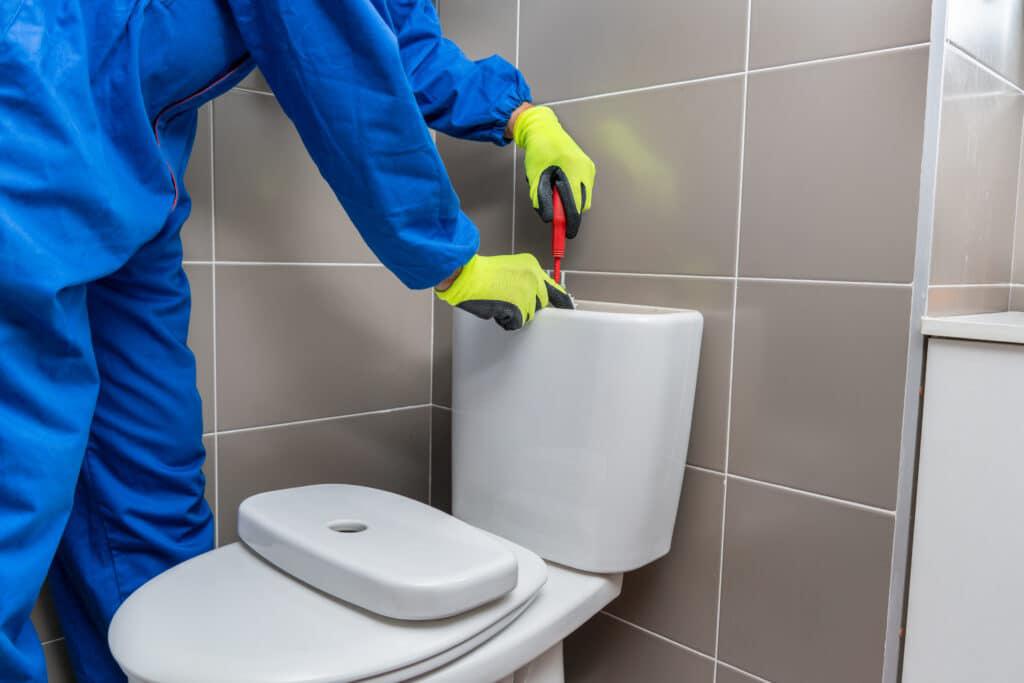
A constantly running toilet is more than just a nuisance, it’s a mystery homeowners in Myrtle Beach, SC, often face. This issue not only disrupts the peace with its perpetual noise but also spikes water bills unexpectedly. Understanding the root cause can save you from unnecessary stress and expense. Fortunately, diagnosing why a toilet keeps running is within the grasp of many.
Quick DIY checks can reveal a lot about the state of your toilet’s internal workings. The flapper and fill valve, in particular, are common culprits behind a toilet’s relentless running. A simple inspection could unveil whether they’re functioning as they should or if they’re the source of the problem. This step is crucial before diving into more complex solutions.
However, not all toilet troubles can be fixed with a quick DIY approach. Sometimes, the issue lies deeper within the plumbing system, requiring a professional touch. Residents of Conway, SC, understand the importance of having a reliable plumber on call for such instances. It ensures that the solution not only fixes the problem temporarily but is durable and efficient.
Knowing when to call a plumber is as important as understanding the basics of toilet mechanics. While some fixes are straightforward, others demand the expertise and tools that only professionals possess. For homeowners in Myrtle Beach and Conway, recognizing the difference can save both time and money, ensuring their toilets run smoothly without interruption.
Understanding Why Your Toilet Keeps Running
Toilet running is a common problem in homes, and understanding why it happens is the first step toward a solution. In many cases, the issue stems from the flapper or the fill valve not working correctly. These components are crucial for the toilet’s operation, as they control the water flow from the tank to the bowl. When they malfunction, water continuously leaks into the bowl, leading to a running toilet.
Inspecting the flapper for signs of wear or damage is a simple yet effective DIY check. If the flapper doesn’t seal properly, water escapes from the tank, causing the toilet to run. Replacing a worn-out flapper is straightforward and can often resolve the issue quickly. This fix not only stops the annoying running sound but also prevents water waste, saving money on your bill.
The fill valve is another component to examine when diagnosing a running toilet. Over time, the fill valve can become obstructed with debris or lose its ability to shut off water flow accurately. Cleaning or adjusting the fill valve can sometimes stop the toilet from running. However, if these adjustments don’t work, replacing the fill valve might be necessary to ensure the toilet functions properly.
While many toilet running issues can be fixed with DIY efforts, some problems require professional intervention. If after checking the flapper and fill valve, the toilet continues to run, it might be time to call a plumber. Plumbers have the expertise and tools to diagnose and fix complex issues, ensuring a durable solution. For homeowners in Myrtle Beach, SC, and Conway, SC, knowing when to seek professional help can save both time and frustration, keeping your toilet running smoothly.
Quick DIY Checks for a Running Toilet
Before attempting any repairs, it’s essential to shut off the water supply to your toilet. This simple step prevents any potential mess and allows for a closer inspection of the toilet’s internal components. Homeowners in Myrtle Beach, SC, find this precaution especially useful, as it sets the stage for a successful DIY fix. With the water off, you can proceed to inspect and adjust the parts causing the toilet running issue.
Next, focus on the chain that connects the flapper to the flush lever. Sometimes, if this chain is too short or too long, it can prevent the flapper from sealing properly. Adjusting the chain length so that it’s just right can often stop a toilet running problem. This quick fix is straightforward and requires no special tools, making it an ideal first step in troubleshooting.
Another area to check is the toilet’s overflow tube. If the water level in the tank is too high, it can continuously flow into this tube, causing the toilet running to continue. Adjusting the water level can be done by turning the screw on the fill valve. This adjustment ensures that water stops at the correct level, preventing unnecessary running and water waste in homes across Conway, SC.
If after these checks the toilet continues to run, it might be time to replace the flapper or fill valve entirely. These parts are readily available at local hardware stores and come with instructions for easy installation. Replacing these components can often solve the problem of a running toilet, restoring peace and efficiency to your home. However, if the issue persists, this indicates a more complex problem, prompting a call to a professional plumber for a lasting solution.
How to Replace a Faulty Toilet Flapper
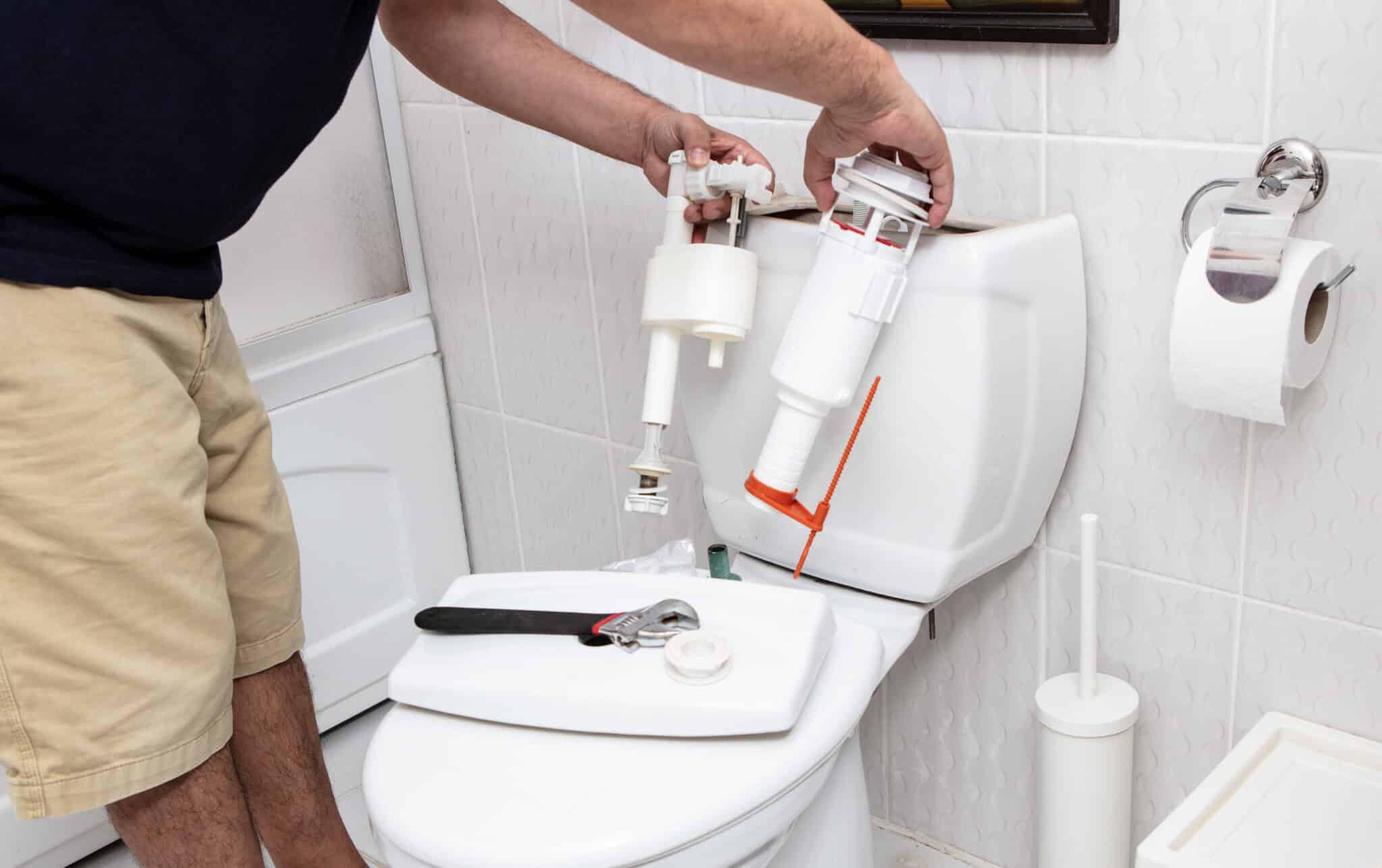
When a toilet keeps running, replacing a faulty flapper often comes as a straightforward yet effective solution. This common issue can usually be identified during the initial inspection phase. If the flapper appears cracked, warped, or simply doesn’t seal properly, it’s time for a new one. Homeowners in Myrtle Beach, SC, will find that this simple switch can significantly reduce water waste and silence a noisy toilet.
To start, one must first purchase a replacement flapper, ensuring it matches the size and type of the existing one. Installation involves disconnecting the old flapper from the chain and the base of the overflow tube, then attaching the new one in its place. This process is relatively simple and can be done without professional help, making it an ideal DIY fix for a running toilet.
However, if the new flapper doesn’t solve the problem, it might indicate a more complex issue with the toilet’s mechanics. In such cases, further investigation into the fill valve or even the handle mechanism might be necessary. Residents of Conway, SC, facing such challenges should consider whether they’re comfortable proceeding or if it’s time to call in a professional.
Ultimately, while many toilet running issues can be resolved with DIY efforts, recognizing when to seek help is crucial. A new flapper can often do the trick, but persistent problems after its replacement suggest it’s time to consult a plumber. This ensures not only the durability of the fix but also the efficient operation of your toilet, saving both water and frustration in the long run.
Adjusting the Fill Valve to Stop Toilet Running
Adjusting the fill valve is another effective method to address a toilet running issue. This component regulates the water level in the tank, ensuring it doesn’t overflow into the bowl. If the fill valve is not properly calibrated, it can lead to continuous water flow. By adjusting it, homeowners in Myrtle Beach, SC, can often quickly remedy the problem without needing professional assistance.
First, locate the fill valve on the left side of the tank and check if it’s secure and free of debris. Sometimes, sediment buildup can obstruct the valve’s function, causing the toilet to run incessantly. A gentle cleaning can remove these obstructions, allowing the valve to operate smoothly. This simple maintenance step can prevent the unnecessary waste of water and reduce your utility bills.
If cleaning doesn’t solve the issue, the next step is to adjust the fill valve’s height or the float attached to it. Most models have a screw or clip that allows for easy adjustment. Lowering the float can reduce the water level, stopping the toilet from running. This adjustment is straightforward and can be a definitive solution for residents in Conway, SC, facing this common plumbing challenge.
However, if the toilet continues to run despite these adjustments, the fill valve may need to be replaced. While this task is more complex than the previous steps, it’s still within the capability of a determined DIYer. But, if uncertainty arises or the problem persists, calling a professional plumber ensures a thorough and lasting solution. This approach guarantees that the toilet running issue is resolved efficiently, restoring tranquility and efficiency to your home.
The Role of the Flush Valve in Toilet Running
The flush valve plays a crucial role in preventing a toilet from running incessantly. Situated in the center of the tank, it releases water into the bowl when you flush and then seals to ensure the tank refills properly. If this valve is damaged or fails to seal completely, water leaks continuously, causing the toilet to run. Homeowners in Myrtle Beach, SC, can inspect this valve for signs of wear or damage as a potential source of their problem.
Replacing a faulty flush valve is a more involved process but is still achievable for those inclined towards DIY repairs. This task involves draining the tank and removing it to access the valve, which might sound daunting but is straightforward with proper instructions. A new flush valve can restore the toilet to proper function, eliminating the frustrating sound of water running constantly. This fix not only brings peace but also conserves water, aligning with the efforts of residents in Conway, SC, to maintain efficient homes.
However, it’s important to ensure that the replacement valve is the correct size and type for your toilet. Incorrectly installed flush valves can lead to further issues, such as leaks or even more running toilets. Taking the time to select the right part and install it correctly pays off by providing a lasting solution to the problem. This attention to detail ensures the effort put into the repair secures the desired outcome.
When the issue persists despite a new flush valve, it’s a clear signal to call a professional plumber. They have the expertise to diagnose complex issues that might not be apparent to the average homeowner. A plumber can offer a durable solution, ensuring that the toilet running issue is resolved efficiently and effectively. For those in Myrtle Beach, SC, and surrounding areas, professional help is a valuable resource for maintaining the functionality and efficiency of their plumbing systems.
When to Replace Your Toilet’s Handle and Chain
In some cases, a toilet running issue might stem from a faulty handle or a problematic chain. If the handle sticks or the chain is kinked, it can prevent the flapper from sealing properly, allowing water to escape continuously. Homeowners in Myrtle Beach, SC, should inspect these components for wear and tear. A simple replacement can often provide a quick fix to the annoying problem of a toilet that won’t stop running.
Replacing the toilet’s handle and chain is a straightforward process that doesn’t require professional plumbing skills. First, ensure the water supply to the toilet is turned off to avoid any spills. Then, remove the old handle and chain, paying attention to how they’re connected. Installing the new parts is usually a matter of reversing the removal process, making it an accessible DIY task for many.
However, if after replacing the handle and chain, the toilet continues to run, it might indicate a deeper issue. This persistence suggests that the problem might not be with the handle or chain but with other internal components like the flapper or fill valve. Residents of Conway, SC, facing such challenges might find this a good time to review the toilet’s internal mechanisms once more. Ensuring all parts work harmoniously is key to stopping a toilet from running.
When DIY fixes don’t resolve the toilet running issue, it’s wise to call in a professional plumber. They have the expertise to diagnose and repair complex problems that go beyond the scope of simple part replacements. A plumber can ensure that all components of the toilet are functioning correctly, providing a long-term solution to the problem. For homeowners in Myrtle Beach, SC, and surrounding areas, professional assistance is invaluable in maintaining an efficient and quiet bathroom.
Professional Solutions for Persistent Toilet Running
For homeowners in Myrtle Beach, SC, who have tried all the DIY fixes for a running toilet without success, it’s time to consider professional solutions. A plumber brings not only the necessary tools but also a depth of knowledge that ensures a thorough diagnosis. They can identify issues that aren’t immediately apparent to the untrained eye, such as hidden leaks or problems with the toilet’s internal plumbing. This expertise is invaluable for resolving toilet running issues effectively and preventing future occurrences.
When a plumber visits your home in Conway, SC, they will conduct a comprehensive assessment of your toilet’s condition. This might include checking the water pressure, examining the integrity of the pipes, and ensuring all components are functioning correctly. Their goal is to pinpoint the exact cause of the toilet running, whether it’s a complex issue with the plumbing system or a malfunctioning part that was overlooked. By addressing the root of the problem, plumbers provide a solution that is both effective and lasting.
Choosing to hire a professional plumber also means gaining access to high-quality replacement parts that might not be available at your local hardware store. Plumbers often use commercial-grade materials that are more durable and reliable than standard retail options. This ensures that any replaced components contribute to the longevity and efficiency of your toilet, reducing the likelihood of future problems. It’s a wise investment for homeowners seeking peace of mind and wanting to avoid the hassle of repeated repairs.
Ultimately, while DIY fixes are a great first line of defense against a running toilet, some situations require the expertise of a professional. Residents of Myrtle Beach and Conway, SC, can benefit from the specialized skills and tools that plumbers offer. Not only does this approach save time and frustration, but it also ensures that the toilet running issue is resolved once and for all. For durable and efficient solutions, turning to a professional plumber is the smart choice.
Preventative Maintenance to Avoid Toilet Running
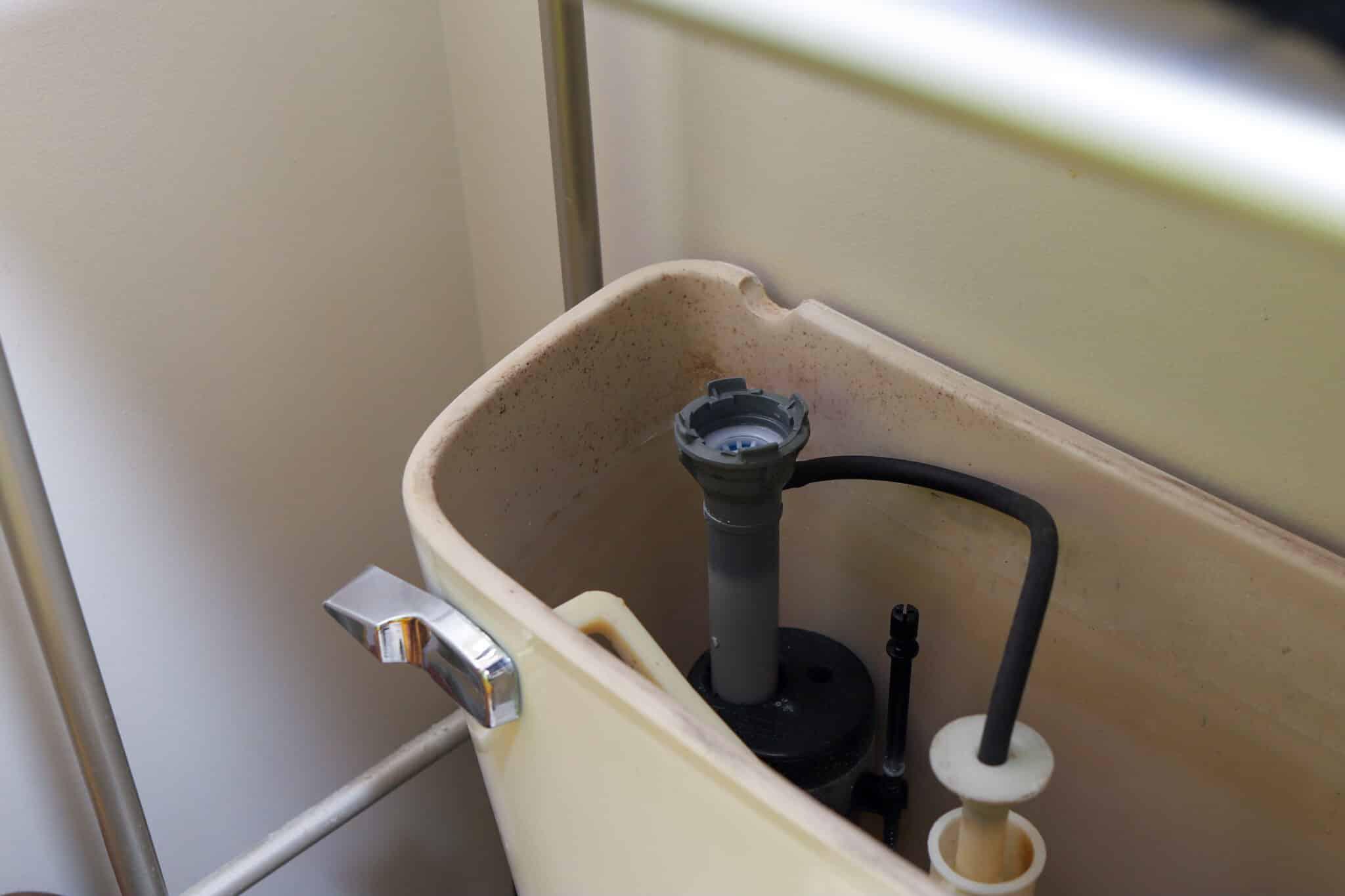
To avoid the frustration of a toilet running, homeowners in Myrtle Beach, SC, can adopt a proactive approach to maintenance. Regularly checking the toilet’s internal components, such as the flapper, fill valve, and flush valve, can prevent issues before they start. This includes looking for signs of wear or damage that could lead to water leakage. By catching these problems early, you can save time and avoid the inconvenience of unexpected repairs.
Another effective strategy is to clean the toilet’s tank and parts periodically. Over time, sediment and debris can build up, affecting the toilet’s efficiency and leading to a running toilet. Simple cleaning with a mild cleaner can keep these components functioning properly. This not only helps in maintaining a quiet and efficient toilet but also extends the lifespan of the parts involved.
In Conway, SC, residents can benefit from installing high-efficiency toilets designed to reduce the risk of running. These modern toilets are engineered with advanced mechanisms that minimize common issues like leaks or continuous water flow. Opting for such an upgrade can be a smart investment, ensuring your bathroom’s plumbing operates smoothly and efficiently.
Lastly, scheduling an annual inspection with a professional plumber can serve as a preventative measure against a toilet running. A plumber can identify and address potential problems before they escalate, saving homeowners from future headaches. This approach guarantees peace of mind, knowing your toilet’s maintenance is in good hands, and preserving the tranquility of your home.

 Your Privacy Choices