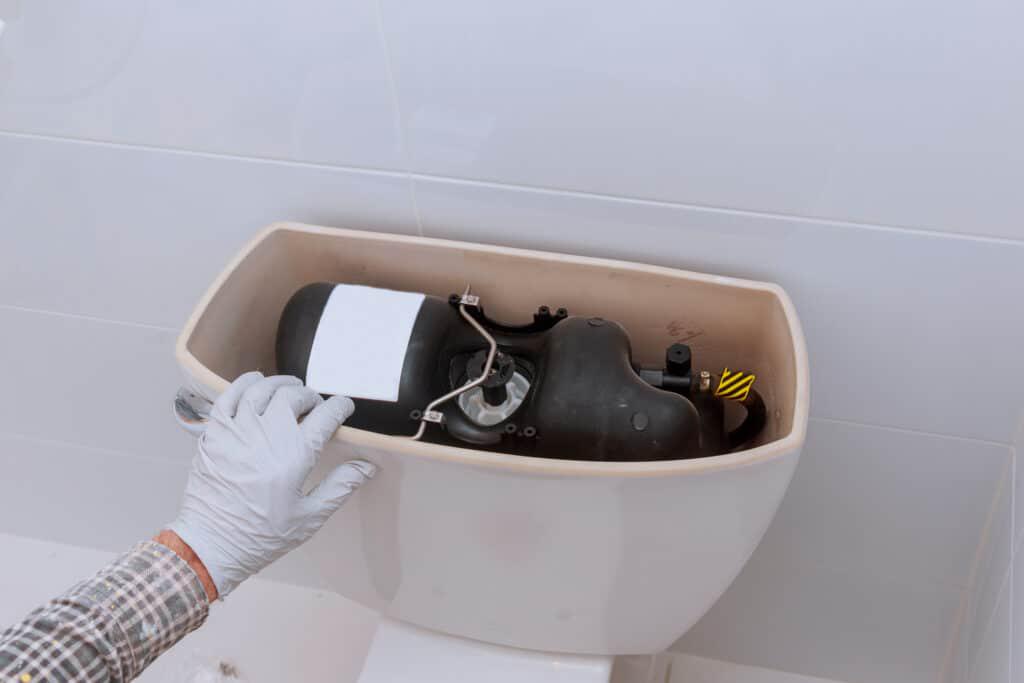
In Myrtle Beach, SC, homeowners often face a peculiar issue known as phantom flushes, where toilets seem to flush on their own. This phenomenon isn’t just startling, it’s also a sign of water wastage that can drive up utility bills. Fortunately, a simple flapper adjustment can often resolve this issue, ensuring that your toilet operates efficiently and quietly. Understanding how to diagnose and adjust a toilet flapper is essential for maintaining your home’s plumbing system in top condition.
Phantom flushes typically occur when the toilet’s flapper fails to seal properly, allowing water to leak from the tank into the bowl. This leakage prompts the tank to refill periodically, mimicking the sound of a flush. By performing a flapper adjustment, homeowners in Conway, SC, and beyond can prevent these unnecessary water cycles. Not only does this save on water consumption, but it also contributes to the longevity of your plumbing fixtures.
Flapper adjustment is a straightforward process that can have immediate effects on your water usage and bill. When adjusted correctly, the flapper ensures a tight seal, stopping water from leaking between flushes. This flapper adjustment is a key step in maintaining an efficient and effective toilet, a goal that every homeowner in Myrtle Beach, SC, should strive for. Plus, conserving water is not just good for your wallet, it’s also beneficial for the environment.
In conclusion, addressing phantom flushes through flapper adjustment is a smart move for any homeowner looking to reduce water waste and save money. It’s a simple yet effective way to enhance your home’s plumbing system, ensuring it works seamlessly. Whether you’re in Myrtle Beach, SC, or Conway, SC, taking the time to check and adjust your toilet’s flapper can lead to significant savings and a more eco-friendly home.
Understanding Phantom Flushes in Your Toilet
To tackle phantom flushes effectively, it’s crucial to first understand what causes them. In many cases, the culprit is a compromised toilet flapper that doesn’t seal properly. This small but vital component is the gatekeeper that controls water flow from the tank to the bowl. When it fails to seal, water leaks, leading to the tank refilling without a proper flush, a phenomenon particularly noticeable in homes across Myrtle Beach, SC.
Identifying a faulty flapper is the first step in the flapper adjustment process. Homeowners can start by inspecting the flapper for signs of wear or damage. If the flapper appears warped or brittle, it’s likely allowing water to escape. This simple diagnosis can save residents in Conway, SC, and surrounding areas from the frustration of phantom flushes and the cost of unnecessary water usage.
Once a faulty flapper is identified, the adjustment process can begin. This involves either replacing the flapper or adjusting its chain length to ensure a proper seal. The goal is to have the flapper sit snugly in place, preventing water from leaking between flushes. This flapper adjustment is straightforward and can make a significant difference in the efficiency of your toilet’s operation.
Finally, regular checks and maintenance of the toilet flapper can prevent future issues. Homeowners should make it a habit to inspect their toilet components periodically. By doing so, they not only address phantom flushes but also extend the life of their plumbing fixtures. This proactive approach contributes to water conservation efforts and helps maintain an efficient home plumbing system in Myrtle Beach, SC, and beyond.
The Role of a Toilet Flapper: Basics Explained
Understanding the role of a toilet flapper is crucial for homeowners aiming to tackle phantom flushes. This rubber or plastic valve acts as a barrier between the tank and the bowl. When you flush, the flapper lifts, allowing water to move from the tank into the bowl. Ensuring it functions correctly is key to maintaining an efficient toilet and avoiding water wastage.
Flapper adjustment becomes necessary when this valve does not perform its duty effectively. An improperly sealed flapper can lead to water leaks, contributing to the phantom flush phenomenon. Adjusting the flapper ensures it sits perfectly over the opening, creating a watertight seal. This simple action can significantly reduce water loss and the annoyance of unexpected flushes.
For those in Myrtle Beach, SC, and Conway, SC, familiarizing themselves with the flapper’s operation can save time and money. Knowing how to adjust the flapper’s chain for the right tension and seal can prevent frequent water leaks. This not only conserves water but also reduces the need for costly repairs. Homeowners can easily perform this maintenance task, ensuring their toilets function efficiently.
Regularly checking the toilet flapper for signs of wear or damage is a good practice. Over time, flappers can become brittle or deformed, losing their ability to seal properly. By replacing or adjusting the flapper as needed, homeowners can maintain an effective and eco-friendly toilet. This proactive approach contributes to a well-maintained plumbing system and supports water conservation efforts.
Flapper Adjustment: A Step-by-Step Guide
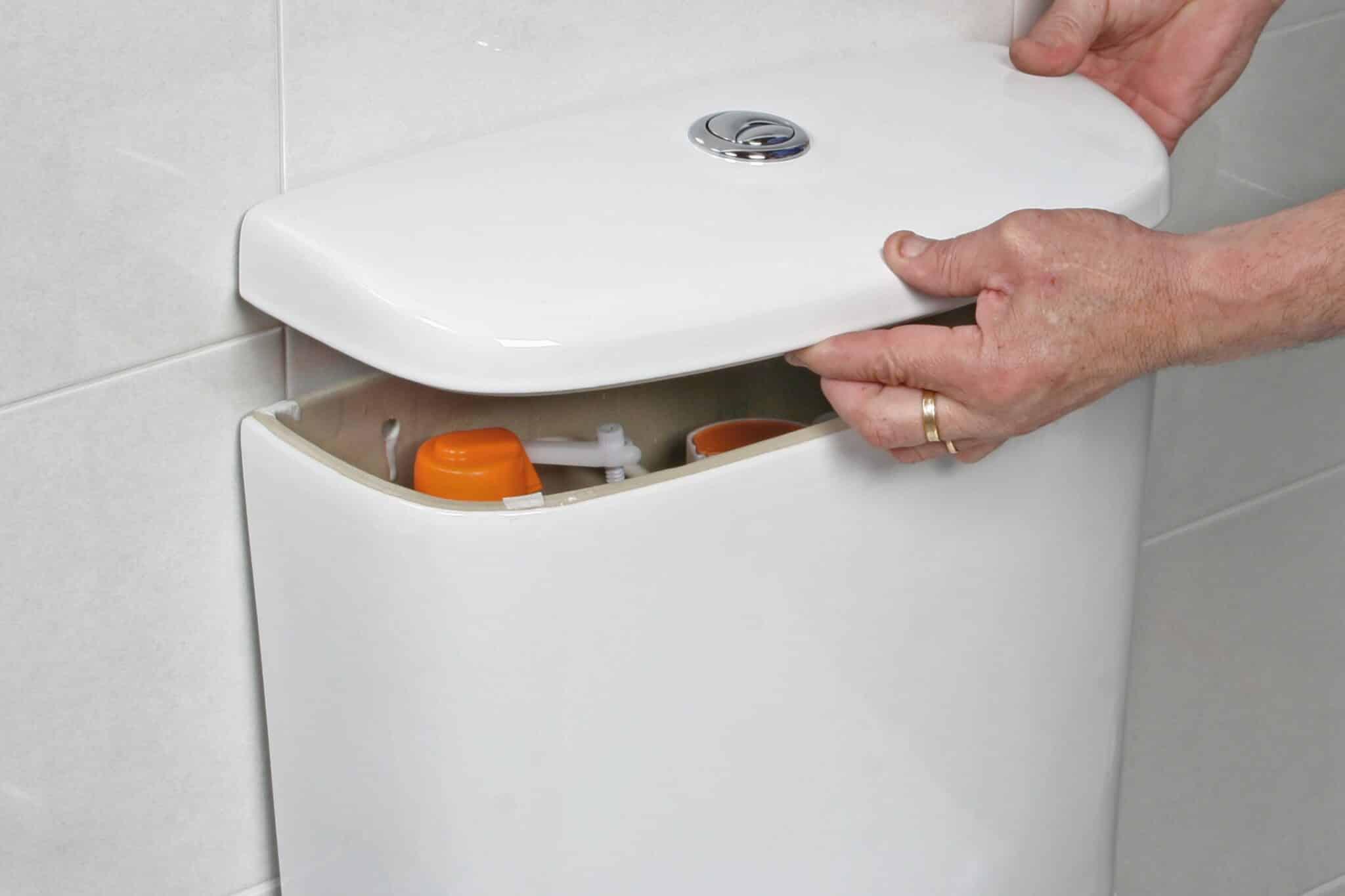
Performing a flapper adjustment is a straightforward task that any homeowner in Myrtle Beach, SC, can undertake to combat phantom flushes. First, turn off the water supply to your toilet to prevent any water from flowing into the tank. This crucial step ensures a dry working area, making it easier to handle the flapper. Next, remove the lid from the toilet tank and place it safely aside to access the flapper.
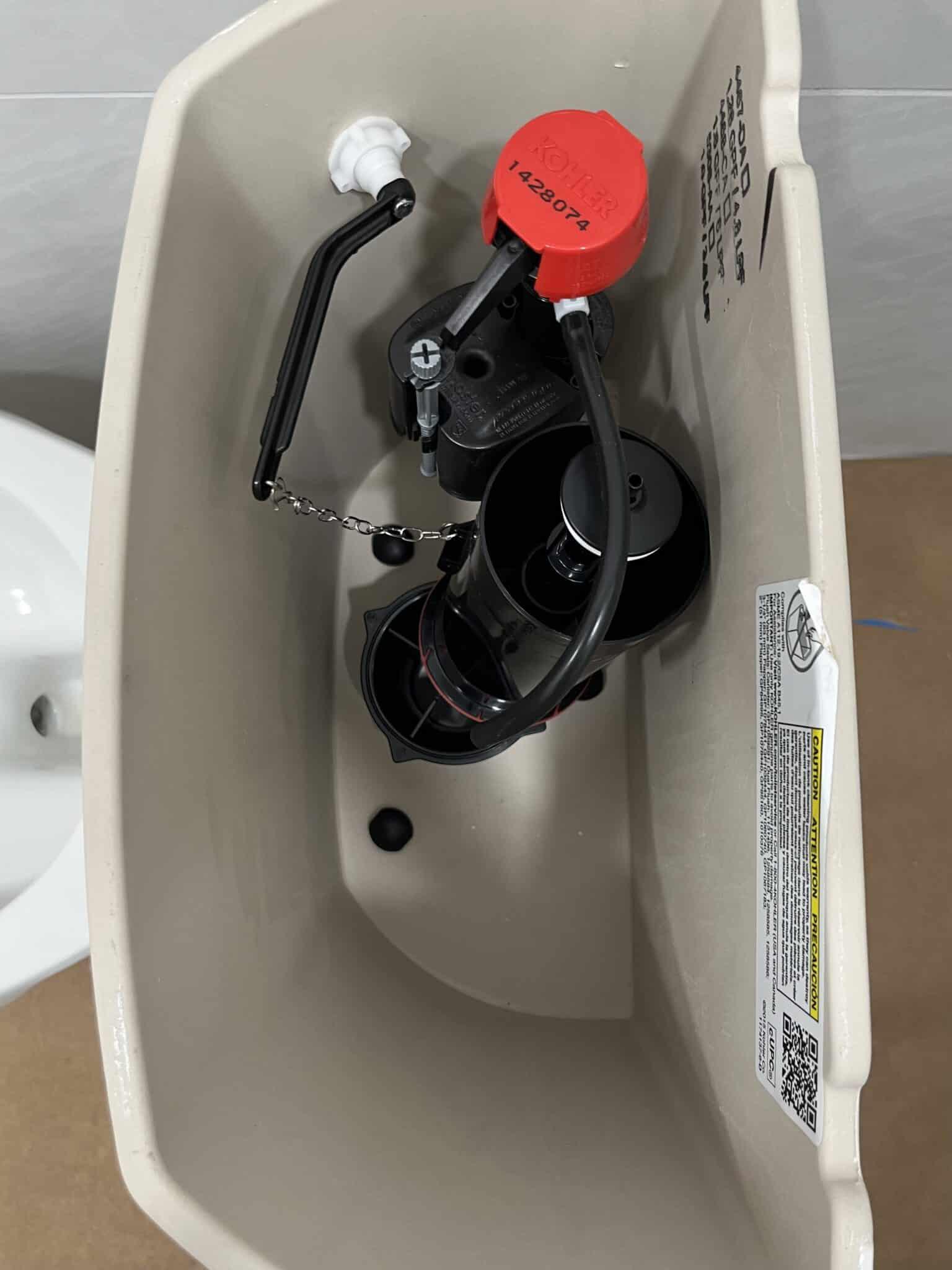
Inspect the flapper closely for any signs of wear or damage. If the rubber looks warped or the plastic is cracked, it’s time for a replacement. However, if the flapper appears to be in good condition, you might just need to adjust its chain. A properly adjusted chain allows the flapper to seal the tank tightly, preventing any unwanted water flow.
To adjust the flapper chain, simply unhook it from the arm and rehook it to shorten or lengthen its length. The goal is to find the perfect balance where the flapper can fully close without too much slack, yet without being so tight that it can’t seal properly. This flapper adjustment can make a significant difference in stopping water from leaking between flushes. After adjusting, test the flush to ensure the chain’s length is just right, making any necessary tweaks.
Lastly, turn the water supply back on and observe the toilet’s operation. A successful flapper adjustment means no more phantom flushes, leading to water savings and reduced utility bills. For residents in Conway, SC, this simple fix not only enhances the efficiency of their toilets but also contributes to a more environmentally friendly home. Regular maintenance, including flapper checks, ensures your toilet remains in top working condition.
Common Flapper Problems and Their Solutions
Flapper problems in toilets are often easy to identify but knowing the right solution is key to preventing phantom flushes. One common issue is a flapper that doesn’t properly align with the opening at the bottom of the tank. This misalignment can cause water to leak continuously, leading to the sound of a phantom flush. Adjusting the flapper so it sits squarely over the opening is crucial for creating a watertight seal and stopping the leak.
Another frequent problem is a flapper that has become too stiff or brittle over time. This rigidity prevents the flapper from sealing the tank opening effectively after each flush. In such cases, homeowners in Myrtle Beach, SC, might need to replace the flapper instead of adjusting it. Choosing a flexible and durable replacement can save water and eliminate the annoyance of phantom flushes.
Sometimes, the issue lies not with the flapper itself but with the chain length. If the chain is too short, it can prevent the flapper from fully closing, while a chain that’s too long might not lift the flapper high enough to allow a complete flush. Homeowners in Conway, SC, can easily fix this by adjusting the chain length to ensure it’s just right. This balance allows the flapper to function properly, maintaining the efficiency of the toilet.
Lastly, it’s important to check the flapper for any buildup of sediment or debris, which can prevent a tight seal. Cleaning the flapper and the area around the seal can often resolve minor leaks without the need for adjustment or replacement. Regular maintenance, including cleaning and checking the condition of the flapper, ensures the longevity of your toilet’s components and helps in conserving water.
Tools You’ll Need for Flapper Adjustment
For homeowners in Myrtle Beach, SC, tackling a flapper adjustment begins with gathering the right tools. A pair of pliers and a screwdriver are essential for adjusting the chain or replacing the flapper. Having these tools on hand simplifies the process, allowing for quick and efficient fixes. This ensures that any flapper adjustments or replacements needed can be done without delay.
In Conway, SC, it’s also wise to have a replacement flapper available, just in case adjustment isn’t enough. A high-quality flapper is crucial for maintaining a tight seal and preventing water from leaking. Selecting the correct size and type for your toilet’s model guarantees a perfect fit. This preemptive approach saves time and avoids the frustration of multiple trips to the hardware store.
Understanding how to use these tools effectively is key to a successful flapper adjustment. The screwdriver can be used to adjust the flush valve mechanism, while pliers are perfect for tweaking the chain length. Proper adjustment ensures the flapper operates smoothly, eliminating phantom flushes. This hands-on knowledge empowers homeowners to maintain their toilets efficiently.
Regular maintenance, including flapper checks and adjustments, keeps toilets in optimal condition. For residents of Myrtle Beach, SC, and Conway, SC, this means less water waste and lower utility bills. Armed with the right tools and knowledge, tackling flapper issues becomes a simple task. This proactive approach contributes to a more sustainable home and community.
Preventative Measures to Avoid Future Phantom Flushes
To prevent future instances of phantom flushes, adopting a routine maintenance schedule for your toilet’s components, including flapper adjustment, is essential. This proactive approach not only ensures the efficiency of your toilet but also contributes to significant water savings over time. For homeowners in Myrtle Beach, SC, checking the toilet flapper and its seal every few months can help catch issues before they turn into bigger problems. This regular inspection helps identify wear and tear early, making adjustments or replacements timely and manageable.
In addition to routine checks, installing a water-efficient flapper designed for your specific toilet model can make a considerable difference. These flappers are engineered to provide a tight seal and withstand the test of time, reducing the likelihood of phantom flushes. For residents in Conway, SC, choosing a compatible flapper ensures that adjustments are minimal and more effective, contributing to the overall performance of the toilet.
Educating all household members about the importance of not overloading the toilet’s flush mechanism is another preventative measure. Excessive use of toilet paper or flushing non-decomposable items can strain the flapper, leading to leaks and the need for more frequent adjustments. By fostering awareness, families can collectively contribute to the longevity of their toilet’s components and the conservation of water resources.
Lastly, considering the installation of a newer, more efficient toilet model might be a wise long-term solution for those experiencing persistent issues with phantom flushes. Modern toilets are designed with water conservation in mind and often come equipped with parts that require less adjustment. This upgrade can be particularly beneficial for homes in Myrtle Beach, SC, looking to reduce their environmental footprint while ensuring their plumbing systems are as efficient as possible.
The Environmental Impact of Fixing Phantom Flushes
Fixing phantom flushes through flapper adjustment goes beyond just conserving water and saving on utility bills, it significantly contributes to environmental sustainability. In Myrtle Beach, SC, where water conservation is increasingly vital, ensuring that toilets operate efficiently can make a substantial difference in the community’s overall water usage. By minimizing leaks, residents actively reduce the demand on local water treatment facilities. This not only conserves precious resources but also decreases the energy required for water purification and distribution, underscoring the broader ecological benefits of maintaining a well-functioning toilet.
In Conway, SC, homeowners who commit to regular flapper adjustments and toilet maintenance play a crucial role in protecting local waterways. Leaky toilets can lead to excessive water usage, which, during peak times, can strain municipal water systems and contribute to unnecessary runoff. This runoff can carry pollutants into rivers and oceans, harming aquatic ecosystems. Therefore, a simple act of flapper adjustment becomes a significant step towards safeguarding the environment and supporting the health of local water bodies.
Educating the community about the importance of flapper adjustment and its environmental impact can amplify the benefits. When individuals understand that their actions have a direct effect on water conservation and ecosystem health, they are more likely to take proactive steps in their homes. This collective effort can lead to a substantial reduction in water waste, demonstrating how small, individual actions contribute to a larger environmental solution.
Finally, the move towards fixing phantom flushes aligns with broader environmental goals, including reducing the carbon footprint associated with water treatment and distribution. By ensuring that toilets in their homes are not wasting water, residents of Myrtle Beach, SC, and Conway, SC, are contributing to a more sustainable future. This approach not only addresses the immediate issue of water loss but also promotes a culture of environmental responsibility and stewardship, proving that everyone has a part to play in preserving our planet.
When to Call a Professional for Flapper Issues
While DIY approaches to flapper adjustment can be effective, there are instances when it’s best to seek professional help. In Myrtle Beach, SC, persistent issues with phantom flushes despite multiple adjustments signal a deeper problem. A professional plumber can diagnose underlying issues that aren’t immediately apparent to homeowners. They bring expertise and tools that ensure the job is done right, avoiding further water waste and frustration.
Sometimes, the problem extends beyond the flapper, involving complex parts of the toilet’s mechanism. In such cases, residents of Conway, SC, might find the repair process daunting. Professionals can quickly identify whether the issue lies with the flapper, the fill valve, or other components. Their comprehensive approach not only fixes the immediate problem but also helps prevent future occurrences.
Hiring a professional also saves time and potentially money in the long run. Attempting multiple fixes without success can be costly, considering the continued water wastage and potential for incorrect parts or adjustments. A professional plumber can resolve the issue efficiently, ensuring that your toilet operates effectively and conserves water as intended. This peace of mind is invaluable, knowing that your plumbing system is in good hands.
Moreover, professionals can offer advice on maintaining your toilet’s efficiency and preventing similar issues. They might suggest upgrades or replacements that are more suited to your home’s needs, contributing to long-term savings and environmental conservation. For homeowners in both Myrtle Beach, SC, and Conway, SC, consulting a professional for flapper issues is a wise decision, ensuring their toilets are both efficient and eco-friendly.

 Your Privacy Choices