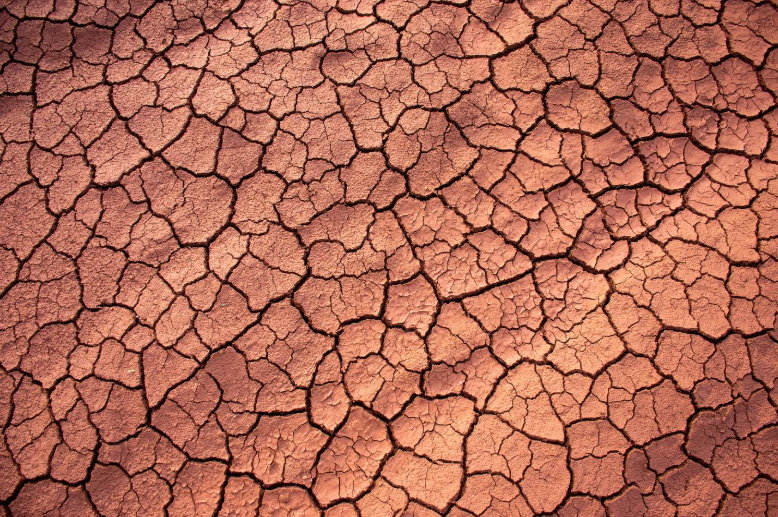
Drought restrictions are temporary water-use measures designed to protect local water supplies during periods of below-average rainfall or increased demand. Water conservation is an important part of protecting local water supplies. During periods of below-average rainfall or increased demand, water providers in communities such as Myrtle Beach, SC, and Conway, SC, may implement drought restrictions to help preserve available resources.
For property owners, understanding these measures is about more than following local rules. Drought restrictions can influence how and when you water your landscape, wash your vehicle, fill outdoor water features, and manage everyday household water use. They also encourage habits that reduce unnecessary waste, helping lower utility costs while supporting the long-term reliability of community water supplies.
Many households are surprised to learn that small plumbing leaks and inefficient fixtures can waste significant amounts of water over time. Addressing these issues with the help of a qualified plumbing professional can improve water efficiency without requiring risky repairs or major lifestyle changes.
This guide explains what drought restrictions are, why they are implemented, how they may affect daily household water use, and practical, safe water-saving strategies that property owners can adopt. You'll also learn why regions like South Carolina have become leaders in water conservation and how those lessons can encourage responsible water use in communities such as Myrtle Beach and Conway. By understanding drought restrictions, you'll be better prepared to conserve water, avoid unnecessary utility expenses, and stay informed about local water-use requirements.
What Are Drought Restrictions?
Drought restrictions are temporary rules or guidelines established by local or regional water authorities to reduce water consumption when supplies become strained. Their primary goals are to:
- Protect drinking water supplies.
- Preserve reservoirs, rivers, lakes, and groundwater.
- Maintain adequate water pressure for essential services.
- Promote responsible water use during dry conditions.
- Help ensure enough water is available for future community needs.
The specific requirements vary depending on the location and the severity of drought conditions. Many water providers introduce different stages of restrictions, beginning with voluntary conservation efforts and progressing to mandatory measures if water shortages continue. Common examples of drought restrictions may include:
- Watering lawns only on designated days or during approved hours.
- Limiting landscape irrigation.
- Reducing vehicle washing.
- Restricting the filling or refilling of swimming pools.
- Limiting the use of decorative fountains or other non-essential outdoor water features.
- Encouraging prompt repair of plumbing leaks to prevent unnecessary water waste.
Most restrictions focus on reducing non-essential outdoor water use while encouraging efficient indoor water habits. Conserving water helps maintain reliable supplies for essential daily needs, including:
- Drinking and cooking.
- Personal hygiene and sanitation.
- Healthcare facilities.
- Fire protection and emergency response.
- Businesses and critical public services.
Property owners in Myrtle Beach, SC, and Conway, SC, should always check with their municipal utility or local water authority for the latest guidance, as drought restrictions can change based on rainfall, reservoir levels, and community water demand.
Why Communities Implement Drought Restrictions
Communities implement drought restrictions to protect water supplies when demand exceeds available resources or when rainfall is insufficient to replenish reservoirs, rivers, lakes, and groundwater. These measures help balance water use so there is enough available for homes, businesses, healthcare facilities, and emergency services during dry conditions.
Weather patterns play a significant role in determining when restrictions become necessary. Extended periods of below-average rainfall, higher-than-normal temperatures, and increased evaporation can reduce available water supplies. Although coastal South Carolina generally receives ample annual rainfall, periods of below-average precipitation, seasonal demand, and population growth can place additional pressure on local water supplies. Long-term conservation practices help communities prepare for these situations while supporting the sustainable use of water resources.
Even areas that typically receive ample rainfall can experience periods of drought, increased water demand, or other conditions that place stress on local water supplies. Long-term water conservation practices, such as reducing unnecessary water use and maintaining efficient plumbing systems, help communities prepare for these situations while supporting the sustainable management of local water resources.
Beyond addressing immediate shortages, drought restrictions support the long-term sustainability of local water resources. Conserving water today helps preserve supplies for future generations, reduces stress on public infrastructure, and encourages households to adopt habits that minimize unnecessary waste while helping control monthly utility costs.
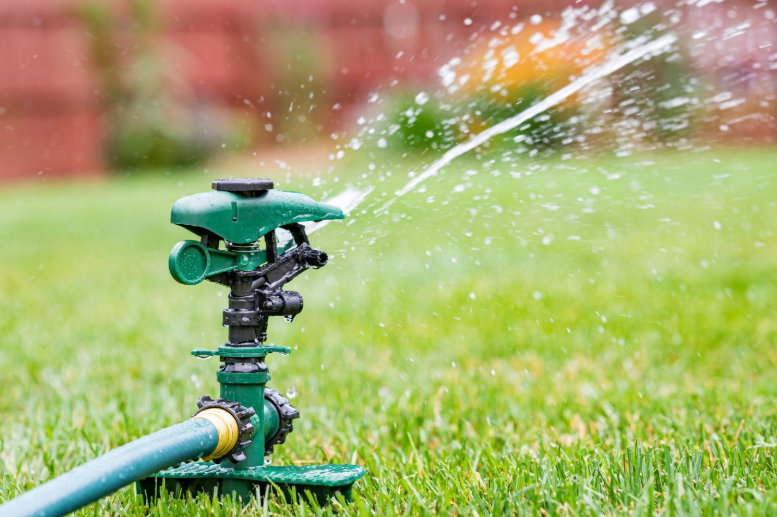
Photo from iStock - Credit: JJ Gouin
How Drought Restrictions Affect Household Water Use
Drought restrictions can change how property owners use water both outdoors and indoors. While the exact rules vary by location, the primary goal is to reduce unnecessary water consumption without affecting essential daily activities. Understanding these changes can help households adjust their routines while supporting community water conservation efforts.
Outdoor water use is often the first area affected because it accounts for a significant portion of residential water consumption. Restrictions may limit lawn irrigation to specific days or times, reduce landscape watering, or place temporary limits on washing vehicles and filling swimming pools. These measures help conserve large amounts of water during periods of increased demand.
Indoor water use is generally less restricted, but residents are encouraged to use water more efficiently. Taking shorter showers, running dishwashers and washing machines only with full loads, and turning off faucets when they are not in use are simple habits that can reduce daily water consumption. Addressing plumbing leaks promptly is equally important, as even a small leak can waste a considerable amount of water over time.
By making small adjustments to everyday water use, property owners can help protect local water supplies, reduce unnecessary waste, and manage monthly utility costs more effectively while complying with local drought restrictions.
Practical Ways to Reduce Water Waste at Home
Reducing water waste does not require major lifestyle changes. Small, consistent habits can make a meaningful difference during drought restrictions while helping lower monthly utility costs. Using water wisely also helps protect local water supplies for the entire community.
Start by checking for visible plumbing leaks around faucets, toilets, showerheads, and outdoor hose connections. Even a slow drip can waste water over time. If you notice a leak or suspect hidden water loss, it's best to have it inspected by a licensed plumber to prevent unnecessary waste and potential damage.
Water-efficient fixtures can also reduce daily water consumption without sacrificing performance. Modern low-flow showerheads, high-efficiency toilets, and WaterSense-labeled faucets are designed to use less water while maintaining comfort and functionality. Running dishwashers and washing machines only with full loads and turning off the faucet while brushing your teeth or shaving are additional ways to conserve water.
Outdoor water use deserves equal attention. Water lawns and landscaping only when permitted by local regulations, avoid watering during the hottest part of the day to reduce evaporation, and use mulch around plants to help retain soil moisture. These simple practices can support healthier landscapes while reducing unnecessary water use during drought restrictions.
How Efficient Plumbing Helps During Drought Restrictions
An efficient plumbing system plays an important role in conserving water during drought restrictions. Even minor plumbing issues can lead to unnecessary water waste, increasing both utility bills and the demand on local water supplies. Keeping your plumbing system in good condition helps your household use water more responsibly throughout the year.
Professional plumbing services can identify hidden leaks, repair worn fixtures, and recommend water-efficient upgrades that improve performance while reducing water consumption. Replacing outdated toilets, faucets, and showerheads with high-efficiency models can significantly improve water efficiency without affecting everyday comfort.
Routine plumbing inspections are another effective way to detect problems before they become costly. Identifying small leaks, aging pipes, or inefficient fixtures early can help prevent water waste and support long-term conservation efforts. These proactive measures are especially valuable when local communities implement drought restrictions.
If you want to improve your home's water efficiency, Benjamin Franklin Plumbing of Myrtle Beach, SC can assess your plumbing system and recommend solutions that help reduce water waste while supporting responsible water use. Professional guidance ensures upgrades are completed safely and in accordance with local plumbing standards.
Drought Restrictions in Myrtle Beach and Conway
Residents of Myrtle Beach, SC, and Conway, SC, may experience drought restrictions when local water supplies are affected by extended dry weather, increased water demand, or other environmental conditions. The timing and severity of these restrictions depend on local water availability and decisions made by the area's water providers.
Because water conditions can change throughout the year, it's important to stay informed about current regulations in your community. Local utilities and water authorities provide updates on watering schedules, conservation measures, and any temporary restrictions that may be in effect. Following these guidelines helps protect shared water resources and supports the long-term reliability of the local water system.
Even when mandatory restrictions are not in place, practicing water conservation is a smart habit. Using water efficiently, repairing plumbing leaks promptly, and avoiding unnecessary waste can help preserve local water supplies while reducing monthly utility costs. These everyday efforts benefit both individual households and the broader community during periods of normal water use and times of drought restrictions.
What Property Owners Can Learn About Water Conservation
Water conservation is most effective when it becomes part of everyday routine rather than a response to drought alone. Simple habits, such as repairing plumbing leaks promptly, installing water-efficient fixtures, running appliances only with full loads, and avoiding unnecessary outdoor water use, can significantly reduce household water consumption over time.
These practices not only help prepare households for future drought restrictions but also support lower utility bills and the long-term sustainability of local water supplies. Regardless of current weather conditions, using water responsibly benefits both individual property owners and the broader community.
Although Myrtle Beach, SC, and Conway, SC, receive significantly more rainfall, responsible water use remains important. Population growth, seasonal demand, and changing weather patterns can all place additional pressure on local water supplies. By adopting practical conservation habits before drought restrictions become necessary, property owners can help protect community resources while promoting long-term water sustainability.
Conclusion
Drought restrictions play an important role in protecting water supplies during periods of limited rainfall and increased demand. By understanding why these measures are implemented and adopting practical water-saving habits, property owners can help conserve valuable resources, reduce unnecessary water waste, and potentially lower monthly utility costs. Even small changes, such as repairing plumbing leaks and using water-efficient fixtures, can make a meaningful difference over time.
Whether or not drought restrictions are currently in effect, responsible water use benefits everyone. Staying informed about local conservation measures and maintaining an efficient plumbing system can help your household adapt whenever water restrictions become necessary.
If you're looking to improve your home's water efficiency, Benjamin Franklin Plumbing of Myrtle Beach, SC is here to help. Our experienced plumbers can identify hidden leaks, recommend water-saving plumbing upgrades, and provide reliable solutions that support responsible water use. Contact our team today to schedule a plumbing inspection and learn how simple improvements can help you prepare for drought restrictions while protecting your home and your water resources.

 Your Privacy Choices