Sewer backup problems can become more common during the summer, when higher water usage, seasonal storms, and changing ground conditions place extra stress on residential plumbing systems. For homeowners in Myrtle Beach and Conway, recognizing early warning signs may help reduce the risk of messy, expensive damage and keep plumbing systems working as they should.
Some warning signs are easy to overlook at first. A slow drain, an unpleasant odor, or an occasional gurgling sound may seem minor, but when several symptoms appear together, they could point to a developing problem in the main sewer line. Addressing these issues early often gives homeowners more options before wastewater backs up into sinks, showers, or toilets.
Climate also plays a role in how plumbing systems perform. Along the South Carolina coast, warm temperatures, high humidity, and periods of heavy summer rainfall can increase demand on both household plumbing and municipal sewer systems. These local conditions can place additional stress on aging sewer lines and make seasonal plumbing problems more noticeable. Understanding how Myrtle Beach's environment affects plumbing can help homeowners recognize potential warning signs early.
In this guide, you'll learn the most common summer warning signs of a sewer backup, what may cause them during warmer months, and when it's time to contact Benjamin Franklin Plumbing of Myrtle Beach for a professional inspection to help protect your home's plumbing system. Our trusted plumber serves homeowners throughout Myrtle Beach, Conway, and surrounding communities with plumbing repairs, drain cleaning, sewer services, and 24/7 emergency plumbing support.
Why Summer Can Increase the Risk of Sewer Backup
Summer often brings conditions that can increase the likelihood of a sewer backup, even if your plumbing system has worked well throughout the rest of the year. Higher household water use, stronger thunderstorms, and seasonal changes beneath the ground can all place additional stress on sewer lines. Recognizing these seasonal factors can help homeowners respond before a minor issue develops into a costly plumbing emergency.
In Myrtle Beach, warm temperatures and coastal humidity encourage more outdoor activities, frequent laundry loads, and higher water consumption from visiting family and guests. During the same season, heavy rainstorms may overwhelm municipal sewer systems or saturate the soil around underground pipes. These conditions can make it harder for wastewater to flow efficiently, especially if a sewer line already has partial blockages or age-related wear.
Seasonal weather patterns in Myrtle Beach can increase stress on sewer systems through periods of heavy rainfall, saturated soil, and higher household water usage during the summer months. Paying attention to these seasonal conditions and scheduling routine plumbing inspections can help identify developing sewer line problems before they lead to wastewater backing up into the home.
Understanding these environmental differences highlights why plumbing maintenance should reflect local conditions. Paying attention to seasonal warning signs and scheduling routine inspections can help identify developing sewer line problems before they lead to wastewater backing up into the home.
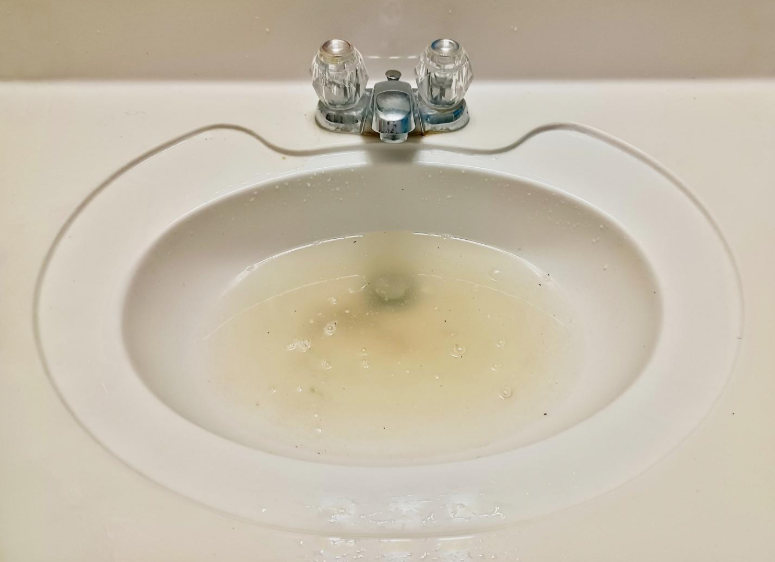
Photo from iStock - Credit: Brett_Hondow
Slow Drains Throughout the Home
One slow drain does not always indicate a serious plumbing problem. A single sink or shower may simply have a localized clog caused by soap residue, hair, or other debris. However, when several drains begin emptying slowly at the same time, it may suggest a developing issue deeper within the main sewer line.
A whole-home drainage problem often affects multiple plumbing fixtures, including sinks, bathtubs, showers, and floor drains. Because all household wastewater eventually flows through the same sewer line, a blockage there can restrict drainage throughout the home instead of affecting only one fixture.
Homeowners should also pay attention to recurring slow drains that return shortly after being cleared. Temporary improvements followed by repeated drainage problems may indicate that the underlying obstruction has not been fully resolved. Tree roots, grease buildup, or deteriorating sewer pipes can gradually reduce water flow and increase the likelihood of a future sewer backup.
Rather than relying on repeated chemical drain cleaners, which may damage some plumbing materials over time, it's generally safer to have persistent whole-home drainage issues evaluated by a licensed plumber. A professional inspection can identify the actual cause and recommend the most appropriate solution before wastewater begins backing up into the home.
Unpleasant Sewer Odors Inside or Outside
A persistent sewage smell is one of the clearest signs that something may be wrong with your plumbing system. While an occasional odor near a drain can have a simple explanation, strong or recurring sewer odors inside the home or around the yard should never be ignored. These smells may indicate that wastewater is not moving through the sewer line as it should.
When a blockage begins to form, waste and sewer gases can become trapped within the plumbing system. As pressure builds, unpleasant odors may escape through drains, toilets, or damaged pipe connections. If the smell becomes noticeable in more than one area of the home, it could point to a larger issue affecting the main sewer line rather than an isolated plumbing fixture.
Outdoor odors can also provide valuable clues. A strong sewage smell near a cleanout, foundation, or section of the yard may suggest that wastewater is not flowing properly underground. Although odors alone do not confirm a sewer backup, they often appear alongside other warning signs, such as slow drains or gurgling fixtures. Having the plumbing system inspected promptly can help identify the source before the problem becomes more severe.
Gurgling Sounds Coming From Drains or Toilets
Your plumbing system should operate quietly under normal conditions. If you begin hearing bubbling or gurgling noises after flushing a toilet or using a sink, it may mean air is struggling to move through the drainage system. These sounds can occur when a developing blockage disrupts the normal flow of wastewater.
For example, flushing one toilet may cause another toilet to gurgle, or running water in the washing machine may produce bubbling sounds from a nearby sink drain. Because all plumbing fixtures connect to the home's drain and vent system, restrictions in the main sewer line can affect multiple fixtures at once.
Gurgling does not always mean a major plumbing emergency is imminent, but it should not be dismissed if it happens repeatedly or appears alongside other symptoms. Multiple warning signs occurring together may indicate that a blockage is growing and increasing the risk of a sewer backup.
A licensed plumber can evaluate the drainage system using specialized equipment to determine whether the sounds are caused by a sewer line obstruction, a venting issue, or another plumbing concern. Early diagnosis often helps prevent more extensive damage and reduces the likelihood of wastewater entering the home.
Water Backing Up Into Lower-Level Fixtures
One of the most noticeable warning signs of a developing sewer line problem is wastewater backing up into plumbing fixtures located at the lowest point of the home. Basement floor drains, first-floor showers, bathtubs, or toilets are often the first places where water appears because gravity causes wastewater to seek the easiest path when the main sewer line becomes restricted.
A backup may begin with small amounts of water pooling around a floor drain or water rising unexpectedly in a shower after another fixture is used. For example, flushing a toilet may cause water to appear in a nearby tub or shower. These symptoms often indicate that wastewater is struggling to move through the sewer line efficiently.
If wastewater enters the home, avoid using sinks, toilets, washing machines, or other plumbing fixtures until the problem has been evaluated. Continuing to use water can increase pressure within the plumbing system and allow additional wastewater to back up into the home. Promptly contacting a licensed plumber can help limit water damage and identify the underlying cause of the sewer backup before it becomes more extensive.
Frequent Toilet Clogs During Summer
An occasional clogged toilet is not unusual, especially if too much toilet paper or an inappropriate item has been flushed. However, repeated toilet clogs that occur without an obvious cause may signal a larger issue affecting the home's sewer system.
During the summer months, plumbing systems often handle greater demand. Children are home from school, guests may visit more frequently, and vacation properties can experience higher occupancy. This increased water usage places additional strain on the main sewer line, making existing blockages more noticeable.
Pay attention if more than one toilet begins clogging frequently or if flushing one toilet affects another fixture elsewhere in the home. These combined symptoms often point to a problem beyond the individual toilet itself. When recurring clogs are accompanied by slow drains, sewer odors, or gurgling noises, the possibility of a sewer backup becomes more likely.
Rather than repeatedly using a plunger without understanding the underlying cause, it's wise to have recurring plumbing issues professionally evaluated. A thorough inspection can determine whether the problem is limited to a single fixture or involves the home's main sewer line, allowing appropriate repairs before significant damage occurs.
Lush or Soggy Areas in the Yard
Not every patch of green grass points to a plumbing problem, but an unusually lush or consistently soggy area in the yard can be an early warning sign that wastewater is escaping from a damaged sewer line. If one section of the lawn stays wet despite dry weather or grows noticeably faster than the surrounding grass, it may be worth having the area evaluated.
A cracked or leaking underground sewer pipe can release moisture and nutrients into the surrounding soil. Over time, this extra moisture may create soft ground, standing water, or unusually healthy vegetation directly above the damaged section of pipe. While irrigation issues can produce similar symptoms, changes that appear without an obvious explanation should not be overlooked.
Homeowners in Myrtle Beach and Conway may notice these signs more readily during the summer, when warm temperatures and seasonal rainfall encourage rapid grass growth. If soggy areas develop alongside slow drains, sewer odors, or indoor plumbing issues, they may indicate a developing sewer backup or damage within the main sewer line. A professional inspection can help determine the cause and recommend the appropriate solution before the problem worsens.
Common Summer Causes of Sewer Backup
Several seasonal factors can increase the likelihood of a sewer backup during the warmer months. While every property is different, understanding these common causes can help homeowners recognize potential risks before significant plumbing damage occurs.
Increased Household Water Use
Summer often brings higher water consumption as families spend more time at home, children are out of school, guests visit, and outdoor activities increase. More showers, laundry loads, and dishwashing place greater demand on the plumbing system, making existing sewer line restrictions more noticeable.
Heavy Rainfall and Stormwater
Summer thunderstorms can introduce large amounts of rainwater into municipal sewer systems. In some situations, this additional volume may slow wastewater movement or place added pressure on aging sewer infrastructure. Homes with existing sewer line issues may be more vulnerable when heavy rainfall occurs.
Tree Root Growth
Trees naturally seek moisture, and underground sewer pipes can become an attractive source when small cracks or loose joints are present. Over time, root growth may restrict wastewater flow and contribute to recurring drainage problems. A professional inspection can determine whether root intrusion is affecting the sewer line.
Grease and Debris Buildup
Cooking for family gatherings and seasonal celebrations can increase the amount of grease and food waste entering household drains. Although grease may leave the kitchen as a liquid, it can cool and solidify inside pipes, gradually narrowing the passage for wastewater. Combined with other debris, this buildup may contribute to future plumbing issues.
Aging Sewer Infrastructure
Older sewer lines may become more susceptible to cracks, corrosion, shifting soil, or normal wear over time. Summer conditions do not necessarily cause these issues, but increased plumbing demand can make existing weaknesses more noticeable. Regular inspections can help identify aging components before they result in a major plumbing emergency.
Safe Ways to Help Reduce the Risk of Sewer Backup
While no plumbing system is completely immune to problems, a few simple habits can help reduce the chances of a sewer backup. Preventive care focuses on minimizing unnecessary strain on the sewer line and identifying potential issues before they lead to costly damage.
One of the most effective practices is disposing of cooking grease correctly. Instead of pouring grease, fats, or oils down the drain, allow them to cool and place them in a sealed container for disposal according to local waste guidelines. Grease can harden inside pipes over time, creating blockages that restrict wastewater flow.
It's also important to be mindful of what goes down toilets and drains. Only human waste and toilet paper should be flushed. Items labeled as "flushable," along with paper towels, wipes, cotton products, and hygiene items, may not break down as easily as toilet paper and can contribute to sewer line blockages. In kitchen sinks, using a drain strainer can help reduce the amount of food debris entering the plumbing system.
Routine plumbing inspections are another valuable part of preventive maintenance. A licensed plumber can identify developing sewer line issues, signs of wear, or early blockages before they become major problems. This can be especially beneficial before or during the busy summer season, when increased water usage places added demand on household plumbing systems.
Finally, don't ignore early warning signs. Slow drains, recurring toilet clogs, sewer odors, and unusual gurgling sounds often appear before a significant plumbing failure occurs. Addressing these symptoms promptly may help prevent a small concern from developing into a major sewer backup.
When to Contact a Professional Plumber
Some plumbing problems require more than routine maintenance. If multiple fixtures begin draining slowly, wastewater backs up into showers or floor drains, or persistent sewer odors develop inside or outside the home, it's time to contact a licensed plumber for a thorough evaluation.
Professional diagnostic equipment allows plumbers to inspect sewer lines without unnecessary guesswork. Depending on the condition of the plumbing system, they may identify blockages, tree root intrusion, damaged pipes, or other issues that restrict wastewater flow. Early detection often helps reduce repair costs and minimizes the potential for water damage inside the home.
For homeowners in Myrtle Beach, Conway, and nearby communities, Benjamin Franklin Plumbing provides professional plumbing inspections, sewer line services, drain cleaning, repairs, and emergency plumbing assistance. Our experienced technicians can evaluate developing sewer line concerns and recommend solutions tailored to your home's plumbing system and local conditions.
If you notice several warning signs at the same time, don't wait for wastewater to enter your home. Scheduling a professional inspection at the first indication of trouble can help protect your plumbing system, reduce the risk of property damage, and restore your peace of mind before a sewer backup becomes a larger and more expensive problem.
Conclusion
Recognizing the early warning signs of a sewer backup can make a significant difference in protecting your home and avoiding costly plumbing repairs. Symptoms such as slow drains, recurring toilet clogs, sewer odors, gurgling fixtures, or water backing up into lower-level drains should never be ignored. Addressing these issues early may help prevent more extensive damage to your plumbing system and your property.
Summer conditions can place additional demands on residential sewer systems, especially in areas like Myrtle Beach and Conway, where increased water use, seasonal storms, and high humidity are common. Staying alert to these seasonal factors can help homeowners recognize plumbing issues before they become more serious.
Although simple preventive habits, such as disposing of grease properly and being mindful of what goes down your drains, can help reduce the risk of plumbing issues, some problems require a professional evaluation. If multiple warning signs appear at the same time or wastewater begins backing up into your home, a licensed plumber can identify the cause and recommend the most appropriate solution before the situation becomes more serious.
If you're concerned about a possible sewer backup, Benjamin Franklin Plumbing of Myrtle Beach is here to help. Our experienced team proudly serves homeowners throughout Conway and the surrounding communities with professional sewer line inspections, drain cleaning, plumbing repairs, and emergency plumbing services.

 Your Privacy Choices