
Key Takeaways About Backflow Prevention Testing
Backflow prevention testing checks devices that stop contaminated water from flowing back into your drinking supply. This information is for homeowners and property managers when installing irrigation or after noticing pressure or taste changes.
- Identify failing check valves with pressure gauge readings and inspection.
- Prevent contamination by keeping isolation valves and test cocks accessible.
- Avoid code and insurance issues by keeping written test records available.
- Spot symptoms like taste changes low pressure or visible leaks quickly.
- Reduce emergency repairs by scheduling annual certified inspections and maintenance.
- Plan repairs using measured pressures photos and clear component level findings.
Introduction
Backflow prevention testing matters because it protects drinking water from contaminants that can flow backward into your plumbing. A failed backflow device can let fertilizer, pool chemicals, or sewage mix with potable water. Homeowners often do not notice contamination until someone gets sick or water tastes odd. In Myrtle Beach, SC properties near irrigation systems face increased backflow risk during heavy use.
Local codes and plumbing standards require regular testing to confirm valves and check valves work correctly. Many jurisdictions follow guidelines from the International Plumbing Code or the EPA for device performance and reporting. Certified tests create a written record showing devices opened, closed, and held pressure during inspection. That record helps property owners meet insurance and municipal requirements when available.
Certified testing protects both individual plumbing and public water supplies by identifying devices that leak or fail under pressure. Inspectors use pressure gauges and isolation valves to verify correct operation and to detect internal wear. If a device fails, a clear diagnosis explains whether repair or replacement will stop backflow. For properties in Conway, SC, failing devices can affect neighbors and public distribution if left unchecked.
Symptoms of a backflow problem can be subtle like cloudy water or sudden pressure changes when sprinklers run. A professional looks for visible corrosion, stuck parts, and abnormal gauge readings during an inspection. Test results usually come as a written report with measured pressures and pass or fail status for each check valve. Prompt certified testing reduces risk to family health and avoids regulatory or insurance complications.
What Backflow Prevention Testing Is and How It Works
Backflow prevention testing is the inspection and measurement process that verifies a backflow device keeps contaminants from reversing into potable water. A homeowner often asks, "How will I know the device is failing?" and the direct answer is that testing measures pressures and valve operation to confirm proper function. Technicians attach calibrated pressure gauges to inlet and outlet ports to record differential pressures during several test points. Testers also operate isolation valves to check seating, leakage, and response under simulated flow conditions.
- Measure inlet and outlet pressure with a differential gauge.
- Cycle isolation valves to observe opening and closing.
- Check internal seals for leakage or sticking.
- Record pass or fail results in a written report.
Inspectors begin by visually checking the assembly for corrosion, physical damage, or loose fittings that could affect operation. They then use a pressure gauge and hose kit to take readings at specific test cocks and compare those numbers to expected values. Simple homeowner signs like sudden pressure loss when sprinklers run can prompt a diagnostic test to confirm backflow function. A written test report explains whether the device passed, failed, or needs service, and notes measured pressures for records.
When diagnosing, professionals isolate the device and perform a step-by-step pressure test to confirm which internal check valve leaks or holds. They may use a pressure gauge, shutoff valve operation, and visual inspection of the device body and test cocks. This process produces objective measurements that show exactly where a failure occurs and what repair or replacement is necessary. Homeowners receiving test results can use them to meet municipal requirements or inform a repair decision.
Testing intervals and required documentation vary, so property owners should keep labeled test reports and serial numbers for each device. For properties in Myrtle Beach, SC or Conway, SC, local authorities may request those records during inspections or service updates. If testing reveals contamination risk or a failed device, contact a licensed plumber promptly because contamination poses health risks and requires professional correction. Certified testing gives clear, measurable proof the device protects both the home and public water supply.
Local Code Requirements for Backflow Prevention Testing
Local codes often require annual backflow prevention testing to prove devices still protect public water and private plumbing. Municipalities typically accept tests only from certified testers who use calibrated gauges and provide written reports. Test reports usually include device serial numbers, measured pressures, and a clear pass or fail result for each check valve. Homeowners must keep these reports in case a utility or insurer requests verification of compliance.
Different property types face different rules, so irrigation systems, fire lines, and commercial services may have separate testing frequencies. Some authorities require immediate testing after repairs or device replacement to document correct installation and operation. Utilities can also require tags or stickers on the assembly showing the last test date and tester identification. When records are missing, local water departments may issue a notice that starts a compliance deadline.
Inspectors follow specific steps during required tests to meet code expectations, including attaching calibrated pressure gauges to test cocks and recording differential pressures. They cycle isolation valves and note any leakage past check valves to determine whether the device meets performance thresholds. A clear written test report becomes the official record demonstrating code compliance and showing measured values for municipal review. If the device fails, the report explains whether repairs or replacement are necessary to meet standards.
Homeowners in Myrtle Beach, SC and property managers in Conway, SC should know where their backflow device is and keep access clear for inspectors. When scheduling tests, confirm the tester will provide a calibrated gauge reading and a printed or digital report you can file. For more information on arranging an inspection or finding certified testers, reference your water provider or contact a licensed plumbing service that performs backflow prevention testing.
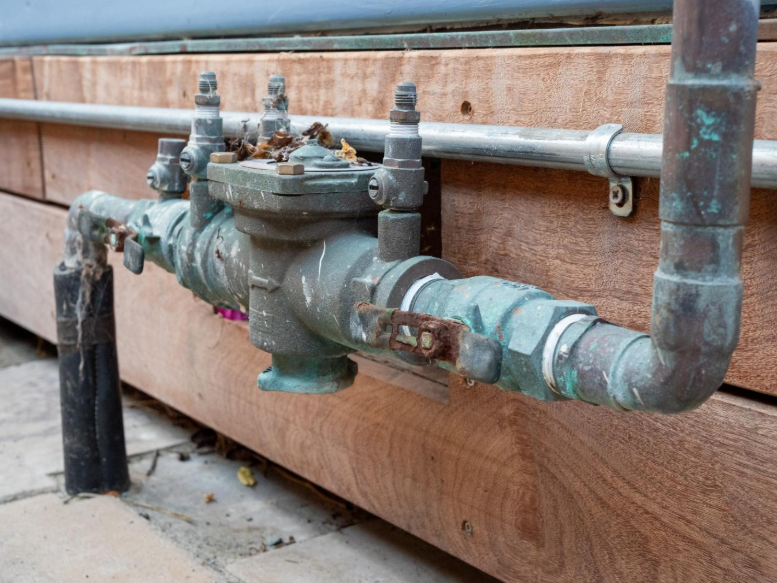
Photo from iStock - David Tran
Common Causes of Backflow and Why It Happens
Backflow most often starts when pressure changes in the water system force flow to reverse through a device. Common pressure events include main breaks, hydrant use, or sudden pump failure that create a vacuum or negative pressure. These shifts can overcome a weakened check valve or a stuck disc, allowing nonpotable water to enter the potable line. A technician will look for those pressure differentials during inspection to identify vulnerability.
Mechanical wear inside a device causes many failures over time, especially seals and springs that lose tension. Corrosion or mineral deposits can prevent check valves from seating fully and cause slow internal leakage under normal pressure. Debris or tree roots can also jam moving parts and stop valves from closing when needed. During diagnosis, a tester inspects seals and cycles the assembly to watch for sticking or leakage under load.
Improper installation contributes to backflow when orientation, unsupported piping, or absence of required isolation valves affect performance and testing access. Backflow assemblies must sit level and have clear test cocks for accurate gauge attachment and diagnosis. A professional confirms proper installation by checking alignment, shutoff valve operation, and clear access for gauges and hoses. If installation errors exist, repairs may include repositioning, adding isolation valves, or replacing damaged pipe.
Cross-connections remain a frequent hidden cause when irrigation lines, boilers, or hose bibs tie into potable systems without protection. Seasonal attachments like fertilizer injectors or pool fills create temporary cross-connections that increase contamination risk during pressure events. Inspectors check for unauthorized connections and test under simulated conditions to reveal failures that only show under flow. For properties in Myrtle Beach, SC and systems near commercial irrigation in Conway, SC, identifying cross-connections is a key diagnostic task.
Warning Signs Homeowners Should Notice and Act
Unusual tastes, sudden low water pressure, or cloudy water can all be early warning signs that deserve immediate attention. If you notice a chlorine or chemical smell after irrigation runs, stop using affected outlets until a professional inspects the system. Visible leaks or water pooling near the backflow assembly indicate seals or housings may have failed and need prompt diagnosis. Homeowners in Myrtle Beach, SC should keep an eye on these cues especially during heavy irrigation seasons.
- Persistent low pressure during peak irrigation.
- Intermittent taste changes in drinking water.
- Wet soil or pooling near the assembly.
- Unusual noise when valves cycle.
- Discolored water after system use.
If your yard irrigation causes pressure drops inside the house, a technician will perform targeted checks to confirm root cause. They will record inlet and outlet pressures with calibrated gauges and inspect the device for stuck check valves or leakage. A professional will also cycle isolation valves and test each check valve independently to find which component fails. For properties in Conway, SC, this method clarifies whether repair or replacement provides the best protection.
Another sign is a failed inspection tag or missing test records, which suggest the device may be overdue for service and unverified under load. Technicians use a written report with measured pressures and photos to confirm operation and document any failures. If contamination is suspected, stop using affected fixtures and call a licensed plumber immediately to reduce health risk. Keep inspection reports and serial numbers handy to speed follow-up and compliance steps.
How Certified Testing Protects Home Plumbing Systems
Certified backflow prevention testing reduces hidden wear by identifying failing components before they cause pipe contamination or system damage. A tester documents differential pressures and leak paths, which helps determine whether a worn check valve or corroded seal needs repair. That recorded diagnosis guides targeted work on the check valve, shutoff valve, or nearby fittings rather than replacing the entire assembly. Homeowners benefit because focused repairs lower the chance of future failures and unexpected water service disruption.
During a certified test, technicians confirm that isolation valves operate and that test cocks accept gauge hoses without leakage. They also verify the relief valve opens at the designed pressure, preventing backpressure events from transmitting contaminants. Written results include measured pressures and a clear component-level finding to support insurance or municipal questions. This clarity reduces guesswork when deciding between repair and replacement.
For properties in Myrtle Beach, SC certified testing can reveal seasonal corrosion or mineral build-up that would otherwise go unnoticed. Inspectors may recommend cleaning, seal replacement, or repositioning to improve long-term operation and access for future tests. These preventive steps extend the service life of assemblies and cut frequency of emergency repairs. A documented maintenance history also makes compliance checks smoother with local authorities.
A technician diagnosing a failed device will isolate the unit, attach calibrated gauges, and cycle each check valve to confirm which one leaks or sticks. The diagnosis often includes photos, measured readings, and a written recommendation that homeowners can review before authorizing work. Clear testing prevents unnecessary parts replacement and shows precisely what the repair will fix. Property managers in Conway, SC find this level of detail valuable for budgeting and scheduling maintenance.
When To Call a Professional Backflow Prevention Service
If you notice sudden pressure loss, chemical smell, or visible leaks around your assembly, call a pro immediately to avoid contamination risks. A technician will verify device isolation and attach calibrated gauges to confirm readings before any repair work begins. They can also secure access and obtain any required permits if a utility requires notification before work starts. Prompt professional response reduces the chance of broader distribution system impacts and interior plumbing damage.
Schedule service when test records are missing or the device shows a failed tag after a municipal inspection to maintain compliance. The professional gathers serial numbers, prior test reports, and photographs to create a clear record for regulators or insurers. In some cases a tester will recommend temporary shutoff of the irrigation or auxiliary supply until repairs restore protection. This approach prevents accidental cross-connection exposure while repairs proceed.
Call a backflow specialist if you plan irrigation upgrades, fertilizer injectors, or pool fill connections that create new cross-connections requiring protection. The technician assesses piping layout, checks for missing shutoff valves, and confirms appropriate device type and orientation for the new work. They will also advise on access for future calibration and testing to simplify annual compliance. For properties in Myrtle Beach, SC and Conway, SC this step helps prevent installation errors that complicate later inspections.
If a test fails, contact a certified tester to diagnose which check valve, relief valve, or isolation fitting needs work and to produce a written report. The professional will perform targeted diagnostic checks, record measured pressures, and photograph failing components to justify repair scope. After diagnosis, they can provide a repair estimate and timeline so you can schedule the work with minimal disruption. Keeping the written test and repair records helps with future inspections and insurance inquiries.
Steps To Prepare for a Backflow Prevention Inspection
Clear the area around the assembly so the tester can reach test cocks and isolation valves without obstruction. Remove debris, trim vegetation, and ensure hose access to the device for gauge connections. Keep pets and children away during the inspection to avoid accidental interference. If the device sits in a locked enclosure, arrange access or leave a key for the technician.
- Locate and label the backflow device serial number.
- Turn off irrigation before the tester arrives.
- Move vehicles or objects blocking utility access.
- Gather previous test reports if available.
- Note any recent plumbing changes or additions.
Identify any fixtures or systems tied to the protected line and tell the tester about them. Mention seasonal additions like fertilizer injectors, timers, or pump systems that connect to irrigation lines. This information helps the technician choose correct isolation points and simulate typical flow during testing. Providing history speeds diagnosis and keeps the appointment efficient for both parties.
Be prepared to receive a written report with measured pressures and pass or fail results after testing concludes. Ask the technician to explain any failing component and the recommended repair scope before authorizing work. Request copies of gauge readings, photos, and serial numbers for your records and municipal compliance. For homeowners in Myrtle Beach, SC and property managers in Conway, SC, keeping documentation aids future inspections and local reporting.
Maintenance Tips to Prevent Future Backflow Problems
Schedule routine visual checks of the assembly every few months to spot corrosion, leaks, or displaced fittings before they worsen. Record simple measurements like inlet and outlet pressure readings when a technician visits to build a service history. Keep isolation valves operable by exercising them slowly to prevent seizing and to confirm they fully open and close without resistance. If you detect odd noises or vibration near the device, contact a professional for a diagnostic pressure check and inspection.
Protect the assembly from physical damage by keeping heavy equipment and foot traffic away from its enclosure and piping supports. Insulate exposed piping and test cocks against freezing if winter conditions threaten the installation in Myrtle Beach, SC. Maintain clear access for gauge hoses and testers by trimming vegetation and removing stored items from the area. A clutter-free location shortens diagnostic time and reduces the chance of accidental knocks during testing.
After any repair, ask the technician to run a confirmation test and provide the measured readings and photos in a written report for your records. Store documents with device serial numbers and prior test results so you can show a continuous maintenance trail during municipal reviews. For properties in Conway, SC schedule post-repair verification promptly to avoid missed compliance deadlines and to confirm the relief valve and check valves perform under load. These records also help a technician identify recurring patterns between inspections.
Consider a simple homeowner checklist to track seasonal activities that affect backflow risk, like adding fertilizer injectors or connecting temporary hoses to irrigation lines. Note when you operate high-demand systems such as pressure washers or pump-driven fills since sudden demand changes can stress check valves. If you plan plumbing work that touches the protected line, inform your tester so they can re-evaluate device orientation and isolation access afterward. Regular documentation and communication reduce surprises during annual backflow prevention testing and help technicians diagnose trends efficiently.

 Your Privacy Choices