Key Takeaways About Hydro Jetting Service
Hydro jetting service uses high-pressure water to clean pipe walls and remove grease scale or roots. This guide helps homeowners and property managers decide when to choose jetting and what professionals check to protect pipes.
- Identify persistent multi-fixture symptoms that suggest main line buildup.
- Prevent grease and solids from entering drains with simple habits.
- Avoid using high pressure on visibly corroded or thin wall pipes.
- Spot blockage type with a camera before choosing a cleaning method.
- Reduce repeat clogs by matching nozzle and pressure to material.
- Plan follow-up inspections and monitor video reports after service.
Introduction
Clogged kitchen sinks and slow main sewer lines frustrate homeowners and can cause leaks or backups. When grease, compacted scale, or tree roots build up, a snake often only makes a temporary path. Hydro jetting service uses high-pressure water to scour pipe walls rather than just poke a hole. That deeper clean reduces repeat clogs and helps plumbing perform closer to original capacity.
Knowing when snaking will not solve the problem matters because repeat calls cost time and damage. Grease and soap scum form sticky layers that trap debris and narrow drains over time. Mineral scale from hard water can harden inside older cast iron or galvanized pipes and resist augers. Hydro jetting removes those stubborn deposits instead of leaving residue that re-forms quickly.
Homeowners in Myrtle Beach, SC and property managers in Conway, SC notice clues a snake failed long before a flood appears. Frequent slow draining, gurgling from toilets, and multiple clogged fixtures on the same drain line point to a main line or heavy buildup. Professionals confirm the issue with a camera inspection to see the blockage type and pipe condition. That recorded footage guides the choice between snaking and hydro jetting.
Pipe integrity is a valid concern when pressure is part of the solution and professionals take steps to protect plumbing. Technicians inspect cleanouts, check for preexisting damage, and match nozzle pressure to pipe material and diameter. They also monitor flow and re-inspect with a camera after the job to verify results. If you notice recurring symptoms or multiple fixtures affected, call a trained plumber to diagnose and recommend the right option.
How Hydro Jetting Service Works and Mechanics
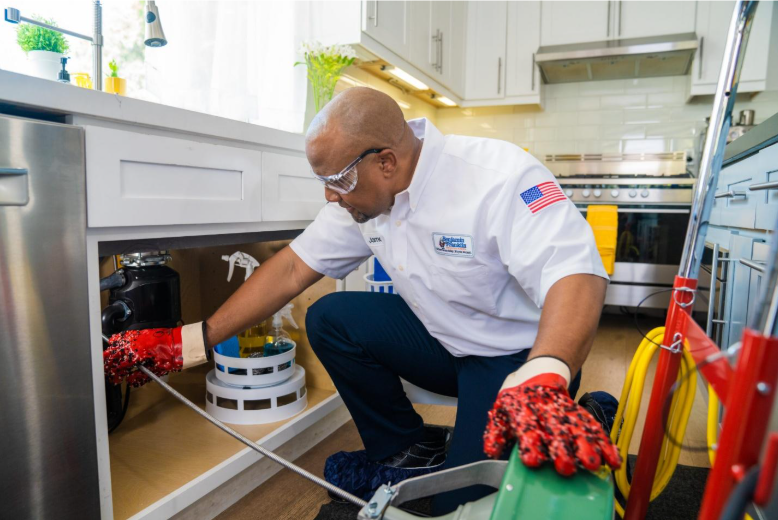
Hydro jetting service is a high-pressure water cleaning method that removes deposits, grease, and scale from the inside of pipes. Technicians feed a hose through a cleanout or drain access point to reach the affected section. A specialized nozzle directs water forward and backward to both cut roots and scour pipe walls. The water pressure and flow rate work together to wash debris out of the system.
- Nozzle selection matches pipe size and material.
- Pressure settings vary by blockage type.
- Flow removes loosened debris downstream.
- Operators control the hose feed speed.
Before starting, a professional inspects with a camera to confirm blockage type and pipe condition. A homeowner often asks if hydro jetting will damage older pipes, and the short answer is professionals adjust pressure for fragile materials. Technicians watch video while they work to avoid stressing joints or cracked sections. They also note any corrosion, offsets, or bellies visible on the recording.
The nozzle type and pressure range determine how the system cuts through grease or mineral scale without unnecessary force. Grease responds to high flow and turbulence that lifts and flushes the coating away. Hard scale needs sustained pressure and multiple passes to chip and wash deposits. Root intrusion requires a cutting nozzle that slices and then flushes the fragments out.
Why Grease and Scale Cause Persistent Clogs
Grease clings to pipe walls as a soft, sticky film that traps food particles and hair, creating layers that grow thicker with time. That coating narrows the flow path and holds warm, odorous water longer, which increases smells and slow drains. Chemical cleaners often soften only the outer layer and can leave a base layer that re-hardens. A professional will observe these visual cues during a camera inspection to confirm the layered, adhesive nature of the blockage.
Mineral scale forms differently: dissolved calcium and magnesium deposit as hard, crusty layers that bond to cast iron or galvanized surfaces. Scale reduces internal diameter and creates rough edges that catch debris and accelerate buildup. Homeowners may notice decreased flow, strange sounds in pipes, or toilets that refill slowly after flushing. A technician looks for bright white or tan deposits on video and may measure the remaining diameter visually to assess how much scale has narrowed the pipe.
Grease responds to turbulence and sustained high flow because the water action lifts and washes the soft film away from the wall. Scale requires repeated passes and concentrated pressure because deposits adhere tightly and may chip off in flakes. In both cases, a pro decides nozzle type and pressure based on what the camera shows and the pipe material. This diagnostic process improves the chance of a long-lasting clear instead of a short-term fix.
In Myrtle Beach, SC and properties in Conway, SC these clogs often start in kitchen drains but can migrate into the main line where they cause multi-fixture trouble. For example, a homeowner might see slow kitchen drainage plus gurgling in a bathroom, a pro would run a camera to confirm shared-line buildup and then recommend the right cleaning method. When recorded footage shows continuous concentric layers or hard encrustations, operators typically favor a hydro jetting service tailored to the material and deposit type.
When Hydro Jetting Outperforms Traditional Snaking
Hydro jetting service outperforms traditional snaking when blockages form a continuous coating or a dense mass that resists cutting. Snakes work well for localized mechanical obstructions like a discrete root or a single hairball, but they often leave behind residue that rebuilds quickly. When a camera shows layered grease or widespread scale across a long pipe run, high-flow water scours those deposits off the wall rather than simply piercing them. Homeowners notice repeated slow drains and foul odors when the coating remains after an auger pass.
Another advantage appears when buildup spans multiple fixtures on the same line and a single auger path won’t reach every adhesion point. Hydro jetting uses flow to flush loosened material downstream, reducing the chance of fragments settling again near junctions or bends. A technician can confirm this need by running a camera past the area where the snake reached and checking for remaining deposits or ragged edges. If recorded footage shows continuous encrustation beyond the snake’s reach, professionals usually recommend jetting instead.
Grease and soap scum respond differently than mineral scale, and hydro jetting addresses both with adjusted pressure and nozzle choice. Soft, sticky grease yields to turbulent flow that lifts the film while sustained forward and backward jets wash it away. Hard scale needs repeated passes at controlled pressure to chip and carry flakes out without over-stressing pipe joints. A pro will note how the material reacts on video to decide whether multiple passes or a change in nozzle is required.
There are cases where snaking still wins: short clogs composed of a discrete object or a simple toilet clog often clear faster with an auger. For main-line, long-run buildup or recurring multi-fixture symptoms in Myrtle Beach, SC and Conway, SC properties, hydro jetting generally gives a more complete, longer-lasting clean. Technicians will pair the camera report with pipe material and age to ensure jetting offers benefit without undue risk. After diagnosis, a clear recommendation will balance immediate effectiveness and long-term prevention.
How Pros Protect Pipes During Hydro Jetting
Pros start by confirming pipe material and joint type visually with the camera to set safe pressure limits for the job. They check cleanouts and shutoff valves to isolate sections and prevent unwanted backflow during work. Technicians also mark fragile segments like old cast iron or offset joints so they can advance cautiously. Communication with the homeowner helps ensure appliances and fixtures stay off while technicians work.
- Match nozzle to pipe diameter.
- Set pressure to material tolerance.
- Use short water bursts near weak spots.
- Monitor video feed continuously.
- Flush debris fully downstream.
During jetting, operators feed the hose slowly while watching real-time footage to detect leaks or joint movement immediately. They often reduce pressure before passing through known fittings or tight bends to avoid stressing seals. If video shows cracking or heavy corrosion, the team will stop and recommend a repair instead of continuing. This step protects pipes and prevents making a small problem worse.
After cleaning, technicians run the camera again to record the final condition and confirm clearance without hidden damage. They note any remaining scale or thin spots and include those observations in the service report for future monitoring. Homeowners in Myrtle Beach, SC find this documentation helpful when deciding about repairs or pipe replacement. If you see recurrent smells or slow drains after service, contact a professional for follow-up inspection and recommendations in Conway, SC.
Signs Homeowners Should Call a Professional Service
Persistent slow drains, repeated backups, or sewage odors that return after temporary fixes signal a need for professional attention. If multiple fixtures show symptoms at the same time, the problem likely sits in a shared main line rather than a single trap. Visible water pooling near floor drains or around cleanouts also requires immediate inspection to prevent property damage. Homeowners in Myrtle Beach, SC should treat recurring sewage smells as a prompt to call a plumber for diagnosis.
Frequent clogs that clear briefly after snaking but come back within weeks indicate residual deposits remain on pipe walls. A professional will typically perform a camera inspection to look for continuous coatings, hard scale, or fragmented debris left behind. They will also test flow and watch live video while probing with different cleaning tools to see what removes the material. This step helps avoid repeated service calls and targets the correct cleaning method.
Any signs of physical pipe problems during a preliminary check, such as visible corrosion, misaligned joints, or offset bellies, mean you should pause DIY attempts and call a technician. Professionals use the camera feed to identify thin spots, cracks, or root intrusion that high-pressure water could worsen if unchecked. If the video shows compromised sections, the technician will recommend repair or a limited cleaning approach instead of full-pressure jetting. For properties in Conway, SC, catching these issues early reduces the chance of emergency failures.
Unusual noises like persistent gurgling after drains run, toilets that bubble when sinks drain, or repeated wet spots under appliances point to deeper line stress. A plumber will run targeted diagnostic checks such as localized dye tests or pressure observations and document findings with recorded footage. If diagnostics show blockages beyond one access point, professionals often recommend a hydro jetting service tailored to the pipe condition. When safety risks appear during inspection, contact a professional rather than attempting stronger cleaners or tools yourself.
If you notice backups during heavy rain or after using multiple fixtures, call a service to rule out main-line restrictions or downstream problems. Technicians will confirm whether flow issues relate to buildup, infiltration, or structural damage before choosing cleaning intensity. They balance the need for a thorough clean with protecting pipe integrity by matching pressure to material and condition. Scheduling an inspection early can prevent larger, costlier repairs later and gives clear next steps based on recorded observations.
What Technicians Check Before Hydro Jetting Begins
Technicians begin by confirming access points and cleanout condition to plan a safe hose route and avoid surprises during work. They check shutoff valves and nearby fixtures so water can be contained and appliances remain off. The crew also verifies the cleanout plug seals to prevent wastewater backup into a residence space. This step reduces the chance of uncontrolled discharge while operators insert jetting equipment.
Next, they run a camera inspection to map the exact blockage location, length, and material before applying any pressure. The recorded footage helps determine whether roots, soft grease, or hard mineral scale dominate the problem. Technicians note joint alignment and any thin spots that could risk further damage under pressure. This visual record becomes part of the decision to proceed with hydro jetting service or choose a gentler approach.
Technicians then identify pipe material and measure diameter from the video or cleanout markings to select the proper nozzle and safe pressure range. They look for evidence of corrosion, previous repairs, or offsets that suggest pipe weakness that pressure could worsen. If video shows structural compromise, the team pauses and discusses repair alternatives with the homeowner. For properties in Myrtle Beach, SC, this precaution helps avoid turning a cleaning into a repair emergency.
Before starting, operators perform a flow test and sometimes a quick low-pressure flush to see how debris moves downstream under controlled conditions. They also secure nearby drains and explain what sounds or signs the homeowner should watch for during the job. Technicians document findings and planned settings in a work order for transparency and follow-up. After these checks, the crew proceeds only when risk is minimized and the plan aligns with inspection results in Conway, SC.
Preventive Steps to Reduce Kitchen and Main Clogs
Regular habits can keep grease and solids from reaching the main and forming hard deposits down the line. Wiping pans with a paper towel before washing and using a sink strainer reduces the amount of fat and food entering the drain. Schedule periodic inspections after heavy cooking seasons to catch early buildup before it migrates toward the main. For properties in Myrtle Beach, SC consider adding these steps to routine home maintenance checklists to limit long-term deposits.
- Use sink strainers every time you cook.
- Dispose of grease in sealed containers, not the drain.
- Run hot water and a detergent after greasy loads.
- Schedule camera inspections annually for older systems.
Mindful appliance use also lowers clog risk by preventing sudden surges of solids into one line. Avoid running the garbage disposal with large volumes of fibrous or starchy food together. Stagger loads from dishwashers and laundry on older pipe systems to reduce stress and sediment movement. Property managers in Conway, SC can set simple usage rules to protect shared plumbing lines across units.
Routine mechanical maintenance supports prevention by clearing small obstructions before they harden into scale or solid layers. A quick visual check of cleanouts and traps can reveal slow drainage trends before they worsen. If you see repeated gurgling or slow drains, document times and fixture use to help a pro pinpoint the pattern. That information shortens diagnosis and helps technicians choose a targeted hydro jetting service if needed.
Consider protective upgrades when inspections show narrowing or recurring residue to reduce future cleaning frequency. Lining, sectional replacement, or installing a backwater valve can limit how often heavy cleaning is required in problematic runs. Discuss options with a plumber after a camera report shows consistent thinning or recurring grease accumulation. Early intervention often costs less than repeated emergency cleanings and reduces the chance of unexpected failures.
Post Service Care and When to Schedule Follow Ups
After a hydro jetting service, technicians usually advise a brief observation period to ensure the system holds clear under normal use. Watch for recurring slow drains, new odors, or wet spots near cleanouts, and note timing and fixture use if symptoms return. If any of those signs appear within a few days, contact the service provider so they can review recorded footage and flow tests. Quick feedback helps identify whether residual debris or an overlooked structural issue needs attention.
Technicians commonly provide a short list of do's and don'ts tailored to the recent work, such as avoiding heavy appliance cycles for a day and checking cleanout seals for seepage. Follow-up camera inspections are scheduled when visual confirmation is necessary to verify full clearance or to document thin pipe sections. These re-inspections give a clear record of pipe condition and help decide if repair or a gentler follow-up cleaning is safer. Keep any service report and video accessible for future reference with technicians.
Schedule a routine check if your system previously required frequent services, because recurring buildup often returns on a predictable interval based on usage and materials. For properties in Myrtle Beach, SC seasonal patterns of heavy cooking or rental turnover may affect when a follow-up is wise. Property managers in Conway, SC should plan inspections after peak occupancy periods to catch early signs before problems escalate. Setting a reminder for a camera inspection six to twelve months after major buildup can prevent emergency calls later.
If technicians found thin walls or corrosion during the initial job, arrange a shorter-interval follow-up to monitor any progression and avoid sudden failures. When live video shows minor remaining scale, professionals might recommend a staged plan of lower-pressure passes rather than immediate aggressive cleaning. Request a written maintenance plan that lists recommended inspection timing and triggers for repair versus cleaning. If you notice new or worsening symptoms at any time, contact a qualified plumber rather than attempting stronger cleaners yourself.
Clear Stubborn Clogs with Benjamin Franklin Plumbing
Recurring kitchen clogs, slow drains, and main line backups may point to buildup that basic snaking cannot fully remove. Benjamin Franklin Plumbing serves homeowners in Myrtle Beach and Conway and can inspect your plumbing to determine whether hydro jetting is appropriate for your pipes. Contact the team today to schedule an inspection and ask about hydro jetting service for stubborn drain and sewer line problems.

 Your Privacy Choices