Key Takeaways About Gas Line Repair
Gas line repair covers recognizing leaks, shutting off supply, and arranging safe professional work. This guide is for homeowners and property managers who need clear actions when gas odors or hissing appear.
- Identify rotten egg odors hissing sounds and visible damage quickly.
- Prevent escalation by evacuating and notifying emergency services immediately.
- Avoid using switches phones or open flames inside suspected leak areas.
- Spot loose fittings corroded joints and disturbed soil near piping.
- Reduce risk by documenting actions and sharing details with technicians.
- Plan for licensed inspection testing and documented permanent repairs.
Introduction
A gas leak in a home is urgent and dangerous and often starts with small, easy-to-miss signs. Smells, hissing sounds, or dead vegetation near a meter can signal escaping gas. Ignoring those signals allows leaks to grow and raises the risk of fire or explosion. Homeowners need clear, immediate steps and reliable help when a leak is suspected.
Knowing how to stop gas flow and when to evacuate matters long before a technician arrives. A quick shutoff can prevent an incident from becoming catastrophic, but incorrect actions can make the situation worse. Trained professionals use diagnostics and safety checks to verify a leak and confirm the system is secure. Calling someone with proper training protects your family and property during a high-risk event.
Licensed plumbers in Myrtle Beach, SC bring specific skills and tools not found in typical toolboxes to confirm and repair gas lines. They inspect shutoff valves, supply piping, pressure readings, and appliance connections to find the source. Their tests produce measurable results such as pressure readings and written reports that owners can trust. These checks reduce the chance of a recurring leak after repairs are completed.
Homeowners in Myrtle Beach, SC and Conway, SC face the same basic risks when a gas odor appears in or near a house. Visible corrosion, loose fittings, and recent digging near a line are common triggers for inspection. Experienced plumbers follow codes and accepted practices to restore safe gas service and document the work. Acting quickly and choosing licensed professionals lowers danger and helps restore normal home life.
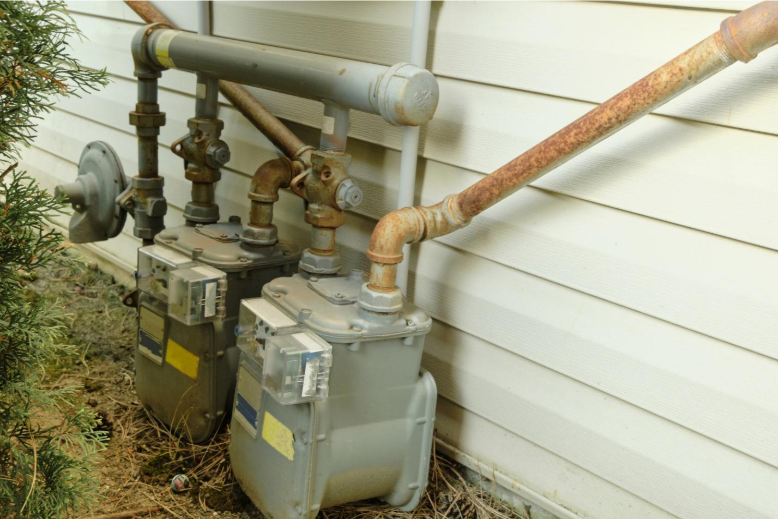
Photo from iStock - AlbertPego
How Gas Lines Work and Why It Happens
How gas lines deliver fuel to appliances and why leaks occur involves pressure, piping, and fittings in a simple network. Natural gas travels from the utility meter through supply piping to appliances using modest pressure maintained by regulators. Valves and threaded connections direct flow while flexible connectors bridge appliances to rigid pipe. A homeowner might ask how a leak can form, and common causes include corrosion, vibration, physical damage, and poor fittings.
- Pipes carry gas under low pressure from the meter to appliances.
- Shutoff valves stop flow at the meter or appliance connections.
- Flexible connectors allow small appliance movement without breaking the line.
- Regulators reduce pressure for safe appliance operation.
Piping materials matter because steel, iron, copper, and corrugated stainless steel tubing (CSST) behave differently under stress. Metal threads can loosen and corrode over time, creating slow leaks that emit odor long before they become dangerous. Flexible connectors can crack at the ends when repeatedly moved during appliance servicing. A clear homeowner question is whether small changes in pressure affect safety; small pressure changes can indicate leaks and should prompt inspection.
Professionals diagnose problems by visually inspecting joints, using a pressure gauge, and performing a soap-bubble or leak-detection fluid check. They also use a combustible gas detector to locate escaping gas and record pressure readings to confirm system integrity. Technicians look for signs like rust, loose fittings, and recent disturbances to buried lines. For properties in Myrtle Beach, SC a salty coastal environment can speed corrosion on exposed metal fittings and requires attentive inspections.
Moving gas safely requires understanding the network from meter to appliance and the common weak points that fail. Licensed plumbers check regulators, shutoff valves, flexible connectors, and appliance connections during a service call. If you spot damage after yard work or appliance service, do not try a DIY repair; call a professional. Homeowners in Conway, SC should document visible damage and report it when arranging an inspection.
Common Causes of Gas Line Damage and Failure
Mechanical damage often causes gas line leaks when equipment or digging strikes a pipe, bending or puncturing the material. Older steel or iron piping can crack under impact, while thin copper lines dent and leak when hit. Contractors cutting through a yard without locating lines first create a common failure mode that requires immediate inspection. If you suspect contact damage, shut off the supply and report the incident to professionals for a safe assessment.
Corrosion weakens joints and fittings over time, producing slow leaks at threaded connections and soldered joints that can go unnoticed for months. Exposure to moisture and certain soil conditions speeds rust on exposed metal parts and underground couplings. Flexible connectors also degrade at the ends where they meet appliances, causing hairline failures that release odor. A licensed plumber will evaluate corrosion using visual inspection and pressure gauge readings to determine repair needs.
Vibration and thermal expansion create fatigue at fittings and appliance connections, loosening nipples and flared fittings through repeated movement. Appliances that cycle frequently can stress connectors and create pinhole leaks at flexible hoses. Improperly tightened connections after service are another common cause, so keep records of recent appliance work. Professionals will perform a soap-bubble or electronic leak check on suspect joints to confirm the exact leak location.
Construction and landscaping can disturb buried lines, shifting joints or exposing fittings to new stresses that later fail without warning. Root intrusion can also stress and displace older pipes, particularly near foundations or planter beds. For homeowners in Myrtle Beach, SC and property managers in Conway, SC, documenting recent ground work helps technicians trace possible damage sources. When arranging gas line repair, provide photos and notes about recent digging so the plumber can focus inspections efficiently.
Recognizing Warning Signs of a Gas Leak
Strong, unusual sulfur or rotten-egg odors indoors or near meters often signal a nearby leak and should never be ignored. Another clear cue is a faint hissing sound at pipe runs, behind appliances, or near the gas meter. Watch for dead or discolored vegetation over buried lines because escaping gas can displace oxygen in soil and harm plants. If a pilot light repeatedly goes out while other appliances work normally, that intermittent behavior may point to a pressure or leak issue.
Physical signs like loose or damaged fittings, visible corrosion on exposed piping, or a recently disturbed trench next to a line imply higher risk and need inspection. Check appliance flexible connectors and shutoff valves for oily residues or small bubbles when someone safely sprays soapy water during a non-emergency check. A sudden increase in your gas bill without corresponding usage can indicate an unseen leak in the supply piping. In Myrtle Beach, SC homeowners should also note any recent yard work that could have nicked underground lines.
Electronic combustible gas detectors and pressure gauge readings are common ways professionals confirm a suspected leak after initial homeowner observations. A licensed plumber will isolate sections with shutoff valves, compare pressure readings against expected values, and use hand-held sensors to pinpoint the source. They may produce a written report with recorded readings and digital photos showing joints or fittings that failed. For properties in Conway, SC, documenting visible damage before the visit helps technicians triage the problem faster.
Trust observable cues such as sound, smell, and visible damage to decide when to evacuate and call for help rather than attempting complex diagnostics yourself. Avoid using phones, light switches, or anything that could spark while still inside where gas is present. If you must perform a brief safe check, open windows and move people to fresh air immediately before calling emergency services or a professional. Relying on a trained plumber for final confirmation and repair reduces the chance of misdiagnosis and recurring leaks.
Immediate Steps for Emergency Gas Shutoff
If you detect a strong gas odor or hear an obvious hissing, leave the building immediately and move upwind to fresh air. Once outside, call emergency services or your gas utility from a safe location and report the suspected leak. Do not re-enter until a qualified technician or emergency responder declares the area safe. Keep others away from the home and prevent anyone from using lighters, matches, or electrical switches nearby.
- Locate the main gas meter valve visually from outside.
- Turn the valve perpendicular to the pipe to close it.
- If unsure, do not force the valve; wait for a professional.
- Shut appliance valves only if you can do so without entering a hazardous area.
When shutting the meter valve, use a wrench if necessary and keep your face and body away from the piping. If the valve is stuck or damaged, do not attempt excessive force that could break the fitting. After closing the valve, move everyone a safe distance away and stay clear until responders arrive. Notify neighbors if the leak appears to affect adjacent properties in Myrtle Beach, SC.
A trained plumber or gas utility will confirm isolation using a pressure gauge and a combustible gas detector during arrival. They will inspect the meter, regulator, flexible connectors, and visible joints to find the source before restoring service. For properties in Conway, SC, document what you observed and any actions you took to help the technician evaluate the scene faster. Follow the technician’s instructions about when it is safe to return and how any repairs will proceed.
When To Call a Professional Gas Line Repair
If you notice signs that suggest a complex or concealed leak, call a licensed plumber without delay. Situations such as repeated pilot outages, unexplained pressure loss, or gas appearing after recent ground disturbance require professional evaluation. A plumber will prevent unsafe temporary fixes that can hide the real problem. Delaying calls can increase repair scope and risk to occupants.
A professional is necessary when you cannot locate the leak source visually or when the leak appears inside walls or crawlspaces. Technicians use a pressure gauge, combustible gas detector, and inspection to confirm leaks in concealed piping. They also perform isolation tests and may cap sections to find the affected segment. These steps reduce the chance of misdiagnosis and repeated service calls.
Call for a professional if any repair requires working at or near the gas meter, regulator, or buried service line serving the property. Working on those components involves coordinating with the gas utility and following safety protocols that require trained personnel. A licensed plumber documents pressure readings and repair actions for homeowner records and future inspections. Homeowners in Myrtle Beach, SC should report recent yard work when scheduling a visit.
If you smell gas after a temporary shutoff or after a neighbor reports odor, arrange a certified inspection before restoring service. Professionals will test appliance connectors, shutoff valves, and fittings with leak-detection fluid and electronic sensors. They will provide a written summary of findings and recommend permanent repairs or replacements. For properties in Conway, SC, keep clear notes about when the odor started to help technicians focus diagnostics.
What Licensed Plumbers Check During Repairs
Licensed plumbers in Conway, SC begin repairs by isolating the affected section and confirming system pressure with a calibrated pressure gauge to avoid unnecessary outage. They inspect visible piping, threaded joints, and flexible connectors for hairline cracks, corrosion, or signs of recent movement. Technicians also check shutoff valves and isolation points for proper operation and seal integrity before proceeding with any permanent work. This step reduces the risk of disturbing other parts of the system during repair.
Next, a plumber uses a combustible gas detector and may apply leak-detection fluid to exposed fittings to pinpoint the leak location precisely. They verify appliance connectors and flared fittings for correct torque and orientation, addressing loose or cross-threaded connections as needed. When repairs require cutting and joining pipe, the plumber confirms material compatibility and uses approved fittings to maintain safe flow characteristics. Work is staged to allow retesting of pressure after each repair step.
For buried or concealed piping, the technician inspects for mechanical damage and may expose joints to examine for cracks or displaced fittings caused by recent digging. They document findings with photos and recorded pressure readings to produce a clear report for the homeowner and future reference. If replacement is necessary, plumbers select appropriate piping and test the new section to the original operating pressure before restoring service. Homeowners in Myrtle Beach, SC should provide any recent excavation details to speed this process.
After completing repairs, licensed plumbers perform a comprehensive system test including a final pressure verification and a walk-through leak check at every appliance connection and faucet. They confirm regulator function and verify that appliances ignite and operate within recommended parameters before leaving the site. Technicians also advise on any follow-up monitoring or maintenance and provide a written summary of the repair and test results. For properties in Conway, SC, this documentation helps with future inspections or if further issues appear.
Safe Temporary Fixes Versus Permanent Solutions
Temporary measures can reduce immediate danger but are not substitutes for a permanent gas line repair by a licensed plumber. Typical short-term actions include closing an accessible shutoff valve and ventilating the area while waiting for help. These steps limit gas flow and exposure but do not address damaged piping, fittings, or regulator faults. Treat temporary steps as scene control, not a fix that restores long-term safety.
- Close the main or appliance shutoff valve.
- Open windows and doors to ventilate indoor spaces.
- Avoid operating electrical switches or open flames.
- Keep occupants and pets away from the area.
- Notify the gas utility and schedule a professional inspection.
Temporary sealing products sold for minor leaks are for emergency use only and often fail under pressure or vibration. A licensed plumber will not rely on such patches during a permanent repair because they may hide ongoing corrosion or joint failure. Permanent solutions replace the damaged components with compatible piping, approved fittings, and tested joints that meet safety expectations. Relying on a qualified technician prevents repeated service calls and uncovers root causes.
When deciding between temporary and permanent work, consider the leak’s location and cause rather than convenience. Surface-level flex connector issues might allow short-term isolation, while buried service-line damage requires immediate permanent repair. Professionals use pressure gauges and combustible gas detectors to confirm whether a temporary action restored safe pressure and to plan the correct permanent fix. Accurate diagnosis leads to targeted repairs that reduce future risk.
For homeowners in Myrtle Beach, SC and property managers in Conway, SC, document any temporary actions taken and share this with the plumber upon arrival. This information helps technicians prioritize diagnostic checks like pressure tests and visual inspections of regulator, shutoff valve, and appliance connectors. A clear record speeds repair planning and supports any necessary coordination with the gas utility. Always schedule a licensed gas line repair soon after any temporary measure
Preventive Maintenance Tips to Avoid Gas Line Repair
Schedule regular visual inspections of exposed piping and fittings at least once a year to spot early wear. Pay attention to minor corrosion, loose fittings, and any unusual odors that appear during inspections. Include appliance flexible connectors and shutoff valves in the checklist to catch small issues before they worsen. For properties in Myrtle Beach, SC coastal exposure can accelerate surface corrosion on outdoor fittings.
Have a licensed plumber perform a pressure test and combustible gas detector sweep during routine maintenance visits every few years. Professionals record pressure readings and provide a written report that shows trends over time. These measurements reveal slow leaks or weakening seals that are invisible to casual observation. Keeping documented test results helps track when components need replacement.
Mark and map buried gas-service locations before landscaping or digging projects and call the utility or a locator service first. If you plan yard work near the line, have a plumber inspect the exposed sections afterward for stress or displacement. Photograph any ground disturbance and share images with the technician to focus the inspection efficiently. For properties in Conway, SC this step reduces accidental strikes during routine projects.
Replace flexible connectors and older materials proactively based on age and condition rather than waiting for failure to occur. Use only approved fittings and compatible piping materials during replacements to maintain system integrity under normal pressure. Ask the plumber to test newly installed sections and provide a retest date for future checks. Scheduled proactive replacements reduce emergency repair risk and extend safe service life.
Install a permanently mounted combustible gas detector in utility areas and near appliance installations to catch slow leaks early. Choose detectors that provide a clear alarm and periodic self-test features to ensure ongoing function. Combine detector data with periodic professional inspections for a layered approach to safety and early detection. This combination minimizes the need for emergency gas line repair by identifying issues sooner.

 Your Privacy Choices