Few kitchen problems are as frustrating as a garbage disposal not working, especially when you're preparing meals or cleaning up after dinner. One moment it's running normally, and the next it may refuse to turn on, make a humming sound, drain slowly, or stop working altogether. While some issues stem from minor problems, others can point to worn components, electrical concerns, or plumbing issues that require professional attention.
For homeowners in Myrtle Beach, SC, and Conway, SC, a properly functioning garbage disposal is an important part of keeping the kitchen clean and efficient. Coastal environments can expose plumbing components to higher humidity and salt air, which may contribute to corrosion of certain exposed metal fixtures over time. Water quality varies across South Carolina. In some communities, moderately hard water can contribute to mineral scale buildup in plumbing fixtures, water heaters, and appliances over time. Although the environmental factors differ, regular maintenance helps support reliable plumbing performance in any climate.
Understanding the most common causes of a malfunctioning garbage disposal can help you recognize when a simple issue has become a more serious concern. Knowing the warning signs early may help reduce the risk of clogged drains, unpleasant odors, water damage, or unnecessary strain on your kitchen plumbing. It's equally important to avoid risky DIY repairs that could damage the unit or create safety hazards.
This guide explains the most common reasons a garbage disposal not working issue occurs, practical and safe solutions, signs that indicate professional plumbing repair may be needed, and preventive maintenance tips to help extend your disposal's lifespan. You'll also learn when it's time to contact Benjamin Franklin Plumbing of Myrtle Beach for trusted garbage disposal and kitchen plumbing services in Conway and the surrounding communities.
Why Is Your Garbage Disposal Not Working?
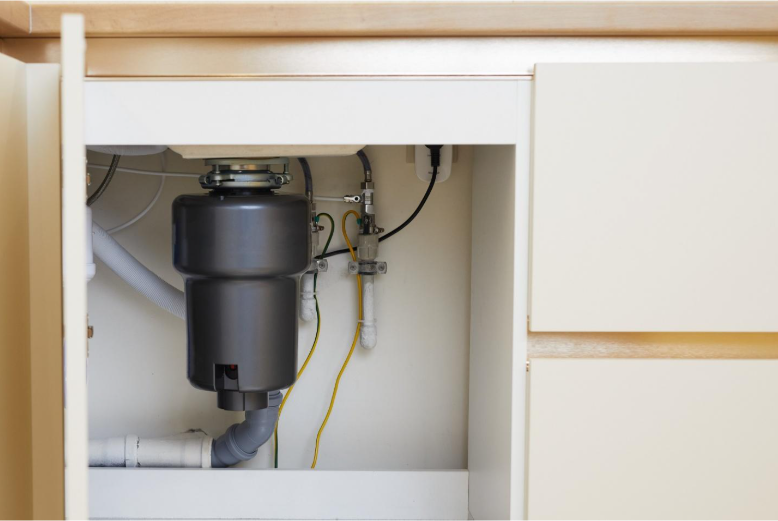
A garbage disposal is designed to grind small amounts of food waste into fine particles so they can safely flow through your home's plumbing system. When the unit suddenly stops working, it can interrupt your kitchen routine and leave you wondering whether the problem is minor or a sign of a larger plumbing issue. Understanding how a garbage disposal functions makes it easier to recognize what may be causing the problem.
Several issues can prevent a garbage disposal from operating properly. In some cases, the unit may lose power because of a tripped circuit breaker or a reset button that has been activated. Other times, food debris, foreign objects, or worn internal components can interfere with normal operation. A blockage in the drain line may also affect how well the disposal drains, even if the motor is still running.
The symptoms of a malfunctioning disposal often provide important clues about the underlying issue. For example, a unit that hums but doesn't grind may have a jammed flywheel, while one that remains completely silent could indicate an electrical problem. Slow drainage, unpleasant odors, water leaks beneath the sink, or repeated shutdowns are also signs that something isn't working as it should.
Although some situations may seem minor at first, repeatedly using a malfunctioning disposal can place additional strain on both the appliance and your plumbing system. If your garbage disposal not working problem continues after basic safety checks, or if you notice leaks, burning odors, or recurring jams, it's best to have the unit evaluated by an experienced plumber before the issue becomes more costly or causes additional damage. If you'd like to better understand how a garbage disposal works, the guide how do garbage disposals work? explains the unit's basic components and grinding process, making it easier to recognize potential problems.
The Most Common Causes of a Garbage Disposal Not Working
A garbage disposal not working issue can have several possible causes, ranging from a simple power interruption to a more serious mechanical or plumbing problem. Identifying the symptoms can help narrow down the source of the issue, but it's important to avoid forcing the unit to operate if something doesn't seem right. Continuing to use a malfunctioning disposal may increase the risk of damage to both the appliance and your plumbing system.
One of the most common causes is an electrical problem. A tripped ground fault circuit interrupter (GFCI) outlet, a circuit breaker that has switched off, or an activated reset button can prevent the disposal from receiving power. In other cases, the motor may become overloaded after processing too much food waste at once, causing it to shut down as a safety measure. If the disposal remains completely silent when switched on, an electrical issue may be the reason.
Mechanical problems are another frequent cause of disposal failure. Hard objects such as fruit pits, bones, utensils, or other non-food items can jam the grinding chamber and prevent the flywheel from turning properly. Over time, internal components may also wear out through normal use, reducing the unit's performance or causing it to stop working altogether. If you hear a humming sound without the disposal grinding food, the unit may have an internal obstruction or a worn mechanical component.
Plumbing issues can also make it seem like the garbage disposal has stopped working. A clogged drain line, grease buildup, or accumulated food debris may prevent water and ground food particles from flowing freely, leading to slow drainage, unpleasant odors, or sink backups. In some cases, multiple issues may occur at the same time, making a professional inspection the most reliable way to determine the exact cause and recommend the appropriate repair.
Safe Solutions to Try First
If your garbage disposal stops working, resist the urge to keep turning it on or attempting extensive repairs. Forcing the unit to operate can make the problem worse, especially if the issue involves a jammed component, an electrical fault, or a damaged motor. Taking a cautious approach is the safest way to protect both the disposal and your plumbing system.
Before assuming the unit has failed, check whether it's receiving power. A tripped GFCI outlet, an activated reset button, or a switched circuit breaker can interrupt the electrical supply. You should also pay attention to how the disposal responds when you turn it on. A humming sound, complete silence, or unusual grinding noises can provide helpful clues about the underlying problem.
If the disposal appears to be blocked, avoid placing your hands inside the grinding chamber or using objects to force it free. Likewise, don't continue running the unit if it leaks, emits a burning odor, or repeatedly shuts off. These symptoms may indicate a more serious mechanical or electrical issue that requires professional attention.
When basic safety checks don't resolve the problem, it's time to contact a licensed plumber. An experienced professional can accurately diagnose the cause, recommend the appropriate garbage disposal repair, and ensure your kitchen plumbing are operating safely and efficiently without risking further damage.
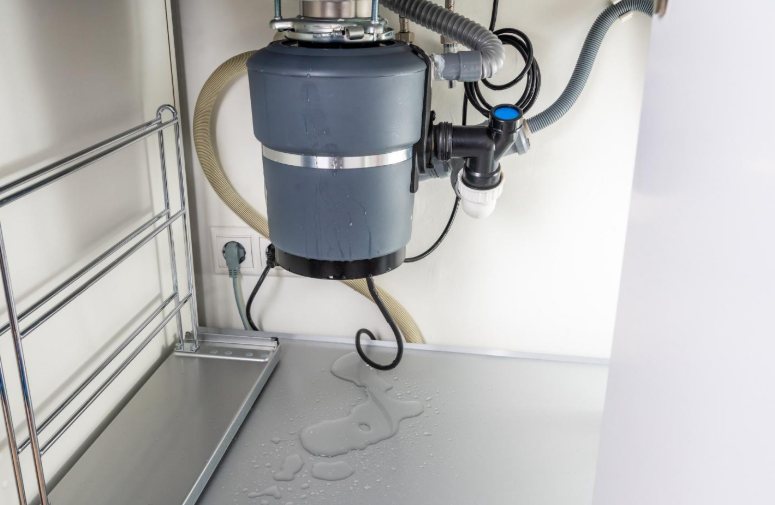
Photo from iStock - Credit: Mariakray
Signs the Problem May Be More Serious
Some garbage disposal problems go beyond a simple inconvenience. While minor issues can occasionally interrupt normal operation, certain symptoms may indicate mechanical failure, electrical concerns, or plumbing damage that requires professional attention. Recognizing these warning signs early can help prevent more extensive repairs.
Burning Smells or Electrical Problems
A burning odor, repeated circuit breaker trips, or a disposal that hums without grinding food waste may signal an overloaded motor or an electrical issue. Stop using the unit if you notice these symptoms, as continued operation could cause further damage or create a safety risk.
Water Leaks and Drainage Issues
Water leaking beneath the sink is another sign that shouldn't be ignored. Worn seals, loose plumbing connections, or cracks in the disposal housing can all lead to leaks. Slow drainage, recurring sink backups, and persistent foul odors may also indicate a blockage affecting the disposal or the connected drain line.
Recurring Performance Problems
If your garbage disposal frequently jams, shuts off unexpectedly, or stops working despite basic safety checks, the underlying problem may be more serious than routine maintenance can address. Repeated malfunctions often point to worn internal components or a failing unit nearing the end of its service life.
When these warning signs appear, it's best to contact a licensed plumber. A professional can identify the root cause, recommend the appropriate repair or replacement, and help restore your kitchen plumbing to safe and reliable operation.
What Should Never Go Down a Garbage Disposal?
Even a well-maintained garbage disposal isn't designed to handle every type of kitchen waste. Certain foods and household items can damage the grinding components, clog the drain, or shorten the disposal's lifespan. Knowing what to keep out of the unit is one of the easiest ways to help prevent unexpected plumbing problems.
Grease, Oil, and Fat
Grease, cooking oil, and fat may seem harmless when they're warm, but they can cool and solidify inside the drain. Over time, this buildup can restrict water flow, trap food particles, and contribute to stubborn clogs that affect both the garbage disposal and the kitchen plumbing.
Hard, Fibrous, and Starchy Foods
Hard items like bones and fruit pits can place excessive stress on the disposal's grinding components. Fibrous foods such as celery, corn husks, and asparagus may wrap around internal parts, while pasta, rice, and potato peels can expand with water and increase the risk of drain blockages.
Coffee Grounds and Non-Food Items
Coffee grounds may collect in the drain and combine with grease or other debris, creating thick buildup over time. Non-food items, including utensils, plastic, paper, glass, or metal, should never be placed in a garbage disposal because they can damage the unit and create safety hazards.
By disposing of food waste properly and avoiding materials that don't belong in the disposal, you can help extend its lifespan and reduce the risk of clogs, jams, and costly plumbing repairs.
Preventive Maintenance Tips for Your Garbage Disposal
Regular maintenance is one of the best ways to keep your garbage disposal operating efficiently and reduce the likelihood of unexpected breakdowns. Simple habits can help minimize wear on the unit while keeping your kitchen plumbing flowing properly.
Always run cold water before, during, and briefly after using the garbage disposal. Cold water helps keep fats solid while food waste is being ground, allowing water to carry food particles through the drain. Grease, oil, and fat should never be placed in the disposal because they can accumulate inside plumbing over time.
Cleaning the disposal periodically can help reduce odors caused by food residue. It's also a good idea to watch for early warning signs, such as unusual noises, slower drainage, frequent resets, or recurring jams. If buildup is causing slow drainage, drain cleaning in Conway, SC, can remove the obstruction and restore proper flow.
Scheduling routine plumbing inspections is another effective way to keep your garbage disposal and kitchen plumbing in good condition. A licensed plumber can identify signs of wear, recommend maintenance when needed, and help ensure your disposal continues to operate safely and reliably for years to come.
When Should You Call a Professional Plumber?
Some garbage disposal problems can be identified through basic safety checks, but recurring or severe issues often require professional attention. If the unit continues to malfunction, it's important to avoid repeated attempts to operate it, as doing so may worsen the damage or affect your kitchen plumbing system.
You should contact a licensed plumber if your garbage disposal won't turn on after confirming it has power, frequently trips the circuit breaker, leaks beneath the sink, or makes persistent grinding or humming noises. Slow drainage, recurring clogs, foul odors that don't go away, and repeated jams are also signs that the problem may extend beyond the disposal itself.
In some cases, repairing the unit may be the most practical solution, while older or extensively damaged disposals may benefit from replacement. A professional plumber can inspect the disposal, identify the underlying cause, and recommend the most appropriate option based on its condition and the overall health of your plumbing system.
If you're dealing with a garbage disposal not working issue in Myrtle Beach, SC, or Conway, SC, the experienced team at Benjamin Franklin Plumbing can diagnose the problem and provide reliable repair or replacement services. Prompt professional attention can help restore your kitchen plumbing and reduce the risk of more costly repairs in the future.
Conclusion
A garbage disposal not working can be frustrating, but it's often a sign that your unit needs attention before a small issue becomes a larger plumbing problem. Understanding the most common causes, recognizing early warning signs, and practicing proper disposal habits can help keep your kitchen plumbing functioning more efficiently.
Routine maintenance also plays an important role in extending the lifespan of your garbage disposal. Avoiding materials that can damage the unit, paying attention to unusual noises or leaks, and addressing problems promptly can help reduce unnecessary wear and minimize the risk of costly repairs.
While some minor issues may be resolved through basic safety checks, persistent humming, frequent clogs, electrical concerns, or water leaks should never be ignored. Having the problem inspected by a licensed plumber helps ensure the issue is diagnosed correctly and repaired safely without causing additional damage to your plumbing system.
If you're dealing with a garbage disposal not working issue in Conway, SC, turn to Benjamin Franklin Plumbing of Myrtle Beach for dependable plumbing solutions. Their experienced team can inspect your garbage disposal, recommend the right repair or replacement, and help restore your kitchen plumbing so it operates safely and reliably.

 Your Privacy Choices